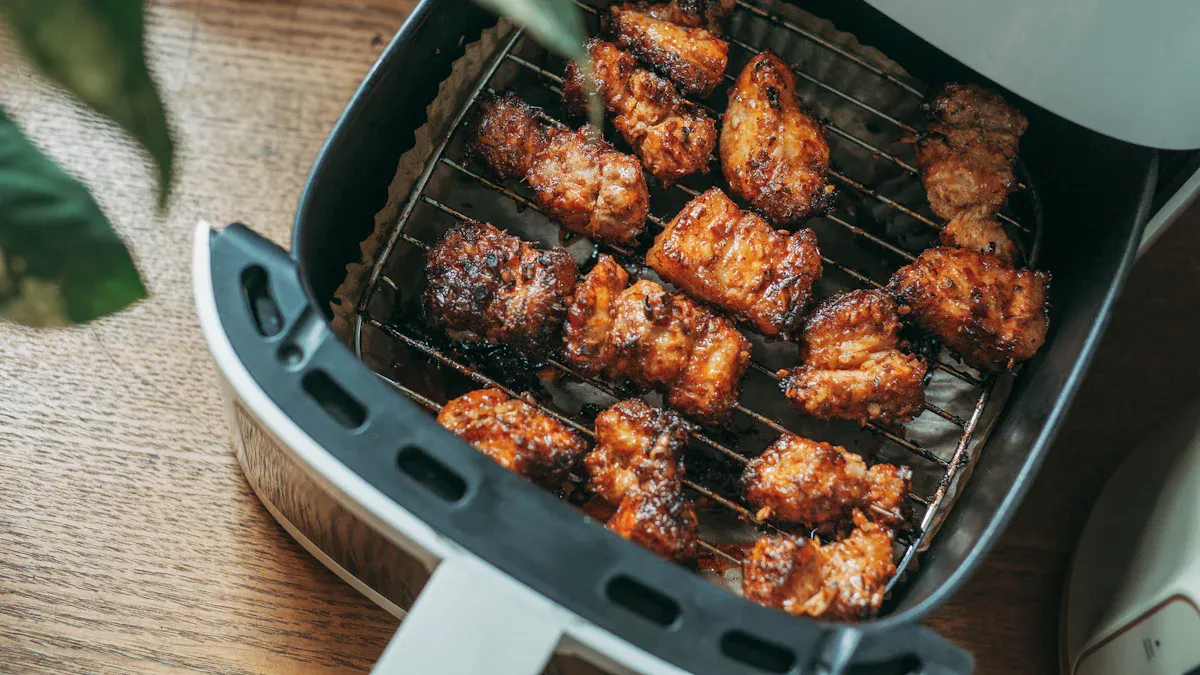
Mastering the air fryer leads to significantly better cooking results. With approximately 60% of households in the United States owning an air fryer as of 2024, this kitchen appliance has become essential. Air fryers, especially those from a reputable air fryer manufacturer, offer remarkable versatility, allowing users to prepare everything from crispy vegetables to succulent meats. They not only save time but also reduce energy consumption compared to traditional ovens. For those in the food industry, sourcing wholesale air fryers can be a game-changer, providing access to high-quality options. Additionally, partnering with a commercial grade air fryer supplier can ensure that businesses have the best equipment for their needs. Users should embrace the opportunity to explore and experiment with air frying techniques, including the option of a private label air fryer for those looking to brand their own products. This journey can unlock delicious possibilities and enhance culinary skills.
Key Takeaways
- Preheat your air fryer for 3-5 minutes to ensure even cooking and better texture.
- Use a light coating of oil to improve flavor and achieve a crispy texture without excess grease.
- Avoid overcrowding the air fryer basket to maintain proper airflow and ensure even cooking.
- Shake or flip food halfway through cooking to promote even browning and crispiness.
- Adjust cooking times and temperatures by reducing them by 20-25% compared to traditional oven recipes.
- Experiment with a variety of foods, including meats, vegetables, and desserts, to discover new favorites.
- Utilize accessories like liners and pans to enhance cooking efficiency and simplify cleanup.
- Regularly clean your air fryer to maintain its performance and extend its lifespan.
Tip 1: Preheat Your Air Fryer
Why Preheating Matters
Preheating the air fryer is a crucial step that many users overlook. This process ensures that the appliance reaches the desired cooking temperature before adding food. When the air fryer is preheated, it creates a consistent cooking environment. This consistency leads to better texture and flavor in the final dish. For example, preheating helps achieve that perfect crispiness on the outside while keeping the inside tender.
Additionally, preheating can significantly reduce cooking times. When food enters a hot air fryer, it begins cooking immediately. This immediate heat exposure enhances the overall cooking efficiency. As a result, users can enjoy their meals faster without sacrificing quality.
How to Preheat Correctly
Preheating an air fryer is simple and straightforward. Follow these steps for optimal results:
- Set the Cooking Temperature: Adjust the temperature according to the recipe. This step is essential for achieving the desired cooking outcome.
- Turn on the Air Fryer: Activate the appliance and allow it to heat for a few minutes.
For most popular air fryer models, the recommended preheating time is as follows:
- Preheat for 3-5 minutes at the cooking temperature.
- For recipes that require searing or extra crispness, preheating for 2-3 minutes is ideal.
- Smaller air fryers (less than 3 quarts) may only need about 2 minutes.
- Larger air fryers typically require about 5 minutes for effective preheating.
By adhering to these guidelines, users can ensure their air fryer is ready to deliver delicious results. Preheating not only enhances the cooking process but also contributes to the overall satisfaction of the meal.
Tip 2: Use the Right Amount of Oil
Benefits of Using Oil
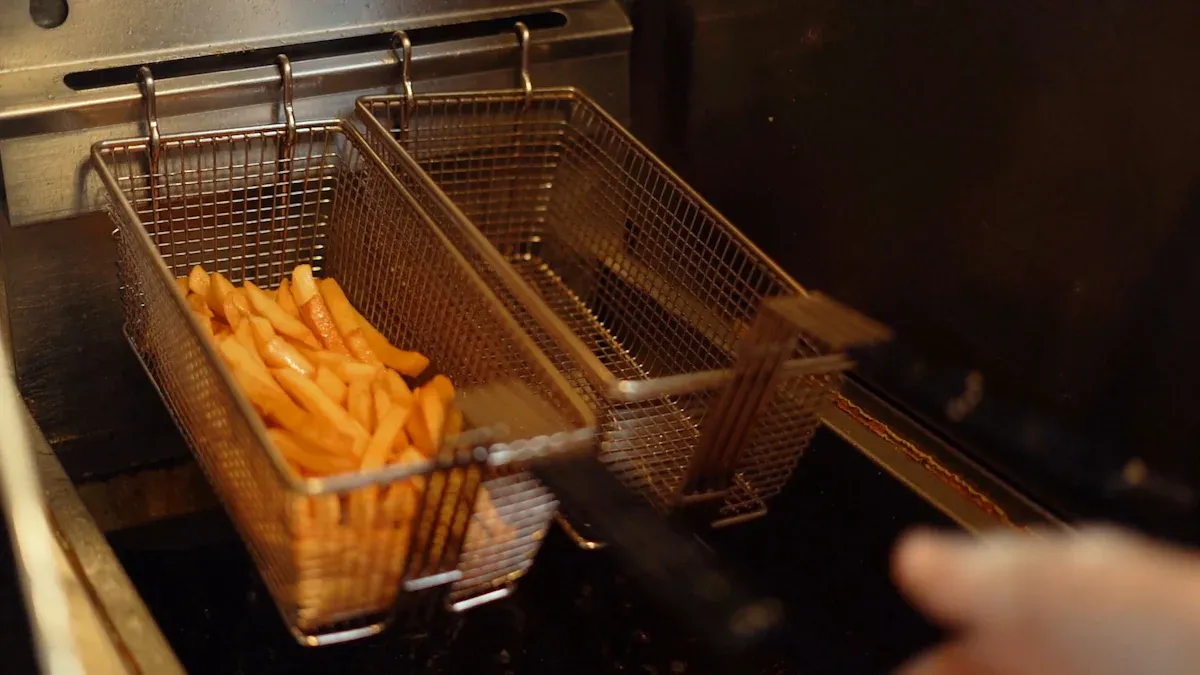
Using the right amount of oil in an air fryer can significantly enhance the cooking process. While air frying reduces the overall oil content in foods, a light coating of oil remains essential for achieving optimal results. Here are some key benefits of using oil:
- Improved Texture: A light layer of oil helps create a crispy exterior on foods like chicken and fries. This crispiness mimics the texture of deep-fried foods without the excess grease.
- Enhanced Flavor: Oil can carry flavors and spices, making dishes more enjoyable. For instance, using olive oil can add a rich taste to roasted vegetables.
- Healthier Cooking: Air frying with minimal oil can reduce calorie intake by up to 80% compared to traditional frying methods. This reduction in fat content aids in weight management and lowers the risk of obesity-related health issues.
Studies show that air-fried foods absorb much less oil than their deep-fried counterparts. For example, air-fried fries contain approximately 1.2% oil, while deep-fried fries can have up to 44.8%. This significant difference indicates that using too much oil can lead to a greasy texture, while using too little can still yield satisfying results.
Recommended Oil Types
Choosing the right type of oil is just as important as the amount used. Here are some recommended oils for air frying:
- Olive Oil: This oil is ideal for its flavor and health benefits. It helps achieve a crunchy golden brown color on breaded items.
- Avocado Oil: With a high smoke point, avocado oil is perfect for high-temperature cooking. It also adds a subtle flavor to dishes.
- Coconut Oil: This oil can impart a unique taste to foods. It works well for recipes that benefit from a hint of sweetness.
- Canola Oil: A neutral option, canola oil is versatile and suitable for various recipes. It has a high smoke point, making it a safe choice for air frying.
When preparing foods like chicken, always lightly coat them with oil or butter. This practice ensures that the breading crisps up nicely and avoids a powdery texture. Users should avoid using too little oil, as this can lead to disappointing results.
Tip 3: Don’t Overcrowd the Air Fryer Basket
Importance of Airflow
Airflow plays a vital role in achieving perfectly cooked meals in an air fryer. When users overcrowd the basket, they restrict the circulation of hot air. This restriction leads to uneven cooking, resulting in some food items being undercooked while others may burn. For instance, when preparing a batch of french fries, overcrowding can cause the fries to stick together. As a result, the hot air cannot circulate effectively, leading to patches of raw or uncooked food or a soggy mess.
To ensure optimal cooking results, maintaining proper airflow is essential. The air fryer relies on rapid air circulation to create that signature crispy texture. When users allow enough space for air to flow freely, they enhance the cooking efficiency and achieve a more satisfying outcome.
How to Arrange Food
Arranging food correctly in the air fryer basket can make a significant difference in cooking results. Here are some best practices to follow:
- Single Layer: Aim to place food in a single layer whenever possible. This arrangement allows hot air to circulate around each piece, ensuring even cooking.
- Leave Space: Ensure there is space between pieces of food. This spacing prevents them from touching and allows for better airflow. For example, when cooking wings or drumsticks, users should leave space between each piece to promote even cooking.
- Shake or Flip: For foods like fries or nuggets, consider shaking the basket or flipping the items halfway through cooking. This practice helps redistribute the food and ensures that all sides receive equal exposure to the hot air.
The following table outlines recommended practices for different food types:
| Food Type | Best Practice | Okay Practice | Too Full Practice |
|---|---|---|---|
| Fries, nuggets, breaded | One loose layer | Thin layer + shake 2–3 times | Piled high or packed tight |
| Wings and drumsticks | Space between pieces | Touching lightly + flip once | Stacked or wedged |
| Vegetables | Single layer | Thin layer + shake | Deep pile (you’ll steam them) |
| Reheating leftovers | Thin layer | N/A | N/A |
By following these guidelines, users can maximize the performance of their air fryer and enjoy consistently delicious meals.
Tip 4: Shake or Flip Food Midway
Ensuring Even Cooking
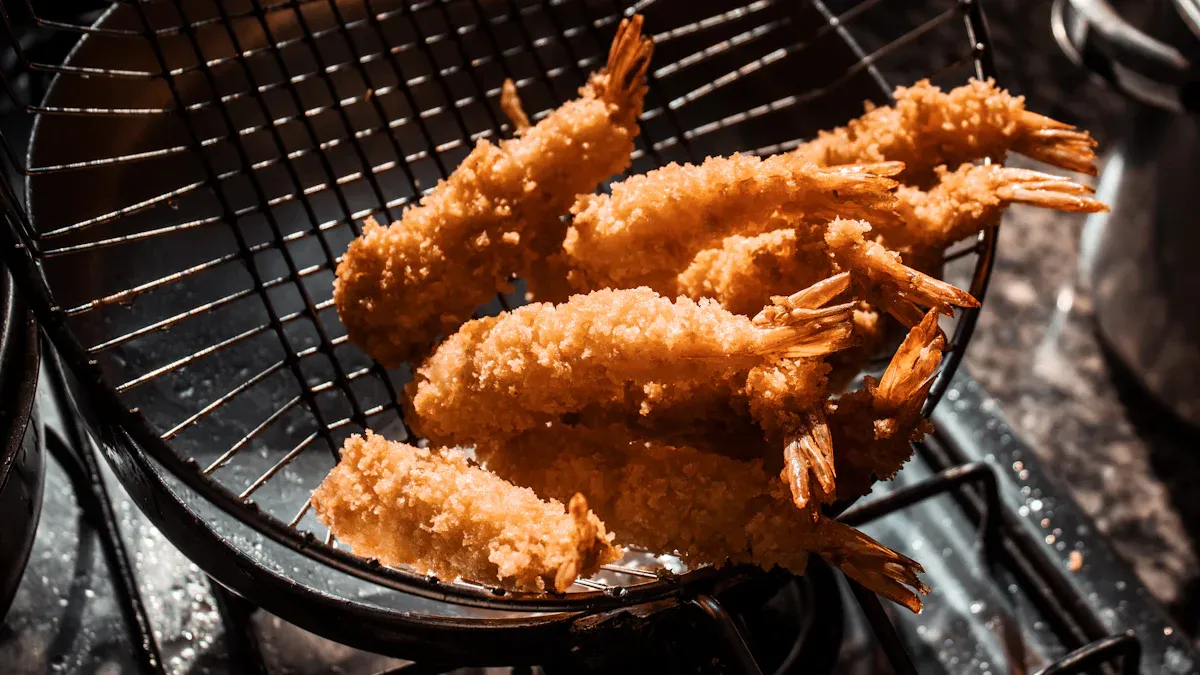
Shaking or flipping food midway through the cooking process is essential for achieving even results in an air fryer. Air fryers circulate hot air, but the confined space limits air movement. The heating elements are positioned above the food, which causes the top to cook faster due to direct heat. Consequently, the fry basket can block some hot air from reaching the undersides of the food. To combat this, larger pieces of food should be turned halfway through cooking, while smaller items benefit from being shaken or tossed to expose new surfaces to heat.
For maximum crispness, users should arrange food in a single layer with space between pieces. Overlapping leads to steaming rather than frying, which diminishes the desired texture. Even if food is not overcrowded, proper arrangement can lead to even cooking without frequent shaking or flipping. However, incorporating these techniques can enhance the overall cooking experience.
Best Practices for Shaking
To effectively shake or flip food in an air fryer, consider the following best practices:
- Use a Timer: Set a timer for halfway through the cooking time. This reminder ensures that users do not forget to shake or flip the food.
- Gentle Movement: When shaking, gently toss the food in the basket. This action allows for even exposure to hot air without damaging delicate items.
- Use Tongs or a Spatula: For larger pieces, use tongs or a spatula to flip them carefully. This method prevents accidental spills and maintains the integrity of the food.
- Monitor Cooking Progress: Keep an eye on the food as it cooks. If it appears to be browning unevenly, a quick shake or flip can help redistribute heat.
By following these practices, users can ensure that their meals come out perfectly cooked and delicious. Regularly shaking or flipping food not only enhances texture but also contributes to a more enjoyable dining experience.
Tip 5: Adjust Cooking Times and Temperatures
Understanding Cooking Adjustments
Adjusting cooking times and temperatures is essential for achieving optimal results in an air fryer. Unlike conventional ovens, air fryers cook food more quickly due to their efficient hot air circulation. Therefore, users must modify traditional recipes to suit this cooking method.
When converting oven recipes to air fryer recipes, consider the following adjustments:
- Reduce the temperature by 25°F to 50°F. This adjustment accounts for the more intense heat generated by the air fryer.
- Cut the cooking time by about 20% to 25%. Air fryers typically cook food faster than ovens, so checking for doneness earlier is crucial.
- Check for doneness at the halfway point. This practice allows users to ensure even cooking and make any necessary adjustments.
By following these guidelines, users can avoid overcooking or undercooking their meals, leading to consistently delicious results.
Common Time and Temperature Guidelines
Understanding standard time and temperature reductions can help users navigate air frying more effectively. The following table outlines recommended adjustments when transitioning from conventional ovens to air fryers:
| Cooking Method | Temperature Adjustment | Time Adjustment |
|---|---|---|
| Conventional Oven | -10 to -20°C | - |
| Delicate Items | -25°C | - |
| General Rule | -25°F | -20% |
These adjustments serve as a reliable reference for various foods. For example, when cooking chicken wings, users should set the air fryer to 375°F instead of the typical 400°F used in ovens. Additionally, they should reduce the cooking time from 30 minutes to approximately 22 minutes.
Tip 6: Experiment with Different Foods in Your Air Fryer
Best Foods for Air Frying
The air fryer excels at cooking a variety of foods, making it a versatile kitchen appliance. Users can achieve delicious results with many ingredients. Here are some of the best foods to try in an air fryer:
- Steaks: Perfect for sealing in flavors, consider trying bacon-wrapped tenderloin or ribeye steak.
- Ground Beef: Ideal for making patties or meatballs, this option is quick and simple for weeknight dinners.
- Bacon: Air-fried bacon offers a delicious breakfast option with less mess.
- Pork Chops: French cut pork chops or pork steaks cook beautifully in the air fryer.
- Vegetables: Carrots, broccoli, cauliflower, and more can be air-fried for healthy options.
- Desserts: The air fryer can also prepare desserts like apple chips and donuts, adding a sweet touch to meals.
Unique Recipes to Try
Air fryers open the door to unique and unexpected recipes that can surprise and delight. Here are some popular options that users have enjoyed:
| Recipe | Description |
|---|---|
| Meatloaf | A juicy, flavorful meatloaf with a crispy outside, perfect for a quick dinner. |
| Grilled Cheese | A classic grilled cheese with a crispy crust and melted cheese, made effortlessly in the air fryer. |
| Corn on the Cob | Sweet and tender corn with a touch of char, prepared quickly in the air fryer. |
| Cheesecake | A creamy cheesecake with a buttery crust, made easily in the air fryer. |
| Apple Crisp | A warm dessert featuring a crispy topping and tender fruit filling, quick to prepare. |
| Brownies | Gooey, fudgy brownies that satisfy chocolate cravings, made in the air fryer. |
| Red Velvet Cookies | Soft and chewy cookies with a hint of cocoa, vibrant in color and taste. |
| Air Fryer S’mores | A fun twist on s’mores, made with marshmallows and chocolate in the air fryer. |
| Air Fryer Avocado Fries | A healthier alternative to traditional fries, crispy and delicious. |
| Air Fryer Churros | Lighter churros rolled in cinnamon, a family favorite. |
| Air Fryer Fried Pickles | Crunchy fried pickles without the Kool-Aid twist, perfect for snacking. |
| Air Fryer Zucchini Chips | Simple zucchini chips, a low-carb alternative to potato chips. |
For those looking to push culinary boundaries, consider trying air fryer fried ice cream or homemade pizza rolls. These dishes showcase the air fryer’s ability to create crispy textures without excessive oil.
Experimenting with different foods and recipes can lead to delightful discoveries. Users should embrace the versatility of the air fryer and enjoy the process of creating new and exciting meals.
Tip 7: Use Accessories Wisely in Your Air Fryer
Recommended Accessories
Using the right accessories can significantly enhance the air frying experience. Here are some recommended accessories that experts suggest for improving performance:
- Disposable Air Fryer Liners: These liners help keep the air fryer clean and reduce the need for scrubbing.
- Grill Pan/Tray: Ideal for grilling and roasting, this accessory expands the versatility of the air fryer.
- Heat-Resistant Tongs: Essential for safely handling hot food, these tongs prevent burns and make serving easier.
- Pizza Pans: Perfect for cooking pizzas, these pans ensure even heat distribution for a crispy crust.
- Reusable Air Fryer Liners: Eco-friendly alternatives to disposable liners, these can be washed and reused.
- Silicone Baking Cups: Great for baking smaller portions, these cups are flexible and easy to clean.
- Silicone Pot: This pot allows for baking and steaming, providing more cooking options.
- Snack Pan Kit: Ideal for preparing snacks, this kit helps organize smaller items.
- Steel Skewer Racks: Perfect for kebabs, these racks maximize vertical space in the air fryer.
- Waffle Mold: This accessory allows users to create delicious waffles with ease.
These accessories not only simplify the cooking process but also expand the range of dishes that can be prepared.
How Accessories Enhance Cooking
Specific accessories can dramatically impact cooking results. For instance, using a perforated stainless steel stacking rack enhances airflow, which is crucial for achieving a crispy texture. This rack prevents sticking, ensuring that food cooks evenly. An adjustable skewer rotisserie is ideal for cooking poultry or kebabs, maximizing vertical space and allowing for more food to be cooked at once.
Additionally, non-stick perforated parchment rounds facilitate proper ventilation while making cleanup easier. This feature is important for maintaining cooking efficiency. An expandable mesh basket insert organizes smaller food items effectively, preventing them from falling through gaps and ensuring even cooking.
Incorporating these accessories into the air frying routine can lead to better texture, flavor, and overall satisfaction with meals. Users should explore various accessories to discover which ones best suit their cooking style and preferences.
Tip 8: Clean Your Air Fryer Regularly
Importance of Cleaning
Cleaning the air fryer regularly is essential for maintaining its performance and ensuring food safety. Neglecting this task can lead to several negative consequences. For instance, dirty air fryers can affect the taste of food, making meals less enjoyable. Additionally, a lack of cleaning can reduce the appliance’s longevity and compromise its functionality. Regular maintenance helps avoid these issues and keeps the air fryer in optimal condition.
Best Cleaning Practices
To keep an air fryer functioning well, users should follow these best cleaning practices:
- Wipe Down After Each Use: After cooking, users should wipe down the exterior and interior surfaces. This step prevents grease buildup and keeps the appliance looking new.
- Deep Clean Monthly: For those who frequently cook greasy foods, a deep clean once a month is advisable. This process involves removing the basket and tray, washing them with warm soapy water, and ensuring all food particles are removed.
- Use Non-Abrasive Cleaners: When cleaning, users should avoid harsh chemicals or abrasive sponges. These can scratch the non-stick surfaces and damage the air fryer.
The following table outlines the average lifespan of an air fryer with regular maintenance:
| Brand Type | Average Lifespan |
|---|---|
| Budget | 1 to 3 years |
| Mid-range | 2 to 4 years |
| Premium (Philips) | 5 years or more |
By adhering to these cleaning practices, users can extend the lifespan of their air fryer and ensure it continues to deliver delicious meals. Appliance manufacturers recommend that users wipe down the air fryer after each use and perform a deep clean monthly if cooking greasy foods frequently. Following these guidelines will help maintain the appliance’s performance and enhance the overall cooking experience.
Tip 9: Monitor Cooking Progress in Your Air Fryer
How to Check for Doneness
Monitoring cooking progress is essential for achieving perfectly cooked meals in an air fryer. Users can employ several methods to ensure food reaches the desired doneness without overcooking.
- Timers: Many digital air fryer models come equipped with built-in timers. These timers help track cooking time effectively, allowing users to focus on other tasks while cooking.
- Alerts: Some air fryers feature alerts that notify users when food is ready or requires attention. This functionality prevents overcooking and ensures meals remain delicious.
- Smart Sensors: Advanced models include smart sensors that monitor temperature and adjust cooking settings automatically. These sensors enhance cooking precision and simplify the process.
- Smartphone Apps: Certain air fryers connect to smartphone apps, enabling remote monitoring and control. This feature allows users to check cooking progress from a distance, adding convenience to meal preparation.
By utilizing these methods, users can maintain control over their cooking process and achieve optimal results.
Using a Food Thermometer
While built-in timers and sensors provide valuable assistance, they may not always offer precise temperature control. Users should consider using an external food thermometer for more accurate monitoring.
- Built-in air fryer timers may not provide the exact temperature needed for specific foods.
- An external thermometer can prevent uneven cooking, especially for larger cuts of meat.
- A reliable thermometer helps achieve consistent cooking results, ensuring that meats reach safe internal temperatures.
For example, chicken should reach an internal temperature of 165°F (74°C) to be considered safe for consumption. Using a food thermometer allows users to verify that the meat is cooked thoroughly without cutting into it, which can release juices and affect texture.
Incorporating these monitoring techniques into the air frying routine can significantly enhance cooking outcomes. By checking for doneness and utilizing a food thermometer, users can enjoy perfectly cooked meals every time. This attention to detail not only improves flavor but also contributes to food safety, making the air frying experience more enjoyable and satisfying.
Tip 10: Keep a Cooking Journal for Your Air Fryer
Benefits of Tracking Your Cooking
Maintaining a cooking journal for the air fryer offers numerous advantages. First, it allows users to document their cooking experiences, helping them identify what works best. By recording successes and failures, they can refine their techniques over time. This practice fosters a deeper understanding of how different foods behave in the air fryer.
Additionally, a cooking journal serves as a valuable reference. Users can revisit their notes to recreate favorite dishes or adjust recipes based on past outcomes. This consistency leads to improved cooking confidence and creativity. Moreover, tracking cooking progress can help users discover new flavor combinations and cooking methods, enhancing their culinary repertoire.
What to Include in Your Journal
When keeping a cooking journal, users should consider including the following elements:
- Recipe Name: Clearly label each entry with the name of the dish. This practice makes it easy to find specific recipes later.
- Ingredients: List all ingredients used, including quantities. This detail helps users replicate successful dishes accurately.
- Cooking Time and Temperature: Record the cooking time and temperature settings. This information is crucial for achieving consistent results.
- Preparation Steps: Outline the steps taken during preparation. This section can include any modifications made to the original recipe.
- Observations: Note any observations during cooking. Users should document how the food looked, smelled, and tasted. This feedback is essential for future adjustments.
- Ratings: Consider adding a rating system to evaluate each dish. Users can rate their meals on a scale of 1 to 5, helping them remember which recipes were hits or misses.
- Future Adjustments: Include a section for potential changes. Users can jot down ideas for improving the recipe or experimenting with different ingredients.
By incorporating these elements, users can create a comprehensive cooking journal that enhances their air frying experience.
Tip: Consider using a digital format for the journal. This approach allows for easy editing and searching, making it convenient to track cooking adventures.
Mastering the air fryer involves several key practices. Users should prioritize preheating, proper oil usage, and food arrangement. They must avoid overcrowding the basket and remember to shake or flip food for even cooking. Regular cleaning maintains optimal performance and prevents residue buildup.
By practicing these tips, users can enhance their air frying experience. Enjoy experimenting with various recipes and techniques.
Share Your Journey: Readers are encouraged to share their personal tips and experiences with air frying. Your insights can inspire others to explore this versatile cooking method!
FAQ
What types of food can I cook in an air fryer?
Air fryers can cook a wide variety of foods, including meats, vegetables, and even desserts. Popular options include chicken wings, french fries, roasted vegetables, and baked goods like cookies and cakes.
How do I prevent food from sticking to the air fryer basket?
To prevent sticking, lightly coat food with oil before cooking. Using parchment paper or silicone liners can also help. Ensure the basket is clean and properly preheated for best results.
Can I use aluminum foil in my air fryer?
Yes, you can use aluminum foil in an air fryer. Ensure it does not block airflow. Use it to line the basket or wrap food, but avoid covering the entire basket.
How do I know when my food is done cooking?
Check for doneness by using a food thermometer. For meats, ensure they reach safe internal temperatures. Visually inspect food for a golden-brown color and crispy texture.
Is it necessary to preheat my air fryer?
Preheating is recommended for optimal cooking results. It helps achieve a consistent temperature, leading to better texture and flavor. Preheat for 3-5 minutes before adding food.
How do I clean my air fryer?
Clean your air fryer after each use. Wipe down the exterior and interior surfaces. Remove the basket and tray, wash them with warm soapy water, and avoid abrasive cleaners.
Can I cook frozen food in an air fryer?
Yes, air fryers can cook frozen food directly. Adjust cooking times and temperatures as needed. Frozen items often require a few extra minutes compared to fresh ingredients.
What should I do if my air fryer smokes?
If your air fryer smokes, check for excess oil or food residue. Clean the basket and tray thoroughly. Ensure you are not overloading the fryer, which can cause overheating.
Post time: Feb-28-2026