
Importing pepper grinders from China can be a lucrative venture for businesses. By working with a reliable pepper grinder supplier, companies can access a wide range of products, including electric mills and traditional models. Understanding market demands is crucial for anyone looking to engage in pepper mill wholesale. Additionally, sourcing bulk pepper grinder options can lead to significant cost savings. Establishing a relationship with a reputable pepper grinder manufacturer ensures quality and consistency in supply.
Key Takeaways
- Understand your business needs before importing. Define your target market to align your strategies with consumer demands.
- Identify key product specifications for pepper grinders. Focus on materials, size, and features that meet customer expectations.
- Set a realistic budget that includes product costs, shipping, and marketing expenses. This helps avoid overspending and ensures informed decisions.
- Find reliable suppliers through online marketplaces, trade shows, and referrals. Evaluate their credibility and product offerings carefully.
- Assess potential suppliers by checking their credentials and experience. Look for established suppliers with a proven track record in the industry.
- Request samples to evaluate product quality before placing bulk orders. This helps ensure the grinders meet your standards for durability and functionality.
- Stay informed about import regulations and safety standards. Compliance is crucial for smooth operations and product reliability.
- Work with freight forwarders to streamline logistics. Their expertise can save time and reduce shipping costs, enhancing your import experience.
Understanding Your Business Needs
Importing pepper grinders from China requires a clear understanding of business needs. This foundational step ensures that importers align their strategies with market demands and operational capabilities.
Defining Your Target Market
Identifying the target market is crucial for successful imports. Businesses should consider the following aspects:
- Demographics: Understand the age, income level, and culinary preferences of potential customers.
- Geographic Focus: Determine whether to target local, national, or international markets.
- Market Trends: Stay informed about trends in kitchenware, especially the growing demand for premium models in urban areas.
The Asia-Pacific region is witnessing rapid growth in the pepper grinder market. This surge is driven by an increase in Western culinary practices. Countries like Japan and Australia lead in specific product demands, while urban consumers in China and India are shifting towards higher-quality kitchenware.
Identifying Product Specifications
Once the target market is defined, importers must identify product specifications that meet consumer expectations. Key specifications include:
| Specification | Details |
|---|---|
| Manual Adjustment | Stepless adjustment for thickness control |
| Materials | ABS, stainless steel, MS, ceramic grinding core |
| Capacity | Approximately 20g of pepper |
| Product Size | 60x186mm |
| Net Weight | 194g (machine) + cup |
| Minimum Order Quantity (MOQ) | 1000 pcs |
| Origin | Ningbo, China |
| Delivery Port | Ningbo or Shanghai |
| Payment Terms | T/T, Western Union, PayPal, L/C |
| Customization Options | Customized logo, packaging |
| Delivery Time | 35 days after deposit |
| Eco-friendly Feature | Yes |
| Highlights | Fast multi-purpose grinder, Type-C charging, LED indicator, ceramic grinding core, stylish design |
Importers should also consider the materials and design of grinders. Ensuring compliance with certification guidelines is essential to avoid potential quality issues with imported products.
Setting a Budget
Establishing a budget is vital for managing costs effectively. Importers should account for:
- Product Costs: Include the price per unit and any customization fees.
- Shipping and Logistics: Factor in freight costs, insurance, and potential tariffs.
- Marketing Expenses: Allocate funds for promoting the product in the target market.
By setting a realistic budget, businesses can make informed decisions and avoid overspending.
Finding Reliable Pepper Grinder Suppliers
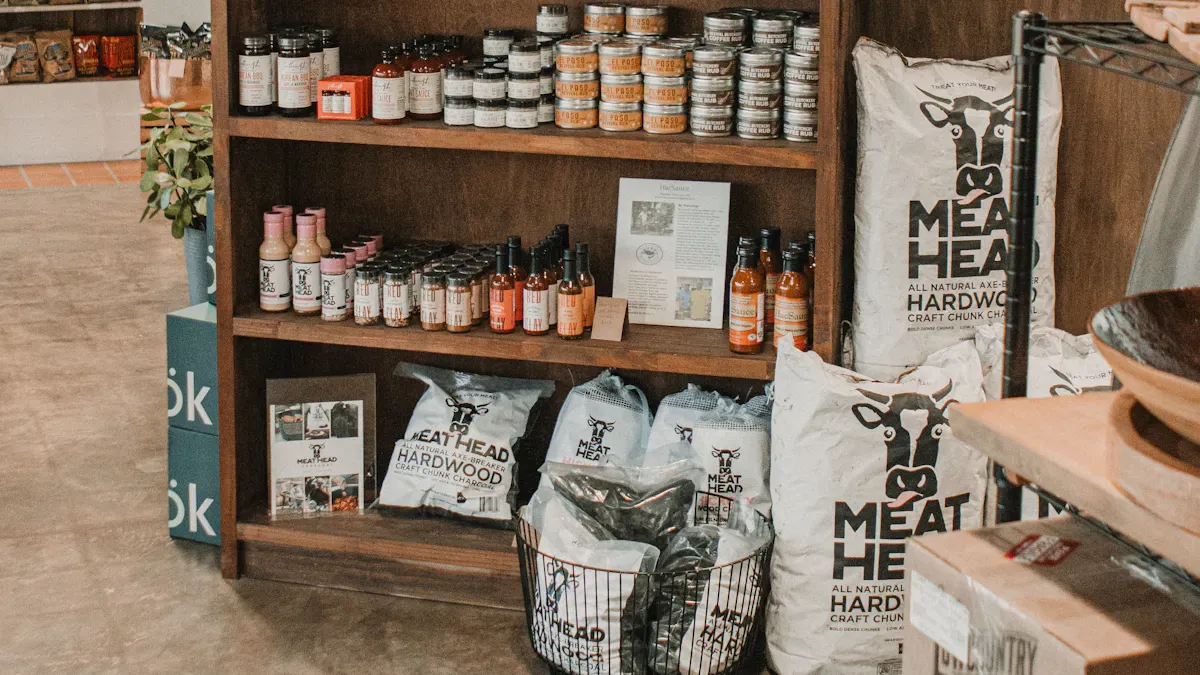
Sourcing pepper grinders from China involves identifying trustworthy suppliers. Importers can explore various avenues to find reliable partners who meet their quality and pricing expectations.
Online Marketplaces
Online marketplaces serve as a convenient platform for connecting with multiple pepper grinder suppliers. These platforms allow importers to compare products, prices, and supplier ratings. Some of the top-rated online marketplaces for sourcing pepper grinders include:
| Supplier Name | Total Revenue | Response Rate | Main Products |
|---|---|---|---|
| Shanghai Linkand Co., Ltd. | US$2.5 Million – US$5 Million | 90.2% | Salt and Pepper Grinder, Lunch Box, Spice Bottle |
| Henan Ocean Power Homewares Co., Ltd. | US$1 Million – US$2.5 Million | 92.8% | 2 in 1 Stainless Steel Manual Spice Pepper Mill, Salt and Pepper Mill Grinder |
These platforms often feature user reviews and ratings, which can help importers gauge supplier reliability. Additionally, many suppliers offer customization options, allowing businesses to tailor products to their brand.
Trade Shows
Attending trade shows is another effective method for finding reliable pepper grinder suppliers. These events provide opportunities to meet suppliers face-to-face, inspect products, and negotiate terms directly. Trade shows also allow importers to stay updated on industry trends and innovations.
Importers should consider the following benefits of attending trade shows:
- Networking Opportunities: Establish connections with manufacturers and other industry professionals.
- Product Inspection: Evaluate product quality firsthand before making purchasing decisions.
- Market Insights: Gain knowledge about emerging trends and consumer preferences.
Directories and Referrals
Utilizing directories and referrals can streamline the search for reliable pepper grinder suppliers. Online directories often list verified suppliers, making it easier to find reputable manufacturers. Importers can also seek referrals from industry contacts or business networks.
When using directories, consider the following tips:
- Verify Supplier Credentials: Check for certifications and compliance with international standards.
- Assess Supplier Experience: Look for suppliers with a proven track record in the pepper grinder market.
- Read Reviews and Testimonials: Gather insights from previous customers to evaluate supplier reliability.
By leveraging these resources, importers can enhance their chances of finding a dependable pepper grinder supplier that meets their business needs.
Evaluating Suppliers
Evaluating suppliers is a critical step in the importing process. Importers must ensure that they partner with reputable pepper grinder suppliers to maintain product quality and reliability. This section outlines essential criteria for assessing potential suppliers.
Checking Company Credentials
Verifying the legitimacy of a pepper grinder supplier involves several key dimensions. Importers should conduct thorough checks to confirm that suppliers meet industry standards. The following table summarizes common verification criteria:
| Verification Dimension | What We Checked | Why It Matters |
|---|---|---|
| On-Site Audit | Independent third-party report (SGS or Bureau Veritas) dated ≤6 months old, including photos of raw storage, grinding area, metal detection, and packaging line | Prevents ‘showroom factory’ deception—where only one line is operational while others are staged for visits |
| Lab Report Consistency | Three consecutive batches (not same-lot retests) showing identical SHU range, moisture ≤10.5%, and aflatoxin B1 ≤1.0 ppb | Exposes labs that ‘adjust’ results or lack stable raw material sourcing |
| Export Track Record | Customs export declarations (with HS code 0904.20) matched to buyer names in EU/US/ASEAN, verified via public databases (e.g., Panjiva, ImportGenius) | Confirms actual export capability—not just theoretical capacity |
| Traceability System | Functional QR code or web portal linking batch number to farm GPS coordinates, harvest date, drying log, and grinding timestamp | Enables rapid recall containment and satisfies FSMA 204 requirements |
| Regulatory Documentation | FDA Facility Registration number (active), EU FBO number, and CIQ Certificate of Origin with bilingual notarization | Non-negotiable for customs clearance; missing elements cause 100% hold rates at U.S. ports |
| Technical Responsiveness | Response time to technical queries (e.g., ‘Can you reduce particle size to 150 mesh without heat buildup?’) under 4 business hours, with engineering-level answers | Indicates internal R&D capacity—not just trading desk operations |
By checking these credentials, importers can mitigate risks associated with supplier reliability and product quality.
Assessing Supplier Experience
Experience plays a significant role in determining a supplier’s capability. Importers should consider the following factors when evaluating supplier experience:
- Years in Business: A supplier with a long history in the industry often demonstrates stability and reliability.
- Product Range: Suppliers that offer a diverse range of products may have more expertise in manufacturing and quality control.
- Client Portfolio: A supplier with established relationships with well-known brands can indicate trustworthiness and quality.
Importers should prioritize suppliers who have a proven track record in the pepper grinder market. This experience can translate into better product quality and customer service.
Reading Reviews and Testimonials
Customer feedback provides valuable insights into a supplier’s performance. Importers should actively seek out reviews and testimonials from previous clients. Here are some effective ways to gather this information:
- Online Reviews: Platforms like Alibaba and Global Sources often feature customer ratings and reviews. Importers can assess overall satisfaction levels and identify potential red flags.
- Social Media: Checking a supplier’s social media presence can reveal customer interactions and feedback. Positive engagement often indicates a reliable supplier.
- Direct References: Requesting references from the supplier allows importers to speak directly with past clients. This conversation can provide firsthand accounts of the supplier’s reliability and product quality.
By thoroughly evaluating suppliers through these methods, importers can make informed decisions and establish strong partnerships with trustworthy pepper grinder suppliers.
Assessing Product Quality

Importance of Samples
Samples play a crucial role in the importing process of pepper grinders. They allow importers to evaluate product quality before committing to a larger order. By requesting samples, businesses can assess various aspects, including:
- Material Quality: Importers can examine the durability and feel of the materials used in the grinder.
- Functionality: Testing the grinding mechanism ensures it meets performance expectations.
- Design and Aesthetics: Samples provide insight into the product’s visual appeal and ergonomic design.
Importers should request samples from multiple suppliers to compare quality and functionality. This practice helps mitigate risks associated with bulk purchases. Additionally, it allows businesses to identify any potential issues early in the process.
Quality Control Standards
Adhering to international quality control standards is essential for ensuring the reliability of imported pepper grinders. Many manufacturers in China comply with various certifications that guarantee product safety and quality. The following table outlines some of the key standards commonly applied:
| Standard Type | Description |
|---|---|
| IEC | Compliance with International Electrotechnical Commission standards |
| CE | European safety certification |
| GB | Chinese National Standard for material composition |
| FSSC22000 | Food safety management system standard |
| ISO9001 | Quality management system standard |
| ISO4001 | Environmental management system standard |
| HACCP | Hazard Analysis and Critical Control Points guidelines |
| SGS | Quality assurance and certification services |
These standards ensure that pepper grinders meet specific safety and quality benchmarks. For instance, compliance with FSSC22000 and HACCP guidelines emphasizes food safety, which is critical for kitchenware products.
Moreover, importers should implement effective quality assurance practices. These practices include:
- Ensuring compliance with cleanliness specifications set by the American Spice Trade Association (ASTA) and the Food and Drug Administration (FDA).
- Monitoring pesticide residues through the FDA’s surveillance program, adhering to tolerance limits established by the Environmental Protection Agency (EPA).
- Maintaining hygiene in harvesting, processing, and storage environments to prevent contamination.
- Using clean and appropriate materials for handling and storing pepper to avoid contamination.
- Controlling moisture content to prevent fungal growth, ensuring it does not exceed 13% by weight.
- Implementing pest control practices and ensuring proper treatment of packaging materials to avoid infestation.
By prioritizing these quality control measures, importers can enhance their product offerings and build a reputation for reliability in the market.
Navigating Regulations
Importing pepper grinders from China involves navigating various regulations. Understanding these regulations ensures compliance and smooth operations.
Import Regulations
Import regulations govern the entry of goods into a country. Importers must familiarize themselves with these rules to avoid delays and penalties. Key aspects include:
- Customs Duties: Importers must pay tariffs based on the product’s value. Tariff rates vary by country and product classification.
- Documentation: Importers need to prepare essential documents, such as:
- Commercial Invoice
- Bill of Lading
- Packing List
- Certificate of Origin
- Import Licenses: Some countries require specific licenses for importing kitchenware. Importers should check local regulations to determine if they need a license for pepper grinders.
Importers can consult with customs brokers to navigate these regulations effectively. Brokers provide expertise in documentation and compliance, helping to streamline the import process.
Compliance with Safety Standards
Compliance with safety standards is crucial for ensuring product safety and quality. Importers must adhere to various regulations that govern kitchenware products. Key safety standards include:
| Standard Type | Description |
|---|---|
| FDA Regulations | Ensure that products meet safety and labeling requirements in the United States. |
| CE Marking | Indicates compliance with European health, safety, and environmental protection standards. |
| ISO Standards | International standards that ensure quality management and safety in manufacturing processes. |
Importers should verify that their suppliers comply with these standards. Requesting documentation, such as test reports and certifications, can help confirm compliance.
Tip: Always keep updated on changes in regulations. Regulatory bodies may revise standards, impacting import processes.
By understanding import regulations and ensuring compliance with safety standards, importers can mitigate risks associated with importing pepper grinders. This knowledge fosters a smoother import experience and enhances product reliability in the market.
Logistics and Shipping
Importing pepper grinders from China involves careful planning around logistics and shipping. Understanding the various shipping methods, working with freight forwarders, and grasping delivery times and costs can significantly impact the overall success of the import process.
Choosing a Shipping Method
Selecting the right shipping method is crucial for timely delivery and cost management. Importers typically consider three primary options:
- Air Freight: This method offers speed, making it ideal for urgent shipments. However, it tends to be more expensive than other options.
- Sea Freight: Sea freight is the most cost-effective choice for large shipments. While it takes longer, it allows importers to save on transportation costs.
- Express Shipping: Services like DHL or FedEx provide fast delivery for smaller packages. This option is convenient but can be costly for larger orders.
Importers should evaluate their specific needs, including budget constraints and delivery timelines, when choosing a shipping method.
Working with Freight Forwarders
Freight forwarders play a vital role in the logistics process. They act as intermediaries between importers and shipping companies, facilitating the movement of goods. Here are some benefits of working with a freight forwarder:
- Expertise: Freight forwarders possess in-depth knowledge of shipping regulations and procedures. They help navigate complex customs requirements.
- Cost Efficiency: They can negotiate better shipping rates due to established relationships with carriers.
- Time Savings: By handling logistics, freight forwarders allow importers to focus on other aspects of their business.
When selecting a freight forwarder, importers should consider their experience in handling kitchenware products and their reputation in the industry.
Understanding Delivery Times and Costs
Delivery times and costs vary based on several factors, including the shipping method, distance, and customs clearance. Importers should anticipate the following:
- Air Freight: Typically takes 3-7 days, but costs can be high.
- Sea Freight: Generally requires 20-40 days, depending on the destination port.
- Express Shipping: Usually delivers within 1-3 days, but at a premium price.
Importers must also account for additional costs, such as customs duties, taxes, and handling fees. A comprehensive understanding of these factors will help businesses budget effectively and avoid unexpected expenses.
By carefully considering shipping methods, collaborating with freight forwarders, and understanding delivery timelines and costs, importers can streamline their logistics process. This approach ensures a smoother experience when importing pepper grinders from China.
Importing pepper grinders from China involves several key steps. First, businesses must focus on sourcing reliable manufacturers. Next, they should prioritize material selection, opting for durable options like stainless steel. Ensuring that suppliers possess ISO certification is crucial for meeting food safety standards. Finally, testing samples allows importers to verify quality and functionality before committing to bulk orders.
Taking informed actions during the sourcing process can lead to successful outcomes. Building strong relationships with suppliers fosters trust and reliability. By following these guidelines, businesses can enhance their import experience and ensure customer satisfaction.
Remember, a well-informed importer is a successful importer!
Post time: Mar-12-2026