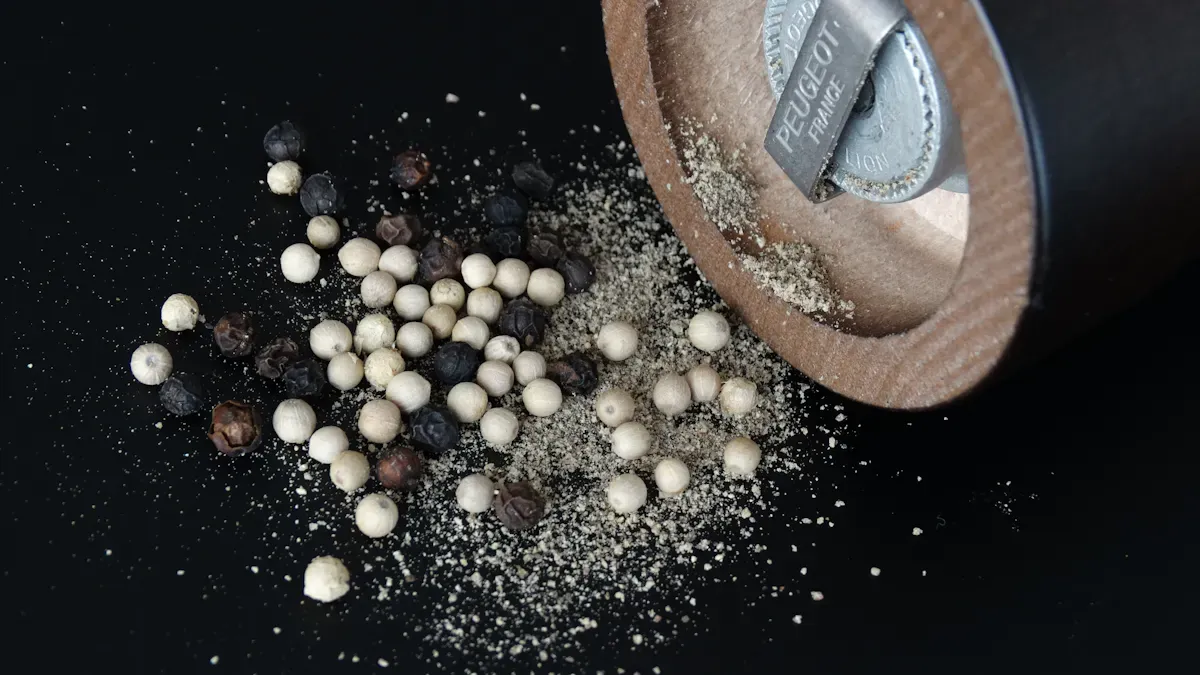
In the pepper grinder industry, OEM (Original Equipment Manufacturer) and ODM (Original Design Manufacturer) play crucial roles. OEM refers to companies that produce products based on specifications provided by other brands, including those looking for a reliable pepper grinder supplier. Conversely, ODM involves manufacturers who design products for brands, which can then be customized, such as those seeking bulk pepper grinder options. For importers and distributors, understanding these terms is vital as they influence sourcing strategies, pricing, and market entry. Choosing the right model, whether it’s a traditional pepper mill or an Electric Mill, impacts cost efficiency, product quality, and time to market. Therefore, making an informed decision is essential for success in the competitive landscape of pepper mill wholesale and for those looking to partner with a reputable pepper grinder manufacturer.
Key Takeaways
- OEM models produce products based on client specifications, while ODM models design and manufacture unique products.
- Choosing OEM pepper grinders offers consistent quality and customization options, enhancing brand identity.
- ODM pepper grinders provide innovative designs and faster time to market, appealing to diverse consumer preferences.
- Consider minimum order quantities and lead times when sourcing; OEMs often have higher MOQs and longer lead times.
- Quality control is crucial; implement measures like sample approvals and production monitoring to ensure reliability.
- Evaluate market demand and consumer trends to tailor product offerings effectively and enhance sales potential.
- Build strong relationships with manufacturers for better transparency and reliability in sourcing.
- Negotiate terms carefully, focusing on pricing, payment terms, and delivery schedules to secure favorable agreements.
Understanding OEM Pepper Grinders

Definition of OEM
An OEM, or Original Equipment Manufacturer, in the context of pepper grinder manufacturing, refers to a product produced by one company but branded and sold by another. This model is prevalent in the kitchenware sector, enabling retailers and brands to market customized pepper grinders under their own name without the need for their own manufacturing facilities. This arrangement allows brands to focus on marketing and sales while relying on established manufacturers for production.
Characteristics of OEM Pepper Grinders
OEM pepper grinders exhibit several distinct characteristics that set them apart from other models. The following table outlines the key material types, their characteristics, advantages, and limitations:
| Material Type | Characteristics | Advantages | Limitations |
|---|---|---|---|
| Stainless Steel | Exceptional strength, corrosion resistance, long-term durability | Ideal for heavy daily use in both home and commercial kitchens | Can be more expensive |
| Hardwood | Warm, natural aesthetic, often used in artisanal and luxury models | Complements traditional and rustic kitchen designs | May require more maintenance |
| Ceramic | Durable, corrosion-resistant, does not rust or react with salt | Optimal for dual-purpose mills (pepper and salt) | Can be more fragile than metal |
| Acrylic | Affordable, transparent for easy monitoring of spice levels | Practical for casual or occasional use | Less durable than other materials |
These materials provide a range of options for importers and distributors, allowing them to select products that align with their brand identity and market demands.
Advantages of OEM Models
Choosing OEM pepper grinders offers importers and distributors several advantages. First, consistent product quality arises from standardized production processes. This reliability is crucial for maintaining customer satisfaction and brand loyalty.
Second, OEM models allow for customization, including logo engraving and packaging options. This flexibility enhances brand identity and meets specific market needs. Importers can design grinders that align with their target audience’s preferences, ensuring a competitive edge.
Additionally, efficient production processes ensure timely delivery and the capacity to handle bulk orders. This capability is vital for maintaining supply chain efficiency, especially for businesses that require large quantities of products to meet demand.
Disadvantages of OEM Models
While OEM models offer numerous benefits, they also present several disadvantages that importers and distributors should consider. Understanding these drawbacks can help businesses make informed sourcing decisions.
- Minimum Order Quantities (MOQs): Many OEM suppliers impose minimum order quantities that can be challenging for smaller businesses. Lower MOQs may appeal to startups, but they often come with longer lead times and potential quality issues. Larger manufacturers typically require higher MOQs, which can be a barrier for new entrants. Some suppliers accept orders as low as 500 units, while others may demand over 1,000 units for custom designs.
- Lead Times: Standard lead times for OEM pepper grinders range from 45 to 60 days. This timeframe can extend further for specific requirements, such as custom packaging or safety certifications. Delays in production can disrupt supply chains and impact market responsiveness. Importers must plan accordingly to avoid stock shortages.
- Quality Control Challenges: Although OEM models can provide consistent quality, they may also lead to quality control challenges. Variability in production standards among different manufacturers can result in inconsistencies. Importers must conduct thorough inspections and establish quality assurance protocols to mitigate these risks.
- Limited Design Flexibility: While OEM models allow for some customization, they often lack the extensive design flexibility that ODM models provide. Importers may find themselves constrained by the manufacturer’s existing designs, limiting their ability to differentiate their products in a competitive market.
- Dependency on Suppliers: Relying on an OEM pepper grinder supplier can create dependency issues. If a supplier faces production delays or quality problems, it can directly affect the importer’s business. Establishing strong relationships with multiple suppliers can help mitigate this risk, but it requires additional effort and resources.
Importers should weigh these disadvantages against the benefits of OEM models. A thorough evaluation of their business needs and market conditions will guide them in making the best sourcing choice.
By understanding these disadvantages, importers and distributors can better navigate the complexities of sourcing OEM pepper grinders and make decisions that align with their strategic goals.
Understanding ODM Pepper Grinders

Definition of ODM
An ODM, or Original Design Manufacturer, serves as both a product designer and a production partner in the pepper grinder industry. They manage the entire product lifecycle, which includes research and development, product design, testing, manufacturing, and supply chain management. ODMs retain intellectual property rights over their designs, allowing them to produce similar products for various clients. This model enables brands to offer unique products without investing heavily in design and development.
Characteristics of ODM Pepper Grinders
ODM pepper grinders possess several defining characteristics that distinguish them from OEM models. Here are some key features:
- Innovative Designs: ODM manufacturers focus on creating unique and functional designs that cater to consumer preferences.
- Adjustable Grinding Coarseness: Many ODM pepper grinders allow users to adjust the grind from fine to coarse. This feature enhances versatility for various culinary applications.
- Quality Materials: ODMs often utilize high-quality materials, ensuring durability and performance. Common materials include stainless steel, ceramic, and high-grade plastics.
- Consumer-Centric Features: These grinders often incorporate features that address specific consumer needs, such as ergonomic handles and easy-to-fill chambers.
Advantages of ODM Models
Sourcing ODM pepper grinders offers several advantages for importers and distributors:
- Versatility: The ability to adjust the grind from fine to coarse caters to different culinary preferences. This adaptability simplifies product selection for distributors and appeals to a broad customer base, including home users and catering professionals.
- Cost-Effectiveness: ODM pepper grinders strike a balance between high quality and affordability. This balance is essential for maintaining stable profit margins, especially in supermarket chains. Supply chain optimization and technological innovation contribute to achieving these dual advantages.
- Streamlined Product Development: By partnering with an ODM, brands can expedite the product development process. ODMs handle design and manufacturing, allowing brands to focus on marketing and sales.
- Reduced Risk: Since ODMs retain intellectual property rights, they can produce similar products for different clients. This flexibility reduces the risk for importers and distributors, as they can explore various market segments without significant investment.
Importers and distributors should consider these advantages when evaluating their sourcing options. ODM models can provide a competitive edge in the pepper grinder market.
Disadvantages of ODM Models
While ODM pepper grinders offer numerous advantages, they also come with certain disadvantages that importers and distributors should consider. Understanding these limitations can help businesses make informed decisions when selecting their sourcing model.
- Higher Initial Costs: ODM models often require a higher upfront investment compared to OEM options. This increased cost stems from the extensive design and development processes involved. For budget-conscious businesses, this initial financial burden can be a significant drawback.
- Weight Considerations: Many ODM pepper grinders feature built-in batteries for electric models, which can make them heavier than traditional non-rechargeable options. This added weight may hinder portability, making these grinders less suitable for outdoor use or travel.
- Charging Requirements: Electric ODM grinders necessitate access to a USB port or charging station. This requirement can limit their usability in outdoor settings, such as camping trips or picnics, where power sources may not be readily available.
- Limited Customization: Although ODMs provide unique designs, they may not offer the same level of customization as some OEM models. Importers may find themselves restricted by the manufacturer’s existing designs, which can limit their ability to differentiate their products in a competitive market.
- Dependency on Manufacturer’s Design: Relying on an ODM means that businesses depend on the manufacturer’s design choices. If the manufacturer decides to discontinue a particular model or alter its design, it can directly impact the importer’s product offerings.
The following table summarizes some of the key disadvantages associated with ODM pepper grinders:
| Disadvantage | Explanation |
|---|---|
| Weight | Built-in batteries make grinders heavier than non-rechargeable options, which can be a drawback for portability. |
| Charging Requirement | Requires access to a USB port or charging station, limiting use in outdoor settings like camping. |
| Initial Cost | Higher upfront investment compared to non-rechargeable models, which may deter budget-conscious businesses. |
Importers and distributors should weigh these disadvantages against the benefits of ODM models. A thorough evaluation of their business needs and market conditions will guide them in making the best sourcing choice.
Comparative Analysis: OEM vs. ODM
Key Differences
The primary distinction between OEM and ODM pepper grinders lies in their production and design processes. OEM models focus on manufacturing products based on specifications provided by brands. In contrast, ODM models take charge of both design and manufacturing, allowing for more innovative and unique products. Importers should consider these differences when selecting a sourcing strategy.
Cost Considerations
Cost structures for OEM and ODM pepper grinders vary significantly. The following table outlines typical pricing and payment terms for each model:
| Category | OEM Pricing | ODM Pricing | Payment Terms | Quality Control |
|---|---|---|---|---|
| Price | US$90.00-92.70 / Piece | US$50,000.00 / Set | T/T, LC | CE, ISO, SGS |
| Minimum Order | 20 Pieces | 1 Set | ISO9001:2015 | |
| Average Lead Time | 1-3 months | 1-3 months |
Importers should note that while OEM models may have lower per-unit costs, ODM models can offer economies of scale through efficient design and production processes. Hidden costs can arise from factors such as internal tooling capacity and component sourcing. For instance, some manufacturers may produce their own motors or PCBs, which can lower overall bill-of-materials (BOM) costs. Additionally, experienced exporters can streamline logistics, reducing hidden fees and delays that inflate landed costs.
Customization Options
Customization options differ significantly between OEM and ODM pepper grinders. The following table summarizes the customization features available for each model:
| Feature | OEM Customization | ODM Customization |
|---|---|---|
| Branding | Custom designs from the restaurant | Existing designs with customization |
| Design Control | Full control over design | Limited to modifications of existing designs |
| Features | Tailored features as per restaurant needs | Standard features with some customization |
Importers can choose from various customization options, including custom logos, slogans, unique artwork using laser engraving, screen printing, and full-color labels. While OEM models provide extensive design control, ODM models offer unique designs with limited customization. This distinction can influence an importer’s decision based on their branding strategy and market positioning.
Importers should carefully evaluate these factors to determine which sourcing model aligns best with their business objectives.
Time to Market
Time to market (TTM) is a critical factor for importers and distributors when selecting between OEM and ODM pepper grinders. TTM refers to the duration it takes to develop a product and bring it to market. This timeframe significantly impacts a business’s ability to respond to consumer demand and capitalize on market trends.
When considering OEM models, importers often face longer lead times. The typical production cycle for OEM pepper grinders ranges from 45 to 60 days. This duration includes the time required for design finalization, manufacturing, and quality assurance. Importers must account for potential delays due to factors such as:
- Supply Chain Disruptions: Issues with raw material availability can extend lead times.
- Quality Control Checks: Thorough inspections may require additional time, especially for custom designs.
- Logistical Challenges: Shipping delays can further prolong the time before products reach retailers.
In contrast, ODM models generally offer a faster time to market. ODM manufacturers handle both design and production, streamlining the process. Importers can benefit from the following advantages:
- Pre-Designed Products: ODMs often have ready-to-manufacture designs, reducing the time spent on initial development.
- Rapid Prototyping: Many ODMs utilize advanced technologies that allow for quick adjustments and iterations, expediting the design process.
- Established Supply Chains: ODMs typically have robust supply chains in place, minimizing delays associated with sourcing materials.
Importers should weigh the importance of TTM against other factors such as cost and customization. A faster time to market can provide a competitive edge, especially in a dynamic industry like kitchenware.
To illustrate the impact of TTM, consider the following table comparing the average lead times for OEM and ODM models:
| Model Type | Average Lead Time | Key Factors Affecting TTM |
|---|---|---|
| OEM | 45-60 days | Custom design, quality checks, logistics |
| ODM | 30-45 days | Pre-designed products, rapid prototyping, established supply chains |
Choosing the Right Option for Your Needs
Assessing Your Business Model
When importers and distributors evaluate their business model, they must consider several factors to determine whether to source OEM or ODM pepper grinders. Key considerations include:
- Assess grinding material options (ceramic, stainless steel, carbon steel).
- Evaluate durability based on grind cycles.
- Check for adjustability features.
- Ensure compliance with relevant standards (RoHS, LFGB, CE, FDA).
- Confirm compatibility with existing products (shaft diameter, thread type).
- Decide on packaging needs (bulk or retail-ready).
- Determine if you need replacement parts or full OEM development.
- Request samples for functional testing.
- Verify certifications with official documents.
- Clarify minimum order quantities, lead times, and payment terms.
- Negotiate after-sales terms, including defect replacement policies.
By carefully assessing these factors, businesses can align their sourcing strategy with their operational capabilities and market positioning.
Evaluating Market Demand
Understanding market demand is crucial for making informed sourcing decisions. Importers should analyze consumer preferences and trends in the pepper grinder market. They can utilize market research tools and customer feedback to gauge demand for specific features, such as:
- Electric versus manual grinders
- Adjustable grind settings
- Aesthetic designs and materials
By identifying popular trends, importers can tailor their product offerings to meet consumer expectations. This approach not only enhances customer satisfaction but also increases the likelihood of successful sales.
Understanding Quality Control
Quality control is a vital aspect of sourcing pepper grinders, whether through OEM or ODM models. Importers must implement robust quality control measures to ensure product reliability and customer satisfaction. Essential quality control measures include:
| Quality Control Measure | Description |
|---|---|
| Sample Approval | Test a minimum of 3 samples under extreme conditions and verify all measurements. |
| Production Monitoring | Require photos at each production stage, visit during runs, and check 10% of units midway. |
| Final Inspection | Conduct third-party or in-person checks, document defects, and ensure all items in the first shipment are inspected. |
| Acceptable Defect Rate | Aim for a defect rate under 1% and establish clear return/remake policies. |
| Penalties for Failed QC | Define penalties for failing to meet quality control standards. |
By establishing these quality control protocols, importers can mitigate risks associated with product defects and ensure that their pepper grinder supplier meets industry standards.
Importers and distributors should prioritize these considerations when choosing between OEM and ODM options. A well-informed decision can lead to enhanced product offerings and improved market competitiveness.
Real-World Examples of Successful Sourcing
Successful sourcing strategies in the pepper grinder market illustrate the effectiveness of both OEM and ODM models. These real-world examples highlight how companies navigate challenges and meet market demands.
One notable case involves Blossom, a manufacturer that successfully customized a Type-C charging port coffee grinder for ALDI. This project required Blossom to align with ALDI’s stringent safety compliance and high-frequency use standards. Through three rounds of requirement confirmation and sample testing, Blossom ensured that the final product met all specifications. This example underscores the importance of thorough communication and testing in the sourcing process.
Importers and distributors can learn valuable lessons from this case. Here are some key takeaways:
- Customization is Key: Tailoring products to meet specific market needs can enhance competitiveness. The European and American markets often have stringent requirements for product functionality, design, and compliance. Customization allows brands to adjust their offerings based on target customer groups, avoiding generic products.
- Clarify Procurement Scenarios: Before initiating sourcing, businesses should clarify their procurement scenarios. This includes deciding between bulk supply and small-batch orders. Understanding the scale of production helps manufacturers allocate resources effectively.
- Identify Compliance Requirements: Importers must identify target market compliance requirements, such as CE or FCC certifications. Ensuring that products meet these standards is crucial for successful market entry.
- Define Core Product Requirements: Establishing core product requirements is essential. For instance, precision adjustment for grinders can significantly impact user satisfaction. Importers should prioritize features that resonate with their target audience.
Another example comes from a well-known kitchenware brand that partnered with an ODM to develop a line of innovative pepper grinders. The ODM utilized advanced design techniques to create ergonomic models that appealed to health-conscious consumers. This collaboration allowed the brand to introduce unique products quickly, capitalizing on emerging trends in the culinary market.
Practical Tips for Importers and Distributors
Building Relationships with Manufacturers
Establishing strong relationships with manufacturers is crucial for importers and distributors in the pepper grinder market. Trustworthy suppliers provide transparency about sourcing, processing, and quality control. Importers should prioritize manufacturers who hold certifications such as Organic, Fair Trade, ISO 22000, or SPICE. These certifications indicate adherence to high standards.
To build effective partnerships, consider the following best practices:
- Choose suppliers who demonstrate reliability and integrity.
- Inquire about testing for contaminants like aflatoxins and heavy metals.
- Request sample batches for quality evaluation before placing large orders.
- Support farms that practice eco-friendly farming and fair labor standards.
- Foster long-term relationships with suppliers who prioritize quality over quantity.
These steps can enhance product quality and ensure a steady supply of pepper grinders.
Negotiating Terms and Conditions
Negotiation plays a vital role in securing favorable terms and conditions with manufacturers. Importers should approach negotiations with a clear understanding of their needs and market conditions. Key aspects to consider include:
- Pricing: Ensure that the pricing structure aligns with budget constraints while maintaining quality.
- Minimum Order Quantities (MOQs): Discuss MOQs to find a balance that suits both parties.
- Payment Terms: Establish clear payment terms to avoid misunderstandings. Options may include upfront payments, net terms, or letters of credit.
- Delivery Schedules: Agree on realistic delivery timelines to ensure timely product availability.
Effective negotiation fosters mutual respect and can lead to better collaboration in the long run.
Ensuring Compliance and Standards
Compliance with industry standards is essential for maintaining product quality and safety. Importers must ensure that their pepper grinder suppliers adhere to relevant regulations. This includes:
- Verifying compliance with safety standards such as CE, RoHS, and FDA.
- Conducting regular audits of manufacturing processes to ensure adherence to quality control measures.
- Staying informed about changes in regulations that may affect product compliance.
By prioritizing compliance, importers can mitigate risks associated with product recalls and enhance their brand reputation.
Importers and distributors should implement these practical tips to strengthen their sourcing strategies. Building relationships, negotiating effectively, and ensuring compliance will lead to successful partnerships and high-quality products.
Managing Logistics and Supply Chain
Effective management of logistics and supply chain processes is crucial for importers and distributors of OEM and ODM pepper grinders. A well-structured logistics strategy ensures timely delivery, minimizes costs, and enhances customer satisfaction. Importers must focus on several key areas to optimize their logistics operations.
- Supplier Selection: Choosing the right suppliers significantly impacts logistics efficiency. Importers should prioritize suppliers with verified on-time delivery records. For instance, Yulin Tongjin Trading Co., Ltd. has a strong reputation for on-time delivery, while Atrih Ningbo offers customization options. Evaluating suppliers based on their performance metrics can lead to better sourcing decisions.
- Communication: Responsive communication is vital in logistics management. Importers should ensure that suppliers respond to inquiries within two hours. Quick response times facilitate smoother operations and help address any issues that may arise during the sourcing process.
- Sample Consistency: Importers must verify the consistency of samples before placing large orders. This step ensures that the final products meet quality expectations. Additionally, packaging durability should be assessed to prevent damage during transit.
- Export Compliance: Before scaling orders, importers should check for export compliance. Ensuring that suppliers adhere to international shipping regulations minimizes the risk of delays and penalties.
- Reorder Rates: Monitoring reorder rates can provide insights into supplier reliability. For example, Yulin Tongjin Trading Co., Ltd. has a reorder rate of 28%, indicating a strong track record of customer satisfaction. Importers should analyze these metrics to make informed decisions about future orders.
| Supplier Name | On-time Delivery | Response Time | Customization Options | Reorder Rate |
|---|---|---|---|---|
| Yulin Tongjin Trading Co., Ltd. | Verified | ≤2h | N/A | 28% |
| Atrih Ningbo | N/A | N/A | Yes | N/A |
By focusing on these logistics and supply chain management strategies, importers and distributors can enhance their operational efficiency. A proactive approach to supplier selection, communication, and compliance will lead to improved product availability and customer satisfaction. Ultimately, effective logistics management is essential for success in the competitive pepper grinder market.
In summary, OEM and ODM pepper grinders differ significantly in design and production processes. OEMs focus on manufacturing products based on client specifications, while ODMs handle both design and manufacturing, offering unique products.
Importers must make informed choices based on their business needs. Consider factors such as cost, customization, and time to market.
Importers should evaluate their specific requirements when sourcing pepper grinders. This evaluation ensures alignment with market demands and enhances competitiveness.
FAQ
What is the main difference between OEM and ODM pepper grinders?
OEM pepper grinders are produced based on client specifications, while ODM grinders involve manufacturers who design and produce unique products for brands.
Are OEM pepper grinders more affordable than ODM models?
Typically, OEM models have lower per-unit costs. However, ODM models can offer better value through innovative designs and features.
Can I customize OEM pepper grinders?
Yes, OEM models allow for customization, including branding and packaging options, to align with your brand identity.
What are the lead times for OEM and ODM pepper grinders?
OEM lead times usually range from 45 to 60 days, while ODM models can be delivered in 30 to 45 days due to streamlined processes.
How do I ensure quality control when sourcing pepper grinders?
Implement robust quality control measures, such as sample approvals, production monitoring, and final inspections, to maintain product reliability.
What factors should I consider when choosing between OEM and ODM?
Consider your business model, market demand, customization needs, and time to market when deciding between OEM and ODM options.
Are there any risks associated with sourcing from OEM or ODM manufacturers?
Yes, risks include dependency on suppliers, potential quality inconsistencies, and limited design flexibility. Conduct thorough research to mitigate these risks.
How can I build strong relationships with manufacturers?
Prioritize transparency, reliability, and communication. Establish long-term partnerships with manufacturers who share your commitment to quality and standards.
Post time: Mar-12-2026