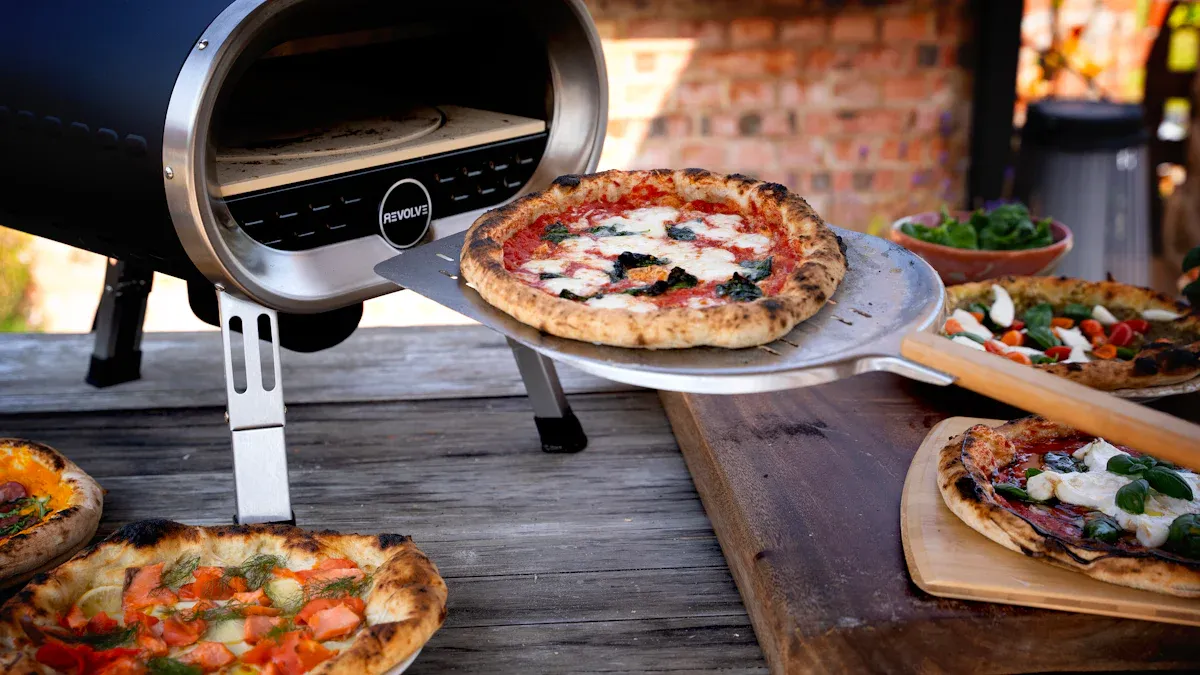
Choosing the right indoor electric pizza oven for individual needs hinges on understanding its key features. This guide will break down the essential features to consider. Consumers often seek these ovens for their ability to reach high temperatures, delivering authentic, restaurant-quality pizzas quickly. An Electric pizza maker offers freedom from outdoor limitations, ensuring perfectly cooked results every time. Selecting the ideal Pizza Oven helps users consistently achieve perfect homemade pizzas tailored to their preferences. This Pizza Maker brings convenience and efficiency to any kitchen.
Key Takeaways
- Choose your pizza oven based on the pizza styles you like to make.
- Think about how often you will use the oven and how much kitchen space you have.
- Set a budget for your oven, as prices change with features and performance.
- High temperatures are important for crispy crusts and fast cooking.
- Look for ovens with good cooking surfaces like pizza stones or steel for better results.
- Check for easy controls, safety features, and good insulation in your oven.
- Clean your pizza stone or steel carefully to make it last longer.
- The best oven for you matches your pizza goals and kitchen needs.
Defining Your Pizza-Making Needs for an Indoor Electric Pizza Oven
Selecting the ideal indoor electric pizza oven begins with a clear understanding of individual pizza-making aspirations. Different culinary goals necessitate specific oven features.
What Pizza Styles Do You Crave?
The type of pizza one desires directly influences the oven selection. Each style demands unique cooking conditions.
Neapolitan Perfection
Achieving authentic Neapolitan pizza requires extreme heat and specific dough characteristics. Genuine Neapolitan dough uses wheat flour, natural yeast, salt, and water, remaining fat-free and sugar-free. Bakers knead the dough by hand or with a low-speed mixer. They form it by hand, ensuring it is no more than 0.25 cm high. This pizza bakes for 60–90 seconds in an oven reaching 485 °C (905 °F). The final crust should be soft, elastic, tender, and fragrant. An indoor electric pizza oven designed for Neapolitan style must reach very high temperatures quickly.
Classic New York Slice
New York-style pizza features a thinner, chewier crust with a crispy bottom. This style typically bakes at slightly lower temperatures than Neapolitan, but still requires consistent, high heat to achieve its characteristic texture.
Deep-Dish Delights
Deep-dish pizza, a Chicago specialty, demands a different approach. It cooks longer at moderate temperatures to ensure the thick crust and abundant toppings cook through evenly. An oven with precise temperature control and consistent heat distribution is crucial for this style.
Thin and Crispy Crusts
For those who prefer thin and crispy crusts, an oven that can achieve a rapid bake at high temperatures is beneficial. This prevents the crust from becoming too chewy and ensures a satisfying crunch.
How Often Will You Use Your Indoor Electric Pizza Oven?
Usage frequency also plays a significant role in determining the best oven.
Occasional Treat Maker
Individuals who plan to make pizza infrequently might prioritize ease of use and compact storage. A basic model with straightforward controls often suffices.
Weekly Pizza Night Host
For those hosting regular pizza nights, durability, consistent performance, and quicker preheat times become more important. An oven that can handle multiple pizzas without significant temperature drops is ideal.
Aspiring Pizza Chef
Serious pizza enthusiasts or aspiring chefs will seek advanced features. These include precise temperature control, superior heat retention, and robust construction to experiment with various doughs and techniques.
Kitchen Space and Storage for Your Indoor Electric Pizza Oven
Practical considerations like kitchen size and storage options are essential.
Countertop Footprint
Kitchens vary in size. Measuring available countertop space ensures the chosen indoor electric pizza oven fits comfortably without cluttering the area.
Portability Needs
Some users may require an oven that is easy to move or transport. Lighter models with convenient handles offer greater flexibility.
Storage Accessibility
Consider where the oven will be stored when not in use. Compact designs or models that can be easily disassembled might be preferable for kitchens with limited storage.
Setting Your Budget for an Indoor Electric Pizza Oven
Establishing a budget for an indoor electric pizza oven guides the selection process. Prices vary significantly based on features, brand, and performance capabilities. Understanding these tiers helps consumers make an informed decision.
Entry-Level Options
Entry-level indoor electric pizza ovens offer a cost-effective introduction to homemade pizza. These models typically focus on basic functionality, providing sufficient heat for decent results without advanced features. Consumers can find budget pizza ovens in the range of $100-$350. These options often feature simpler controls and may take longer to preheat. For example, the Chefman High-Heat Indoor Electric Pizza Oven, an indoor electric model, is listed at a sale price of $499.99 USD, with a regular price of $599.99 USD. This indicates that even some specific indoor electric options, while potentially considered entry-level for their feature set, can fall into a higher price bracket due to brand or specific capabilities. They suit occasional users or those new to pizza making.
Mid-Range Performance
Mid-range indoor electric pizza ovens strike a balance between affordability and enhanced performance. These models often include improved heating elements, better insulation, and more precise temperature controls. They typically offer faster preheat times and more consistent heat distribution, leading to superior crust development and more even cooking. Many mid-range ovens come with a dedicated pizza stone, which significantly improves heat retention and crust crispiness. They cater to weekly pizza night hosts or individuals seeking more reliable results without investing in top-tier equipment.
Premium Features
Premium indoor electric pizza ovens represent the pinnacle of home pizza making technology. These high-end models boast extreme maximum temperatures, often exceeding 800°F (425°C), allowing for authentic Neapolitan-style pizzas in minutes. They feature advanced digital controls, multiple independent heating elements, and superior insulation for rapid temperature recovery. High-quality cooking surfaces, such as thick cordierite stones or steel plates, are standard. Premium ovens also often include integrated thermometers, viewing windows, and robust construction materials for durability and longevity. These ovens target aspiring pizza chefs and serious enthusiasts who demand professional-grade performance and a wide range of cooking versatility. They offer an investment in consistent, high-quality pizza production.
Key Temperature and Heating Features of an Indoor Electric Pizza Oven
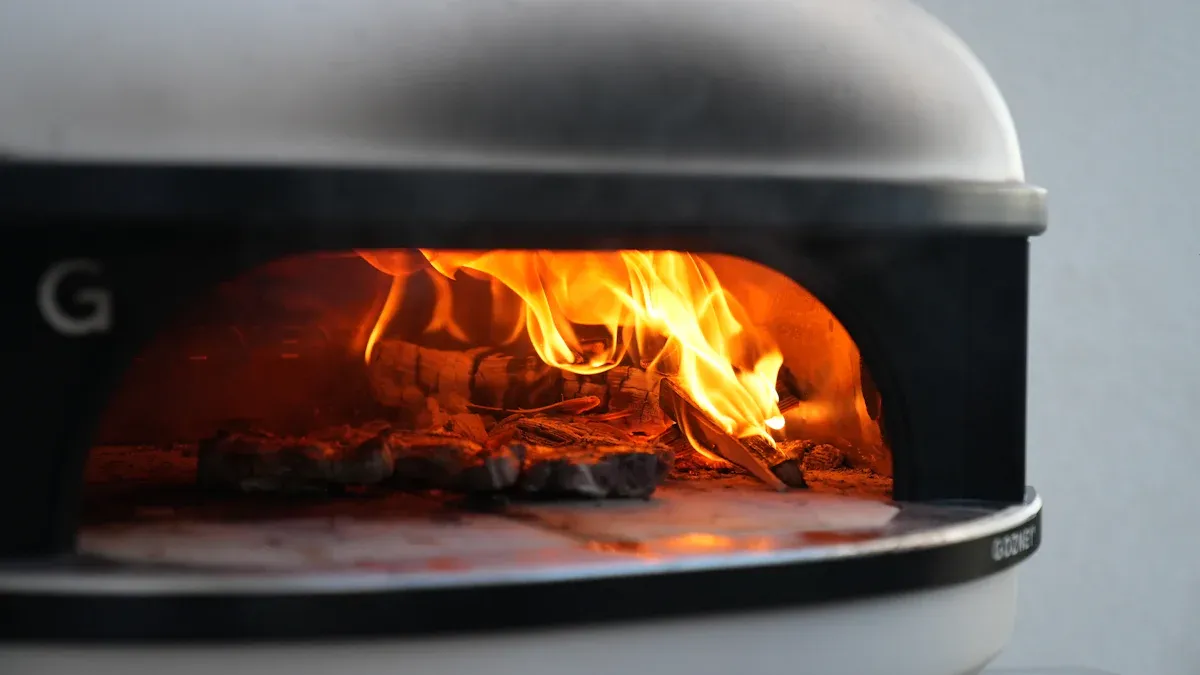
The performance of an indoor electric pizza oven largely depends on its temperature and heating capabilities. These features directly influence the quality and style of pizza it can produce. Understanding them helps users achieve desired results.
Temperature Range and Maximum Heat Output
An oven’s temperature range and maximum heat output are critical specifications. They determine the types of pizzas an oven can successfully bake.
High Heat for Authentic Neapolitan
Authentic Neapolitan pizza requires extremely high temperatures. Many high-end indoor electric pizza ovens meet this demand. For example, the Chefman High-Heat Indoor Electric Pizza Oven reaches temperatures up to 800°F (426°C), with a range from 300°F to 800°F. The Ooni Volt 12 Electric Pizza Oven achieved 850°F during testing, demonstrating a remarkably high temperature range. The Breville Smart Oven Pizzaiolo Pizza Oven also exceeded its stated 750°F. The Yisure Electric Pizza Oven has a maximum temperature range of 380-420℃, which translates to approximately 716-788°F. These high temperatures cook pizzas rapidly, creating the characteristic leopard-spotted crust and airy texture of Neapolitan pies.
Versatility for Various Styles
A wide temperature range offers versatility. It allows users to bake various pizza styles. Lower temperatures suit deep-dish pizzas, which require longer cooking times. Moderate temperatures work well for classic New York-style or thin-crust pizzas. An oven with adjustable temperature settings provides greater control. This adaptability ensures the oven can handle different recipes and preferences.
Impact on Crust Development
Temperature directly impacts crust development. High heat causes rapid oven spring, creating an airy, chewy interior. It also caramelizes the crust quickly, leading to a crispy exterior. Lower temperatures result in a denser crust. They allow more time for moisture to evaporate, which can lead to a crispier, cracker-like texture. The right temperature ensures optimal browning and texture for each pizza style.
Heating Elements and Heat Distribution
The design and placement of heating elements are crucial for even cooking. They ensure consistent heat across the entire pizza.
Top and Bottom Elements Explained
Most indoor electric pizza ovens feature both top and bottom heating elements. The top heating element perfects the toppings. It ensures they cook thoroughly and achieve a desirable char or melt. The bottom heating element ensures even heat distribution for the pizza stone or cooking surface. This dual heating system cooks the pizza from both above and below. It prevents a burnt bottom with undercooked toppings, or vice versa.
Independent Temperature Control Benefits
Some advanced ovens offer independent temperature control for the top and bottom elements. This feature provides precise control over the cooking process. Users can adjust the heat distribution to suit specific pizza types. For instance, a user might increase bottom heat for a crispier crust. They might reduce top heat to prevent cheese from burning. This level of control allows for fine-tuning the bake.
Achieving Even Browning
Effective heat distribution is essential for even browning. Ovens with well-designed heating elements and internal airflow minimize hot spots. This ensures the entire pizza cooks uniformly. The crust browns evenly, and toppings cook consistently. This results in a visually appealing and perfectly cooked pizza every time.
Preheat Time and Temperature Recovery
Preheat time and temperature recovery are practical considerations. They affect convenience and efficiency, especially when making multiple pizzas.
Speed for Spontaneous Pizza Nights
A fast preheat time is beneficial for spontaneous pizza nights. Users do not want to wait a long time before cooking. One model took approximately 20 minutes to preheat to an ambient temperature of 850°F, with the deck reaching 827°F. Another oven required 20 minutes for preheating. A different model took about 30 minutes to preheat. One test indicated a preheat time of just under 30 minutes. Quick preheating allows for faster meal preparation.
Consistency for Multiple Pizzas
Temperature recovery refers to how quickly an oven regains its target temperature after a pizza is removed. This is vital for cooking multiple pizzas consecutively. Ovens with good insulation and powerful heating elements recover faster.
| Oven Type | Recovery Time |
|---|---|
| Gas Deck Oven | Very fast |
| Electric Deck Oven | Moderate to fast |
| Deck ovens with high energy density (e.g., 85,000 BTU/hr per section) | Rebound quickly even with several pies at once |
| Gas deck ovens (up to 140,000 BTU per deck) | Lightning-fast heat recovery for continuous loading |
Some ovens have features like “Power Guard.” If two decks start simultaneously, they take longer (50+ minutes) to reach the target temperature due to shared power. However, if the second deck starts after the first reaches temperature, both achieve normal recovery times (around 30 minutes each). Heavy use of both decks may lead to slightly longer recovery times. “Turbo Mode” helps the oven reach its initial target temperature quickly (e.g., 600°F in about 30 minutes) when first turned on. It is not a recovery feature for ongoing use during busy periods. Fast recovery ensures consistent cooking results for each pizza.
Energy Efficiency Considerations
Faster preheat and recovery times can also impact energy efficiency. An oven that reaches and maintains temperature quickly uses less energy overall. Good insulation helps retain heat, further reducing energy consumption. These factors contribute to a more economical operation of the indoor electric pizza oven.
Cooking Surface and Capacity Considerations for Your Indoor Electric Pizza Oven
The cooking surface and internal capacity of an indoor electric pizza oven significantly influence the quality and size of pizzas it produces. These features directly impact heat transfer to the crust and the overall cooking experience.
Cooking Surface Material: Stone vs. Steel
The material of the cooking surface plays a vital role in how the crust cooks. It affects heat retention and transfer to the pizza dough.
Pizza Stone Advantages (Cordierite, Ceramic)
Pizza stones are popular for their ability to mimic traditional brick ovens. They absorb and retain heat, then transfer it evenly to the pizza crust. Cordierite ceramic offers excellent thermal shock resistance. This prevents cracking under rapid temperature changes. It also exhibits strong high-temperature resistance, working at temperatures up to 1200°C. This makes it suitable for high-temperature pizza operations. Cordierite is more thermally stable than other ceramic materials and stainless steel in food heating applications. This material heats evenly, preventing cold spots in finished pizzas. Its porous nature allows steam to escape, ensuring a crisp, not soggy, pizza bottom. Among pizza stones, cordierite offers the highest conductivity, ranging between 2.5-3 W/mK. This makes it 2-4 times more conductive than chamotte or fire brick, and 6-8 times more conductive than Biscotto.
Pizza Steel Benefits
Pizza steels are another excellent option for cooking surfaces. They conduct heat more efficiently than stones. This means they transfer heat to the pizza crust faster. Steels also retain heat very well, making them ideal for achieving a very crispy bottom crust quickly. They are extremely durable and less prone to breaking compared to stones.
Heat Retention and Transfer Differences
Pizza stones absorb heat slowly and release it gradually. This creates a more even, gentle bake. Pizza steels heat up faster and transfer heat more aggressively. This results in a quicker, crispier crust. The choice between stone and steel often depends on the desired crust texture and cooking speed.
Oven Size and Pizza Capacity
The physical dimensions of an indoor electric pizza oven determine the maximum pizza diameter. They also affect how many pizzas one can cook.
Internal Dimensions and Pizza Diameter
The internal dimensions of the oven dictate the maximum pizza diameter. Most indoor electric pizza ovens are designed for specific pizza sizes. For example, the Gourmia Pizzeria Indoor Pizza Oven features a cooking stone approximately 12.5 inches by 12.5 inches. This oven cooks pizzas with a maximum diameter of 12 inches. Similarly, the Cuisinart Indoor Pizza Oven (CPZ-120) makes 12-inch pizzas. It includes a 12.5-inch pizza stone. Consumers should measure their preferred pizza size to ensure it fits inside the chosen oven.
Single Serve vs. Family Size
Ovens vary in capacity. Some models are perfect for single-serve pizzas, ideal for individuals or couples. Larger ovens accommodate family-sized pizzas, suitable for feeding more people. Consider the typical number of servings needed when selecting an oven.
Accommodating Toppings
The internal height of the oven also matters. A taller oven allows for more generous toppings without touching the heating elements. This prevents burning and ensures even cooking of all ingredients. Consider the types of pizzas one plans to make. This helps ensure the oven has enough vertical space for desired toppings.
User Experience and Safety Features of an Indoor Electric Pizza Oven
An indoor electric pizza oven offers convenience and performance. Its design also prioritizes user experience and safety. These features ensure enjoyable and secure operation.
Controls and User Interface
The control panel is the primary interface between the user and the oven. Its design significantly impacts ease of use.
Manual Dials vs. Digital Displays
Ovens often feature either manual dials or digital displays. Manual dials provide a tactile experience. They are simple and robust. Digital displays offer precise temperature control. They allow for real-time monitoring and adjustment. Modern electric pizza ovens with digital controls, timers, and preset cooking functions enhance the cooking experience.
Preset Cooking Programs
Many ovens include preset cooking programs. These functions contribute to user-friendliness and ease of use. They allow even novice chefs to produce professional-quality pizzas. Preset programs and independent heating element adjustments help achieve the ideal balance between a crispy crust and perfectly melted cheese. They prevent uneven cooking. Precise temperature control makes these ovens ideal for experimenting with delicate recipes and various pizza styles. Users can try thin-crust Neapolitan or gluten-free dough without fear of overcooking or undercooking.
Timers and Alarms
Integrated timers and alarms are valuable features. They help users track cooking progress. An alarm signals when the pizza is ready. This prevents overcooking and ensures consistent results.
Ease of Operation
Simple controls and preset functions make electric pizza ovens incredibly user-friendly. They allow for straightforward operation. This ensures a smooth pizza-making process for everyone.
Ventilation and Smoke Management
Indoor cooking requires careful consideration of ventilation and smoke. Manufacturers design ovens to manage these aspects effectively.
Indoor Safety Considerations
Indoor safety is paramount. High temperatures, around 500 degrees Fahrenheit, require proper oven configuration and use to prevent fire hazards. While commercial kitchens require specific exhaust hoods, home indoor electric pizza ovens incorporate internal designs to manage heat and byproducts safely.
Steam Release Mechanisms
Pizza baking generates steam. Ovens often include steam release mechanisms. These vents allow excess moisture to escape. This prevents soggy crusts and maintains optimal cooking conditions.
Odor Control
Cooking strong-smelling foods like pizza can produce odors. Good oven design minimizes odor dispersion into the kitchen. This ensures a pleasant cooking environment.
Build Quality and Construction Materials
The materials and construction of an oven determine its durability, safety, and aesthetic appeal.
Durability and Longevity
High-quality materials ensure an oven’s durability and longevity. Robust construction withstands frequent use and high temperatures. This provides a reliable appliance for years.
Insulation for Safety and Efficiency
Effective insulation is crucial for safety and energy efficiency. Manufacturers use fiberglass insulation in oven construction. Some ovens use three layers of ceramic fiber to retain heat inside. This prevents the working environment from overheating. It allows external surfaces to remain below 60°C even when the oven reaches 500°C. Additional layers of highly insulating material, resistant to 1200°C, are placed in the lower part of the oven. This prevents heat dispersion. It ensures optimal performance and significant energy savings.
Exterior Finish and Aesthetics
The exterior finish contributes to the oven’s aesthetics. The Gemelli Home Pizza Oven, for example, features black matte metal housing. This provides a sleek and modern look. A well-designed exterior complements kitchen decor.
Matching an Indoor Electric Pizza Oven to Your Specific Pizza Goals
Selecting the ideal indoor electric pizza oven depends heavily on individual pizza-making aspirations. Different users prioritize distinct features based on their culinary objectives. This section guides consumers to the perfect oven for their specific needs.
The Neapolitan Pizza Aficionado’s Indoor Electric Pizza Oven
Neapolitan pizza enthusiasts seek an oven that replicates the intense heat and rapid cooking of traditional wood-fired ovens. Their choice focuses on specific performance metrics.
Prioritizing Extreme Heat
Authentic Neapolitan pizza demands extreme temperatures. The ideal oven reaches 850°F. This high heat cooks a pizza in just two minutes. It creates the characteristic charred crust and airy edges. A dedicated ‘Neapolitan’ cooking mode is crucial. These modes are pre-calibrated for the specific requirements of Neapolitan pizza. They ensure an authentic result. An electric design provides consistent and even heat throughout the cooking chamber. This eliminates the need for manual pizza rotation. Manual rotation is a common issue with other oven types. Smart connectivity and app integration offer precise temperature control. Users can remotely monitor the oven and receive real-time notifications. This allows for effortless management and consistent results, even when multitasking. The oven should also be NFPA-approved for safe indoor use. This offers flexibility for apartment living or various kitchen setups.
Importance of Stone or Steel
The cooking surface is vital for Neapolitan pizza. A high-quality pizza stone or steel is essential. These materials absorb and transfer intense heat directly to the dough. This creates the desired crispy bottom and rapid oven spring. Cordierite stones or thick pizza steels are preferred for their superior heat retention and conductivity.
Rapid Recovery for Multiple Pizzas
Neapolitan pizza cooks quickly. Enthusiasts often make several pizzas in one session. The oven must recover its high temperature rapidly between pizzas. This ensures consistent quality for each pie. Good insulation and powerful heating elements contribute to fast temperature recovery.
The Everyday Family Pizza Maker’s Indoor Electric Pizza Oven
Families making pizza regularly need an oven that is reliable, easy to use, and capable of feeding several people. Their priorities differ from those of a Neapolitan purist.
Focus on User-Friendliness
An everyday family pizza maker values simplicity. The oven should feature non-stick surfaces for easy cleaning. Precise temperature control and a time control or automatic timer simplify the cooking process. These features ensure consistent results without constant supervision.
Consistent Results for All
Families need an oven that delivers reliably good pizza every time. Features like a pizza stone or ceramic plate ensure even cooking and a crispy crust. Consistent heat distribution prevents burnt spots or undercooked areas. This makes pizza night enjoyable for everyone.
Adequate Capacity for Family Meals
The oven’s size is important for family meals. A suitable size for home countertops, such as a 12-inch capacity, is ideal. This allows for making pizzas large enough to share. It also fits comfortably in most kitchens.
The Compact Kitchen Dweller’s Indoor Electric Pizza Oven
Individuals with limited kitchen space require an oven that is efficient and space-saving. Their focus is on practicality without sacrificing performance.
Emphasizing Small Footprint
A compact kitchen dweller needs an indoor electric pizza oven with a minimal countertop footprint. These ovens are designed to fit into smaller spaces. They do not clutter the kitchen. Their sleek designs often blend well with modern kitchen aesthetics.
Portability and Easy Storage
Portability is a key factor. Lighter models with convenient handles are easy to move. They can be stored away when not in use. This is ideal for kitchens with limited permanent counter space. Easy storage solutions, like vertical storage options, are also beneficial.
Efficient Heating in Limited Space
Despite their smaller size, these ovens must heat efficiently. They should reach desired temperatures quickly. Good insulation helps retain heat. This ensures effective cooking even in a compact form factor. These ovens prove that small size does not mean compromised performance.
### The Budget-Conscious Home Cook's Indoor Electric Pizza Oven

Budget-conscious home cooks seek an indoor electric pizza oven that delivers satisfying results without a high price tag. They prioritize essential functions and reliable performance. This approach ensures they make delicious pizzas economically.

#### Identifying Must-Have Features

A budget-conscious home cook identifies core features for effective pizza making. They look for an oven with a reliable heating system. This system should reach temperatures suitable for common pizza styles. A basic temperature control dial is often sufficient. It allows users to adjust heat for different recipes. The cooking surface is also crucial. Many affordable models include a pizza stone. This stone helps achieve a crispy crust. It absorbs and transfers heat efficiently. These cooks often forgo advanced digital displays or multiple preset programs. They focus on manual controls that perform the necessary tasks. Durability is also a must-have. The oven should withstand regular use. It must provide consistent performance over time.

#### Balancing Cost and Performance

Balancing cost and performance involves making informed trade-offs. A lower price point often means fewer luxury features. However, it does not necessarily mean poor quality. Many entry-level indoor electric pizza ovens offer excellent value. They produce good results for classic pizzas. Cooks should research maximum temperature capabilities. They should also check preheat times. Some budget models can still reach temperatures high enough for a decent crust. Or, they might have less precise temperature control. The goal is to find the best possible performance within a defined budget. This often means prioritizing heat output and cooking surface quality over aesthetic design or smart features.

#### Value for Money Considerations

Value for money extends beyond the initial purchase price. It includes the oven's long-term reliability and ease of maintenance. A budget-friendly oven should be easy to clean. This reduces the need for special cleaning products or complex procedures. Consider the oven's energy efficiency. An oven that heats quickly and retains heat well saves on electricity bills over time. This adds to its overall value. [YISURE](https://www.yisure.com/product-category/pizza-oven/), for example, focuses on quality and innovation. This suggests that even their more accessible products aim for durability and performance. A budget-conscious cook evaluates how well the oven meets their specific pizza goals. If they primarily make standard, family-style pizzas, a simpler, more affordable model offers excellent value. It provides consistent results without unnecessary expense.

## Advanced Features and Maintenance for Your Indoor Electric Pizza Oven

Advanced features and proper maintenance significantly enhance the performance and longevity of an indoor electric pizza oven. Understanding these aspects helps users maximize their appliance's potential.

### Integrated Thermometers and Sensors

Modern indoor electric pizza ovens often include sophisticated temperature monitoring tools. These tools provide users with greater control over the cooking process.

#### Precision Temperature Monitoring

Integrated thermometers and sensors offer precise temperature monitoring. They display the exact internal temperature of the oven. This accuracy helps users maintain optimal cooking conditions for various pizza styles. It ensures the oven reaches and holds the desired heat.

#### Enhanced Cooking Control

These sensors provide enhanced cooking control. Users can make real-time adjustments based on precise temperature readings. This prevents undercooking or overcooking. It also allows for experimentation with different crusts and toppings.

### Viewing Windows and Interior Lights

Thoughtful design elements improve the user experience and cooking outcomes. Viewing windows and interior lights are prime examples.

#### Monitoring Progress Without Heat Loss

[A dual-pane viewing window](https://currentbackyard.com/products/the-indoor-essentials) allows users to monitor the cooking progress without losing heat. This feature is crucial for maintaining consistent oven temperature. It helps achieve optimal results. The [combination of a large viewing window and an interior light](https://www.cuisinart.com/shopping/appliances/specialty_appliances/cpz-120/) makes monitoring the pizza easy. This allows for precise control over the baking process. Users can watch their pizza bake. This helps [prevent overcooked crusts or burnt toppings](https://www.everythingkitchens.com/cuisinart-oven-style-indoor-pizza.html). It ensures a perfectly cooked pizza every time.

#### Convenience and Visual Appeal

These features add convenience. They also enhance the visual appeal of the cooking process. Users enjoy watching their pizzas transform. The interior light illuminates the oven cavity. This provides a clear view of the pizza's browning and cheese melt.

### Cleaning and Maintenance Tips for an Indoor Electric Pizza Oven

Proper cleaning and maintenance extend the life of an indoor electric pizza oven. It also ensures consistent performance.

#### Caring for Pizza Stones and Steels

[Caring for pizza stones and steels](https://woodyoven.com/blogs/recipes-guides/how-to-clean-a-pizza-stone-a-slice-of-the-best-cleaning-tips) requires specific steps.
1.  **Preparation**: Ensure the stone is completely cool before cleaning. This prevents cracking from sudden temperature changes.
2.  **Removing Loose Debris**: Use a dry brush or plastic scraper. Gently remove loose food particles and burnt-on food. Avoid damaging the surface.
3.  **Cleaning the Surface**:
    *   **Light Cleaning**: Wipe with a slightly damp cloth or sponge. Avoid excessive water because pizza stones are porous.
    *   **Deep Cleaning**: For stubborn stains, use a damp cloth or sponge with a small amount of mild detergent mixed with water. Rinse thoroughly with clean water to remove all soap residue.
4.  **Drying the Stone**: Air dry the stone completely in a well-ventilated area or a turned-off oven. This prevents mold or mildew growth before its next use.

#### General Oven Upkeep

Regular general upkeep involves wiping down the interior and exterior surfaces. Use a damp cloth to remove food splatters and grease. Ensure the oven is unplugged and cool before cleaning. This keeps the appliance hygienic and looking new.

#### Troubleshooting Common Issues

Users may encounter issues like the oven not heating properly.
1.  [**Pre-Troubleshooting Steps**](https://www.maintwiz.com/learning-center/troubleshooting-industrial-oven-maintenance-repair-guide/): Conduct an initial assessment. Check the power supply. Ensure the oven is plugged in and on. Inspect for visible damage. Take safety precautions. Turn off the power supply before inspection.
2.  [**Check the Bake Element**](https://blog.puls.com/how-to-repair-an-oven-that-isnt-heating-properly): Look for visible blistering or separation. Replace the bake element if present. Test for continuity with a multimeter if no visible damage. Replace if there is no continuity.
3.  **Adjust or Replace Oven Temperature Sensor**: If food is undercooked, overcooked, or cooking unevenly, check if the sensor is bent towards the oven wall. Adjust it. Test the resistance at its probe ends if the problem persists. A reading below 1,100 ohms indicates it needs replacement.
4.  **Replace Oven Thermostat**: If food is over or undercooked, the thermostat might be faulty. Test it with a multimeter. Replace the thermostat if it shows no reading.

---

The ideal indoor electric pizza oven is unique to each user. Individuals must evaluate the discussed features against their personal pizza preferences, kitchen limitations, and financial plan. This careful consideration helps them make an informed decision. They can then confidently choose an indoor electric pizza oven that consistently produces delicious results, tailored to their specific culinary desires.

## FAQ

### What is the ideal temperature for an indoor electric pizza oven?

Ideal temperatures vary by pizza style. Neapolitan pizzas require 800°F (425°C) or higher. New York style often bakes around 550-650°F (290-345°C). Deep-dish pizzas cook at lower temperatures, typically 400-450°F (200-230°C), for longer periods.

### Can users cook different pizza styles in one oven?

Yes, many indoor electric pizza ovens offer versatile temperature ranges. This allows users to bake various styles, from high-heat Neapolitan to lower-temperature deep-dish. Users should check the oven's specific temperature capabilities for versatility.

### How do users clean a pizza stone or steel?

> Allow the stone or steel to cool completely. Scrape off any burnt-on food with a plastic scraper. Wipe the surface with a damp cloth. Avoid soap on stones, as they are porous. Ensure the surface is completely dry before storing.

### Are indoor electric pizza ovens safe for kitchen use?

Manufacturers design indoor electric pizza ovens for safe kitchen use. They feature insulation to keep exterior surfaces cool. Proper ventilation and steam release mechanisms manage heat and moisture. Users should always follow the manufacturer's safety guidelines.

### What is the main difference between a pizza stone and a pizza steel?

Pizza steels conduct heat faster and retain it better than stones. This results in a crispier crust more quickly. Stones absorb heat slower and release it more gradually, mimicking traditional brick ovens. Steels are also more durable.

### How long does it take to cook a pizza in these ovens?

Cooking time depends on the oven's temperature and pizza style. Neapolitan pizzas cook in 60-90 seconds at 800°F+. Thicker crusts or lower temperatures require longer, typically 5-15 minutes. Preheat time also adds to the overall process.

### Do indoor electric pizza ovens require special ventilation?

Most indoor electric pizza ovens do not require special ventilation like commercial hoods. They are designed for standard kitchen environments. However, good kitchen ventilation, such as an extractor fan, helps manage any steam or cooking odors.
Post time: Nov-18-2025