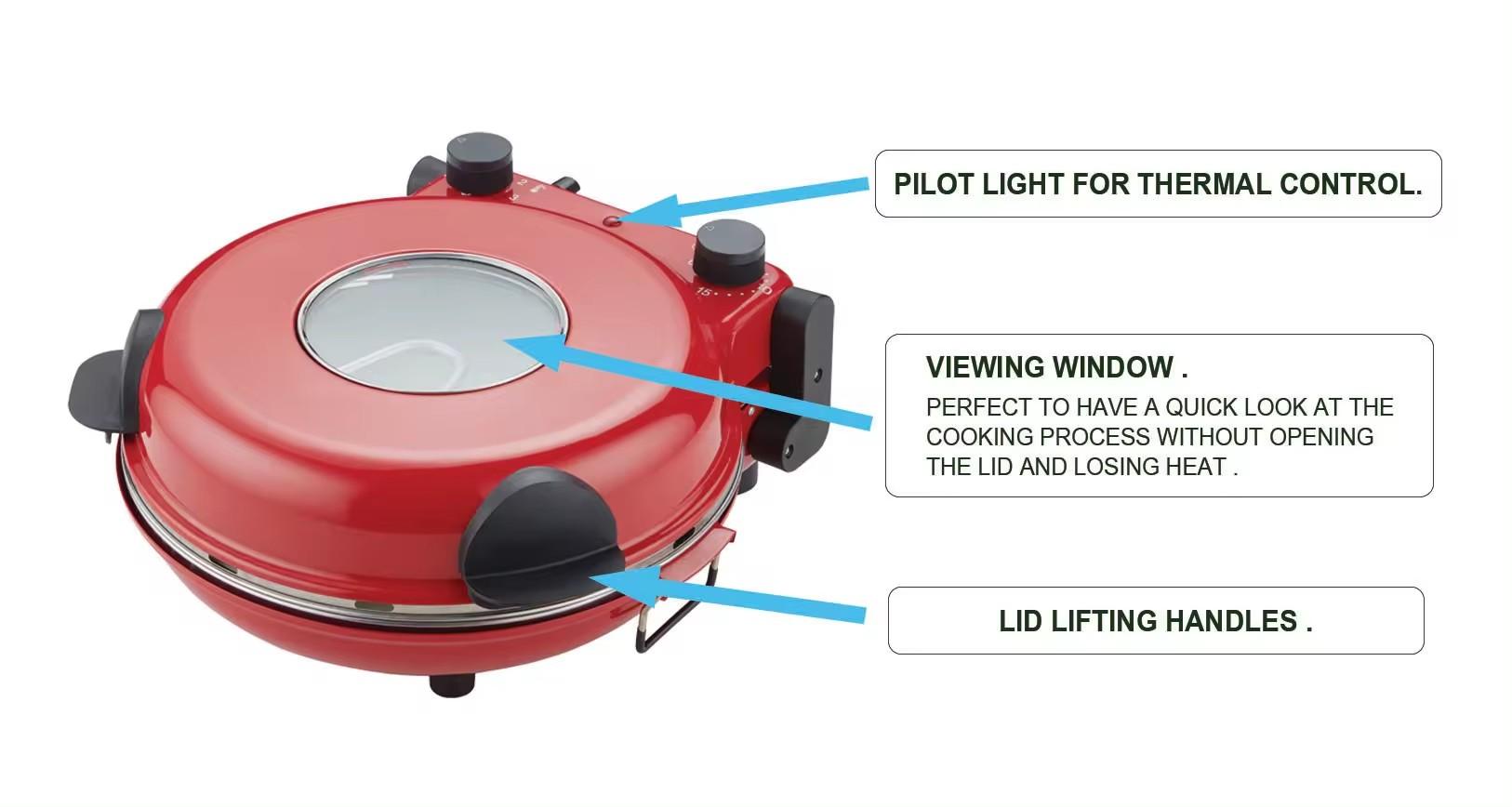
A grimy pizza oven often frustrates users, impacting their cooking experience. This guide reveals the simplicity of achieving a sparkling clean electric pizza maker. It outlines effective methods for Pizza Oven Easy Cleaning, ensuring optimal performance. Users can expect more delicious pizza and a significantly longer-lasting appliance.
Key Takeaways
- Clean your pizza oven often. This makes your pizza taste better and keeps your oven working longer.
- Always unplug your oven and let it cool down. This keeps you safe while cleaning.
- Use soft brushes and plastic scrapers. These tools remove food without scratching your oven.
- Clean your pizza stone carefully. Do not use soap or soak it in water.
- Use mild soap, baking soda, or vinegar for cleaning. Avoid harsh chemicals that can damage your oven.
- Wipe up spills right away. This stops food from getting stuck and hard to clean later.
- A clean oven cooks food evenly. It also uses less energy and helps the environment.
Why a Clean Pizza Oven Matters for Every Pizza Lover
Elevating Pizza Flavor and Quality
Preventing Burnt Residue Taste Transfer
A clean cooking environment is crucial for superior pizza. When grease, carbon, and food debris build up inside an oven, they cause inconsistent cooking temperatures. This directly affects the food’s flavor. These contaminants compromise the taste and overall quality of the pizza. For example, a relative’s restaurant experienced severe grease and carbon buildup from neglecting regular cleaning. This caused the oven to heat unevenly. Pizzas came out partially burnt and partially raw.
Ensuring Pure, Authentic Pizza Taste
Dirty ovens often distribute heat unevenly. This results in pizzas that cook inconsistently. Some parts may be undercooked, while others are overdone. Regular cleaning prevents this. It ensures a pure, authentic pizza taste every time. Maintaining cleanliness is essential for consistent flavor and quality.
Extending Your Pizza Oven’s Lifespan
Avoiding Grease Buildup and Component Damage
Regular cleaning is a vital maintenance step for any appliance. It significantly extends the lifespan of your Yisure Pizza Maker. Grease buildup and food residue can damage internal components over time. These substances can corrode materials and hinder proper function.
Protecting Heating Elements and Internal Mechanisms
Keeping the pizza stone and interior clean protects critical parts. Brushing off leftover food particles after each use, once the oven cools, is highly recommended. Implementing these simple maintenance strategies, including regular cleaning, helps protect heating elements and internal mechanisms. This ensures your Pizza Oven performs reliably for many years.
Enhancing Safety in Your Kitchen
Reducing Fire Hazards from Accumulated Oils
A clean oven also contributes to kitchen safety. Accumulated grease or oil on oven surfaces, racks, or drip pans can ignite. This is especially true when using low smoke point oils at high temperatures. Grease is inherently flammable. Its accumulation increases fire risk, particularly near heating elements.
Minimizing Smoke and Unpleasant Odors
Burnt grease and food residue form carbon deposits. These deposits release a burnt smell. They can also be a fire hazard when heated, especially during preheating or high-temperature cooking. A buildup of oils and other cooking byproducts can ignite, leading to oven fires. Regular cleaning reduces these risks. It minimizes smoke and unpleasant odors, creating a safer and more enjoyable cooking environment.
Understanding Your Electric Pizza Oven’s Design for Easier Cleaning
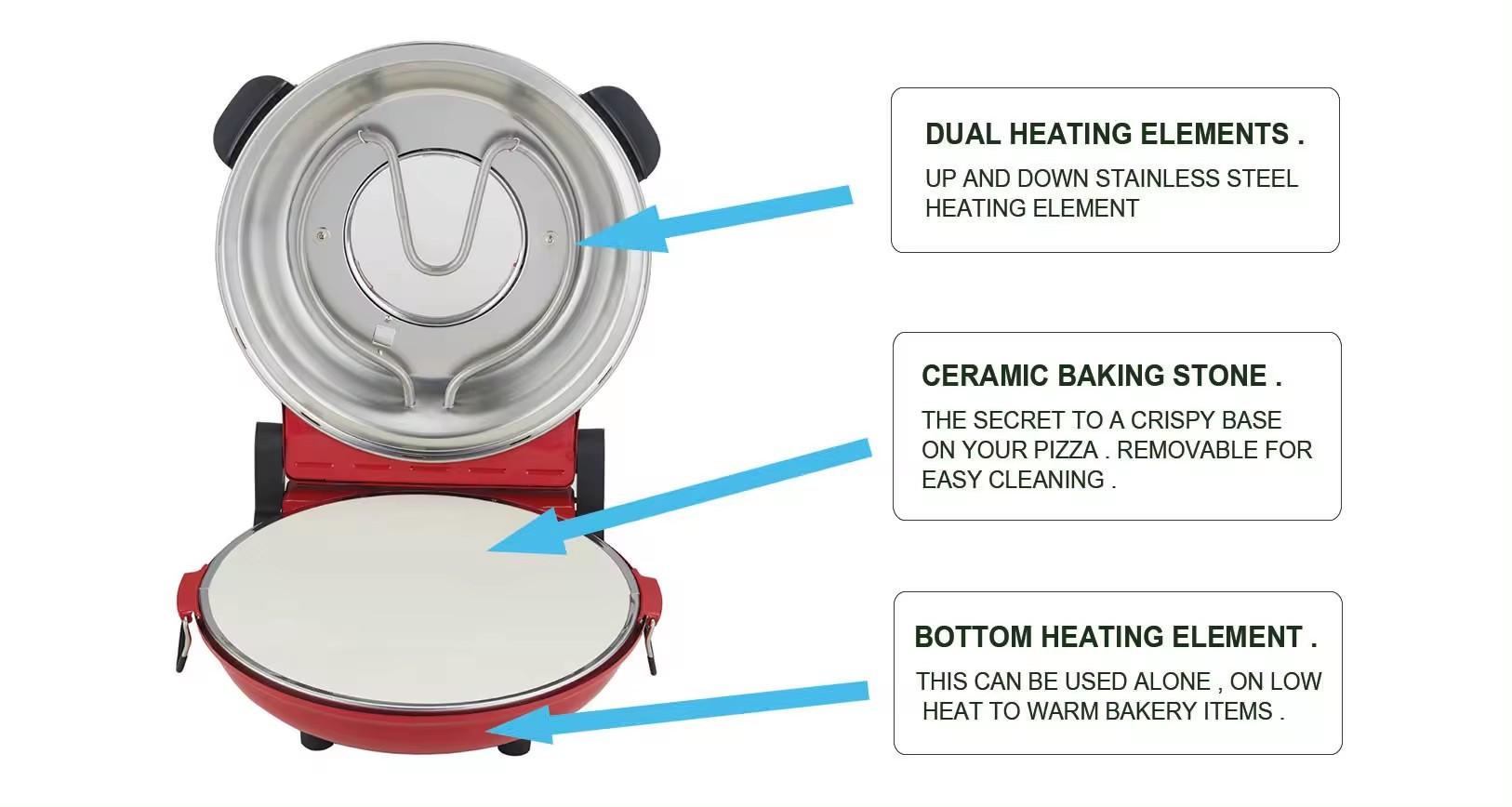
Effective cleaning begins with understanding the appliance’s structure. Knowing the components and materials helps users develop an efficient cleaning strategy. This knowledge ensures thorough maintenance of the Yisure Pizza Maker.
Key Components of an Electric Pizza Oven
Several key parts require regular attention. Each component plays a role in the cooking process and accumulates different types of residue.
The Pizza Stone or Cooking Surface
The pizza stone forms the primary cooking surface. It absorbs moisture and oils during baking. This porous material requires specific cleaning methods to prevent damage and maintain its non-stick properties. The oven floor also falls into this category, often accumulating crumbs and spills.
Heating Elements and Their Location
Heating elements generate the necessary high temperatures. They are typically located at the top and bottom of the cooking chamber. Users must exercise caution around these elements. Direct contact with water or harsh chemicals can cause damage.
Interior Walls and Yisure Pizza Maker’s Viewable Window
The interior walls, corners, and door seals often collect grease splatter and food particles. The Yisure Pizza Maker’s viewing window allows monitoring of the cooking process. This window can accumulate residue, obscuring visibility. Other interior surfaces, such as removable parts, also require regular cleaning.
Materials Used in Your Pizza Oven
The construction materials dictate appropriate cleaning agents and techniques. The Yisure Pizza Maker uses durable materials.
Stainless Steel, Iron, and Aluminum Considerations
The Yisure Pizza Maker features stainless steel, iron, and aluminum construction. These metals offer durability and excellent heat retention. Stainless steel exteriors require non-abrasive cleaners to maintain their shine. Iron and aluminum components, often found internally, withstand high temperatures but can corrode with improper cleaning.
Non-Stick Coatings and Their Care
Some internal surfaces or trays may feature non-stick coatings. These coatings prevent food from adhering. Users must use soft cloths and mild detergents to clean them. Abrasive tools can scratch and damage these delicate surfaces.
How Design Impacts Cleaning Strategy
The oven’s design directly influences cleaning accessibility and areas prone to buildup.
Accessibility of Different Areas
Some areas are easily accessible for cleaning. Others, like vents, fans, and filters, may be harder to reach. The Yisure Pizza Maker’s design prioritizes user-friendly cleaning. However, users must still consider all areas.
Areas Prone to Splatter and Buildup
Certain zones naturally attract more splatter and residue. These include areas around the heating elements, corners, and door seals and hinges. Regular inspection of these spots helps prevent stubborn buildup. A clean Pizza Oven performs optimally.
Essential Tools for a Spotless Electric Pizza Oven
Maintaining a pristine Yisure Pizza Maker requires the right tools. Selecting appropriate cleaning implements ensures effective residue removal without damaging the appliance. This section details the essential tools for achieving a spotless electric Pizza Oven.
For Loose Debris and Crumb Removal
Removing loose debris and crumbs is the first step in any cleaning process. Specific tools make this task efficient and safe for the oven’s interior.
Soft-Bristled Brushes for Pizza Oven Interiors
Soft-bristled brushes are essential for sweeping away loose food particles. For electric deck ovens, which often have shorter chambers, a specialized brush is beneficial. The Gi.Metal electric oven brush, for example, features a lowered profile. This design allows for efficient cleaning and reduces the risk of hitting top heating elements. Its brass bristles effectively clean refractory stone quickly. Some models include a rear stainless steel scraper for enhanced cleaning efficiency. Rotating heads offer more efficient and easier use. Aluminum handles provide lightness without compromising strength, with various lengths to suit different oven depths.
Gentle Scrapers for Baked-On Bits
After brushing, gentle scrapers address baked-on bits. For the oven floor, a durable scraper removes baked-on grease and stuck-on bits. Users should work from back to front. For the pizza stone, wait until it is completely cool. Then, use a plastic scraper to remove stuck food debris. Avoid using soap on pizza stones; it can seep into the porous material and affect pizza flavor. Always ensure the oven is completely cool before using any scrapers. A scraper effectively removes baked-on food without scratching surfaces.
For Wiping and Gentle Scrubbing
Once loose debris and baked-on bits are removed, wiping and scrubbing address remaining grime.
High-Quality Microfiber Cloths
High-quality microfiber cloths are indispensable for wiping surfaces. They absorb spills and polish surfaces without leaving lint. These cloths are reusable and highly effective for general cleaning tasks.
Non-Abrasive Sponges and Pads
For gentle scrubbing, non-abrasive sponges and pads are ideal. A sponge or cloth effectively wipes down the interior and exterior of the oven with a cleaning solution. A non-metallic scraper is suitable for the pizza stone to remove food residue without causing damage. These tools ensure thorough cleaning without scratching delicate surfaces.
Safe and Effective Cleaning Solutions
Choosing the right cleaning solutions is crucial for both effectiveness and safety.
Mild Dish Soap Options for General Cleaning
Mild dish soap is a gentle yet effective cleaning agent. It breaks down grease and food residue without causing harm to the oven’s surfaces. For interior walls and the floor, prepare a warm solution of mild dish soap and water in a spray bottle. Spray the interior, then scrub with a sponge or cloth. This removes grease, food residue, and debris. Clean the exterior of the pizza oven with a damp cloth dipped in a warm solution of mild dish soap and water. This removes grease, dirt, and accumulated debris.
Specialized Electric Pizza Oven Cleaners
Several specialized electric oven cleaners are available on the market. These products are formulated to tackle tough grease and baked-on food. Always ensure any specialized cleaner is safe for use on electric appliances and the specific materials of your Yisure Pizza Maker. Follow the manufacturer’s instructions carefully.
Natural Cleaning Alternatives: Vinegar and Baking Soda
Natural cleaning alternatives like vinegar and baking soda offer effective solutions. Baking soda and water can clean an electric oven. To use baking soda, spray the interior with water until damp. Then, sprinkle a 1/4 inch layer of baking soda on the bottom. Mist dry spots to form a paste. Alternatively, mix baking soda and water to create a loose paste. Coat the bottom and sides of the oven, avoiding heating elements. Leave the baking soda paste on for several hours, preferably overnight. Wipe up the paste with a cloth or old towel; grime should come off. For stubborn grime, multiple applications may be necessary. Ensure all baking soda residue is completely removed before using the oven. This prevents smoking from contact with heating elements. White vinegar or lemon juice can be a final step for cleaning, though it may not always be necessary. Users have confirmed the effectiveness of these methods for stubborn stains, even on materials similar to those found in electric pizza ovens.
Application and Personal Protection
Proper application of cleaning solutions and personal protection are crucial steps. They ensure effective cleaning and user safety. These practices prevent damage to the appliance and protect the cleaner.
Spray Bottles for Even Solution Distribution
Spray bottles offer an efficient method for applying cleaning solutions. They ensure even distribution across surfaces. This even coverage allows the cleaning agent to work uniformly on grime and residue. Users can mix mild dish soap solutions or natural alternatives like vinegar and water in a spray bottle. This method minimizes waste. It also prevents over-saturation of sensitive components. For instance, spraying interior walls allows the solution to cling to vertical surfaces. This provides better contact time for dissolving grease. An even spray also helps avoid puddles. Puddles can potentially seep into electrical components.
Protective Gloves for Hand Safety
Wearing protective gloves is essential during the cleaning process. Cleaning solutions, even mild ones, can irritate skin. They can also dry out hands. Gloves create a barrier between the skin and cleaning agents. This protects against chemical exposure. They also offer protection from sharp edges or abrasive residues inside the oven. Users should choose gloves made from durable materials like rubber or nitrile. These materials provide good dexterity. They also resist punctures. Protecting hands ensures a safer and more comfortable cleaning experience. It also prevents potential skin reactions.
Step-by-Step Guide to Easy Electric Pizza Oven Cleaning
Maintaining a clean electric pizza maker ensures optimal performance and longevity. This step-by-step guide outlines an effective cleaning process. It helps users keep their appliance in pristine condition.
Prioritizing Safety First
Safety always comes before cleaning. Proper precautions protect both the user and the appliance.
Always Unplug Your Pizza Oven
Before starting any cleaning task, users must disconnect all electrical connections. This crucial step prevents electrical hazards. It ensures the appliance cannot accidentally turn on during cleaning. Unplugging the unit safeguards against electric shock.
Allow the Pizza Oven to Cool Completely
Users must ensure the oven is completely cool before cleaning. This typically takes 2-3 hours after its last use. Cleaning a hot oven can cause severe burns. It can also damage heating elements. Allowing the appliance to cool prevents these risks.
Initial Debris Removal
Removing loose debris is the first physical step in the cleaning process. This prepares the oven for deeper cleaning.
Brushing Out Loose Crumbs and Burnt Bits
Once the electric pizza oven is completely cold, users can begin sweeping out crumbs and burnt bits. They should sweep these from the oven floor and racks. For pizza stones, after they are fully cooled, users scrape off any baked-on food or crumbs. A stiff brush or scraper works well for this task. This initial sweep removes the majority of loose residue.
Using a Small Handheld Vacuum for Fine Debris
After brushing, a small handheld vacuum can effectively remove fine debris. This includes tiny crumbs or dust particles that a brush might miss. A vacuum ensures a thorough removal of all loose matter. It prepares the surfaces for wiping.
Tackling the Pizza Stone and Cooking Surface
The pizza stone and cooking surface require specific attention. Their porous nature demands careful cleaning methods.
Gentle Scraping of Baked-On Residue
Users should gently scrape any baked-on residue from the pizza stone. A plastic scraper or a nylon brush works best. These tools remove stubborn bits without damaging the stone’s surface. They help dislodge cooked-on cheese and other tough spots. Users should feel for unseen debris, especially on dark stones.
Wiping with a Damp Cloth (Avoid Soaking)
After scraping, users can wipe the stone with a damp cloth. This removes any remaining particles. It is crucial to avoid soaking the pizza stone. The porous nature of the stone means it can absorb liquids. Soaking can ruin its integrity and ability to cook a crispy crust. A damp cloth provides enough moisture for cleaning without saturation.
Specific Care for Pizza Stones (No Harsh Chemicals)
Pizza stones require specific care. Harsh chemicals can damage them.
Tip for Pizza Stone Care:
- Allow the stone to cool completely: This prevents cracking from sudden temperature changes.
- Scrub with a nylon brush: Remove loose food particles and debris.
- Scrape off stubborn residue: Use a spatula or nylon brush for cooked-on cheese and other tough spots.
- Wipe away residue: Use a damp cloth to clean off any remaining particles.
- Air dry: Let the stone air dry on a rack. Then, wipe it with a dish towel or microfiber cloth to remove any lingering moisture or crumbs.
- For burnt-on food: Apply a paste of baking soda and water. Then, repeat the cleaning process.
Users should avoid several practices when cleaning a pizza stone:
- Do not clean while hot: Placing a hot stone under cold water can cause it to crack.
- Do not use a dishwasher: Pizza stones should always be hand-washed.
- Avoid metal tools: Use cleaning tools made of nylon, silicone, or other soft materials to prevent scratching the surface.
- Do not use soap: Soap can damage the stone’s integrity.
- Do not use the oven’s self-cleaning cycle: This exposes the stone to excessively high temperatures that can be damaging.
- Do not submerge in water: The porous nature of the stone means it can absorb liquids. This can ruin its integrity and ability to cook a crispy crust.
- Do not oil the pizza stone: Unlike cast iron, a pizza stone does not need to be seasoned.
Essential tools for pizza stone care include a silicone pan scraper, dish cloths, a nylon brush, baking soda, and a drying rack.
Cleaning the Interior Walls and Heating Elements
After addressing the pizza stone, users must turn their attention to the interior walls and heating elements. These areas often accumulate grease splatter and food residue. Proper cleaning ensures the oven’s efficiency and hygiene.
Gentle Wiping of Interior Walls with Damp Cloth
Users should begin by gently wiping the interior walls. A damp cloth, moistened with a mild dish soap solution, works effectively. This step removes loose grime and fresh splatters. It prepares the surfaces for deeper cleaning.
Spot Cleaning Splatter Marks
For stubborn splatter marks and baked-on grime, a baking soda paste offers an excellent solution. Users can create this paste by combining about half a cup of baking soda with a few tablespoons of water. They should spread this paste on the oven’s interior surfaces, focusing on heavily soiled areas. Allowing the paste to sit overnight helps break down caked-on messes. After the baking soda has set, users wipe down the interior with a damp cloth or sponge. Stubborn spots may require gentle scrubbing with a non-abrasive sponge. For a final shine and fresh smell, users can spray white vinegar inside the oven. This reacts with any leftover baking soda. They then wipe it away with a clean cloth.
Avoiding Direct Water Contact with Heating Elements
Users must exercise extreme caution around heating elements. They should explicitly avoid applying baking soda paste or any cleaning solution directly to these components. Water or harsh chemicals can damage heating elements. Users should also avoid scrubbing heating elements with abrasive tools. This can scratch them and reduce their lifespan. The goal is to clean around these elements without direct contact.
Polishing the Exterior of Your Pizza Oven
The exterior of the Yisure Pizza Maker also requires attention. A clean exterior enhances the appliance’s appearance and maintains its professional look.
Wiping Down with a Microfiber Cloth
Users should wipe down the exterior with a clean microfiber cloth. This removes dust and light smudges. A damp cloth can tackle more persistent dirt.
Removing Fingerprints and Smudges from Stainless Steel
For stainless steel surfaces, users can employ specialized cleaning techniques. An environmentally-friendly and biodegradable cleaner, such as Simple Green™ BBQ Cleaner, works well. Users spray the cleaner and wipe it with soft shop towels. They apply firm pressure for most stains. For tough spots like burnt-on oils or drippings, Bar Keepers Friend® powder cleanser is effective. Users scrub with the grain of the stainless steel to remove stains, including heat discoloration. They rinse off any residue with water. Finishing with a stainless steel polish, such as Claire’s, removes cleaner residue and shines the oven.
Cleaning the Yisure Pizza Maker’s Viewable Window
The Yisure Pizza Maker’s viewing window can accumulate residue, obscuring visibility. Users can clean this window with a damp cloth and a mild glass cleaner. They should spray the cleaner onto the cloth, not directly onto the window. This prevents overspray from reaching internal components. Wiping the window thoroughly ensures clear visibility during cooking.
Final Drying and Reassembly
The final steps involve ensuring thorough drying and proper reassembly. These actions are critical for the appliance’s safety and performance.
Ensuring Thorough Air Drying to Prevent Moisture Damage
After cleaning, users must ensure the Pizza Oven is completely dry. Pizza stones are porous and can absorb substances. If not completely dry, residual cleaning agents can seep into the stone. This can affect the flavor of subsequent pizzas. Proper drying is crucial for the stone to function as intended when reinstalled. Users should allow all components, especially the pizza stone, to air dry fully. This prevents any moisture-related problems that could arise from its porous nature.
Reassembling Any Removable Parts
Once all parts are thoroughly dry, users can reassemble any removable components. This includes the pizza stone, racks, and trays. They should ensure all parts fit correctly. This prepares the Yisure Pizza Maker for its next use.
Pro Tips for Maintaining a Pristine Pizza Oven
Maintaining a clean electric Pizza Oven extends its life and enhances cooking results. Implementing simple habits makes a significant difference. These proactive measures keep the appliance in top condition.
Regular Wiping After Each Use
Immediate action after cooking prevents grime from hardening. This simple step saves time and effort later.
Quick Clean-Up of Spills and Splatters
Users should wipe down interior surfaces with a damp cloth once they have cooled completely. This simple action helps lift grease and residue. It contributes to the overall cleanliness and performance of the oven. This quick clean-up prevents small spills from becoming stubborn, baked-on messes.
Preventing Buildup from Becoming Stubborn
Regular wiping offers multiple benefits. It removes burnt cheese, old crumbs, and grease. These elements can cause unpleasant odors and bitter tastes, ensuring the true flavor of your pizza. Debris and soot can create hot spots or hinder even heat distribution. This leads to unevenly cooked pizza. Regular wiping helps maintain consistent heat. Grease and food debris are fire hazards, especially in high-temperature ovens. Wiping reduces this risk. Accumulated grease, ash, or food particles can damage surfaces and components. This shortens the oven’s life. Regular cleaning, including wiping, helps preserve it. A clean oven heats up faster and maintains temperature more effectively. This reduces energy consumption and cooking time.
Preventative Measures During Cooking
Proactive steps during the cooking process minimize mess. These methods reduce the need for extensive cleaning later.
Using Parchment Paper for Less Mess
Placing parchment paper under your pizza catches drips and spills. This prevents cheese and toppings from baking directly onto the stone or oven floor. It simplifies cleanup significantly.
A Sprinkle of Cornmeal to Prevent Sticking
A light dusting of cornmeal on the pizza peel or stone prevents dough from sticking. This ensures easy transfer and reduces burnt-on residue. It also contributes to a crispier crust.
Avoiding Overfilling Your Pizza
Overfilling a pizza often leads to toppings spilling over the edges. These spills bake onto the oven surfaces. Users should avoid excessive toppings to keep the cooking area cleaner.
Establishing a Deep Clean Schedule for Your Pizza Oven
Regular deep cleaning ensures optimal performance and hygiene. A consistent schedule prevents major buildup.
How Often for Optimal Performance and Hygiene
Users should establish a deep clean schedule based on usage frequency. For frequent use, a monthly deep clean is advisable. Less frequent use may allow for quarterly deep cleaning. This schedule maintains optimal performance and hygiene.
Recognizing Signs It’s Time for a Deep Clean
Several signs indicate a need for deep cleaning. Visible grease buildup, persistent smoke during cooking, or unpleasant odors are clear indicators. A noticeable decrease in cooking efficiency also suggests it is time for a thorough cleaning.
What NOT to Do When Cleaning Your Pizza Oven
Proper cleaning techniques are crucial for maintaining your Yisure Pizza Maker. Knowing what to avoid is as important as knowing what to do. Incorrect methods can damage the appliance, reduce its lifespan, or even pose safety risks.
Avoiding Abrasive Cleaners and Scouring Pads
Abrasive cleaners and scouring pads can cause irreversible damage to your electric pizza oven. These materials scratch surfaces, especially stainless steel exteriors and non-stick coatings. Scratches not only diminish the aesthetic appeal but also create rough areas where food particles and grease can accumulate more easily. This makes future cleaning more difficult. Always opt for soft cloths, non-abrasive sponges, or gentle brushes.
Saying No to Steel Wool on Any Surface
Steel wool is particularly damaging. Its harsh fibers can deeply scratch metal surfaces, including stainless steel, iron, and aluminum components. On non-stick coatings, steel wool can completely strip the protective layer, rendering it ineffective. This leads to food sticking and potential flaking of the coating. For baked-on residue, use a plastic scraper or a nylon brush instead. These tools effectively remove grime without causing surface damage.
Never Submerging Electrical Components in Water
Electrical safety is paramount. Never submerge any part of your electric pizza oven that contains electrical components in water. This includes the main unit, heating elements, and power cords. Water can cause short circuits, electrical malfunctions, or permanent damage to the appliance. It also creates a significant risk of electric shock. Always unplug the unit and use only damp cloths for cleaning interior and exterior surfaces, carefully avoiding direct contact with electrical parts.
Warnings Against Harsh Chemical Oven Cleaners
Harsh chemical oven cleaners are generally unsuitable for electric pizza ovens. These powerful chemicals can corrode internal materials, damage non-stick coatings, and leave behind residues. These residues can emit toxic fumes when the oven heats up, affecting food flavor and posing health risks. For the pizza stone specifically, never use any detergent or cleaning agent. The porous nature of the stone absorbs chemicals, which can then leach into your food during cooking. Similarly, never soak the pizza stone in water, and never rinse it under running water. Excessive moisture can weaken the stone, leading to cracking or crumbling over time. Stick to mild, food-safe cleaning solutions or natural alternatives like baking soda and vinegar for general cleaning.
Advanced Cleaning Techniques for Stubborn Pizza Oven Messes
Even with regular maintenance, stubborn messes can occur. These require more focused cleaning techniques. Addressing these issues promptly maintains the appliance’s performance and hygiene.
Dealing with Stubborn Baked-On Cheese
Baked-on cheese presents a common challenge. Its sticky nature makes removal difficult without proper methods.
Gentle Scraping with a Plastic Scraper
Users should begin by gently scraping the baked-on cheese. A plastic scraper effectively lifts hardened residue without damaging surfaces. This tool is particularly useful for the pizza stone or interior walls. It dislodges the bulk of the cheese.
Applying a Damp Cloth to Soften Residue
After scraping, users can apply a damp cloth to the affected area. This helps soften any remaining residue. For more stubborn spots, a paste of baking soda and water works well. Spread this paste on the cheese, allowing it to sit for several hours or overnight. The baking soda helps break down the grime. Alternatively, a solution of hot water and dish soap can be applied to the oven’s interior. Let it sit, then scrub with a non-abrasive pad.
Eliminating Greasy Residue Buildup
Greasy residue buildup can affect oven efficiency and create odors. Effective degreasing is essential.
Using Degreasing Solutions Safely
A warm water and white vinegar solution offers a powerful, chemical-free combination. It cuts through grease buildup without leaving a strong smell. For tougher grease, a food-safe degreaser effectively eliminates stubborn stains from metal and ceramic components. These are common sources of odors. Users should always ensure the degreaser is safe for electric appliances.
Multiple Wipes for Best Results
After applying the degreasing solution, multiple wipes are often necessary. Use a clean, damp cloth to remove the loosened grease. Rinse the cloth frequently. This ensures complete removal of the residue and cleaning solution. This process prevents re-depositing grime.
Odor Removal from Your Pizza Oven
Unpleasant odors can linger in a Pizza Oven. These odors often result from burnt food particles or grease.
The Baking Soda Paste Method for Absorption
Baking soda is a natural and gentle cleaner. It effectively absorbs odors. Create a paste of baking soda and water. Apply it to the affected areas inside the oven. Let it sit for several hours or overnight. The baking soda draws out and neutralizes smells.
Airing Out the Oven Thoroughly
After cleaning, users should air out the oven thoroughly. Open the oven door for several hours. This allows fresh air to circulate. It helps dissipate any remaining odors. Consistent cleaning also prevents the buildup of food particles and burnt residue, which are primary causes of odors.
Using Lemon or Vinegar for Freshness
For a fresh scent, users can use lemon or vinegar. Place a bowl of lemon slices or a small dish of white vinegar inside the cooled oven. Let it sit for a few hours. The natural acids help neutralize lingering smells. A white vinegar solution also targets mineral deposits and light stains without leaving chemical residues. This contributes to a neutral oven smell.
The Environmental Impact of Your Pizza Oven Cleaning Choices
Cleaning your electric Pizza Oven involves more than just hygiene. It also impacts the environment. Making conscious choices about cleaning products and methods helps protect our planet. Users can contribute to a greener home and a healthier ecosystem.
Opting for Eco-Friendly Cleaning Products
Choosing environmentally friendly cleaning solutions offers significant benefits. These products protect both the user and the environment.
Biodegradable and Non-Toxic Solutions
Biodegradable and non-toxic cleaning solutions break down naturally. They do not harm the environment. These products are also safer for individuals handling them.
- They are safe for customers, staff, and equipment.
- These solutions leave no harmful residues behind.
- They help maintain a mess-free environment during the cleaning process.
Such choices reduce exposure to harsh chemicals. They also prevent chemical contamination in wastewater.
Reducing Chemical Runoff
Traditional cleaners often contain harsh chemicals. These chemicals can enter water systems through runoff. Eco-friendly alternatives minimize this impact. They reduce the amount of pollutants released into the environment. This protects aquatic life and water quality.
Minimizing Waste During Cleaning
Reducing waste during cleaning practices is another important environmental consideration. Small changes make a big difference.
Reusable Microfiber Cloths Over Disposable Wipes
Reusable microfiber cloths are a sustainable choice. They effectively clean surfaces. Users can wash and reuse them many times. This reduces the need for disposable wipes. Disposable wipes contribute to landfill waste.
Proper Disposal of Cleaning Waste
Properly disposing of cleaning waste prevents environmental contamination. Users should always follow local guidelines for waste disposal.
- Establish recycling stations at client sites.
- Select cleaning products packaged in recyclable materials.
- Utilize digital documentation for schedules, inspections, and reports to reduce paper waste.
- Collaborate with suppliers who offer programs to reclaim packaging materials.
These practices minimize the overall environmental footprint.
Energy Efficiency and Your Clean Pizza Oven
A clean oven operates more efficiently. This directly translates to environmental benefits.
How a Clean Oven Heats More Efficiently
Grease and food residue act as insulators. They prevent heat from distributing evenly. A clean oven heats up faster. It also maintains consistent temperatures more easily. This reduces the energy required for cooking.
Reducing Your Carbon Footprint
More efficient heating means less energy consumption. Less energy consumption reduces greenhouse gas emissions. This lowers your household’s carbon footprint. A clean oven not only cooks better but also helps the environment.
Maximizing Your Pizza Oven Investment: Beyond Cleaning
Regular cleaning of your Yisure Pizza Maker offers benefits beyond simple hygiene. It significantly enhances the appliance’s performance and extends its operational life. This proactive approach protects your investment.
Consistent Cooking Performance
A clean electric pizza oven consistently delivers superior cooking results. It ensures every pizza achieves perfection.
Even Heat Distribution for Perfect Crusts
Grease and food debris inside an oven can block heat circulation. This leads to uneven cooking. A clean interior allows heat to distribute uniformly. This ensures every part of the pizza crust cooks evenly. Users achieve a consistently crispy and delicious crust every time.
Reliable Temperature Readings from Your Yisure Pizza Maker
Residue buildup can interfere with internal sensors. This causes inaccurate temperature readings. A clean Yisure Pizza Maker provides precise temperature control. Its built-built-in thermometer gives reliable readings. This accuracy is crucial for optimal baking conditions.
Extending Appliance Lifespan
Proper maintenance, including regular cleaning, directly contributes to the longevity of your appliance.
Avoiding Costly Repairs and Replacements
Accumulated grease and burnt food particles can damage heating elements and internal mechanisms. This leads to malfunctions and costly repairs. Consistent cleaning prevents this damage. It helps avoid premature replacement of the appliance. This saves money over time.
Maintaining the Durability of Stainless Steel and Aluminum
The Yisure Pizza Maker features durable stainless steel, iron, and aluminum construction. Regular cleaning prevents corrosion and staining on these materials. It preserves their structural integrity and aesthetic appeal. This ensures the appliance remains robust and looks new for years.
Enhancing Your Pizza Making Experience
A well-maintained pizza oven elevates the entire cooking process. It makes pizza making more enjoyable.
A More Pleasant and Hygienic Cooking Environment
A clean oven eliminates unpleasant odors and smoke. It creates a more inviting kitchen atmosphere. A hygienic cooking environment also ensures food safety. This makes the pizza-making process more enjoyable for everyone.
Pride in Your Pristine Yisure Pizza Maker
Maintaining a spotless Yisure Pizza Maker brings a sense of accomplishment. Owners take pride in their well-cared-for appliance. A pristine oven reflects dedication to quality and attention to detail. This enhances the overall satisfaction of homemade pizza.
Cleaning an electric Pizza Oven is simpler than many people imagine, especially with the Yisure Pizza Maker’s user-friendly design. Regular care ensures delicious pizzas, a durable appliance, and a more enjoyable cooking experience. Implement these easy tips today for a spotless oven and perfect homemade pizzas every time.
FAQ
How often should one clean an electric pizza oven?
Users should wipe down the oven after each use for spills. Perform a deep clean monthly for frequent use. Less frequent users can deep clean quarterly. This schedule maintains optimal performance and hygiene.
Can one use regular oven cleaner on an electric pizza oven?
Avoid harsh chemical oven cleaners. They can damage internal materials and leave toxic residues. Use mild dish soap, specialized electric pizza oven cleaners, or natural alternatives like baking soda and vinegar.
What is the best way to clean a pizza stone?
- Allow the stone to cool completely.
- Gently scrape baked-on residue with a plastic scraper.
- Wipe with a damp cloth.
- Never use soap, harsh chemicals, or submerge the stone in water.
Is it safe to clean the heating elements?
Avoid direct water contact with heating elements. Do not apply cleaning solutions or abrasive tools to them. Clean around these elements carefully. This prevents damage and ensures safety.
Why is it important to unplug the pizza oven before cleaning?
Unplugging the pizza oven before cleaning is crucial for safety. It prevents accidental activation. This eliminates the risk of electric shock. Always ensure the appliance is completely cool.
How can one prevent cheese from sticking to the oven?
Use parchment paper under the pizza to catch drips. A light dusting of cornmeal on the peel or stone also prevents sticking. Avoid overfilling pizzas. This minimizes spills.
Post time: Nov-27-2025