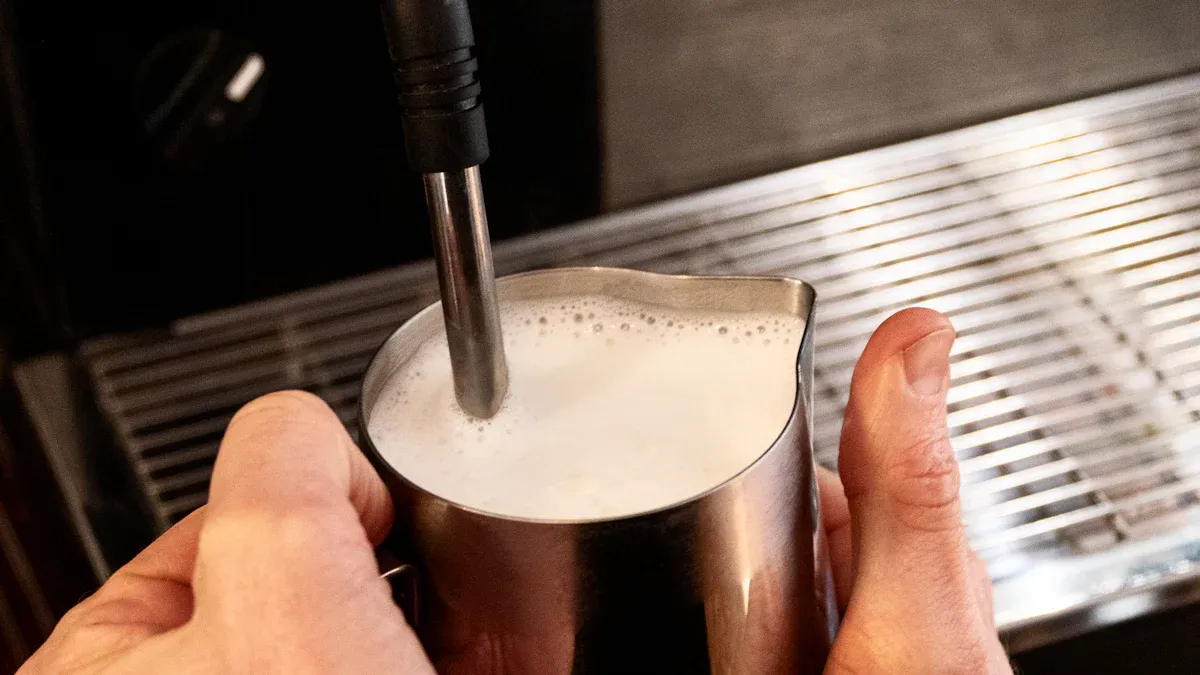
A Milk Frother transforms ordinary beverages into luxurious, creamy experiences. This essential tool elevates home drinks, delivering café-quality results directly in your kitchen. Its utility extends far beyond coffee, unlocking significant culinary versatility for various recipes. The milk frother market experienced a historical compound annual growth rate of 5.5% between 2020 and 2024, reflecting growing consumer interest in these appliances. A versatile USB Electric Coffee Mixer and Milk Frother offers convenience for many applications.
Key Takeaways
- A milk frother changes liquid milk into light, airy foam. This makes drinks taste better and look nicer.
- Milk frothers work by adding air into milk. Milk proteins then trap these air bubbles to make foam.
- There are different types of milk frothers. These include manual, electric, steam wand, and battery-operated models.
- Electric frothers are easy to use. They often heat milk and froth it at the same time.
- Steam wands are for making very smooth foam. Baristas use them for drinks like lattes.
- You can use a milk frother for many things. It makes hot chocolate creamy and helps mix sauces.
- Owning a milk frother saves money. You can make fancy drinks at home instead of buying them.
- Clean your milk frother right after each use. This keeps it working well and lasting longer.
What is a Milk Frother?
Defining the Milk Frother
More Than Just a Whisk
A milk frother is a specialized kitchen appliance. It transforms liquid milk into a light, airy foam. This device goes beyond a simple whisk. It uses specific mechanisms to introduce air into the milk. This results in a superior texture for beverages. People often associate frothing with vigorous whisking. However, a dedicated milk frother offers precision and consistency. It creates a finer, more stable foam than manual methods.
The Science Behind the Foam
Milk frothing involves introducing air into milk. This process creates a foam composed of tiny bubbles. The milk’s composition and temperature are key scientific principles. Proteins within the milk surround and stabilize these air bubbles. This prevents them from collapsing and allows the foam to form. The fat content also contributes to the foam’s richness. Additionally, heat plays a vital role. It makes the milk proteins more flexible, enhancing their ability to trap air effectively. The optimal temperature for frothing milk is between 60°C and 70°C. Temperatures outside this range can hinder frothing or negatively impact the milk’s taste and texture.
Why Use a Milk Frother?
Using a milk frother significantly elevates beverage quality. It enhances both texture and flavor. It also adds an appealing visual element.
Enhancing Texture and Flavor
A milk frother creates a rich, velvety texture. It enhances the overall flavor profile of drinks. Introducing air into milk changes its texture and creates a sweeter taste. This complements coffee’s richness. Adding air to milk gives it a creamy mouthfeel and an incredibly light texture, creating a dense foam. Heating and frothing milk breaks down natural sugars. This caramelizes them, creating a naturally sweet and rich flavor.
The Aesthetic Appeal of Frothed Milk
Frothed milk significantly improves beverage presentation. It helps achieve an ‘Instagram-worthy’ cup of coffee with swirls of milk foam or latte art. This creates barista-quality froth at home. The dense, rich layer of froth also tends to keep your coffee hot for a longer duration.
How a Milk Frother Works: The Mechanics of Aeration
The Principle of Aeration in a Milk Frother
Introducing Air into Milk
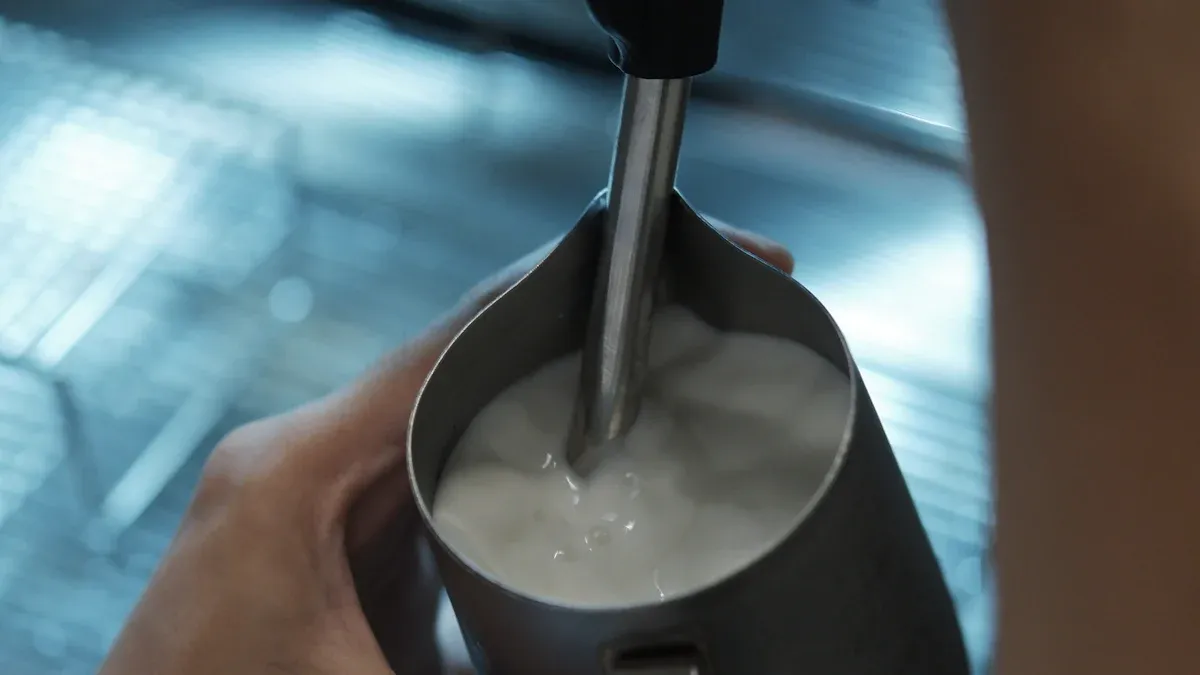
A milk frother aerates milk by introducing air bubbles into the liquid. This process breaks up casein molecules, a type of protein present in milk. The broken-up casein molecules then gravitate to and trap these air bubbles. This trapping of air bubbles by casein molecules creates the foam. Different types of frothers achieve this aeration through various mechanical actions. For instance, manual frothers utilize a perforated mesh plunger. Users move this plunger up and down in a cylinder to introduce air. Handheld electric frothers employ a spinning whisk. This whisk creates a vortex, injecting air into the liquid. Automatic frothers often use a frothing disk.
Creating Microfoam for Perfect Drinks
Creating microfoam is essential for many popular coffee beverages. Microfoam consists of tiny, uniform air bubbles that give frothed milk a velvety texture. A handheld frother achieves this by submerging a whisk just below the milk’s surface. Users move the whisk up and down to create foam. Adjusting the whisk’s depth can produce either microfoam or a drier foam. Manual frothers require users to pump a plunger vigorously for 20-30 seconds. This action introduces air and creates froth. Slower pumps can yield a finer microfoam. Electric frothers automatically froth milk with the press of a button. They often offer various foam settings. A steam wand, commonly found on espresso machines, positions its tip just below the milk’s surface. Steam is then turned on. Baristas slowly lower the pitcher while keeping the wand near the surface to create foam. A slight tilt creates a whirlpool effect, resulting in smooth microfoam.
Key Components of a Milk Frother
Heating Elements for Optimal Temperature
Many milk frothers include heating elements. These elements ensure the milk reaches an optimal temperature for frothing. The ideal temperature for frothing milk typically falls between 60°C and 70°C. This temperature range makes milk proteins more flexible. It enhances their ability to trap air effectively. Heating elements are particularly common in automatic electric frothers. They often incorporate induction heating for hands-free operation. This feature ensures consistent heating, which is crucial for stable and delicious foam.
Whisking Mechanisms for Consistent Foam
Whisking mechanisms are central to a Milk Frother‘s operation. They are responsible for introducing air and creating consistent foam. Manual frothers use a mesh plunger. This plunger’s design allows it to push and pull air through the milk. Handheld electric frothers feature a small, battery-operated motor that spins a whisk. This spinning action rapidly incorporates air. Automatic electric frothers often use a small frothing disk or a magnetic whisk. These components spin at high speeds within a jug. They create a powerful vortex that efficiently aerates the milk. The consistent action of these mechanisms ensures uniform bubble size and a smooth, creamy texture in the final product.
Exploring Different Types of Milk Frothers
Manual Milk Frothers: Handheld Control
Manual milk frothers offer users direct control over the frothing process. They are simple tools, often featuring a mesh plunger within a stainless steel jug or glass jar. These frothers require no batteries or plugs, making them highly portable for travel or camping. Users operate them by manually pumping a plunger, similar to a French press, to aerate the milk. This process takes physical effort, and users must heat the milk separately. Manual frothers are generally more affordable than electric models. They provide full control over the froth’s thickness and lightness. Cleaning is typically easy, usually requiring only a rinse. However, manual operation can lead to inconsistent results, and they are not ideal for frothing large quantities of milk. Frothing usually takes about 20-30 seconds. They work well with both warm and cold milk, making them suitable for cold foam. These frothers are excellent for low-tech coffee rituals, budget-conscious individuals, and those who enjoy precise control over foam texture, especially for drinks like matcha.
Whisk-Style Milk Frothers
Whisk-style manual frothers typically consist of a simple whisk that users operate by hand. They require vigorous stirring or pumping to incorporate air into the milk. These are the most basic form of manual frothers. They offer a straightforward approach to creating foam.
Pump-Style Milk Frothers
Pump-style frothers feature a plunger with a fine mesh screen. Users place milk in a container and then repeatedly pump the plunger up and down. This action forces air through the milk, creating a rich, dense foam. They offer more consistency than a simple whisk.
Electric Milk Frothers: Convenience and Automation
Electric milk frothers provide convenience and automation, simplifying the frothing process. These countertop appliances automatically heat and froth milk with the press of a button. Some models offer choices between dense foam or hot steamed milk. They are ideal for busy mornings or multitasking because of their low learning curve, allowing users to ‘set it and forget it’. Electric frothers typically heat milk to around 60°C. They are best for lattes, hot chocolate, and iced drinks. Compared to manual options, electric frothers offer consistent, preset foam and often include milk heating capabilities.
Automatic Jug Milk Frothers
Automatic electric frothers handle both heating and frothing milk with a simple button press. They often offer multiple settings for warm or cold froth. These devices are perfect for those seeking convenience and consistently creamy results without much effort. They provide a very fast frothing experience.
Handheld Electric Milk Frother Wands
Handheld electric milk frother wands are affordable, battery-operated tools. They quickly whisk milk directly in a cup or pitcher. These are great for beginners, easy to use, and compact for portability. They offer moderate control over the foam quality, producing an airy, bubbly foam.
Steam Wand Milk Frothers: The Barista’s Choice
Steam wand milk frothers are the barista’s choice, offering precise control and superior microfoam. These wands utilize steam pressure to heat and aerate milk simultaneously. They are commonly found integrated into espresso machines, providing a complete coffee preparation system. Baristas use integrated wands to create velvety microfoam, which is essential for latte art. The process involves positioning the wand tip just below the milk’s surface and introducing steam. This creates a whirlpool effect, incorporating air and heat for a smooth, glossy texture. Mastering a steam wand requires practice, but it yields the finest and most consistent foam for a wide range of beverages, from cappuccinos to flat whites.
Integrated Espresso Machine Wands
Integrated espresso machine wands are part of a larger coffee machine. They draw steam directly from the machine’s boiler. This allows for simultaneous brewing and frothing, making them highly efficient for crafting complex coffee drinks.
Standalone Steamers for Milk Frothing
Standalone steamers also exist, offering dedicated milk frothing capabilities without an espresso machine. These devices provide the same high-quality steam for frothing, allowing users to achieve professional-grade results. They are a good option for those who want barista-quality foam but do not own an espresso machine.
Battery-Operated Milk Frothers: Portability and Power
Battery-operated frothers offer unparalleled portability and convenience. These devices provide a quick and easy way to achieve frothed milk without needing an electrical outlet. They are perfect for individuals who enjoy specialty beverages on the go. This type of Milk Frother combines compact design with efficient performance.
Compact Design for On-the-Go Use
Battery-operated frothers feature a compact design. Their lightweight construction makes them ideal for travel. Users can easily pack these small appliances into luggage or backpacks. They occupy minimal space in kitchen drawers or office desks. This design ensures users can enjoy frothed beverages anywhere. Whether camping, traveling, or simply at work, these frothers provide instant access to creamy foam. Their sleek profiles often include protective caps for the whisk. This feature prevents damage and maintains hygiene during transport. The ergonomic handles ensure comfortable use. This makes them a practical choice for daily use and special occasions away from home.
Efficient Frothing Anywhere
These devices operate on standard AA or AAA batteries. They deliver efficient frothing power without requiring an electrical outlet. Users simply insert the whisk end into milk. They then activate the frother with a button. The powerful motor quickly creates a rich, airy foam. This process takes only seconds. Battery-operated frothers handle various milk types effectively. They froth dairy milk, almond milk, oat milk, and soy milk. This versatility allows users to customize their drinks. They can prepare hot lattes, cold foam for iced coffees, or creamy hot chocolates. Their immediate usability makes them a favorite for quick preparations. They eliminate the need to search for a power source. This ensures a consistent frothing experience in any location.
Operational Secrets for Each Milk Frother Type
Mastering the Manual Milk Frother
Manual frothers offer direct control, but mastering them requires specific techniques. Users can achieve consistent, high-quality foam with practice.
Effective Pumping Techniques
Effective pumping is crucial for manual frothers.
- Use fresh, cold milk. Cold milk froths better and allows more time for foam creation.
- Fill the container to one-third capacity. This provides adequate space for milk expansion during frothing.
- Vigorously pump the plunger for 20-30 seconds to achieve the desired froth. For microfoam, use slower, controlled pumps.
- Monitor the temperature. Ideal frothed milk temperature is between 140°F and 155°F (60°C to 68°C) to maintain sweetness and texture.
- Integrate the foam. After frothing, gently tap the pitcher to remove large bubbles and swirl the milk for a smooth, velvety texture.
- Clean thoroughly. Regular cleaning prevents residue buildup and maintains foam quality.
- Practice and experiment. Mastering frothing takes time; experiment with techniques and angles to find what works best.
Achieving Desired Foam Consistency
Achieving the desired foam consistency with a manual Milk Frother involves careful attention to detail. Users should avoid overfilling the container to prevent spillage. Cleaning the frother after each use prevents residue buildup and maintains frothing quality. Ensuring the frother is completely dry before its next use also prevents electrical issues in some models.
Unlocking Electric Milk Frother Potential
Electric frothers offer convenience, but understanding their operational secrets maximizes their potential.
Optimal Milk Levels for Best Results
Electric frothers typically have clear markings for minimum and maximum milk levels. Adhering to these levels is essential. Overfilling can lead to spills and poor foam quality. Underfilling may result in insufficient foam or uneven heating. Optimal milk levels ensure the whisking mechanism works efficiently and the heating element functions correctly.
Utilizing Temperature Settings
Many electric frothers offer various temperature settings. Users can select options for warm froth, cold froth, or simply heated milk. Selecting the appropriate setting depends on the desired beverage. For hot lattes, a warm froth setting is ideal. Cold foam for iced drinks requires a cold froth setting. Experimenting with these settings allows users to customize their drinks precisely.
The Art of the Steam Wand Milk Frother
Steam wands are the choice for professional baristas, offering unparalleled control and quality.
Steaming Milk for Latte Art
Steaming milk for latte art requires precision. Baristas position the steam wand tip just below the milk’s surface. This creates a “hissing” sound, indicating air incorporation. They then lower the pitcher slightly to create a whirlpool effect. This action integrates air and heat, producing velvety microfoam. The goal is a glossy, smooth texture without large bubbles.
Incorporating Air and Heat for Velvety Foam
Successfully incorporating air and heat is key to velvety foam. The steam wand simultaneously heats the milk and introduces air. The heat makes milk proteins more flexible, allowing them to trap air effectively. The air creates the foam. Baristas control the amount of air by adjusting the wand’s depth. This process results in a sweet, creamy, and stable foam perfect for various beverages.
Getting the Best from Battery Milk Frothers
Battery-operated frothers offer convenience and portability. Users can maximize their performance by understanding key operational secrets. These insights ensure consistent, high-quality foam for various beverages.
Proper Immersion Depth for Even Frothing
Achieving even frothing with a battery-operated frother depends significantly on proper immersion depth. Users must submerge the frother wand just below the milk’s surface. This precise positioning is crucial for optimal aeration. It allows the whisk head to sit slightly under the milk’s surface. This initiates the frothing process effectively. Incorrect immersion, either too deep or too shallow, hinders foam creation. Too deep, and the frother struggles to incorporate air. Too shallow, and it creates large, unstable bubbles. Maintaining this shallow depth allows the whisk to draw air into the milk efficiently. This action creates a vortex. The vortex evenly distributes air throughout the liquid. This technique results in a uniform, fine-textured foam. Consistent depth control prevents splashing. It also ensures the frother operates at its peak efficiency.
Speed Control for Different Textures
Battery-operated frothers often feature a single speed. However, users can manipulate the frothing process to achieve different foam textures. The duration of frothing directly impacts the foam’s consistency. For a light, airy foam, users should froth the milk for a shorter period. This creates larger, less dense bubbles. This texture works well for drinks requiring a delicate topping. For a denser, more stable microfoam, users should extend the frothing time. Continuous whisking breaks down larger bubbles into smaller, more uniform ones. This process results in a velvety texture. This denser foam is ideal for lattes and cappuccinos. It provides a richer mouthfeel. Experimentation with frothing duration allows users to customize their beverages. They can match the foam texture to their specific drink preferences. This adaptability makes the battery-operated Milk Frother a versatile tool for home baristas.
Beyond Coffee: Versatile Uses for Your Milk Frother

A milk frother offers utility far beyond coffee beverages. It serves as a versatile kitchen tool. Users can enhance various hot and cold drinks. They can also explore new culinary applications.
Crafting Delicious Hot Beverages with a Milk Frother
A milk frother elevates many hot drinks. It adds a luxurious texture and rich flavor.
Hot Chocolate Perfection
A milk frother transforms ordinary hot chocolate into a gourmet treat. It creates a smooth, creamy texture. The frother thoroughly blends cocoa powder and milk. This prevents lumps. It also incorporates air. This results in a light, airy foam topping. This foam enhances the drink’s richness. It provides a delightful mouthfeel.
Chai Lattes and Matcha Creations
Milk frothers are excellent for various specialty hot beverages. They create perfect tea-lattes. Users can also make spiced turmeric lattes. The frother ensures a smooth, consistent blend. It prevents clumping of spices or powders. It also produces excellent matcha drinks. This includes vegan matcha lattes. Users can even froth matcha itself. This creates a smooth, vibrant green tea base.
Elevating Cold Drinks with a Milk Frother
A milk frother also enhances cold beverages. It adds unique textures and flavors.
Iced Lattes and Cold Foam Innovations
Milk frothers are ideal for creating refreshing cold drinks. They produce delicious iced lattes. Users can also make cold foam. This foam provides a creamy topping for various cold beverages. It works well with cold brew. It also enhances Dalgona coffee. Cold lattes and cold cappuccinos also benefit from frothed milk. The frother creates a stable, airy layer. This layer floats beautifully on top of cold drinks.
Milkshakes and Smoothies with Added Texture
A milk frother adds a delightful texture to milkshakes and smoothies. It incorporates air into these thicker beverages. This creates a lighter, fluffier consistency. It also helps blend ingredients more thoroughly. This results in a smoother, more uniform drink. The frother can quickly mix in powders or flavorings. This ensures an even distribution.
Culinary Adventures with a Milk Frother
The milk frother extends its utility into general cooking. It becomes a handy tool for various kitchen tasks.
Whipping Eggs for Fluffy Omelets
A milk frother can quickly whip eggs. It incorporates air into the egg mixture. This creates light and fluffy omelets. It also works well for scrambled eggs. The frother ensures a consistent, airy texture. This results in a more tender final product.
Mixing Dressings and Sauces Effortlessly
Users can employ a milk frother for mixing dressings and sauces. It quickly emulsifies ingredients. This creates smooth, well-combined mixtures. It works particularly well for vinaigrettes. It also blends creamy sauces. The frother ensures all components are evenly distributed. This saves time and effort.
Creative Cocktail Enhancements with a Milk Frother
A milk frother extends its utility to the realm of mixology. It offers innovative ways to enhance cocktails. Bartenders and home enthusiasts can elevate their drink creations. This tool adds both visual appeal and unique textures.
Foamy Toppings for Signature Drinks
Milk frothers create exquisite foamy toppings for various cocktails. These toppings add a luxurious mouthfeel and sophisticated presentation. They transform standard drinks into signature creations. For instance, an espresso martini benefits greatly from a dense, creamy foam layer. The frother aerates cream or egg whites effectively. This produces a stable foam that rests elegantly on top of the drink.
Consider a whiskey sour. Traditionally, it features an egg white foam. A milk frother can quickly achieve this desired texture. It whips the egg white into a light, airy meringue-like topping. This method saves time and ensures consistency. Bartenders also use frothers for non-alcoholic foams. They can froth fruit juices or flavored syrups. These create vibrant, aromatic layers on top of mocktails or spirit-based drinks. The foam acts as a visual garnish. It also delivers an initial burst of flavor.
Tip: For a stable foam, ensure ingredients are cold. This helps proteins stabilize the air bubbles more effectively.
Blending Ingredients for Unique Flavors
A milk frother is not just for foam. It also serves as an efficient blending tool for cocktail ingredients. This capability allows for the creation of unique flavor profiles and textures. The frother’s whisking action thoroughly combines liquids. It can emulsify ingredients that typically separate. For example, it blends oils, liqueurs, and juices into a cohesive mixture. This ensures every sip delivers a consistent flavor experience.
Consider cocktails requiring a smooth, integrated texture. A frother can rapidly mix ingredients like cream, coconut milk, or fruit purees. This creates a velvety consistency. It prevents any ingredient from settling at the bottom of the glass. This blending power is particularly useful for creamy cocktails. It also works well for drinks with thicker components. The frother ensures a uniform distribution of flavors. This results in a more harmonious and enjoyable drink. It allows for experimentation with complex flavor combinations. The tool helps achieve professional-grade smoothness in homemade beverages.
The Benefits of Owning a Milk Frother
Cost Savings and Convenience with a Home Milk Frother
Owning a home Milk Frother offers significant advantages in terms of cost savings and daily convenience. Individuals can enjoy premium beverages without frequent trips to coffee shops. This appliance quickly becomes an indispensable kitchen tool.
Barista-Quality Drinks at Home
A personal frother allows users to create barista-quality drinks in their own kitchens. They can craft lattes, cappuccinos, and macchiatos with rich, creamy foam. This capability elevates morning routines and provides a luxurious experience. The quality often rivals that of professional establishments.
Reducing Coffee Shop Expenses
Regular visits to coffee shops accumulate substantial expenses over time. Investing in a home frother significantly reduces these costs. Users can purchase ingredients in bulk and prepare their favorite drinks for a fraction of the price. This financial benefit makes the appliance a wise long-term investment.
Customization and Control with Your Milk Frother
A personal frother provides unparalleled customization and control over beverage preparation. Users can tailor drinks precisely to their preferences.
Adjusting Foam Thickness to Your Liking
Users gain ‘Customization at Your Fingertips‘ with a personal frother. They can control the milk-to-coffee ratio and adjust frothiness to their personal preference. This allows for a dense foam or a light, airy top. Manual frothers, in particular, offer the ‘Ability to individually adjust foam results.’ This provides precise control over achieving desired textures and consistencies.
Experimenting with Various Milk Types
The frother fosters creativity by opening up possibilities for experimenting with different milk types. Users can choose from whole, skim, almond, soy, or oat milk. This enables experimentation to find the perfect blend and flavor profile. It also accommodates various dietary needs and preferences.
Enhancing Your Culinary Skills with a Milk Frother
Beyond beverages, a frother expands culinary capabilities. It becomes a versatile tool for various kitchen tasks.
Expanding Your Recipe Repertoire
The appliance helps users expand their recipe repertoire. They can create fluffy omelets, smooth dressings, and creamy sauces. It efficiently blends ingredients, ensuring consistent textures. This versatility encourages exploration of new dishes and techniques.
Impressing Guests with Professional Touches
Users can impress guests with professional touches on their homemade creations. Frothed milk adds an elegant finish to desserts and cocktails. The ability to produce perfectly textured ingredients elevates presentation. This enhances the overall dining experience for friends and family.
Choosing the Right Milk Frother for Your Needs
Selecting the appropriate frother requires careful consideration of individual preferences and practical requirements. Users find a wide range of options available, each offering distinct advantages.
Factors to Consider When Buying a Milk Frother
Several key factors guide the decision-making process when purchasing a frother. These elements ensure the chosen appliance aligns with specific user demands.
Budget and Desired Features
Price ranges for frothers vary significantly. Some models cost under $20, while others reach several hundred dollars. This budget range helps narrow down available options. Users should avoid budgeting too low or too high; many good frothers are available at affordable prices. Consider the multi-task ability of a frother. Some models prepare various coffee recipes, make smoothies, or even smash baby food, offering enhanced versatility. Electric models often include additional settings. These features include heating milk without frothing, different whisk options, mix-in settings, and multiple temperature or froth settings.
Frequency of Use and Capacity
The frequency of use and desired capacity influence the best choice. Consider the size of the frother. Users need to decide if they require a frother for home use only or a compact, portable one for travel. Power is another important aspect. Choose a frother with sufficient motor power to complete tasks efficiently without breaking down. Portability is a factor; handheld frothers are generally the most portable. Electric and manual countertop models can be bulky for travel. Ease of cleaning is also important. Electric and manual models may have more parts to clean. Handheld models are typically not dishwasher safe. Non-stick materials can aid in quicker cleanup. For latte art, look for a frother with a defined pour spout. This allows precise control over milk speed and amount.
Matching a Milk Frother to Your Lifestyle
Aligning the frother type with one’s lifestyle ensures maximum satisfaction and utility. Different lifestyles benefit from different frother designs.
Compact Options for Small Kitchens
Handheld frothers are ideal for small kitchens. Their compact size and portability make them suitable for limited counter space. Battery-operated frothers are recommended for portability. USB rechargeable options offer longevity without needing disposable batteries. Consider frothers with a small size and light weight, aiming for under 150g. This ensures ease of travel and storage. Models like the Subminimal NanoFoamer (V2 and Lithium models) are specifically mentioned as compact and user-friendly. They fit any kitchen setup. The Lithium model weighs 135g, making it portable for travel.
High-Volume Use for Entertaining
For entertaining or high-volume use, larger capacity electric frothers or steam wands are more appropriate. These appliances handle greater quantities of milk efficiently. Automatic jug frothers, for example, prepare multiple servings quickly. Steam wands, often integrated into espresso machines, provide continuous frothing for several guests. These options ensure a consistent supply of frothed milk without interruption.
Maintenance and Care for Your Milk Frother’s Longevity
Proper maintenance significantly extends the lifespan of any kitchen appliance. A Milk Frother requires regular cleaning and occasional troubleshooting to ensure consistent performance.
Cleaning Your Milk Frother Effectively
Effective cleaning prevents residue buildup and maintains hygiene. Immediate action after use simplifies the cleaning process.
Immediate Rinsing for Easy Cleanup
Users should rinse their frother immediately after each use. This prevents milk residue from drying and sticking to surfaces. For electric models, quickly rinse detachable parts like the whisk or jug with warm water. Handheld frothers benefit from submerging the whisk in warm, bubbly water and briefly activating the device. This action agitates and loosens milk particles.
Deep Cleaning Tips for Hygiene
Deep cleaning ensures thorough hygiene and optimal performance.
- Manual Milk Frothers: Disassemble all parts, including the lid, plunger, filter, and silicone ring. Soak them in warm, soapy water. Use a soft brush to scrub areas where milk accumulates. Rinse all components thoroughly and allow them to air dry completely.
- Electric Milk Frothers: Unplug the frother and allow it to cool. Remove detachable parts. Hand-wash these parts with mild dish soap and a non-abrasive sponge. Use a small brush for hard-to-reach areas. Rinse thoroughly, keeping water away from electrical components. For stubborn residue or burnt milk, soak the carafe in warm water with white vinegar or lemon juice for 10-15 minutes. Alternatively, apply a baking soda and water paste to burnt areas and gently scrub.
- Handheld Milk Frothers: Submerge the whisk in warm, soapy water and briefly turn on the frother. If residue remains, use a soft brush to gently scrub the whisk’s base. Rinse the whisk in clean water by briefly turning it on. Pat the whisk dry or allow it to air dry completely.
Troubleshooting Common Milk Frother Issues
Users may encounter issues with their frother. Addressing these problems promptly ensures continued enjoyment of frothed beverages.
Addressing Inconsistent Foam
Several factors can cause inconsistent foam. Users should check the milk type; cold, full-fat milk generally froths best. Some low-fat or plant-based milks may produce weak foam. Barista-grade oat or soy milk often yields better results. Ensure the frothing disc is securely attached and not worn out. A worn disc can lead to poor foam. Users should also verify the temperature settings. Optimal frothing occurs around 60°C. If the frother produces no foam or weak foam, check for blockages in the steam wand or frothing disc. Clean these components thoroughly to remove milk residue.
Resolving Heating Problems
Heating issues can stem from various causes. If the frother does not turn on, check the power supply. Ensure the frother is plugged into a working outlet. Test a different outlet to rule out electrical issues. Sometimes, a simple reset helps; unplug the frother for 5-10 minutes before plugging it back in. If the frother fails to heat or generate steam, the issue likely lies with the machine itself, possibly due to a faulty heating element or thermostat. Users should also ensure they do not overfill the jug, as this can cause leaks or affect heating efficiency.
The Future of Milk Frother Technology
The milk frother market continues to evolve. Manufacturers introduce innovative features and designs. These advancements aim to enhance user experience and address modern consumer demands.
Smart Milk Frothers and App Control
Smart technology integration represents a significant trend in kitchen appliances. Milk frothers are no exception. This growing trend includes app control and advanced connectivity.
Programmable Settings for Personalized Drinks
Modern consumers seek personalized experiences. They desire customization and control over their beverages. This demand drives the development of advanced frothers. These devices offer multiple settings for texture and temperature. Users can program specific preferences through connected apps. This allows for pre-programmed settings. They can achieve their ideal foam consistency every time. This caters to a growing interest in home barista experiences. It also meets the desire for café-quality beverages.
Recipe Integration for New Creations
Smart frothers move beyond simple frothing. They offer recipe integration. Users can explore new creations directly through their smartphone apps. These apps can guide users through making various drinks. They might suggest optimal settings for different milk types. This includes plant-based milk alternatives like almond, oat, and soy. Frothers are engineered to handle these diverse options effectively. This ensures optimal foam consistency with non-dairy milks. App control also allows for remote operation and cleaning reminders. This makes kitchen appliances more integrated and intuitive.
Sustainable Milk Frother Design and Materials
Sustainability has become a crucial factor for consumers. Manufacturers respond by focusing on eco-friendly practices and materials. This leads to more responsible product development.
Eco-Friendly Options for Conscious Consumers
The demand for sustainable products influences frother design. Manufacturers prioritize recyclable and biodegradable materials for products and packaging. They also focus on durable materials. This helps create products with longer lifespans. Longer lifespans reduce electronic waste. Many companies partner with suppliers who hold eco-friendly certifications. This ensures environmental standards across the supply chain. There is also a focus on rechargeable products. This reduces reliance on single-use batteries.
Energy Efficiency in Modern Frothers
Modern frothers emphasize energy-efficient operation. This addresses consumer demand for eco-friendliness. Manufacturers optimize production processes. They use green energy to reduce their carbon footprint. This commitment extends to the frother’s daily use. Energy-efficient frothers consume less power. This benefits both the environment and the user’s electricity bill. Transparent supply chain practices also help reduce carbon emissions and waste.
A frother proves itself an indispensable kitchen companion. It transforms everyday beverages into extraordinary experiences. This versatile device elevates home coffee and expands cooking possibilities. Users can unleash their inner barista and culinary artist with a Milk Frother. It offers both convenience and creative freedom for various culinary adventures.
FAQ
What is the primary purpose of a milk frother?
A milk frother transforms liquid milk into a light, airy foam. This process enhances the texture and flavor of beverages. It creates a creamy topping for various drinks.
Can a milk frother heat milk as well as froth it?
Yes, many electric milk frothers include heating elements. They heat milk to an optimal temperature while frothing. Manual and handheld battery-operated frothers require separate milk heating.
What types of milk work best for frothing?
Whole milk generally froths best due to its fat content. Many plant-based milks, like oat or soy, also froth well. Barista-grade versions of these alternatives often yield superior results.
How do I clean my milk frother?
Users should rinse the frother immediately after each use. For electric models, detach and hand-wash components with mild soap. Deep cleaning involves soaking parts and scrubbing to remove residue.
Can I use a milk frother for things other than coffee?
Absolutely. A milk frother enhances hot chocolate, chai lattes, and matcha. It also adds texture to milkshakes and smoothies. Users can even whip eggs for omelets or mix salad dressings.
What is microfoam, and why is it important?
Microfoam consists of tiny, uniform air bubbles. It gives frothed milk a velvety texture. Baristas use microfoam for latte art and to create smooth, creamy coffee beverages.
Are battery-operated frothers as effective as electric ones?
Battery-operated frothers offer portability and quick frothing. They create a good foam for many drinks. Electric frothers often provide more consistent results and heating capabilities.
Post time: Nov-17-2025