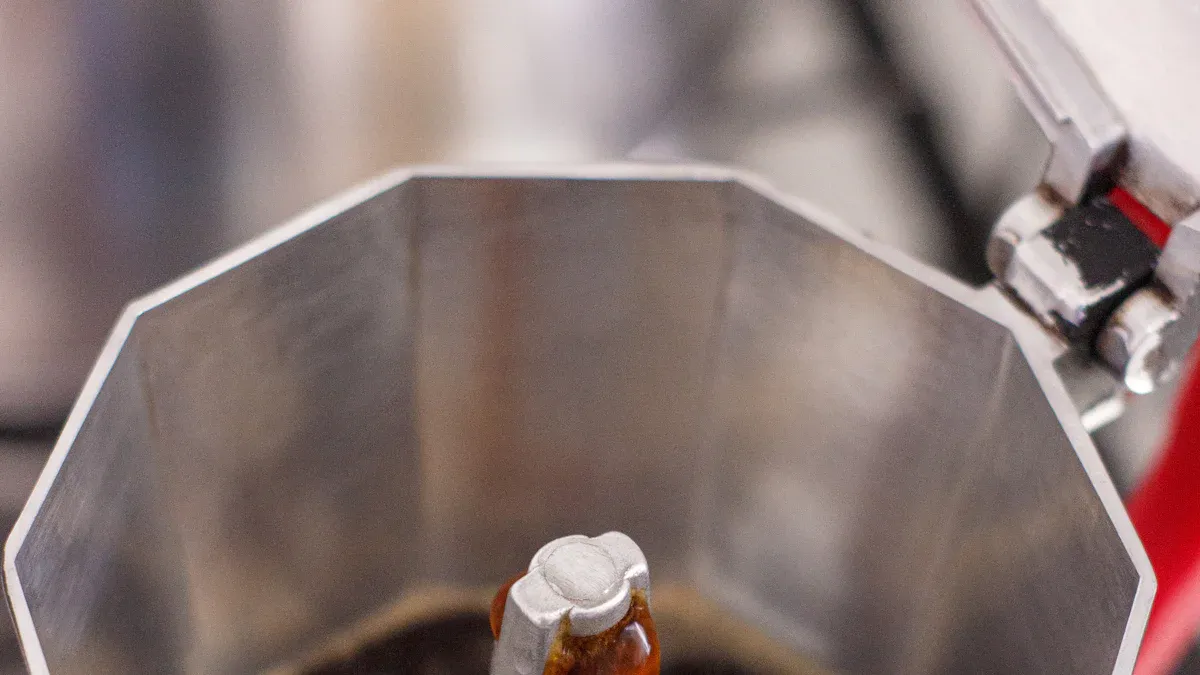
A Moka Coffee Maker is a stove-top or electric device. It brews coffee by passing boiling water, pressurized by steam, through ground coffee. This three-chambered tool uses steam pressure to move water from the bottom chamber. Water then travels through a filter basket containing coffee grounds and into the top chamber as brewed coffee. This iconic Italian coffee maker creates a strong, concentrated brew. Its concentration typically ranges from 1.2-1.5 mg/ml. This brew is often compared to espresso, which boasts a higher concentration around 2.1 mg/ml. Espresso’s preparation method uses pressurized water and more grounds, yielding about 40 mg of caffeine per ounce compared to a Drip coffee maker‘s 10 mg per ounce. A Moka Coffee Maker, such as the KP32C-600 model, is a valuable addition to any collection of Coffee and Tea Tools.
Key Takeaways
- The Moka pot is a classic Italian coffee maker. It brews strong coffee using steam pressure.
- Alfonso Bialetti invented the Moka pot in 1933. It brought cafe-style coffee to homes.
- The Moka pot has three main parts: a water chamber, a coffee filter basket, and a collection chamber.
- Use medium-fine coffee grounds for your Moka pot. This helps make the best coffee.
- Fill the water chamber below the safety valve. Do not tamp the coffee grounds too much.
- Use low to medium heat when brewing. Remove the pot when the coffee turns light yellow.
- Clean your Moka pot regularly with water. Replace the gasket if it leaks or is worn out.
- Bitter coffee means over-extraction or too much heat. Weak coffee means under-extraction.
What Exactly is a Moka Coffee Maker?
The Iconic Design and Its Origins
A Brief History of the Moka Pot
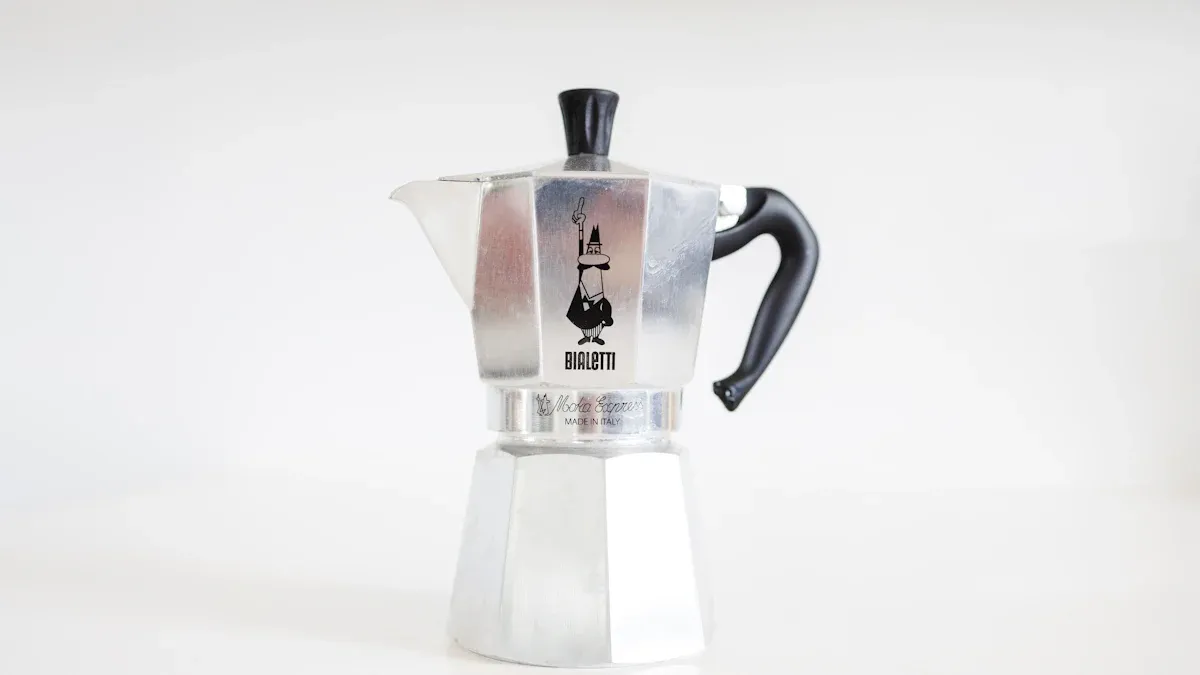
Alfonso Bialetti invented the Moka pot in 1933. Luigi di Ponti received credit for the original patent concept, number 345615. Bialetti, an engineer with experience in the French aluminum industry, applied his knowledge to di Ponti’s design. This design featured the now-familiar three-chamber system. At that time, espresso was a staple in Italy, but machines were large and confined to bars. Home stovetop brewers, like the Neapolitan flip coffee pot, existed, but they could not produce the intense coffee Italians enjoyed from bars. The Moka pot promised to deliver cafe-style coffee at home. Its launch coincided with the approaching World War II, making it appealing for people staying home.
The Moka pot’s invention was deeply rooted in 1930s Italy’s political and cultural landscape. Futurism, an art movement celebrating technology and modernity, alongside Fascist policies promoting aluminum, created fertile ground for its development. Italy’s abundant bauxite and leucite, used for aluminum production, made aluminum the ‘national metal’ due to Mussolini’s embargo on stainless steel. Furthermore, caffeine linked to Futurism’s emphasis on progress and Mussolini’s foreign policy, particularly after Italy’s invasion of Ethiopia in 1935, which secured coffee sources and fostered the ‘marriage between coffee and aluminum’.
Initially, the Moka pot did not achieve widespread popularity. Alfonso Bialetti sold the Moka Express regionally in Piedmont. He primarily sold it at public markets or to retailers from his workshop. He did not pursue industrialization or national/international scaling. By 1940, before World War II, manufacturers produced only about 70,000 units. Production ceased during the war as aluminum was diverted for military use and coffee became scarce. This led Bialetti to close his workshop.
Why the Moka Pot Remains Popular
The Moka pot maintains its popularity for several compelling reasons. Its simple yet effective design allows anyone to brew a strong, flavorful coffee at home. The device offers durability, often lasting for many years with proper care. Its compact size makes it suitable for various kitchen spaces and travel. Furthermore, the Moka pot provides an accessible entry point into brewing concentrated coffee without the expense or complexity of an espresso machine. This combination of tradition, reliability, and ease of use ensures its continued presence in kitchens worldwide.
Understanding the Moka Pot’s Key Components
The Moka pot’s ingenious design relies on several distinct components working in harmony. Each part plays a crucial role in the brewing process, contributing to the final cup.
The Water Chamber (Bottom)
The water chamber forms the base of the Moka pot. It holds the water that transforms into steam during brewing. This lower chamber is equipped with a safety valve. This valve prevents over-pressurization, ensuring safe operation. Manufacturers originally made Moka pots from aluminum, a common material for this component, though stainless steel versions are also available.
The Coffee Filter Basket (Middle)
The coffee filter basket sits directly above the water chamber. This component holds the ground coffee. It features a funnel shape, allowing water to pass through the grounds evenly. When users assemble the Moka pot, this basket compresses a rubber gasket. It also seals against an upper filter disc, creating a secure, pressurized environment for extraction.
The Collection Chamber (Top)
The collection chamber is the upper section of the Moka pot. This is where the brewed coffee collects. As steam pressure forces water through the coffee grounds, the resulting brew rises into this chamber. Some variations of the Moka Coffee Maker include a heat-resistant glass upper half, allowing users to observe the brewing process. The sleek, octagonal design, patented by Bialetti, makes the Moka Express instantly identifiable. This distinctive eight-sided shape represents a significant example of product design.
The Gasket and Filter Plate
The gasket and filter plate are critical for the Moka pot’s pressure system. The rubber gasket creates a tight seal between the upper and lower chambers. This prevents steam and water from escaping during brewing. The filter plate, located beneath the collection chamber, ensures that only the liquid coffee passes through, leaving the grounds behind. These components are essential for maintaining the necessary pressure to extract a rich, concentrated brew.
How the Moka Coffee Maker Brews Your Coffee
The Science Behind Steam Pressure Brewing
Water Heating and Vaporization
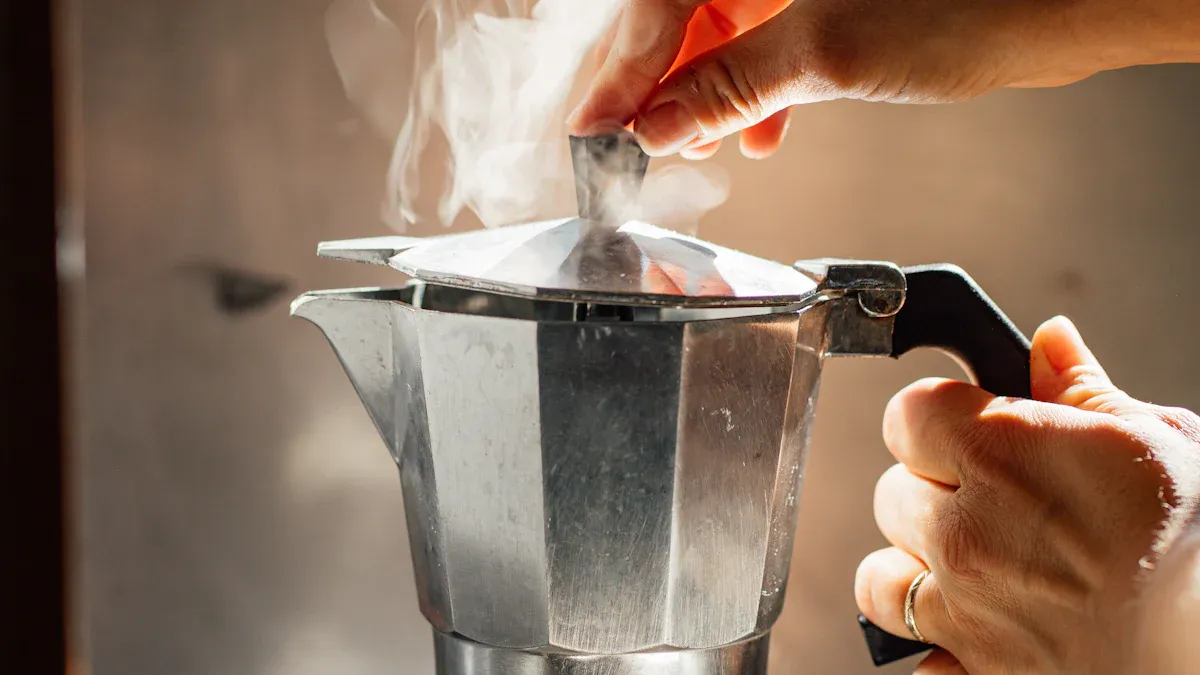
The Moka pot employs a fascinating scientific process to create coffee. It begins when heat applies to the water in the lower chamber. This heat causes the water to warm and eventually boil. As the water reaches its boiling point, it transforms into steam. This phase transition from liquid to gas is significant; water expands approximately 1700 times its original volume when it vaporizes. This rapid expansion fills the lower chamber with steam.
Pressure Buildup and Water Displacement
The steam filling the lower chamber creates significant pressure. This pressure builds within the closed chamber, typically reaching around 1.5 bars, though some sources indicate this range can extend from 1.5 to 2 bars. This pressure differential, often between 1.5–3.5 bar, pushes the hot water upwards. The Moka Coffee Maker utilizes this steam pressure to force hot water through the coffee grounds. This process exemplifies physical pressure extraction, integrating principles from thermodynamics and fluid mechanics. The pressure compresses the water, forcing it against gravity up the funnel’s spout, through the coffee grounds, and into the top chamber. High pressure is crucial for several reasons: it enables water to be forced through finely ground coffee, which would otherwise clog, and it efficiently extracts carbon dioxide from coffee grounds, contributing to crema formation. The pressure required is influenced by gravity, air pressure, filtration pressure (resistance from grounds), and water temperature. Higher temperatures generate more steam pressure.
A Step-by-Step Guide to Moka Pot Brewing
Preparing the Water Chamber
First, prepare the water chamber. Fill the lower pot with water. Many advise using hot, but not boiling, water, ideally between 70-80 degrees Celsius. This practice shortens the brew time and prevents the coffee in the basket from ‘cooking’. For lightly roasted beans, some recommend brewing at 100 degrees Celsius. This involves filling the Moka pot‘s bottom chamber with boiling water directly from the kettle. This method prevents the coffee grounds from overheating in the basket while the water heats up. Fill the water just below the safety valve.
Adding the Coffee Grounds
Next, add the coffee grounds to the filter basket. Fill the basket completely with finely ground coffee. Do not tamp the grounds down too firmly, as this can impede water flow. Level the grounds gently without compressing them.
Assembling the Moka Pot
Carefully insert the filled filter basket into the lower water chamber. Then, screw the upper collection chamber onto the base. Ensure a tight seal to prevent steam from escaping during brewing. A secure assembly is vital for proper pressure buildup.
Heating and Extraction
Place the assembled Moka pot on a stovetop over low to medium heat. The heat causes the water in the lower chamber to boil and create steam. This steam pressure then forces the hot water up through the coffee grounds. The brewed coffee then flows into the upper collection chamber.
Recognizing When Your Coffee is Ready
Watch the spout in the upper chamber. Coffee will begin to emerge, initially as a dark stream, then becoming lighter and more golden. A gurgling sound indicates the brewing process is nearing completion. Remove the Moka pot from the heat as soon as the coffee stream turns pale yellow or starts sputtering. This prevents over-extraction and a bitter taste.
The Unique Coffee Profile of a Moka Coffee Maker
What to Expect from a Moka Pot Brew
The Signature Strong and Concentrated Flavor
A Moka pot brew delivers a distinctively strong and concentrated flavor. This intensity comes from the steam pressure brewing method. Users often describe the taste as robust and bold. It provides a powerful coffee experience.
Rich Body and Distinctive Texture
The Moka pot’s brewing method significantly influences the coffee’s body and texture. This device produces rich, strong, espresso-like coffee. Steam pressure from boiling water forces it through coffee grounds. A fine grind, slightly coarser than espresso, is crucial. This grind size provides the right resistance for the hot water and steam. It prevents under-extraction, which results in weak, flat coffee. It also avoids over-extraction, which causes excessive pressure, a bitter taste, and potential safety issues. This precise grind contributes to the strong and concentrated nature of the brew. It enhances its body and intensity. The pressure forces hot water through the coffee puck, creating a more viscous liquid. This process results in a rich, full-bodied, and intensely flavored cup. The applied pressure directly contributes to a higher level of body in the final brew.
| Brewing Method | Body/Richness | Notes |
|---|---|---|
| Moka Pot | Bold, rich, full-bodied | Espresso-like, intense, concentrated |
| French Press | Fuller-bodied, nuanced | Immersion brewing |
| Espresso | Bold, rich, full-bodied | High pressure |
Moka Pot Coffee vs. Espresso vs. Drip Coffee
Moka pot coffee occupies a unique space between drip coffee and espresso. It offers more concentration and body than typical drip coffee. However, it generally has less crema and lower pressure than true espresso. Espresso machines use much higher pressure, creating a denser, more intense shot. Drip coffee relies on gravity, producing a lighter, often less concentrated beverage. The Moka Coffee Maker provides a robust, accessible alternative.
Choosing the Right Coffee for Your Moka Pot
The Importance of Grind Size
Selecting the correct grind size is paramount for optimal Moka pot brewing. The ideal grind for a Moka pot is medium-fine. It resembles table salt or granulated sugar, around 650 microns with 98% consistency. This specific grind is crucial for even extraction. It ensures water flows uniformly through the coffee bed, leading to balanced flavors. Overly fine grinds cause over-extraction, resulting in a bitter taste. Coarse grinds lead to under-extraction, producing weak, watery coffee.
| Grind Size | Outcome |
|---|---|
| Too Fine | Over-extraction, bitterness, clogging |
| Too Coarse | Weak coffee, under-extraction |
| Medium-Fine | Optimal balance of extraction and pressure control |
To prevent over-extraction or under-extraction, adjust the grind. If the coffee tastes too bitter, increase the grind size to a coarser setting. This reduces the coffee’s surface area. It limits contact with water and the extraction of bitter compounds. If the coffee tastes too sour, reduce the grind size to a finer setting. This increases the coffee’s contact time with hot water, improving extraction.
Recommended Roast Levels for Optimal Flavor
Medium to dark roasts generally perform best in a Moka pot. These roasts offer robust flavors that stand up well to the concentrated brewing method. Darker roasts often yield notes of chocolate, caramel, and nuts. They provide a rich, satisfying cup. Lighter roasts can sometimes taste overly acidic or thin in a Moka pot. Experimentation helps users find their preferred roast level.
Mastering Your Moka Coffee Maker: Tips for the Best Brew
Optimizing Water and Coffee Ratios
The Role of Water Quality
Water quality significantly impacts the final taste of Moka pot coffee. Hard water contains minerals that can interfere with extraction, leading to a dull flavor. Soft water, conversely, can result in over-extraction and a sour taste. Using filtered water or good quality bottled water provides a neutral base. This allows the coffee’s true flavors to shine through.
Finding Your Ideal Coffee-to-Water Ratio
Achieving the perfect coffee-to-water ratio is crucial for a balanced brew. A general starting point for Moka pot brewing involves one tablespoon of coarsely ground coffee for every three ounces of water. Users adjust this ratio by adding more coffee for a fuller flavor or less for reduced intensity. For a mild Moka pot coffee, a 1:9 coffee-to-water ratio is recommended. An average strength Moka pot coffee benefits from a 1:8 ratio. For a robust Moka pot coffee, a 1:6 coffee-to-water ratio is recommended. Experimentation helps individuals discover their preferred strength.
Heat Management for Perfect Extraction
The Art of Low to Medium Heat
Proper heat management prevents burnt flavors and ensures optimal extraction. For optimal Moka pot extraction, stovetops generally require a medium heat setting. This setting balances the need for sufficient pressure to move water without burning the coffee grounds. High heat burns the coffee. Low heat causes over-extraction due to a prolonged brewing process. This ‘medium heat’ recommendation applies regardless of the stove type. A quick test for medium heat involves placing a hand 2-3 inches above the heating element. If a person feels no heat, the setting is low. If it is too uncomfortable to keep a hand there for more than a few seconds, the setting is too high. On electric stoves with knobs typically ranging from 1 to 10, ’5′ generally indicates medium heat. However, stovetops can become uncalibrated over time. This means the actual heat might differ from the knob’s indication.
- Low heat: Flames appear small, similar to a candle, and barely extend above the burner.
- Medium heat: Flames are higher and ‘hug’ the outer edges of the burner.
- High heat: Flames spread fairly wide, resembling the petals of a flower.
Knowing When to Remove from Heat
Removing the Moka pot from heat at the right moment prevents over-extraction. As coffee flows into the upper chamber, it changes from a dark stream to a lighter, golden color. A gurgling sound indicates the brewing process nears completion. Users remove the pot from the heat source immediately when the stream turns pale yellow or begins to sputter. This action stops the extraction, preventing a bitter taste.
Essential Maintenance for Your Moka Pot
Proper Cleaning Techniques
Regular cleaning extends the life of a Moka pot and ensures consistent flavor.
| Feature | Stainless Steel Moka Pot | Aluminum Moka Pot |
|---|---|---|
| General Cleaning | Water with a small amount of dish soap. | Water with a few drops of dishwashing liquid or baking soda solution. |
| Limescale Removal | Use Urnex Dezcal descaling powder dissolved in water. | Avoid acidic cleaners; baking soda solution is an alternative. |
| Coffee Residue | Use Urnex Clearly Coffee for funnel and sieve; cleaning brush with dish soap for particles. | Use a sponge with water and dish soap; a cleaning brush or toothbrush for stubborn particles. |
| Avoid | Dishwasher. | Dishwasher, acidic cleaners (e.g., citric acid, descaling products). |
| Post-Cleaning | Rinse thoroughly. | Dry with a cloth to prevent water stains. |
When to Replace Parts
Over time, certain Moka pot components require replacement. The gasket (rubber or silicone ring) hardens, cracks, or absorbs coffee oils. This indicates a need for replacement. Steam leaks from the joint. Coffee spurts or fails to extract properly. Strong off-flavors persist despite cleaning. These are all signs a gasket needs replacement. Water leaking from the middle section where chambers connect can also indicate a blocked or worn gasket. A worn-out gasket or a blocked filter can cause the funnel to produce only a small amount of coffee. Coffee grounds in the cup often signal a damaged or worn filter. A Moka pot not brewing coffee might have a damaged gasket or seal allowing steam to escape.
Troubleshooting Common Moka Coffee Maker Issues
Even experienced coffee enthusiasts sometimes encounter problems with their Moka pots. Understanding common issues and their solutions helps ensure a consistently good brew.
Addressing Brewing Problems
Coffee Not Brewing or Slow Flow
Several factors can cause coffee to brew slowly or not at all. Obstructed valves and tubes often lead to slow flow. Blockages in the filter and the central tube can completely stop the brewing process. Incorrect water levels, either too little or too much, also prevent proper brewing. Issues with the heat source, such as insufficient heat, can prolong the brewing process significantly. Residue buildup in components like the filter, gasket, and safety valve can restrict water and steam flow. Additionally, coffee grounds accumulating in the funnel can impede water movement. A damaged gasket or seal allows steam to escape, which prevents the necessary pressure from building for proper brewing.
Water Leaking from the Pot
Water leaking from the Moka pot during brewing is a common frustration. Often, the top and bottom chambers are not screwed together tightly enough. Pieces that are not threaded or aligned correctly also cause leaks. A damaged rubber gasket is a frequent culprit; it cannot create a proper seal. If the grind size is too fine, it can create excessive pressure, leading to leakage out of the pressure valve. This often happens when internal pressure rises above 3 bars due to clogging from old coffee grime or an overly fine grind. An excess quantity of water in the reservoir or excessively compacted coffee grounds can also contribute to leaks. Sometimes, a blockage within the safety valve itself causes issues.
Fixing Flavor Issues
Why Your Coffee Tastes Bitter or Burnt
Bitter or burnt-tasting coffee often results from over-extraction or excessive heat. Not immediately stopping extraction is a primary cause. The hot aluminum and steam pressure continue to “cook” the coffee, leading to a burnt or overly bitter flavor. Waiting too long to remove the Moka pot from the heat also contributes to this problem. Continuing extraction until no more coffee flows can result in a “liquid charcoal” taste. Not serving the coffee quickly after brewing also allows it to sit in the hot pot, contributing to a burnt taste. A grind that is too fine can also lead to a bitter taste, as can applying too low a heat setting, which prolongs the brewing process.
When Your Coffee Tastes Weak or Sour
Weak or sour Moka pot coffee typically indicates under-extraction. To prevent this, users should fill both the water and coffee chambers completely. For water, fill just below the valve or to the fill line. For grounds, fill to the top without tamping. Adjusting the grind size is crucial; it should be finer than pour-over but slightly coarser than espresso. Grinding finer until dust appears in the upper chamber helps, but avoid clogging. Consider using darker roasted coffee, as lighter roasts with acidic and floral notes may not be ideal for Moka pots. Experiment with different adjustments in small increments. While brew time and temperature are difficult to control with a Moka pot, grind size is the most impactful variable. A finer grind increases surface area, leading to higher extraction and less acidity. A coarser grind, combined with the Moka pot’s short extraction time, results in under-extracted coffee.
The Moka pot exemplifies simple, effective design. It delivers a distinctive and robust coffee experience. This device offers a unique brewing method. It bridges the gap between drip coffee and espresso, providing a strong, rich cup. Mastering this brewing tool is a rewarding journey for any coffee enthusiast. They seek a flavorful and accessible brew.
FAQ
What is the ideal grind size for a Moka pot?
Users should use a medium-fine grind. This texture resembles table salt. It ensures proper water flow and prevents over-extraction or clogging. A correct grind size is crucial for a balanced brew.
Can users use any type of coffee in a Moka pot?
Medium to dark roasts generally perform best. These roasts offer robust flavors that stand up to the concentrated brewing method. Lighter roasts can sometimes taste overly acidic or thin in a Moka pot.
Why does Moka pot coffee taste bitter?
Bitter coffee often results from over-extraction or excessive heat. Remove the pot from heat immediately when the coffee stream lightens. A grind that is too fine can also contribute to bitterness.
How do users prevent water from leaking from a Moka pot?
Ensure users screw the chambers together tightly. Check the rubber gasket for damage. Replace it if it appears worn or cracked. Avoid overfilling the water chamber past the safety valve.
Is Moka pot coffee the same as espresso?
No, Moka pot coffee is not true espresso. It is strong and concentrated, similar to espresso. However, it brews at lower pressure than a dedicated espresso machine.
How often should users clean a Moka pot?
Clean the Moka pot after every use. Rinse it thoroughly with water. Avoid harsh detergents, especially for aluminum pots, as they can damage the material. Regular cleaning prevents residue buildup.
What does a gurgling sound mean during brewing?
A gurgling sound indicates the brewing process is nearing completion. It signals that most of the water has moved to the upper chamber. Users should remove the pot from heat at this point to prevent over-extraction.
Post time: Nov-12-2025