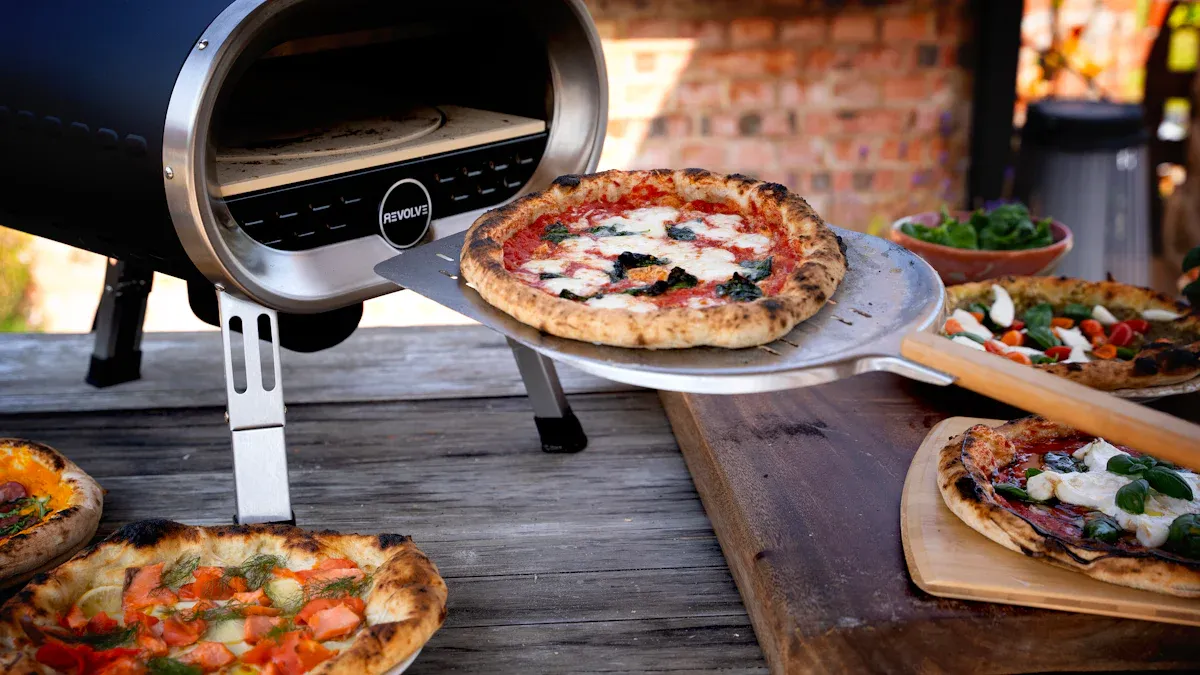
Selecting the perfect indoor pizza oven for a home demands careful consideration. Many factors influence this important decision. Individuals must explore various options to ensure an informed choice for their pizza-making journey. An indoor pizza oven offers convenience and delivers delicious results. A Hot Plate Oven can also provide similar cooking capabilities for specific culinary needs.
Key Takeaways
- Indoor pizza ovens come in electric, gas, and hybrid types. Each type has different fuel sources and features.
- Electric ovens are easy to use. They plug into a wall. Some sit on counters, others build into cabinets.
- Gas ovens use propane or natural gas. They get very hot. They need good ventilation to be safe.
- Hybrid ovens use gas and wood. They offer both convenience and smoky flavor for your pizza.
- Look for ovens that get very hot. High heat makes pizza cook fast and taste better.
- The cooking surface matters. Cordierite stone and steel plates help make a crispy crust.
- Good insulation keeps the oven hot inside. It also keeps the outside cool and saves energy.
- Consider your kitchen space. Choose an oven that fits your counter or can be built in.
Understanding Indoor Pizza Oven Types
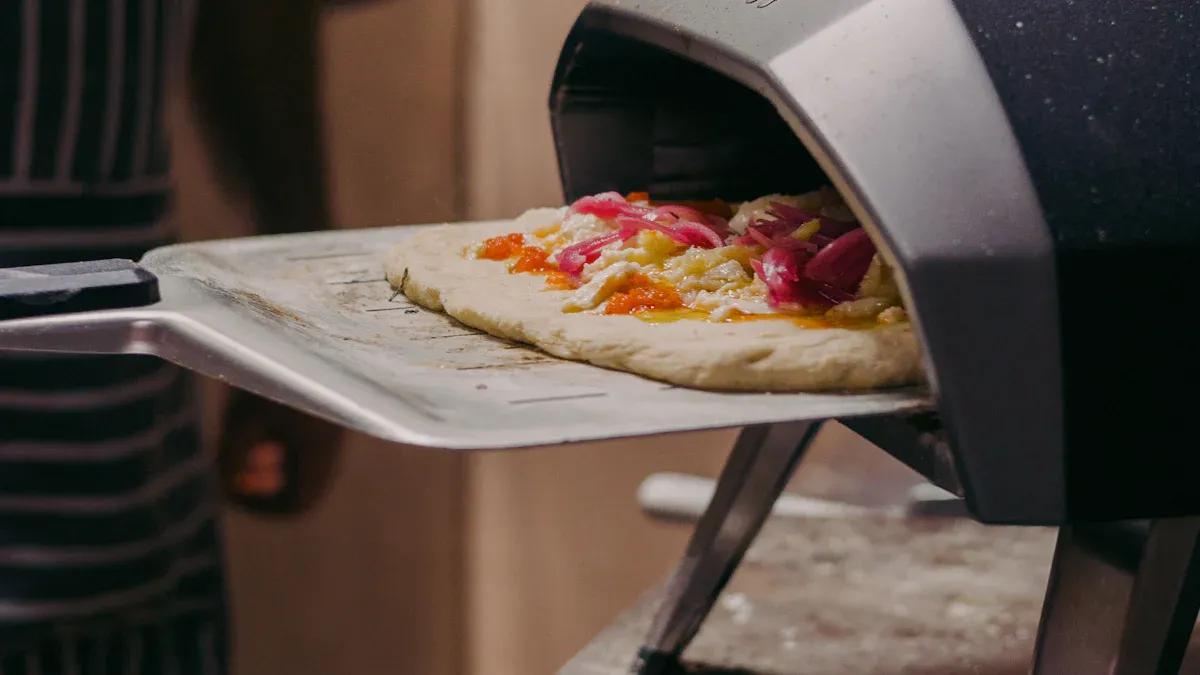
Individuals exploring indoor pizza ovens discover a range of options, each offering distinct advantages for home pizza making. These ovens vary primarily by their fuel source, influencing performance, installation, and the overall cooking experience.
Electric Indoor Pizza Ovens
Electric indoor pizza ovens provide convenience and ease of use, making them a popular choice for many households. They operate by plugging into a standard electrical outlet, eliminating the need for gas lines or external fuel sources.
Countertop Models
Countertop electric pizza ovens are compact and portable. Users can place them on a kitchen counter and store them away when not in use. These models often feature rapid heating elements and precise temperature controls. For example, the Current Model P Smart Pizza Oven reaches a maximum temperature of 850°F, cooking a pizza in as little as two minutes. The Cuisinart Indoor Pizza Oven (CPZ-120) operates within a temperature range of 350°F to 700°F, suitable for various pizza styles.
Built-In Options
Built-in electric pizza ovens integrate seamlessly into kitchen cabinetry, offering a sleek and permanent solution. These units often require professional installation and dedicated electrical circuits. They provide a more aesthetic and integrated look, similar to a traditional wall oven.
Gas-Powered Indoor Pizza Ovens
Gas-powered indoor pizza ovens deliver high heat and consistent cooking temperatures, often preferred by enthusiasts seeking authentic results. They typically use either propane or natural gas.
Propane vs. Natural Gas Considerations
Propane ovens offer portability, connecting to refillable tanks. Natural gas ovens require a direct connection to a home’s gas line, providing an uninterrupted fuel supply. Gas-powered indoor pizza ovens, such as Alfa ovens, typically take around 30-40 minutes to reach optimal cooking temperatures of 400-500°C. Factors like gas pressure, installation quality, and external conditions can influence this heat-up time.
Ventilation Requirements
Proper ventilation is crucial for gas-powered indoor pizza ovens. These ovens produce combustion byproducts, including carbon monoxide, if fuel burns without sufficient air. Adequate ventilation and oxygen supply are essential to prevent dangerous CO buildup. Users should install an audible carbon monoxide detector. For effective ventilation, a ducted range hood with at least 1200+ CFM is necessary. The hood should be 12 to 24 inches larger than the oven and feature stainless steel baffle filters. Ensure the duct is large enough to remove greasy air and smoke. If a range hood is not used, a UL-certified steel double-wall chimney system is typically required. Maintain at least 6 inches of air space between the flue or anchor plate and any flammable materials.
Hybrid and Multi-Fuel Indoor Pizza Ovens
Hybrid and multi-fuel indoor pizza ovens offer the best of both worlds, combining different fuel sources for versatility and enhanced flavor.
Combining Electric and Gas
Hybrid ovens provide unparalleled control by combining gas for steady, reliable heat with wood for authentic smoky flavor. A dual-fuel system offers options: gas for quick weeknight meals with easy temperature control, and wood for the ritual and flavor on weekends. Chef Marco believes that “a hybrid pizza oven provides the ultimate flexibility, allowing you to switch between the authentic wood-fired flavor and the convenience of gas when needed.” Sophia agrees, saying, “with a dual-fueled oven, you have the option to use gas for a quick weeknight pizza or wood for a more authentic taste when you have more time on the weekend.” These ovens offer faster heat-up times, especially with gas, allowing an oven like the Fontana Forni Margherita to reach 750°F in about 30 minutes.
Wood Pellet Attachments
Some multi-fuel ovens include attachments for wood pellets. These attachments allow users to infuse pizzas with a smoky, wood-fired flavor, even when the primary fuel source is gas or electricity. This option provides a traditional taste without the full commitment of a wood-fired oven.
Essential Features for Your Indoor Pizza Oven
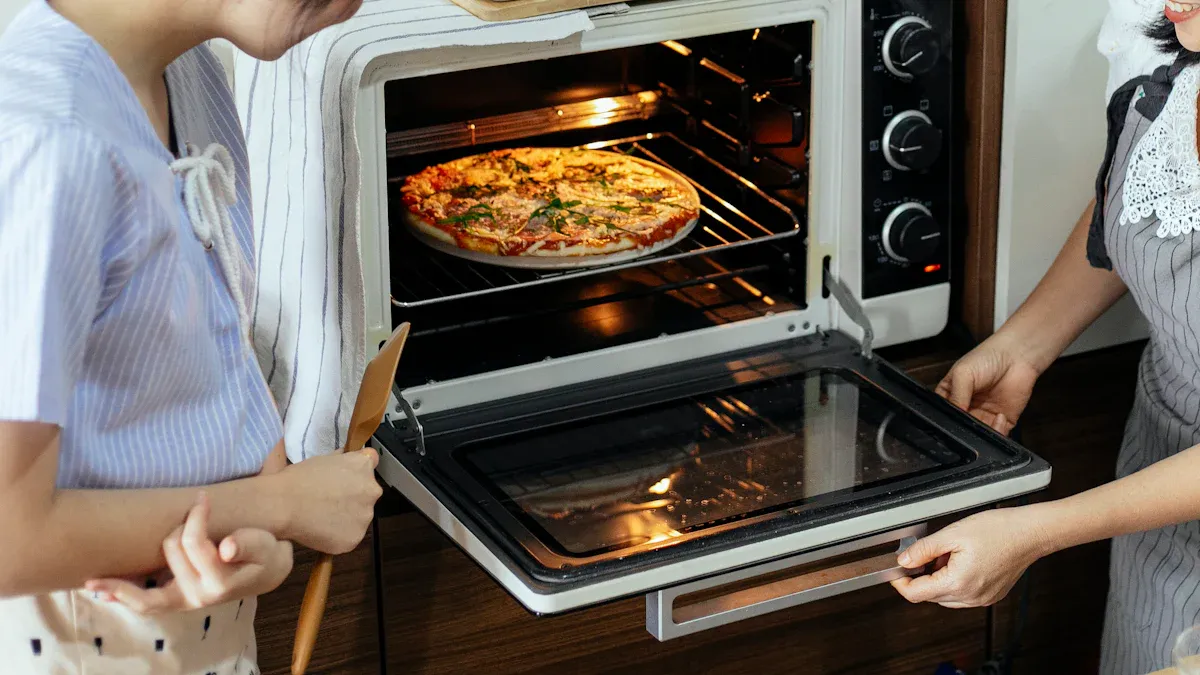
Selecting an indoor pizza oven involves evaluating several essential features. These characteristics directly impact cooking performance, ease of use, and the quality of the final product. Understanding these features helps consumers make an informed decision.
Temperature Range and Control
The ability of an indoor pizza oven to reach and maintain specific temperatures is paramount for achieving desired pizza styles.
Maximum Heat Capability
High temperatures are crucial for cooking pizza quickly and effectively. For Neapolitan-style pizza, which features a thin crust, the ideal cooking temperature ranges from 800°F to 900°F. This intense heat creates the characteristic crispy yet airy crust with slightly charred edges. However, conventional indoor ovens typically have a maximum temperature limit of 500°F to 550°F due to safety and ventilation standards. This limitation makes replicating authentic Neapolitan results challenging indoors. Outdoor pizza ovens are specifically designed to reach and sustain these higher temperatures. Therefore, consumers seeking a true Neapolitan experience from an indoor pizza oven should prioritize models capable of reaching higher temperatures.
Precise Temperature Settings
Precise temperature control significantly enhances cooking consistency. Modern indoor pizza ovens, such as the Current Model P Smart Pizza Oven, achieve this through digital temperature control and smart app integration. These features ensure even heat distribution throughout the cooking chamber. This eliminates the need for manual pizza rotation, a common requirement in traditional ovens, and consistently delivers “spot-on results every time” across various pizza styles. The electric design of these ovens allows for restaurant-quality results to be achieved effortlessly, without concerns about unevenly cooked outcomes or running out of fuel. Consumers can expect consistent and even heat, ensuring every pizza cooks perfectly.
Cooking Surface Material
The material of the cooking surface plays a vital role in heat transfer to the pizza crust, directly affecting its crispness and texture.
Cordierite Stone Benefits
Cordierite pizza stones offer excellent and uniform heat transfer rates, which helps reduce cooking time. They are suitable for applications demanding high thermal conductivity. Cordierite heats faster and more uniformly compared to traditional porcelain. The material also exhibits excellent thermal stability and resistance to thermal shock, ensuring durability and consistent performance over time. This makes cordierite a popular choice for achieving a well-cooked crust.
Steel Plate Advantages
A baking steel conducts heat more efficiently than a pizza stone. This superior heat conductivity results in a super crisp crust, similar to those from professional pizzerias or wood-fired ovens. The intense heat retention and transfer properties of steel are key to achieving enhanced crispness. For flatbreads like pizza, the primary goal involves cooking the bottom crust rapidly to achieve crispness without overcooking the interior or toppings. Moisture trapped between the crust and a pan can hinder crisping and browning. Placing the pizza on a preheated surface helps this moisture evaporate quickly, allowing the crust to cook and crisp efficiently.
Insulation and Heat Retention
Effective insulation is crucial for an indoor pizza oven’s performance and efficiency.
Double-Walled Construction
Many high-quality indoor pizza ovens feature double-walled construction. This design creates an air gap or incorporates insulating materials between the inner and outer walls of the oven. This construction minimizes heat loss, keeping the exterior cool to the touch while maintaining high temperatures inside. It also contributes to faster preheating times and more stable cooking temperatures.
Energy Efficiency
Good insulation directly translates to energy efficiency. An oven that retains heat effectively requires less energy to maintain its desired temperature. This reduces electricity or gas consumption during cooking. Efficient heat retention also ensures a more consistent cooking environment, preventing temperature fluctuations that can lead to unevenly cooked pizzas. This feature benefits both the user’s utility bill and the quality of the pizza.
Size and Capacity of Indoor Pizza Ovens
The physical dimensions and cooking capacity of an oven significantly influence its suitability for a home kitchen. Consumers must consider both the size of the pizzas they wish to make and the available space in their kitchen.
Pizza Diameter Compatibility
Oven capacity directly dictates the maximum pizza diameter users can cook. Most countertop models accommodate pizzas ranging from 10 to 12 inches, ideal for individual or small family servings. Larger ovens can handle pizzas up to 16 inches, suitable for feeding more people. Users should verify the internal dimensions of the cooking chamber to ensure it matches their preferred pizza size. This compatibility ensures a perfect fit and optimal cooking results for every pizza.
Counter Space Footprint
The physical footprint of an oven on a kitchen counter is a critical consideration. Compact designs suit smaller kitchens or limited counter space. Larger, more robust models require a dedicated area. Users should measure their available counter space carefully before purchasing. Some ovens feature sleek, vertical designs to minimize their horizontal impact, while others spread out horizontally.
Storage Solutions
For users with limited counter space, storage solutions become important. Many countertop ovens offer portability, allowing users to move them into a pantry or cabinet when not in use. Manufacturers design some models with lighter materials or more compact forms for easier storage. Built-in options, conversely, integrate permanently into cabinetry, eliminating storage concerns but requiring initial installation.
Preheating Time
The time an oven takes to reach its optimal cooking temperature directly impacts convenience and overall cooking efficiency. Users often prioritize ovens with quick preheating capabilities.
Quick Heat-Up Ovens
Modern ovens often boast rapid preheating times, allowing users to start cooking sooner. This feature is particularly beneficial for busy weeknights or spontaneous pizza cravings. Faster heat-up times contribute to a more efficient cooking process, reducing the wait before the pizza enters the oven.
Consistent Temperature Maintenance
After reaching the desired temperature, an oven must maintain it consistently throughout the cooking process. This stability prevents hot spots and ensures an even bake. Consistent temperature maintenance is crucial for achieving the perfect crust and thoroughly cooked toppings.
Not preheating an oven means food cooks at a lower temperature initially, which extends the overall cooking time. This extended cooking time, contrary to some beliefs, does not necessarily save energy. Preheating ensures an even bake and helps the pizza base brown and crisp up properly. Longer preheating generally leads to better results, but excessive preheating wastes energy. Placing the pizza stone or tray in the oven during preheating is crucial for proper crust development. Removing unused baking trays can also speed up preheating time and save energy.
Skipping preheating can extend pizza cooking time by 1 to 10 minutes, depending on the pizza type. The initial oven heating time is saved if users skip preheating. However, certain raw dough products, like Casa di Mama and Calzone pizzas, should not be prepared without preheating. Other types, such as Ristorante and Tradizionale pizzas, can be cooked without preheating, though they may require a few extra minutes to achieve desired results.
Matching an Indoor Pizza Oven to Your Needs
Selecting the ideal indoor pizza oven requires careful consideration of individual preferences and practical constraints. Consumers must align their choice with their cooking style, available kitchen space, and budget. This ensures the chosen appliance perfectly complements their pizza-making aspirations.
Your Cooking Style
A user’s preferred pizza style and cooking frequency significantly influence the most suitable oven type. Different pizza varieties demand specific cooking conditions.
Neapolitan vs. New York Style
Pizza styles dictate the necessary oven temperature. Neapolitan pizza, for instance, requires extremely high heat for a very short cooking time. This creates its characteristic airy crust and slightly charred spots.
Neapolitan pizza bakes at temperatures ranging from 700 to 1000°F for a short duration of 60 to 90 seconds.
Conversely, New York-style pizza cooks at lower temperatures for a longer period, resulting in a crispier, chewier crust.
| Pizza Style | Temperature Range (°F) |
|---|---|
| Neapolitan-style | 800 – 950 |
| New York-style | 450 – 550 |
Individuals who prioritize authentic Neapolitan results should seek ovens capable of reaching and sustaining these extreme temperatures. Those preferring New York-style or other varieties may find ovens with a broader, lower temperature range more suitable.
Frequency of Use
How often someone plans to use their indoor pizza oven also guides their decision. Frequent users benefit from durable models with quick heat-up times and consistent performance. Casual users might prioritize ease of storage and simpler operation. An oven designed for daily use offers robust construction and advanced features. An oven for occasional use might focus on portability and basic functionality.
Kitchen Space and Layout
The physical dimensions of a kitchen and its layout play a crucial role in selecting an indoor pizza oven. Users must consider both the oven’s footprint and its integration into the cooking area.
Compact Designs for Small Kitchens
Smaller kitchens benefit from compact and portable oven designs. These models often feature a smaller footprint, allowing them to fit on limited counter space. Many compact ovens are also lightweight, making them easy to store in cabinets or pantries when not in use. This flexibility ensures they do not permanently occupy valuable counter space.
Dedicated Pizza Stations
Larger kitchens or homes with dedicated cooking areas can accommodate more substantial ovens. Some enthusiasts create a “pizza station” with a built-in oven, specialized prep surfaces, and storage for ingredients and tools. These setups offer a more integrated and professional pizza-making experience. They provide ample space for dough preparation, topping assembly, and oven operation.
Budget Considerations for an Indoor Pizza Oven
The budget significantly impacts the range of available options. Indoor pizza ovens vary widely in price, from entry-level models to premium, feature-rich appliances.
Entry-Level Options
Entry-level indoor pizza ovens offer basic functionality at an accessible price point. These models typically provide sufficient heat for standard pizzas and feature straightforward controls. They are ideal for beginner cooks or those seeking to make homemade pizza without extensive features.
| Model | Price Range |
|---|---|
| Cuisinart CPZ-120 Stainless Steel Indoor Pizza Oven | $198 – $390 |
| Breville Pizza Maker | $155 |
- Cuisinart CPZ-120 Stainless Steel Indoor Pizza Oven: This model is not the fanciest indoor pizza oven. It features analog and clearly labeled controls, indicating basic functionality.
- Breville Pizza Maker: This oven suits beginner cooks or those looking to make homemade pizza without fuss. It offers less heat control, signifying basic functionality.
Mid-Range Performance
Mid-range ovens strike a balance between cost and features. They often offer higher maximum temperatures, more precise temperature control, and improved insulation. These models cater to users who desire better performance and more consistent results without investing in top-tier appliances. They provide enhanced durability and a wider range of cooking capabilities.
Premium Features
Premium indoor pizza ovens represent the pinnacle of home pizza-making technology. They boast the highest temperatures, advanced digital controls, superior insulation, and often smart features like app connectivity. These ovens deliver professional-grade results and cater to serious pizza enthusiasts. They typically feature robust construction and a wider array of cooking options, justifying their higher price point.
Power Requirements
Understanding the power requirements for an indoor pizza oven is crucial for safe and efficient operation. Different models demand varying electrical capacities, directly impacting performance and installation. Users must assess their home’s electrical infrastructure before purchasing an oven.
Standard Outlets
Many electric indoor pizza ovens operate on standard 120V household outlets. These ovens are generally easier and less expensive to install. Users can simply plug them into an existing wall socket. However, 120V ovens often have performance limitations. They typically feature slower preheat times and slower temperature recovery. Examples of ovens using 120V include the Ooni Volt and Breville Pizzaiolo.
| Voltage | Characteristics |
|---|---|
| 120V | Standard household outlets; generally easier and less expensive to install; performance limited, slower preheat, slower recovery times; examples include Ooni Volt and Breville Pizzaiolo. |
| 240V | Used by larger appliances; delivers significantly more power for faster preheating, higher maximum temperatures, and quicker temperature recovery; ideal for multiple pizzas or Neapolitan-style baking; requires a dedicated circuit and professional installation. |
Dedicated Circuits
Larger, more powerful electric pizza ovens often require 240V power. These ovens deliver significantly more power. This results in faster preheating, higher maximum temperatures, and quicker temperature recovery. They are ideal for baking multiple pizzas or achieving authentic Neapolitan-style results. However, 240V ovens necessitate a dedicated circuit and professional installation. A licensed electrician is essential for installing a new circuit, especially a 240V line. This ensures correct amperage rating, proper wire gauge, and appropriate breaker installation. This prevents fire hazards and damage to the oven.
Ease of Use and Maintenance for Indoor Pizza Ovens
An indoor pizza oven offers convenience and delicious results. Its long-term enjoyment depends significantly on its ease of use and maintenance. Consumers often prioritize features that simplify cleaning, offer intuitive controls, and ensure safe operation.
Cleaning and Care
Effective cleaning and care extend the lifespan of any kitchen appliance. Pizza ovens are no exception. Manufacturers design many models for straightforward maintenance.
Non-Stick Surfaces
Many internal components feature non-stick coatings. These surfaces prevent food from adhering, making cleanup quick and easy. Users can often wipe away spills and residue with a damp cloth. This design minimizes scrubbing and reduces cleaning time after each use.
Removable Components
Removable parts greatly simplify the cleaning process. Pizza stones, trays, and crumb trays often detach from the main unit. Users can wash these components separately, ensuring thorough cleaning. For cordierite pizza stones, specific care is essential. Users should avoid washing-up liquid and other chemical cleaners. The stone is uncoated and absorbs water.
- Allow the stone to cool completely before cleaning. This prevents cracking.
- Remove excess food residue using a plastic spatula or pizza stone brush.
- Use a damp rag for stubborn residue.
- Wipe the stone with a clean rag to remove debris.
- Air dry completely to prevent mold, mildew, or cracks. Never bake a wet stone to dry it, as this can cause cracks.
User-Friendly Controls
Intuitive controls enhance the overall cooking experience. They allow users to operate the oven efficiently and achieve desired results.
Digital Displays
Digital displays provide accurate readings of the oven’s internal temperature. They eliminate guesswork in temperature management. These displays allow for precise heat management across a wide range of cooking temperatures. This supports various pizza styles. Digital controls offer flexibility, consistency, and control for perfect results. Smart controls enable real-time temperature monitoring and adjustment. They provide complete control over the cooking process.
Intuitive Dials
Many ovens feature intuitive dials for temperature and timer settings. These dials offer a simple, tactile way to adjust cooking parameters. Users can quickly set the desired temperature and cooking duration. This straightforward approach makes the oven accessible for all skill levels.
Safety Features
Safety is a paramount concern for any kitchen appliance. Indoor pizza ovens incorporate several features to protect users and their homes.
Automatic Shut-Off
Automatic shut-off functions prevent overheating and conserve energy. The oven turns off after a set period or when it reaches a certain temperature. This feature provides peace of mind, especially if users forget to turn off the appliance.
Cool-Touch Exteriors
Cool-touch exteriors prevent accidental burns. The outer casing of the oven remains cool to the touch, even when the interior reaches high temperatures. This design is particularly beneficial in households with children or pets. For installations not using a hood, a UL-certified steel double-wall chimney system is often required due to high flue temperatures. Some manufacturers also use certified asbestos-free vermiculite or perlite for insulation, highlighting the importance of non-hazardous materials in oven construction.
Portability and Storage
The practicalities of portability and storage significantly influence the appeal of an indoor pizza oven for many consumers. Homeowners often consider how easily they can move and store the appliance when not in use. This factor becomes particularly important for individuals with limited kitchen space or those who prefer a clutter-free environment. Manufacturers design many modern ovens with these considerations in mind, offering solutions that balance performance with convenience.
Lightweight Designs
Manufacturers engineer many indoor pizza ovens with lightweight materials. This design choice makes the appliances easier to lift, move, and reposition within the kitchen. For example, some models utilize aluminum or specialized composites for their casings, reducing the overall weight without compromising durability or heat retention. A lighter oven allows users to effortlessly transfer it from a storage cabinet to the countertop for use. This feature benefits individuals who do not have a permanent spot for their pizza oven. It also simplifies cleaning tasks, as users can easily move the oven to access all its surfaces. The ease of handling enhances the overall user experience, making pizza night less of a chore and more of a pleasure.
Compact Storage
Compact storage solutions are crucial for maximizing kitchen space. Many indoor pizza ovens feature designs that minimize their footprint. Some models boast a vertical orientation, occupying less counter space horizontally. Others offer detachable components, allowing users to break down the oven into smaller, more manageable pieces for storage. For instance, removable pizza stones or trays can be stored separately, further reducing the bulk of the main unit.
“A well-designed pizza oven considers not just cooking performance but also how it integrates into a user’s daily life, including its storage footprint.”
Manufacturers also consider the overall dimensions, ensuring many ovens fit comfortably into standard kitchen cabinets or pantries. This thoughtful design prevents the appliance from becoming a permanent fixture on the countertop, which is especially valuable in smaller apartments or kitchens. The ability to store an oven away neatly helps maintain an organized and functional kitchen environment. This ensures the appliance remains accessible without dominating valuable counter space.
Top Indoor Pizza Oven Brands and Models
Consumers exploring indoor pizza ovens find a diverse market. Many reputable brands offer models tailored to different needs and preferences. This section highlights some leading manufacturers and their notable products.
Popular Electric Indoor Pizza Oven Brands
Electric indoor pizza ovens offer convenience and precise control. Several brands excel in this category, providing excellent performance for home users.
Breville Pizzaiolo
The Breville Pizzaiolo stands out for its ability to reach high temperatures quickly. It replicates the intense heat of a brick oven. This oven achieves temperatures up to 750°F. It cooks Neapolitan-style pizzas in just two minutes. The Pizzaiolo features Element IQ technology. This technology directs heat to where it is needed most. It ensures even cooking of the crust and toppings. Its compact design makes it suitable for most kitchen countertops.
Ooni Volt
The Ooni Volt is a versatile electric oven. It offers both indoor and outdoor use. It reaches 850°F in just 20 minutes. This oven cooks a pizza in 90 seconds. The Ooni Volt includes a built-in timer and adjustable heat controls. It also has a boost function for quick heat recovery between pizzas. Its sleek design and portability make it a popular choice for pizza enthusiasts.
Leading Gas Indoor Pizza Oven Manufacturers
Gas-powered indoor pizza ovens provide consistent high heat. They often appeal to users seeking authentic results. Some manufacturers offer indoor-compatible gas models.
Gozney Dome (Indoor Kit)
The Gozney Dome is a professional-grade oven. It offers an indoor kit for safe kitchen integration. This multi-fuel oven can use gas or wood. It reaches temperatures over 950°F. The Dome features a large cooking surface. It accommodates pizzas up to 16 inches. Its robust construction ensures excellent heat retention. The indoor kit includes specific ventilation requirements for safe operation.
Roccbox (Indoor Use)
The Roccbox is a portable gas-fired oven. It can be used indoors with proper ventilation. It reaches 932°F in 60 seconds. This oven cooks pizzas in 90 seconds. The Roccbox features a safe-touch silicone jacket. This jacket reduces the risk of burns. Its compact size and retractable legs make it easy to store. It is a popular choice for quick and authentic pizza making.
Specialty and Niche Indoor Pizza Oven Brands
Some brands cater to specific high-performance or unique feature requirements. They offer specialized indoor pizza oven models.
Effeuno P134 for High Performance
The Effeuno P134 is a high-performance electric oven. It is popular among serious pizza makers. This oven reaches temperatures up to 842°F (450°C). It cooks Neapolitan pizzas in under two minutes. The P134 features independent top and bottom heating elements. This allows for precise crust control. Its robust build quality ensures durability and consistent results.
Gemelli Home for Unique Features
Gemelli Home offers innovative indoor pizza ovens. They often include unique features. These features enhance the cooking experience. Their models might incorporate advanced smart technology. They could also have specialized cooking modes for various pizza styles. Gemelli Home focuses on user-friendly interfaces and aesthetic designs. They aim to blend functionality with modern kitchen aesthetics.
Installation and Ventilation for Indoor Pizza Ovens
Proper installation and effective ventilation are critical for the safe and efficient operation of any indoor pizza oven. Users must understand these requirements to ensure both optimal performance and kitchen safety. Careful planning prevents potential hazards and enhances the cooking experience.
Countertop Placement
Placing a countertop pizza oven requires attention to surrounding clearances and heat management. These considerations protect adjacent surfaces and ensure safe operation.
Clearance Requirements
Countertop ovens generate significant heat. Users must maintain specific distances from combustible materials. They need at least 30 inches of clearance to each side of the oven. A space of 36 inches in front of the door opening allows for safe access. The oven requires 18 inches of clearance from its top to highly flammable materials. Maintain 10 inches from the back of the oven to combustible materials. Finally, ensure 30 inches from the bottom of the oven to combustible materials.
Heat Dissipation
Ovens dissipate heat during operation. Adequate space around the unit allows for proper airflow. This prevents heat buildup and protects countertops and cabinets from damage. Good heat dissipation also contributes to the oven’s longevity.
Built-In Oven Installation
Built-in pizza ovens offer a seamless kitchen aesthetic but demand more complex installation procedures. These installations often require professional expertise.
Professional Assistance
Installing a built-in oven typically requires professional assistance. Electricians ensure correct wiring for 240V models, which need dedicated circuits. Plumbers handle gas line connections for gas-powered units. Professionals guarantee compliance with local building codes and safety standards.
Cabinetry Integration
Integrating an oven into cabinetry demands precise measurements and fire-resistant materials. Installers must ensure sufficient insulation around the oven cavity. This protects surrounding cabinets from intense heat. They also need to plan for proper ventilation within the cabinet structure.
Ventilation Best Practices
Effective ventilation is paramount for indoor pizza ovens, especially those producing smoke or combustion byproducts. It removes heat, smoke, and odors, maintaining indoor air quality.
Range Hood Effectiveness
A ducted range hood is essential for ventilating indoor pizza ovens. The hood should have at least 1200+ CFM (cubic feet per minute). Stainless steel baffle filters are recommended for capturing grease. The hood size should be 12 to 24 inches larger than the pizza oven. The duct must be large enough to remove all greasy air and smoke. Type 1 Hoods are becoming an industry standard for commercial pizza oven venting. Fire marshals and permitting offices prefer them due to their safety and efficiency. These hoods allow pizza oven exhaust and smoke to vent directly into the hood. They filter the exhaust to prevent fires by keeping grease and creosote buildup out of the ducts. The exhaust fan also increases the pizza oven’s draw, reducing smoke from the front of the oven.
Air Circulation
Proper air circulation around the oven and effective exhaust are crucial. A high-powered pizza oven requires a range hood with a high CFM. The hood should pull at least 1200 CFM of air to vent smoke and contaminants. Consider a hood with stainless steel baffle filters; they efficiently capture grease and dirt and are dishwasher-safe. Size the hood between 12 and 24 inches larger than the pizza oven to ensure adequate coverage. This prevents smoke from escaping. Ensure the duct is large enough to move all the greasy air and smoke. A powerful hood is ineffective with a too-small duct, leading to inefficiency and grease buildup. Choose a hood built with durable stainless steel (e.g., 304 SS) that can withstand heavy smoke and heat, especially for ovens running at 500+º. Without effective venting, issues like lingering smoke, odors, and carbon monoxide buildup can occur.
Choosing the ideal indoor pizza oven requires careful consideration of oven types, essential features, and individual needs. Consumers empower their decision by evaluating factors like temperature range, cooking surface, and kitchen space. The right indoor pizza oven transforms home cooking, leading to homemade pizza perfection. This comprehensive guide helps individuals select the perfect appliance for their culinary journey.
FAQ
What temperature do indoor pizza ovens reach?
Indoor pizza ovens can reach temperatures from 450°F to over 900°F. Neapolitan-style pizzas require higher temperatures, often exceeding 800°F. Other styles, like New York, cook effectively at 450-550°F.
Can users operate an indoor pizza oven outdoors?
Some electric indoor pizza ovens, like the Ooni Volt, are designed for both indoor and outdoor use. Gas-powered indoor models typically require proper ventilation, which outdoor settings naturally provide. Always check the manufacturer’s guidelines for safe operation.
How long does an indoor pizza oven take to preheat?
Preheating times vary by model and fuel type. Electric ovens may take 15-30 minutes. Gas ovens often reach optimal temperatures in 30-40 minutes. Faster preheating enhances convenience for users.
What is the best cooking surface material for an indoor pizza oven?
Cordierite stone offers excellent, uniform heat transfer for a crispy crust. Steel plates conduct heat more efficiently, resulting in a super crisp crust similar to professional pizzerias. Each material provides distinct advantages for pizza texture.
Do indoor pizza ovens need special ventilation?
Gas-powered indoor pizza ovens require robust ventilation, such as a ducted range hood with at least 1200+ CFM. This removes combustion byproducts and ensures safety. Electric ovens generally need less stringent ventilation but still benefit from good air circulation.
How do users clean an indoor pizza oven?
Cleaning involves allowing the oven to cool completely. Users then remove excess food residue with a brush or spatula. For cordierite stones, avoid chemical cleaners and air dry thoroughly. Non-stick surfaces and removable components simplify the process.
What types of pizza can an indoor pizza oven make?
Indoor pizza ovens can make various pizza styles. High-temperature ovens excel at Neapolitan pizza. Lower-temperature models suit New York-style, thin-crust, or deep-dish pizzas. The oven’s temperature range dictates its versatility.
Post time: Nov-29-2025