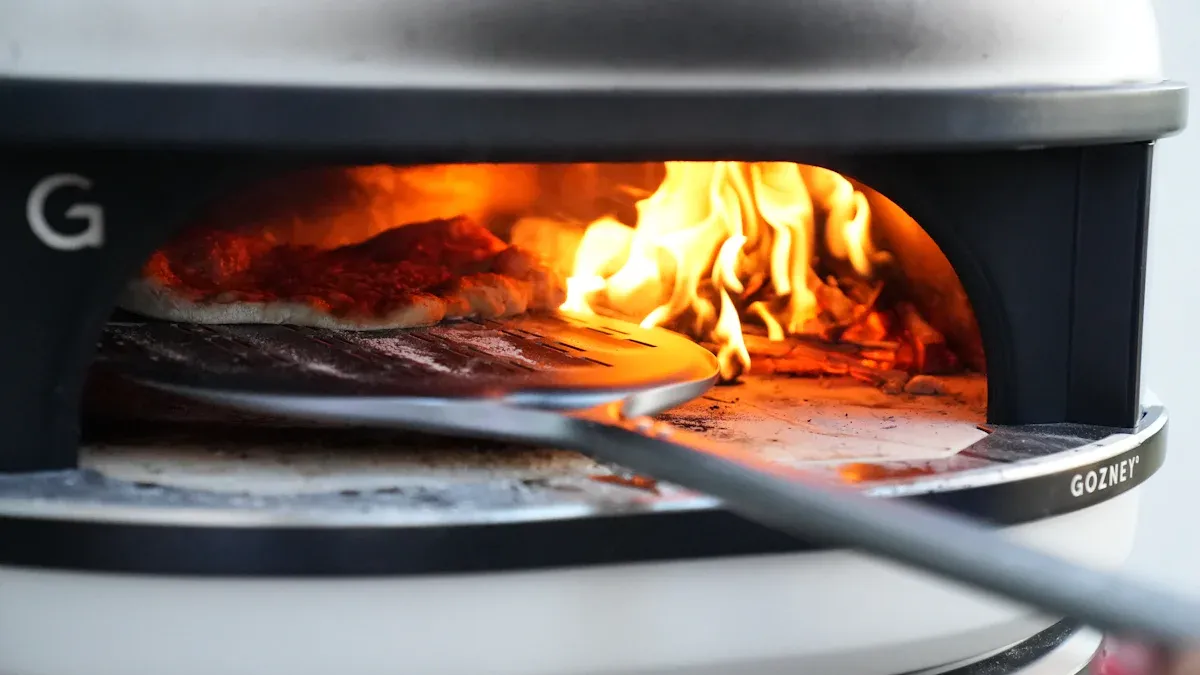
Electric indoor pizza ovens offer convenience, consistency, and maintain superior indoor air quality. They provide precise temperature control for predictable results. Multi-fuel indoor pizza ovens, conversely, excel in authentic flavor and versatility. Users must manage fuel and ventilation for these models. A high-performance indoor pizza oven, like a Hot Plate Oven, combines traditional craftsmanship with advanced technology. It delivers restaurant-quality results for home enthusiasts.
Key Takeaways
- Electric ovens are easy to use. They cook pizza evenly and quickly.
- Multi-fuel ovens give pizza a smoky taste. They cook pizza very fast at high heat.
- Electric ovens do not make smoke. They are good for indoor air quality.
- Multi-fuel ovens need good ventilation. This keeps your home safe from smoke.
- Electric ovens are simple to clean. Multi-fuel ovens need more cleaning because of ash.
- Choose an oven based on your budget. Think about how often you will make pizza.
- Consider your kitchen space. Also, think about how much work you want to do.
- Electric ovens are best for quick meals. Multi-fuel ovens are for those who enjoy cooking as a hobby.
Electric Indoor Pizza Ovens: Convenience and Consistency
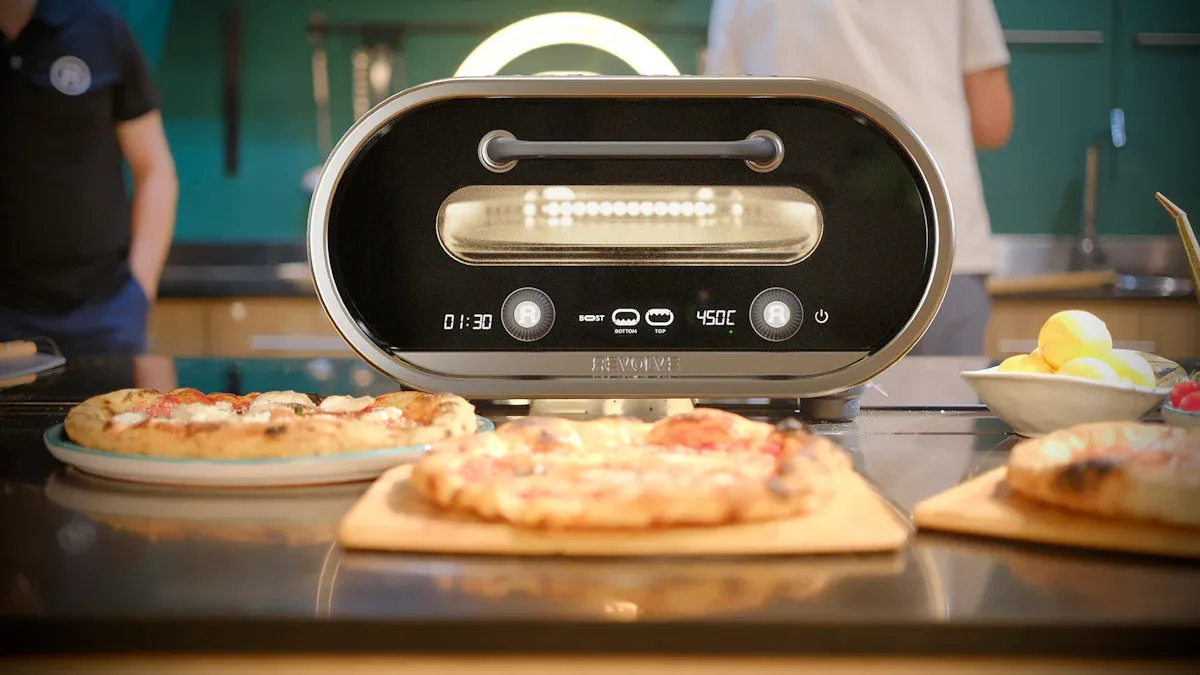
Electric indoor pizza ovens offer a modern solution for home pizza making. They prioritize ease of use and consistent results, making them a popular choice for many households.
Performance and Ease of Use
Consistent Heat Distribution
Electric ovens utilize advanced heating systems. These systems rapidly preheat and maintain even heat distribution throughout the cooking chamber. This ensures every pizza bakes uniformly, achieving a golden, crispy crust and perfectly melted cheese. The precise temperature control prevents hot spots, leading to predictable outcomes with each use.
User-Friendly Controls
These ovens typically feature intuitive digital control panels. Users can easily adjust settings based on pizza type, dough thickness, and desired crispiness. Many models include preset baking modes, simplifying the cooking process for beginners and experienced chefs alike. This straightforward operation minimizes the learning curve.
Rapid Preheating
Electric indoor pizza ovens boast impressive preheating times. They quickly reach optimal cooking temperatures. For example, the Ooni Volt reaches 885°F in just 15 minutes, while the Effeuno P134-HA achieves 1050°F in 13 minutes. Another model, the Ooni Volt, can reach 850°F in 20 minutes. This rapid preheating allows for spontaneous pizza nights without long waits.
| Model | Max Heat (°F) | Preheat Time (minutes) |
|---|---|---|
| Ooni Volt | 885 | 15 |
| Effeuno P134-HA | 1050 | 13 |
| Ooni Volt | 850 | 20 |
Flavor Profile and Cooking Experience
Clean and Predictable Results
Electric ovens produce a classic, evenly cooked pizza with a consistent texture. They achieve a crispy crust with a uniform bake. This contrasts with the distinct charring and blistering often found in wood-fired ovens. The flavor remains straightforward, focusing on the ingredients rather than smoky notes.
No Smoke or Ash
A significant advantage of electric models is the absence of smoke or ash. This ensures superior indoor air quality and a cleaner cooking environment. Users do not need to worry about ventilation systems or managing fuel byproducts.
Versatility Beyond Pizza
While primarily designed for pizza, many electric ovens offer versatility. They can bake other items, such as bread, cookies, or roasted vegetables. This expands their utility beyond just pizza making.
Practical Considerations for an Electric Indoor Pizza Oven
Countertop Footprint
Electric indoor pizza ovens often feature a compact design. This makes them suitable for smaller kitchens or limited counter space. Their portability also allows for flexible placement within the home.
Power Requirements
These ovens operate on standard electrical outlets. Users should verify the specific power requirements for their chosen model to ensure compatibility with their home’s electrical system.
Maintenance and Cleaning
Electric ovens are generally easier to clean and maintain. Their interiors often feature food-grade non-stick coatings. Many models include removable baking plates, simplifying hygienic operation and upkeep. This reduces the effort required after each cooking session.
Limitations of Electric Indoor Pizza Ovens
While electric indoor pizza ovens offer significant advantages in convenience and consistency, they also present certain limitations. These factors influence the type of pizza they produce and their operational flexibility.
Limited Temperature Ceiling
Electric indoor pizza ovens typically operate within a specific temperature range. This range often falls below the extreme heat levels achieved by traditional wood-fired or multi-fuel ovens. For example, the Chefman High-Heat Indoor Electric Pizza Oven can reach a maximum temperature of 800°F (425°C), with its operational range spanning from 300°F to 800°F (150°C to 425°C). Similarly, the Cuisinart Indoor Pizza Oven achieves a maximum temperature of 700°F, operating within a 350°F to 700°F range. These temperatures are excellent for many pizza styles, but they may not replicate the intense heat required for a true Neapolitan pizza, which often cooks at 900°F or higher. The lower maximum temperature can result in slightly longer cook times and a different crust development compared to ultra-high-heat ovens.
Lack of Authentic Char
The absence of an open flame or direct radiant heat from burning fuel means electric ovens do not impart the same authentic char or “leopard-spotting” on the crust. This characteristic blistering and slight smokiness are hallmarks of traditional wood-fired pizzas. Electric models produce a uniformly browned and crispy crust. However, they cannot replicate the distinct flavor profile and visual appeal that direct flame contact provides. Pizza enthusiasts seeking that specific smoky aroma and blistered crust may find electric ovens fall short of their expectations.
Reliance on Electricity
Electric indoor pizza ovens depend entirely on a stable electrical supply. This reliance limits their portability and usability in locations without access to a power outlet. Users cannot operate these ovens during power outages, which can disrupt meal plans. Furthermore, while many models boast energy efficiency, their operation still contributes to household electricity consumption. This contrasts with multi-fuel options, which offer greater flexibility in fuel sources and can operate independently of the electrical grid, providing more versatility for outdoor use or off-grid scenarios. The fixed nature of an electric power source dictates where users can place and operate the appliance.
Multi-Fuel Indoor Pizza Ovens: Authenticity and Versatility
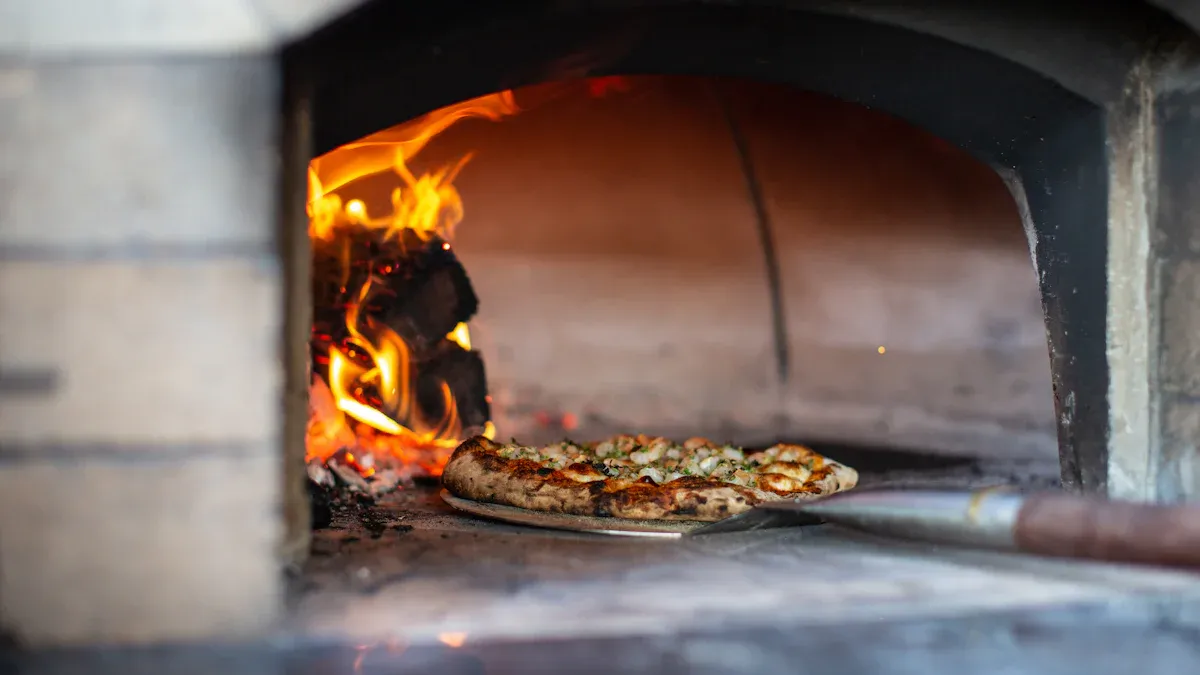
Multi-fuel indoor pizza ovens cater to enthusiasts seeking an authentic pizza-making experience. These ovens offer a traditional approach, emphasizing rich flavors and unique textures.
Authentic Flavor and Texture
Wood-Fired Taste
Multi-fuel ovens excel at imparting a distinctive wood-fired taste. The combustion of wood releases specific chemical compounds into the cooking environment. Guaiacol and syringol are key contributors to the smoky aroma. Additionally, acids, esters, ketones, aldehydes, terpenes, aromatic substances, and heterocyclic substances further enrich the flavor profile. These elements combine to create a complex, savory taste that electric ovens cannot replicate.
High Heat for Neapolitan Crust
Achieving a true Neapolitan-style crust requires extremely high temperatures. Multi-fuel ovens, especially wood-fired models, easily exceed 900°F. This intense heat cooks thin crust pizzas optimally, typically between 800°F and 900°F. The rapid cooking time creates a crust that is crispy on the outside with a soft, airy interior, often featuring characteristic leopard-spotting. Multi-fuel ovens provide the precise temperature control necessary for these demanding styles.
Stone-Baked Perfection
These ovens often feature a stone baking surface. This surface absorbs and radiates heat evenly, ensuring a perfectly cooked base. The stone draws moisture from the dough, resulting in a crispier crust. This method replicates traditional pizzeria techniques, delivering a superior texture and bake.
Fuel Versatility and Control
Wood, Gas, or Charcoal Options
Multi-fuel ovens offer significant versatility in fuel sources. Users can choose between wood, gas, or charcoal, depending on their preference for flavor and convenience. For instance, the Coyote 30″ Hybrid Multi-Fuel Pizza Oven uses both liquid propane or natural gas and wood. This oven includes a 34,000 BTU gas burner and reaches a maximum temperature of 1,000°F. The Roccbox pizza oven also offers propane with a wood option, providing flexibility.
Manual Temperature Management
Operating a multi-fuel oven often involves manual temperature management. Users adjust fuel input and airflow to control the heat. This hands-on approach allows for fine-tuning the cooking environment, adapting to different pizza styles and desired outcomes. It requires attention and practice but rewards users with precise control.
Learning the Art of Fire
Mastering a multi-fuel oven involves learning the art of fire management. This includes understanding how different fuels burn, how to maintain consistent heat, and how to achieve optimal flame patterns. This skill adds a rewarding dimension to the pizza-making process, connecting users to traditional culinary practices.
Installation and Ventilation Needs for a Multi-Fuel Indoor Pizza Oven
Exhaust Requirements
Installing a multi-fuel indoor pizza oven demands robust ventilation. A ducted range hood with at least 1200+ CFM is necessary. This powerful system removes combustion byproducts, smoke, and greasy air. It also prevents dangerous carbon monoxide buildup. The hood should extend 12 to 24 inches beyond the oven and feature stainless steel baffle filters. If a range hood is not used, a UL-certified steel double-wall chimney system is typically required.
Dedicated Space Considerations
Multi-fuel ovens require a dedicated space. This space must accommodate the oven itself, fuel storage, and the necessary ventilation equipment. Users must plan for adequate clearance around the oven to ensure safe operation and prevent heat damage to surrounding surfaces.
Safety Protocols
Operating a multi-fuel oven involves strict adherence to safety protocols. Users must ensure proper ventilation, handle fuel safely, and monitor the oven during use. Regular maintenance and inspections are crucial to prevent hazards and ensure long-term safe operation.
Challenges of Multi-Fuel Indoor Pizza Ovens
Multi-fuel indoor pizza ovens offer unparalleled authenticity, but they also present specific challenges. Users must understand these aspects before committing to this type of appliance.
Steeper Learning Curve
Operating a multi-fuel oven demands more skill and practice compared to electric models. Users must master the art of fire management. This includes understanding how different fuels burn, how to load fuel efficiently, and how to regulate airflow to control temperature. Achieving consistent heat distribution and the desired crust characteristics requires hands-on experience. New operators often spend considerable time experimenting with fuel types and quantities to find the optimal cooking environment. This learning process contrasts sharply with the straightforward, push-button operation of electric ovens. Patience and dedication are essential for consistently producing high-quality pizzas with a multi-fuel indoor pizza oven. Operators develop an intuitive understanding of their oven’s behavior over time.
Longer Preheating
Multi-fuel ovens generally require a longer preheating period to reach optimal cooking temperatures. This is particularly true for wood-fired models, which need time to build a proper fire and thoroughly heat the cooking stone.
| Fuel Type | Heat-Up Time to 350°C |
|---|---|
| Gas (12″ Pellet & Gas Pizza Oven) | Approximately 20 minutes |
| Electric (12″ Pellet & Electric Pizza Oven) | Approximately 20 minutes |
Gas ovens, using propane or natural gas, typically become ready to cook in 15 to 25 minutes. For instance, the Ooni Koda 16, a popular gas-powered oven, heats up to 750°F in under 25 minutes. However, wood fire demands a significantly longer period, approximately 30 to 45 minutes, to establish a proper fire and heat the oven and its cooking stone effectively. This extended waiting period requires more planning for meal preparation and can impact spontaneous cooking sessions. Users must account for this additional time when scheduling their pizza-making activities, ensuring the oven reaches its peak performance before baking.
Mess and Cleanup
Multi-fuel ovens, especially those utilizing wood or charcoal, generate more mess than their electric counterparts. Combustion produces ash, soot, and smoke residue. Users must regularly remove ash from the firebox and meticulously clean the interior surfaces to maintain hygiene and optimal performance. Soot can accumulate on the oven walls and chimney, requiring periodic scraping and thorough cleaning. This process is often more involved than simply wiping down an electric oven. The disposal of ash also adds another step to the post-cooking routine, requiring careful handling and proper waste management. These factors contribute to a more labor-intensive cleanup process, demanding consistent attention to detail from the operator after each use.
Direct Comparison: Electric vs. Multi-Fuel Indoor Pizza Ovens
This section provides a direct comparison between electric and multi-fuel indoor pizza ovens. It examines key performance metrics, operational differences, and maintenance considerations. This analysis helps prospective buyers make an informed decision.
Key Performance Metrics
Maximum Temperature
Electric indoor pizza ovens typically reach maximum temperatures between 700°F and 850°F. These temperatures are excellent for many pizza styles, including New York-style and thin-crust pizzas. Multi-fuel ovens, especially wood-fired models, often exceed 900°F, sometimes reaching up to 1000°F or more. This higher temperature capability allows multi-fuel ovens to achieve the rapid cooking and characteristic charring essential for authentic Neapolitan pizza.
Pizza Cook Time
The maximum temperature directly influences pizza cook time. Electric ovens, with their slightly lower maximums, generally cook pizzas in 2 to 6 minutes. Multi-fuel ovens, particularly those operating at 900°F+, can cook a pizza in as little as 60 to 90 seconds. This rapid cooking time is a hallmark of traditional pizzerias.
Preheating Duration
Preheating duration varies between oven types and fuel sources. Electric ovens offer consistent preheating times. Multi-fuel ovens can vary depending on the fuel.
| Oven Type/Mode | Preheating Duration to 350°C |
|---|---|
| Electric Indoor Pizza Oven (Electric Mode) | Approximately 20 minutes |
| Multi-fuel Indoor Pizza Oven (Gas Mode) | Approximately 20 minutes |
As the table shows, both electric and multi-fuel ovens (when using gas) can reach 350°C (662°F) in about 20 minutes. Wood-fired multi-fuel ovens, however, often require 30 to 45 minutes to fully heat the oven and stone.
Operational Differences
Fuel Source and Cost
Electric ovens use electricity as their sole fuel source. Multi-fuel ovens offer versatility, using wood, gas (propane or natural gas), or charcoal. This choice impacts both the cooking experience and ongoing costs.
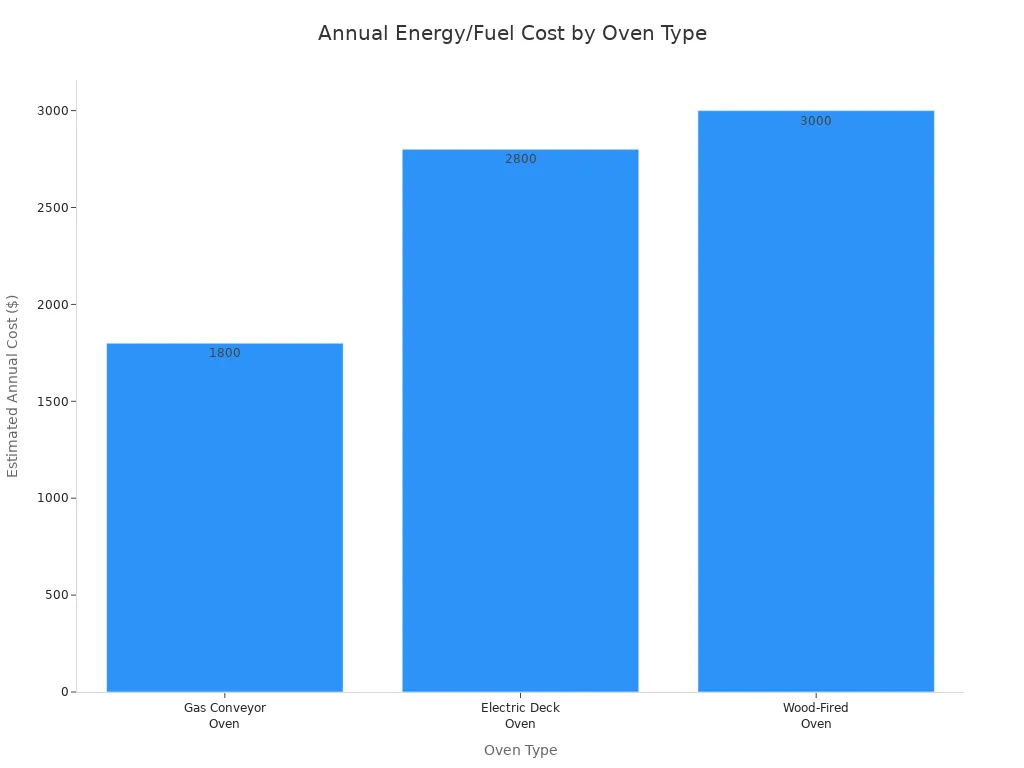
The estimated annual energy/fuel costs vary significantly. Gas conveyor ovens have the lowest estimated annual cost at $1,800. Electric deck ovens are higher at $2,800. Wood-fired ovens incur the highest estimated annual cost at $3,000.
- Gas ovens generally have lower utility costs. Natural gas is often cheaper than electricity. However, they may require more frequent maintenance for burners and gas lines.
- Electric ovens can lead to higher energy bills. High-efficiency models can reduce this gap. They offer precise temperature control and may require less maintenance.
- Wood-fired ovens’ primary cost is the wood itself. This cost can fluctuate based on location and supplier. They also incur significant labor costs for fire management and ash cleaning.
Ease of Operation
Electric ovens offer superior ease of operation. They feature user-friendly digital controls and preset modes. This simplifies the cooking process. Multi-fuel ovens demand more hands-on involvement. Users must manage fuel, monitor flame, and adjust airflow. This requires a steeper learning curve but offers greater control over the cooking environment.
Noise Levels
Electric ovens operate quietly. They produce minimal noise during preheating and cooking. Multi-fuel ovens can generate more noise. Gas models may have a slight hiss from the burner. Wood-fired ovens produce crackling sounds from burning wood and potentially fan noise if equipped with a forced air system.
Maintenance and Longevity
Cleaning Complexity
Cleaning complexity differs significantly between the two types. Electric ovens are generally easier to clean. Multi-fuel ovens, especially wood-fired ones, require more extensive cleaning.
Here are recommended cleaning procedures:
- Daily Clean-Down
- Cool Down First: Ensure the oven is completely cool to prevent burns and damage to heating elements.
- Remove Loose Bits: Brush out crumbs, burnt cheese, and stray toppings from the stone or deck using a heat-resistant brush.
- Wipe Interior Surfaces: Use a damp cloth to clean walls, corners, and door seals to prevent grease buildup.
- Inspect Oven Components: Check pizza stones for cracks, heating elements for damage, and door seals for heat loss prevention.
- Final Touches: Wipe exterior surfaces to maintain a professional appearance.
- Weekly Deep Clean
- Remove Removable Parts: Take out trays, pizza stones, and other removable pieces; shake or wipe off food particles, then wash thoroughly.
- Clean the Oven Floor: Use a durable scraper and heat-resistant brush to remove baked-on grease and stuck-on bits, working from back to front.
- Care Around Heating Element: Use a soft brush and safe cleaning agents, avoiding harsh scrubbing.
- Pizza Stone Maintenance: Once cool, scrape off food debris with a plastic scraper. For stubborn spots, use warm water and let it soak briefly. Never use soap on pizza stones. Air dry completely.
- Stainless Steel Surfaces: Use stainless steel cleaner and a non-abrasive cloth, working with the grain to remove grease. Finish with a clean towel.
- Monthly Maintenance
- Heating elements and wiring: Inspect for uneven cooks or hot spots, which indicate wear.
- Loose seals and hinges: Check for splits or looseness that can cause heat leakage and power waste.
- Fans, vents, and filters: Clean to prevent blockages, which can reduce airflow and overwork the oven.
Cleaning tools and solutions:
- Brush: Heat-resistant brush for stubborn spots; wire brushes for hard residues, soft cloth for stainless steel.
- Scraper: For removing baked-on food without scratching surfaces.
- Clean towels or a damp cloth: For wiping wet areas.
- Vacuum with nozzle attachment: To remove loose crumbs, dust, and residue from vents and hard-to-reach areas.
- Professional-Grade Cleaning Solutions: Stainless steel cleaner for exterior surfaces.
- Baking Soda: Gentle but effective for food residues (not for pizza stones).
- Warm water and white vinegar: Chemical-free solution for cutting through grease buildup.
- Stellarchem cleaning solutions: For stronger cleaning power in heavy-use situations.
- Avoid: Abrasive cleaners and anything with chlorine bleach.
Safety precautions for cleaning:
- Ensure the oven is completely cool (typically 2-3 hours after last cook).
- Turn off all electrical connections before cleaning.
- Never spray water directly onto heating elements or electrical components.
- Use proper ventilation when working with cleaning agents.
Durability and Materials
Both electric and multi-fuel ovens use robust materials for durability.
- Exterior Body: Painted Steel
- Handle: Plastic and Solid Brass
- Interior Cooking Chamber: Commercial Grade Stainless Steel, Graphite Heating Elements (upper), Electric Coil Heating Element (lower)
- Legs/Control Housing: Plastic
- Pizza Stone: Cordierite
Electric ovens often feature commercial-grade stainless steel interiors and durable cordierite pizza stones. Multi-fuel ovens also use high-quality stainless steel and refractory materials to withstand extreme temperatures and repeated thermal cycles. The choice of materials ensures longevity for both types of indoor pizza oven.
Long-Term Running Costs
Long-term running costs encompass fuel, maintenance, and potential replacement parts. As discussed, fuel costs vary significantly. Electric ovens generally have higher electricity bills but lower maintenance. Multi-fuel ovens, especially wood-fired, have higher fuel costs and require more labor for cleaning and fire management. Gas multi-fuel ovens offer a balance, with lower fuel costs than wood and less intensive cleaning than wood-fired models.
Flavor and Experience
The choice between electric and multi-fuel ovens significantly impacts the pizza’s final flavor and the overall cooking experience. Each oven type offers distinct characteristics that appeal to different preferences.
Crust Texture and Char
Electric indoor pizza ovens consistently produce a uniformly browned and crispy crust. Their precise temperature control ensures an even bake across the entire pizza surface. This results in a predictable texture without the intense charring or blistering often associated with traditional methods. The crust maintains a clean, consistent appearance. Multi-fuel ovens, particularly wood-fired models, achieve much higher temperatures. This intense heat creates the characteristic “leopard-spotting” or char on the crust. The rapid cooking process also develops a unique texture: a crispy exterior with a soft, airy interior. This distinct charring and texture are hallmarks of authentic Neapolitan-style pizza.
Smoky Aroma
Electric ovens do not produce smoke during operation. This results in a clean flavor profile where the ingredients’ natural tastes dominate. Users experience no smoky aroma or taste in their pizza. Multi-fuel ovens, especially those burning wood or charcoal, impart a distinct smoky aroma. The combustion of wood releases complex compounds that infuse the pizza with a rich, savory, and often slightly sweet smoky flavor. This smoky essence is a primary reason many enthusiasts prefer multi-fuel options. It adds depth and authenticity to the pizza that electric ovens cannot replicate.
Overall Cooking Enjoyment
Electric ovens offer a convenient and predictable cooking experience. Their user-friendly controls and rapid preheating allow for quick, consistent results. This makes them ideal for casual weeknight meals or for users prioritizing ease of use. The process is straightforward, requiring minimal intervention. Multi-fuel ovens provide a more hands-on and engaging experience. Users manage the fire, adjust fuel, and monitor temperatures. This process transforms pizza making into a craft. The satisfaction of mastering fire and producing an authentic, smoky pizza enhances the overall cooking enjoyment. This type of indoor pizza oven appeals to those who value the journey as much as the destination.
Making Your Choice: Factors for Your Indoor Pizza Oven
Selecting the ideal indoor pizza oven involves evaluating several critical factors. Prospective buyers consider their budget, cooking habits, desired pizza style, available space, and lifestyle. Each element plays a significant role in determining the best fit for a home kitchen.
Budget and Investment
The financial commitment for an indoor pizza oven extends beyond the initial purchase price. It also includes ongoing fuel costs and potential installation expenses.
Initial Purchase Price
The initial cost of an indoor pizza oven varies significantly based on its type, features, and brand. Entry-level models, often electric, typically fall under $350. These ovens provide a convenient way to make pizza at home without a large upfront investment. High-end models, particularly those capable of achieving Neapolitan-style results, start around $800. These premium ovens offer advanced features and superior performance. For example, the Ooni Volt 2 represents a premium electric pizza oven, reflecting a higher price point due to its advanced technology and capabilities. Multi-fuel ovens can also range widely, with some compact gas models being relatively affordable, while larger, more robust wood-fired units command higher prices.
| Category | Price Range |
|---|---|
| Entry-level (Budget) | Under $350 |
| High-end (Neapolitan capable) | Starting around $800 |
Ongoing Fuel Costs
Fuel costs represent a recurring expense for any indoor pizza oven. Electric ovens incur electricity costs, which vary based on local utility rates and usage frequency. Multi-fuel ovens have different ongoing costs depending on the fuel source. Gas (propane or natural gas) often proves more economical than electricity in many regions. Wood or charcoal, while offering authentic flavor, can become a significant expense, especially if users purchase pre-cut wood or specialty charcoal. The availability and price fluctuations of these fuels impact the long-term running cost of the oven.
Installation Expenses
Installation expenses primarily affect multi-fuel indoor pizza ovens, especially those requiring specific ventilation modifications. Electric ovens generally only need a standard electrical outlet. Multi-fuel ovens, however, may necessitate professional installation for gas lines or specialized ventilation systems. Installation costs can range from $500 to $2,000. A dedicated ventilation system, crucial for safety and air quality, can add $1,000 to $5,000. Gas or electric hookups might cost an additional $500 to $2,000. Commercial oven installations, which sometimes include multi-fuel components, can range from hundreds to several thousand dollars. Complex setups may even exceed the appliance’s cost. These expenses include permits, inspections, and coordination with various trades. Ventilation and fire suppression systems represent a significant hidden cost, potentially reaching tens of thousands of dollars for new installations without existing infrastructure. This includes hoods, ductwork, exhaust fans, and make-up air systems, all requiring proper sizing based on appliance type and BTU output.
| Cost Type | Cost Range |
|---|---|
| Installation | $500 – $2,000 |
| Ventilation System | $1,000 – $5,000 |
| Gas/Electric Hookup | $500 – $2,000 |
Cooking Frequency and Skill Level
The frequency of pizza making and a user’s comfort with hands-on cooking significantly influence the choice of oven.
Casual vs. Enthusiast Baker
Casual bakers, who make pizza infrequently or prioritize convenience, often find electric ovens more suitable. These ovens offer quick preheating and consistent results with minimal effort. Enthusiast bakers, who enjoy the process of crafting pizza and seek authentic flavors, gravitate towards multi-fuel ovens. These ovens provide a more engaging and rewarding cooking experience. They allow for greater control over the bake and the development of specific crust characteristics.
Willingness to Experiment
Multi-fuel ovens demand a greater willingness to experiment. Users must learn to manage fuel, control temperature manually, and understand the nuances of fire. This involves trial and error to achieve desired results. Electric ovens, with their precise digital controls, offer a more predictable and less experimental cooking process. They suit users who prefer consistent outcomes without extensive tinkering.
Time Commitment
Electric ovens require less time commitment for setup and cleanup. They preheat quickly and clean easily. Multi-fuel ovens, especially wood-fired models, demand more time. They require longer preheating periods, active fire management during cooking, and more extensive cleanup due to ash and soot. Users must factor in this additional time when planning their pizza-making sessions.
Desired Flavor and Authenticity
The ultimate flavor profile and level of authenticity a user seeks are crucial decision-making factors.
Preference for Smoky Notes
Users who desire a distinct smoky flavor in their pizza should consider multi-fuel ovens, particularly those that use wood or charcoal. The combustion of these fuels infuses the pizza with unique aromatic compounds, creating a depth of flavor electric ovens cannot replicate. Electric ovens produce a clean, unadulterated flavor, allowing the ingredients to shine without any smoky undertones.
Quest for Neapolitan Style
Achieving an authentic Neapolitan-style pizza requires specific conditions that multi-fuel ovens typically provide.
- The pizza should be round, with a diameter no greater than 35 cm.
- The crust must be puffed up, while the center should be a maximum of 4 mm thick.
- The crust should be 1-2 cm high, even, and puffed up.
- Its color should be golden with very few burns and bubbles.
- The pizza has to be easy to fold (like a book).
- The pizza has an imperfectly shaped, hand-shaped disc (30-35 cm), not perfectly round.
- It features an elevated, golden brown, airy ‘cornicione’ (crust).
- It has a thin, soft base (not crispy).
- The dough ferments for 8-24 hours, made with only flour, water, salt, and yeast (no oil, milk, or semolina).
Multi-fuel ovens reach the extremely high temperatures (900°F+) necessary for the rapid cooking and characteristic charring of a true Neapolitan crust. Electric ovens, while capable of producing excellent pizza, often cannot reach these extreme temperatures, making it challenging to replicate the exact texture and char of a traditional Neapolitan pie.
Consistency vs. Craft
Electric ovens prioritize consistency. They deliver predictable results with minimal variation, making them ideal for users who value reliability and ease. Multi-fuel ovens emphasize the craft of pizza making. They offer greater control and the ability to fine-tune the cooking process, leading to unique and highly personalized results. This approach appeals to those who enjoy the hands-on artistry of traditional cooking.
Available Space and Setup for an Indoor Pizza Oven
The physical footprint and installation requirements of an indoor pizza oven significantly influence its suitability for a home. Users must carefully assess their kitchen layout and available resources.
Kitchen Counter Space
Electric indoor pizza ovens generally offer a more compact design. Many models fit comfortably on a standard kitchen countertop, making them ideal for smaller kitchens or apartments. Their dimensions typically resemble those of a large microwave or toaster oven. This allows for flexible placement and easier storage when not in use. Multi-fuel indoor pizza ovens, especially those designed for wood or charcoal, often demand more substantial space. These units can be heavier and bulkier, sometimes requiring a dedicated cart or a reinforced countertop. Their larger size accommodates the combustion chamber and provides adequate insulation for high temperatures. Users must ensure sufficient clearance around the oven for safe operation and heat dissipation, regardless of the fuel type.
Ventilation Options
Ventilation is a critical consideration, particularly for multi-fuel indoor pizza ovens. Electric ovens produce no smoke or combustion byproducts, so standard kitchen ventilation or even good air circulation often suffices. Multi-fuel ovens, however, generate smoke, soot, and carbon monoxide. Proper exhaust systems are essential for safety and indoor air quality.
- Direct Vent (UL103HT double wall chimney pipe): This system provides a natural draw and optimal thermal performance. It is suitable for indoor installations and outdoor installations under a roof structure. Forno Bravo, for example, utilizes DuraTech, a UL103HT listed double-wall stainless steel chimney system, certified for indoor use with their Casa, Premio, Professionale, and Modena ovens. This system can extend up to 60 feet vertically and must reach at least 3 feet above the roofline. Users can incorporate up to two 30-degree offsets to change the flue direction.
- Type 1 Hood: This is another ventilation option required for indoor pizza oven installations, particularly in commercial or semi-commercial settings.
The provided source does not contain any information regarding the associated costs for either the direct vent or Type 1 Hood ventilation options for indoor pizza ovens. Users should consult with HVAC professionals to determine the specific requirements and costs for their setup.
Portability Needs
Portability varies significantly between oven types. Electric indoor pizza ovens are typically more portable. Their lighter weight and reliance on a standard electrical outlet allow users to move them easily for storage, cleaning, or even for use in different areas of the home or outdoors (if a power source is available). Multi-fuel ovens, especially larger models, are generally less portable. Their weight, the need for fuel lines (gas) or fuel storage (wood/charcoal), and complex ventilation systems often make them semi-permanent fixtures. Users should consider how often they plan to move the oven and whether its design supports that need.
Lifestyle and Convenience
An indoor pizza oven should integrate seamlessly with a user’s lifestyle and cooking habits. Different ovens cater to varying levels of convenience and engagement.
Quick Weeknight Meals
Electric indoor pizza ovens excel at providing quick weeknight meals. Their rapid preheating times and user-friendly controls allow for spontaneous pizza making with minimal fuss. Users can typically go from cold oven to cooked pizza in under 30 minutes, making them a convenient option for busy schedules. The straightforward operation and easy cleanup further enhance their appeal for everyday use. This efficiency ensures that a delicious, homemade pizza is always within reach, even on the busiest evenings.
Weekend Projects
Multi-fuel indoor pizza ovens transform pizza making into a more involved weekend project. The longer preheating times, the art of fire management, and the hands-on process of adding fuel and adjusting airflow become part of the experience. This appeals to users who enjoy the craft of cooking and view pizza making as a rewarding hobby. It offers an opportunity to experiment with different fuels, temperatures, and techniques, turning a meal into a social event or a personal culinary adventure. The process itself becomes as enjoyable as the final product.
Cleanup Preferences
Cleanup preferences play a crucial role in oven selection. Electric ovens generally offer a simpler cleanup process. Their interiors often feature non-stick coatings, and removable parts are frequently dishwasher-safe. There is no ash or soot to manage, making post-cooking tidying quick and effortless. Multi-fuel ovens, particularly those burning wood or charcoal, require a more extensive cleanup. Users must remove ash, clean soot from the interior surfaces, and manage potential grease buildup. This demands more time and effort, but for enthusiasts, it is a small price to pay for the authentic flavors achieved.
Selecting the ideal indoor pizza oven ultimately depends on individual priorities. Users prioritizing convenience and consistent results often find electric models suitable. These ovens offer modern ease of operation. Conversely, multi-fuel options provide authentic flavor and a hands-on cooking experience, though they demand more effort. Buyers should carefully consider their budget, available space, cooking habits, and desired pizza style. This ensures the best choice for their home.
FAQ
What is the main difference between electric and multi-fuel indoor pizza ovens?
Electric ovens offer convenience, consistency, and easy cleanup. Multi-fuel ovens provide authentic flavor and higher temperatures. They require more hands-on management and attention to fuel.
Which type of oven is better for authentic Neapolitan pizza?
Multi-fuel ovens are better for authentic Neapolitan pizza. They reach the extremely high temperatures (900°F+) needed for rapid cooking and characteristic crust char. This creates the desired texture.
Do electric pizza ovens produce smoke?
No, electric pizza ovens do not produce smoke or ash. They ensure superior indoor air quality. This eliminates the need for complex ventilation systems.
What are the ventilation requirements for multi-fuel indoor pizza ovens?
Multi-fuel indoor pizza ovens require robust ventilation. A ducted range hood with at least 1200+ CFM is necessary. This removes smoke and prevents carbon monoxide buildup.
How long does it take to preheat an indoor pizza oven?
Electric and gas multi-fuel ovens typically preheat in 15-25 minutes. Wood-fired multi-fuel ovens require 30-45 minutes. This allows them to fully heat the oven and stone.
Are multi-fuel ovens difficult to clean?
Yes, multi-fuel ovens are generally more challenging to clean. They produce ash and soot. Users must regularly remove ash and clean interior surfaces. This process demands more effort.
Can I use an indoor pizza oven for more than just pizza?
Yes, many indoor pizza ovens offer versatility. Electric models can bake bread, cookies, or roasted vegetables. Multi-fuel ovens also accommodate various dishes. This expands their utility.
Post time: Dec-23-2025