Introduction
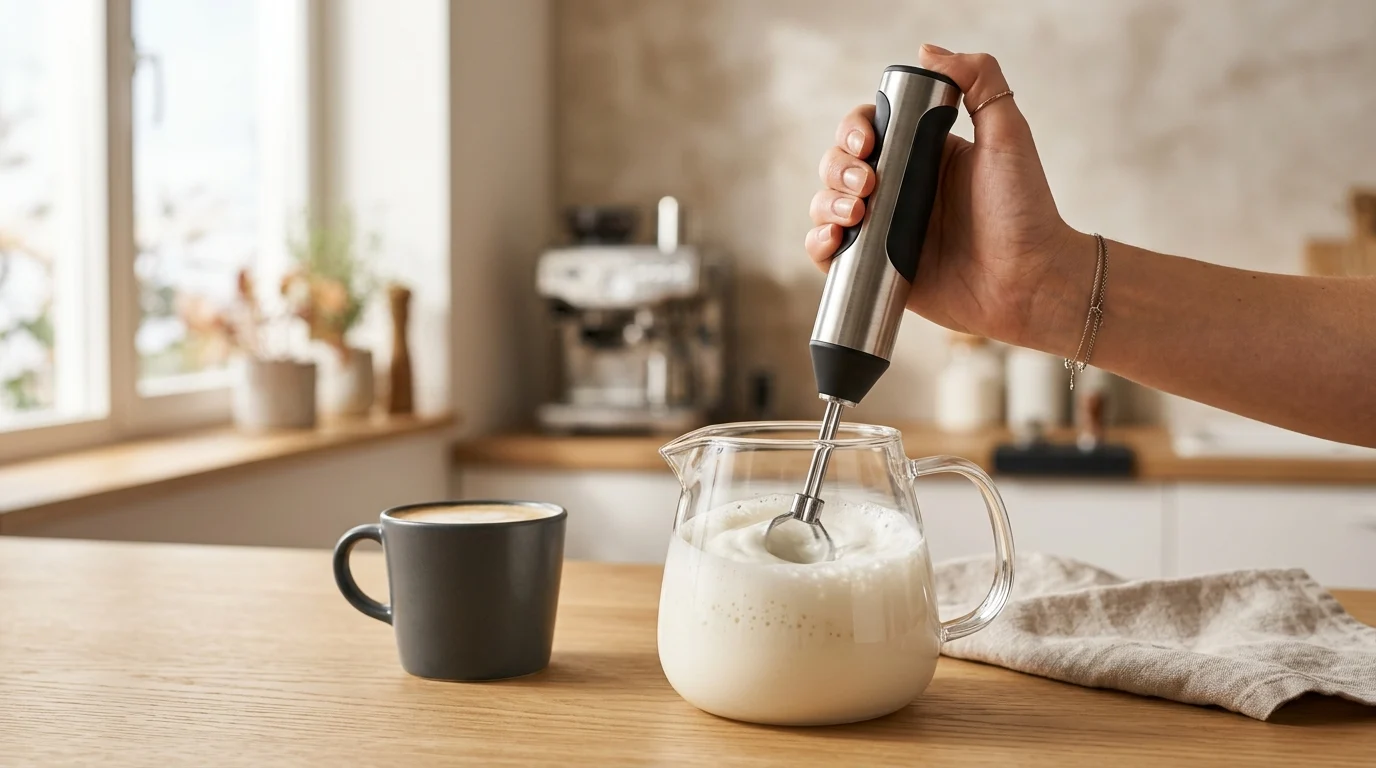
For cafés where milk drinks drive most orders, the quality of foam is not a minor detail but a core part of drink consistency, speed, and customer perception. A commercial-grade milk frother is built to produce stable microfoam at the right temperature through repeated service cycles, helping baristas deliver smoother lattes, drier cappuccinos, and more reliable latte art without slowing down the line. This article explains why professional frothing equipment matters, how it affects texture and workflow, and what features separate heavy-duty machines from consumer models so buyers can choose equipment that supports both beverage quality and daily volume.
Types of Commercial Milk Frothers and Key Specifications
The commercial market offers several distinct mechanisms for texturing milk, each engineered to address specific operational constraints such as energy availability, space, and required output. Selecting the appropriate technology requires a thorough understanding of how these systems heat and aerate the liquid.
Steam, automatic, and induction systems
Traditional steam wands, driven by a centralized boiler, remain the industry standard for specialty cafes. These systems inject dry, pressurized steam directly into the milk, rapidly heating and aerating it simultaneously. Automatic frothers, on the other hand, utilize internal pumps and thermoblock heaters to draw cold milk from a reservoir, mix it with air, and dispense hot foam directly into the cup. This system eliminates human error and is highly prevalent in quick-service environments.
Induction systems represent a growing segment in standalone commercial frothers. These units utilize a magnetic field to rapidly heat a metal pitcher while a motorized whisk spins at high velocities to incorporate air. Because induction heating is highly efficient and transfers heat directly to the vessel without exposed heating elements, it offers a safe, plug-and-play solution that requires minimal plumbing or specialized electrical infrastructure.
Capacity, recovery time, and temperature control
The technical specifications of a frother dictate its performance ceiling during peak hours. For boiler-driven steam systems, boiler capacity typically ranges from 5 to 14 liters, operating at a pressure of 1.2 to 1.5 bar. The wattage of the heating element—often ranging from 1500W to over 3000W—determines the recovery time, which is the duration required for the machine to return to optimal operating temperature after a dispensing cycle.
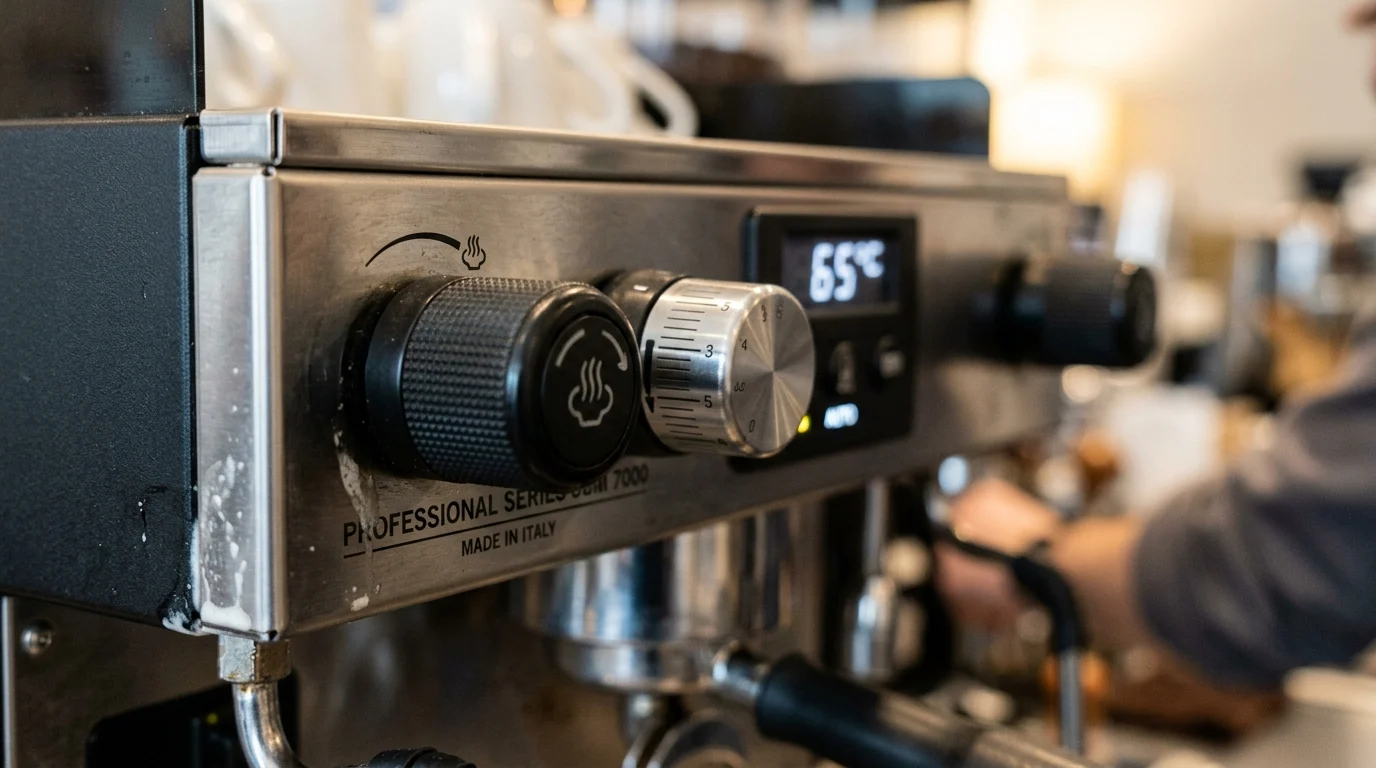
In high-volume settings, a recovery time of under 10 seconds is necessary to prevent bottlenecks. Temperature control mechanisms, such as PID (Proportional-Integral-Derivative) controllers, are crucial for maintaining thermal stability. Advanced Beverage Quality relies on these controllers to ensure the heating element activates proactively, preventing temperature drops that can result in flat, under-textured milk.
How to compare commercial options
When comparing commercial options, buyers must evaluate the intersection of heating technology, power requirements, and daily output limits. An induction frother might be highly cost-effective and easy to install but may struggle to keep pace with a multi-group espresso machine relying on a massive 10-liter steam boiler.
| Frother System Type | Heating Mechanism | Typical Power Draw (Watts) | Ideal Daily Output (Cups) | Primary Advantage |
|---|---|---|---|---|
| Boiler-Driven Steam | Pressurized Steam Injection | 2500W – 5000W+ | 200 – 500+ | Unmatched microfoam quality |
| Automated Pump | Thermoblock / Flash Heater | 1500W – 3000W | 150 – 300 | Minimal barista training required |
| Commercial Induction | Magnetic Field & Whisk | 500W – 1200W | 50 – 150 | Energy efficiency, compact size |
How to Evaluate Quality, Compliance, and Durability
Procuring equipment for food and beverage operations extends far beyond performance specifications; the hardware must withstand the rigors of a commercial kitchen while adhering to stringent health and safety mandates. A domestic appliance might survive 500 duty cycles before failing, whereas a commercial unit is engineered for 10,000 to 50,000 cycles, necessitating robust construction and accessible maintenance pathways.
Build quality, food-safe materials, and sanitation
The materials utilized in milk-contact zones directly impact both food safety and equipment longevity. Commercial units predominantly feature 304 or 316 food-grade stainless steel for pitchers, steam wands, and internal tubing. These alloys are highly resistant to the corrosive effects of lactic acid and repeated exposure to high-alkaline cleaning chemicals.
Some modern systems incorporate advanced PTFE (Teflon) or proprietary non-stick coatings on the exterior of steam wands to prevent milk proteins from baking onto the hot metal, significantly easing the sanitation process. Furthermore, manufacturers are increasingly eliminating brass components in any fluid pathways to strictly comply with global lead-free mandates and prevent heavy metal leaching over time.
Certifications, electrical standards, and compliance
Regulatory compliance is a non-negotiable aspect of commercial procurement. In North America, equipment must typically bear NSF/ANSI 4 certification, which dictates standards for commercial cooking, rethermalization, and powered hot food holding and transport equipment. This ensures that the design lacks crevices where bacteria can proliferate and that all parts are easily cleanable.
Electrical safety is equally critical, governed by standards such as UL 197 in the United States or CE marking in the European Union. Commercial environments also require specific ingress protection ratings; a standard rating of IPX4 is often mandated to ensure the equipment is protected against splashing water from all directions, a common hazard in busy barista stations. Voltage requirements also vary, with heavy-duty machines frequently requiring dedicated 220-240V circuits rather than standard 110-120V outlets.
Maintenance, spare parts, and energy efficiency
The total lifecycle value of a frother is heavily dependent on its maintenance schedule and the availability of spare parts. High-wear components, such as silicone O-rings, pump diaphragms, and whisk attachments, typically require replacement every 6 to 12 months depending on volume. Purchasing from manufacturers that guarantee parts availability for at least 5 to 7 years post-production is a standard industry best practice.
Energy efficiency is another vital consideration, both for operational expenditure and environmental compliance. Many modern commercial systems feature automated eco-modes that drop boiler temperatures by 20 percent or power down thermoblocks during idle periods exceeding 30 minutes. This intelligent power management can reduce daily electricity consumption by up to 30 percent without sacrificing peak-hour readiness.
Sourcing, Setup, and Daily Operation
Transitioning from equipment selection to active deployment requires careful planning regarding supply chain logistics, spatial design, and daily operational protocols. The integration of high-performance Barista Tools must align with the physical constraints of the workspace and the skill level of the staff.
Procurement criteria for buyers and operators
For procurement managers and franchise operators, evaluating the Total Cost of Ownership (TCO) is more critical than the initial sticker price. Upfront costs can vary dramatically, from $500 for a heavy-duty commercial induction unit to upwards of $3,000 for fully automated, modular under-counter milk delivery systems. Buyers must factor in the cost of water filtration systems, annual preventative maintenance contracts, and daily cleaning chemicals.
Additionally, chain operators must consider Minimum Order Quantities (MOQs) and lead times when sourcing directly from manufacturers. Custom branding, specific colorways, or tailored firmware adjustments for automated systems often require an MOQ of 10 to 50 units. Establishing a reliable supply chain ensures that replacement units or expansion inventory can be deployed within a 4-to-6-week lead time, preventing operational downtime.
Setup, workflow, calibration, and cleaning
The physical footprint of the equipment dictates its placement within the barista workflow. A standalone induction frother typically occupies a minimal footprint of approximately 15cm by 30cm, making it ideal for crowded counters. Regardless of the type, ergonomic placement is vital; the frother should be positioned within a single pivot step from the espresso machine to minimize barista fatigue.
Daily sanitation workflows are critical to preventing milk stone buildup—a hard, calcium-rich deposit that harbors bacteria and degrades flavor. Standard operating procedures should mandate a daily purge and soak using an alkaline dairy wash with a pH of 11 to 12. This specific chemical composition is required to break down stubborn milk proteins and fats that standard dish detergents cannot effectively remove.
Testing dairy and plant-based milk performance
The modern Coffee Shop menu is heavily diversified, with plant-based alternatives frequently making up 30 to 40 percent of milk-based drink orders. Traditional whole dairy milk contains roughly 3.2 percent protein and 3 to 4 percent fat, providing an optimal structural matrix for microfoam. Plant-based milks, however, behave differently under heat and aeration.
Oat milk, currently the leading alternative, often contains added emulsifiers like dipotassium phosphate to mimic dairy, but it typically requires lower aeration times—often 15 percent less air intake—to prevent the bubbles from collapsing. Almond and soy milks are prone to curdling if heated past 60 degrees Celsius due to their specific protein structures. When setting up a commercial frother, operators must rigorously test and calibrate the temperature and aeration settings for each specific brand of alternative milk used in the cafe to ensure consistent beverage quality.
Choosing the Right Buying Strategy
Finalizing the procurement strategy requires balancing the artisanal identity of the establishment with the hard metrics of labor costs, throughput, and waste reduction. There is no universal solution; the optimal frother is the one that directly addresses the specific friction points within a cafe’s daily operations.
Automation versus barista control
The debate between automated systems and manual barista control centers on the trade-off between consistency and craft. Fully automated frothers drastically reduce the onboarding and training timeline for new hires, condensing what traditionally takes weeks of practice into a few hours of orientation. Furthermore, because automated systems draw exact volumetric measurements, they can reduce liquid milk waste by up to 15 percent compared to manual free-pouring.
Conversely, manual steam wands and professional standalone frothers that allow for manual pitcher manipulation are essential for cafes whose brand identity relies on latte art and bespoke beverage crafting. While these manual systems require a higher degree of labor skill, they offer unparalleled flexibility to adjust texture on the fly for highly customized customer requests.
A decision framework for selecting the right model
To navigate these options, operators should utilize a structured decision framework. First, accurately audit peak-hour volume; if the cafe consistently exceeds 100 milk-based drinks per hour, automated or high-capacity multi-boiler systems become financially justifiable. Second, evaluate the complexity of the menu. A menu heavily skewed toward standard lattes and mochas benefits from automation, while a menu featuring precise flat whites and traditional macchiatos demands manual control.
Finally, calculate the projected Return on Investment (ROI). An investment in a $2,500 automated frothing system that increases throughput by 50 additional drinks per day during the morning rush can effectively pay for itself in under six months through increased revenue and reduced milk waste. By aligning the equipment specifications with clear financial and operational targets, buyers can ensure their beverage program remains both profitable and highly competitive.
Key Takeaways
- The most important conclusions and rationale for Milk Frother
- Specs, compliance, and risk checks worth validating before you commit
- Practical next steps and caveats readers can apply immediately
Frequently Asked Questions
Why does a commercial milk frother matter in a busy coffee shop?
It improves drink consistency, speeds service, and keeps milk in the ideal 60–65°C range for sweeter flavor and stable microfoam.
Which milk frother type is best for a high-volume drive-thru?
A fully automated pump-and-heater frother is usually best because it delivers fast, repeatable foam with minimal hands-on work.
What frother setup suits a specialty cafe focused on latte art?
A high-pressure steam wand or professional steam module gives baristas better control over aeration and milk texture for latte art.
How fast should a commercial milk frother prepare milk during peak hours?
A strong commercial unit should typically froth an 8-ounce serving in about 10 to 15 seconds to support high throughput.
What should I check before buying a commercial milk frother?
Match the machine to your peak drinks per hour, available space, power setup, recovery time, and required foam consistency.
Post time: May-08-2026