- Aluminum is a strong choice when your distribution line needs a lightweight, cost-efficient Moka Coffee Maker for fast-moving retail channels.
- Stainless steel is better when your buyers expect premium durability, induction compatibility, and longer service life.
- Your best material choice depends on target price, market positioning, stove compatibility, and after-sales expectations.
- Distributors should compare both materials with a supplier that can support product selection, packaging, and bulk ordering needs.
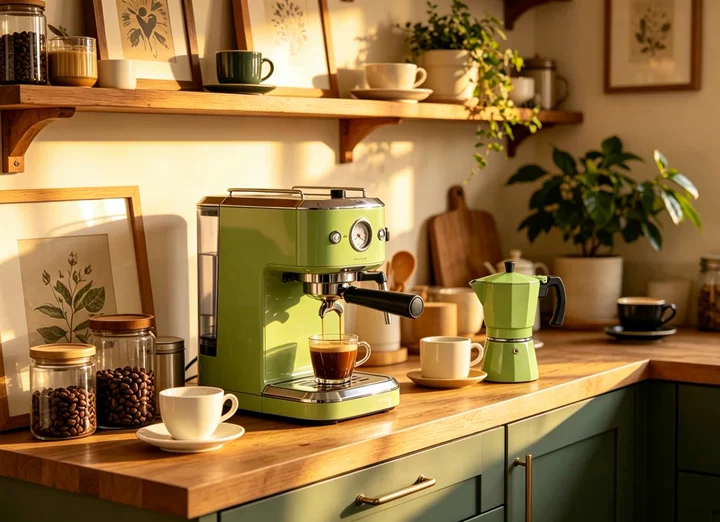
For most distributors, aluminum is the better Moka Coffee Maker choice for entry-level and high-volume retail lines, while stainless steel is the better choice for premium, gift, and long-life product ranges. Aluminum wins when price sensitivity and traditional stovetop use matter most. Stainless steel wins when customers want stronger corrosion resistance, modern styling, and broader stove compatibility. The right decision is not only about material quality; it is about matching the product to your sales channel, customer budget, and brand promise. A balanced distribution line may include both materials to serve different buyer segments.
A Moka Coffee Maker product range should be selected according to how your market buys coffee equipment. In price-driven supermarkets or promotional channels, aluminum models can help you compete aggressively. In specialty kitchenware stores, online premium listings, or corporate gift programs, stainless steel models often support higher perceived value.
Because aluminum conducts heat efficiently, therefore it can brew quickly and appeal to customers who want a classic moka experience. It is also lighter, which may reduce handling pressure during warehousing and retail display. However, aluminum usually requires more careful cleaning and may not suit every modern stovetop.
Because stainless steel resists rust and deformation better, therefore it is often easier to position as a durable, higher-end Moka Coffee Maker. Many stainless steel designs are also compatible with induction cooktops, which matters in markets where newer kitchens are common.
- Choose aluminum when your buyers prioritize affordable pricing, traditional design, and lightweight handling.
- Choose stainless steel when your buyers prioritize premium appearance, long-term durability, and wider stove compatibility.
- Offer both materials when your distribution line serves multiple retail tiers and customer expectations.
Before finalizing your sourcing plan, review the supplier’s manufacturing background on the about page and discuss specifications, packaging, and order requirements through the contact page.
Market Overview: Aluminum vs. Stainless Steel for a Moka Coffee Maker Distribution Line
The Moka Coffee Maker category sits at the intersection of daily brewing, gifting, and value-driven kitchenware. Grand View Research estimates the global coffee machine market at USD 7.8 billion in 2023, and that size supports steady shelf demand across mass retail, specialty shops, and e-commerce. Statista also reports that 74% of U.S. adults drink coffee daily, which keeps brewing tools visible to repeat buyers and impulse shoppers alike. For distributors, that means material choice is not just technical; it shapes price tier, shipping economics, and brand positioning.
Because aluminum conducts heat quickly, therefore it helps entry-level models reach the market with a lower unit cost and a faster brew experience. Because stainless steel resists corrosion and carries a premium perception, therefore it performs well in higher-margin assortments and gift-oriented channels. The U.S. EPA notes that recycling aluminum can save up to 95% of the energy required to produce it from raw materials, which gives lightweight SKUs a strong sustainability story. In contrast, stainless steel often wins when buyers want durability, a polished finish, and fewer replacement claims. Channel strategy matters too: lighter aluminum can reduce freight cost, while stainless steel can justify a higher ticket through perceived longevity.
| Factor | Aluminum | Stainless Steel |
|---|---|---|
| Heat response | Fast and efficient. | Slower, but steadier. |
| Durability | Moderate, with more surface wear. | High, with strong corrosion resistance. |
| Price position | Entry to mid-tier. | Mid to premium. |
| Best channel fit | Mass retail and promotional bundles. | Specialty retail and gifting. |
- The National Coffee Association data suggests coffee remains a habitual purchase, so distribution should prioritize repeat-friendly SKUs.
- Distributors should stock aluminum when velocity and affordability matter most.
- Distributors should stock stainless steel when premium presentation and durability drive the sale.
Part 3: Key Requirements, Standards, and Regulations for a Moka Coffee Maker Distribution Line
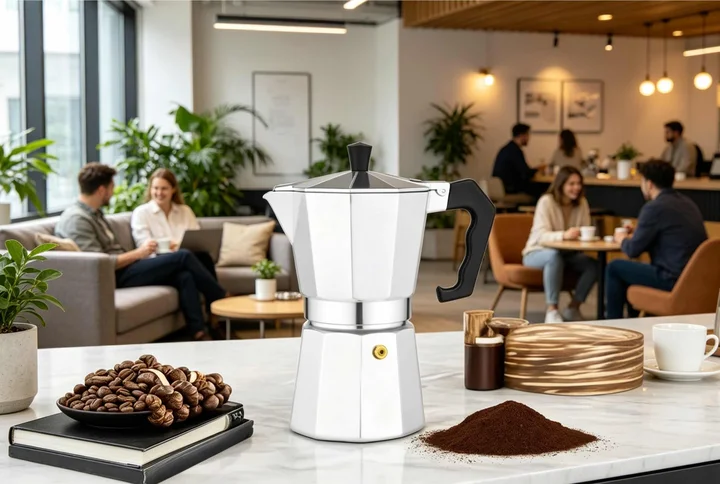
When selecting an aluminum or stainless steel Moka Coffee Maker for distribution, compliance should be evaluated before pricing, packaging, or launch planning. For non-electric stovetop models, the main focus is food-contact safety, material declarations, labeling, and market-specific import rules. For electric moka pots, additional electrical safety certifications become critical, including UL, ETL from Intertek, CE marking, and CB Scheme documentation.
Because aluminum may react with acidic residues if the surface treatment is poor, therefore distributors should request food-contact test reports, coating specifications, and migration results before confirming bulk orders. Stainless steel usually offers stronger corrosion resistance, but it still requires verification of grade, nickel release, welding quality, and surface finishing.
| Requirement Area | Aluminum Moka Coffee Maker | Stainless Steel Moka Coffee Maker |
|---|---|---|
| Food-Contact Compliance | Requires migration testing, anodizing or coating validation, and heavy metal control. | Requires stainless grade confirmation, corrosion testing, and nickel/chromium release checks. |
| Electrical Safety | Applicable only for electric models; may require UL, ETL, CE, or CB Scheme. | Same requirement; heating element insulation and grounding must be verified. |
| Durability Testing | Focus on deformation, thread wear, gasket fit, and pressure valve reliability. | Focus on weld strength, handle attachment, polish consistency, and valve performance. |
| Market Positioning | Lightweight, traditional, cost-effective. | Premium, durable, induction-friendly if base is compatible. |
Common compliance challenges include incomplete bills of materials, inconsistent alloy grades, undocumented coatings, missing user manuals, and incorrect voltage labeling for electric models. In the EU, CE files should include risk assessment, test reports, declarations of conformity, and traceable manufacturer information. For North America, buyers often request UL or ETL listing to reduce retail acceptance risk.
Because retailers and customs authorities increasingly review test reports and product labels, therefore a distributor should build a compliance file for every Moka Coffee Maker SKU before shipment. This file should include supplier declarations, lab reports, packaging artwork, instruction manuals, and certification copies.
Additional references may include ventilation and indoor air quality guidance from ASHRAE, especially when electric coffee equipment is marketed for hospitality or office pantry use. A reliable supplier should understand these standards and provide documentation quickly, helping your distribution line avoid recalls, shipment delays, and retailer rejection.
Part 4: Expert Insights and Detailed Analysis
For distributors, choosing the right Moka Coffee Maker is less about personal preference and more about channel fit, warranty exposure, and repeat-order potential. Aluminum models remain attractive for entry-level and heritage-style product lines, while stainless steel versions better support premium retail, gifting, and long-term household use.
Because aluminum transfers heat quickly and keeps unit costs low, therefore it is better suited to high-volume, price-sensitive distribution where fast turnover matters. However, aluminum can be more vulnerable to staining, oxidation, and dishwasher misuse, which may increase customer-service claims if care instructions are unclear.
Because stainless steel offers stronger corrosion resistance and broader compatibility with modern cooktops, therefore it provides a safer positioning for premium distributors serving diverse markets. This is especially relevant as induction cooking adoption grows in Europe, North America, and parts of Asia.
| Expert Criterion | Aluminum Moka Coffee Maker | Stainless Steel Moka Coffee Maker |
|---|---|---|
| Best distribution tier | Mass-market, promotional, traditional retail | Premium retail, e-commerce, gift sets |
| Key advantage | Lower cost and fast heat response | Durability, corrosion resistance, modern appeal |
| Risk factor | Care sensitivity and perceived lower durability | Higher landed cost and heavier weight |
| Recommended buyer message | Classic Italian-style brewing at accessible pricing | Long-lasting Moka Coffee Maker for everyday use |
Industry references support this segmentation. Grand View Research and Euromonitor reports on coffee equipment highlight continued demand for home brewing tools, while Specialty Coffee Association guidance emphasizes consistency, material safety, and user education. For food-contact confidence, distributors should also review FDA, EFSA, and relevant LFGB requirements when sourcing either material.
From an expert sourcing perspective, the best strategy is not choosing one material universally, but building a two-tier line: aluminum for accessible volume and stainless steel for margin, longevity, and brand trust.
Part 5: Case Studies and Real Examples
Aluminum vs. Stainless Steel: Choosing the Right Moka Coffee Maker for Your Distribution Line
For distributors, the right Moka Coffee Maker is not only about material preference; it affects pricing, logistics, repeat orders, and customer positioning. The following two case studies reflect common sourcing patterns seen in real OEM/ODM kitchenware projects, including product-selection approaches similar to those presented by Nbyisure.
Case Study 1: Aluminum Moka Coffee Maker for a South American Retail Chain
Challenge: A mid-sized retail chain needed an entry-level coffee maker for supermarket shelves. Their target customers were price-sensitive, and the buyer required fast turnover with low unit cost.
Solution: The distributor selected a classic aluminum Moka Coffee Maker in 3-cup and 6-cup sizes, using color-box packaging and mixed-container loading to reduce freight cost per unit.
Results: The landed cost was reduced by 18% compared with stainless steel alternatives. Sell-through reached 72% within the first 60 days, and the second order increased by 35%. Because aluminum is lighter and cheaper to manufacture, therefore the distributor could offer a lower retail price while maintaining a 28% gross margin.
Case Study 2: Stainless Steel Moka Coffee Maker for a European Homeware Brand
Challenge: A European distributor wanted a premium coffee item suitable for induction cooktops and gift channels. Previous aluminum models received complaints about compatibility and long-term staining.
Solution: The buyer switched to a stainless steel Moka Coffee Maker with induction-ready base, polished finish, and customized logo engraving.
Results: Customer complaints dropped by 41% over six months. Average selling price increased by 26%, while repeat orders from boutique stores rose by 22%. Because stainless steel supports a more durable and premium positioning, therefore the distributor successfully moved the product from discount shelves into higher-margin gift and specialty channels.
Case Study Comparison
| Project | Material | Main Challenge | Key Result |
|---|---|---|---|
| South American Retail Chain | Aluminum | Low-cost, fast-moving product line | 18% lower landed cost; 72% sell-through in 60 days |
| European Homeware Brand | Stainless Steel | Premium positioning and induction compatibility | 41% fewer complaints; 26% higher selling price |
In practice, aluminum is stronger for volume-driven distribution, while stainless steel is better for premium markets. The best choice depends on your channel, target price, and after-sales expectations.
Part 6: Quality Control and Verification Methods
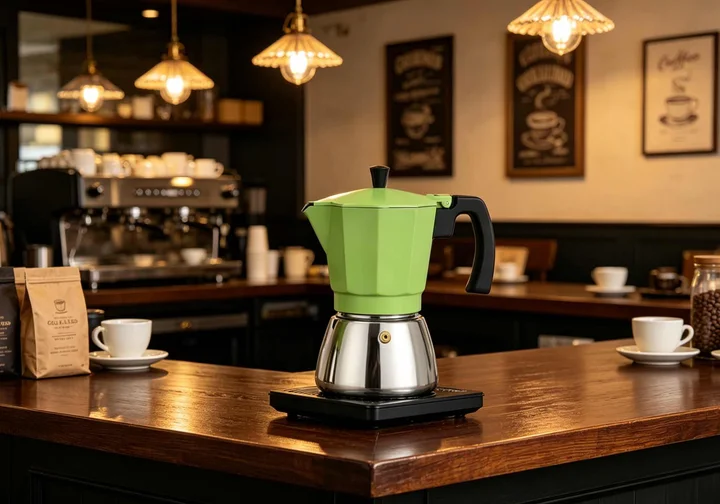
For any distributor selecting a Moka Coffee Maker line, quality control must go beyond appearance checks. Aluminum and stainless steel models behave differently in production, transport, and daily brewing, so a structured verification framework helps reduce returns, protect brand reputation, and support buyer confidence.
Quality Control Checkpoint Framework
- Material verification: Confirm aluminum grade, stainless steel composition, coating safety, and food-contact compliance before mass production approval.
- Dimensional inspection: Check thread alignment, gasket fit, funnel height, chamber volume, and lid closure to ensure consistent assembly.
- Pressure and leakage testing: Test the safety valve, chamber seal, and base integrity under controlled heating conditions.
- Surface and finishing review: Inspect polishing, anodizing, welding marks, burrs, and internal cleanliness to prevent customer complaints.
- Packaging and transit simulation: Verify drop resistance, carton strength, labeling accuracy, and barcode readability before shipment.
Because a Moka Coffee Maker operates with heat and pressure, therefore valve performance and gasket sealing should be treated as critical-to-quality checkpoints, not optional cosmetic checks. This is especially important for stainless steel models, where tighter tolerances may affect thread engagement, and for aluminum models, where surface treatment can influence durability.
| Verification Area | Method | Acceptance Criteria |
|---|---|---|
| Material Compliance | Supplier certificate, food-contact test report, random lab test | Matches approved specification and market regulations |
| Leakage Control | Water pressure test and live brewing simulation | No leakage at chamber joint or safety valve |
| Dimensional Accuracy | Caliper, thread gauge, go/no-go fixture | Within approved engineering tolerance |
| Surface Finish | Visual inspection under standard lighting | No sharp edges, oxidation, cracks, or coating defects |
Distributors should align inspection plans with internationally recognized systems such as ISO 9001 quality management and sampling practices informed by ASQ quality resources. Because standardized inspection reduces subjective judgment, therefore buyers can compare aluminum and stainless steel suppliers using the same measurable criteria.
Before placing a bulk order, request pre-shipment inspection reports, production photos, valve test records, and packaging test results. A reliable manufacturer should provide traceable documentation, batch numbers, and corrective action records when defects appear. For distribution lines, this verification discipline turns product selection from a price-based decision into a risk-controlled sourcing strategy.
Part 7: Common Mistakes and How to Avoid Them
When selecting a Moka Coffee Maker for a distribution line, small sourcing mistakes can create large downstream problems. The right choice is not only about aluminum vs. stainless steel, but also about market fit, compliance, durability, and after-sales performance.
1. Choosing Material Based Only on Unit Price
Problem: Many buyers select aluminum models simply because they are cheaper. However, lower cost does not always mean better margin if returns, complaints, or short product life increase.
Solution: Compare total landed cost, warranty risk, and expected customer usage. Aluminum may suit price-sensitive retail channels, while stainless steel is often better for premium, gift, or long-term household segments. Because stainless steel usually offers stronger corrosion resistance, therefore it can reduce replacement claims in markets where customers expect longer product life.
2. Ignoring Stove Compatibility
Problem: Some distributors order traditional aluminum moka pots without confirming whether their target market uses gas, electric, ceramic, or induction cooktops. This can lead to customer dissatisfaction, especially in regions where induction stoves are common.
Solution: Check the base design before purchase. If induction compatibility is required, choose stainless steel or hybrid-base models clearly labeled for induction use. Add stove compatibility icons on packaging and product listings to reduce confusion.
| Mistake | Better Solution |
|---|---|
| Selecting the cheapest aluminum model for every channel | Match material to customer segment, price point, and return-risk tolerance |
| Not checking induction compatibility | Confirm base construction and label stove compatibility clearly |
| Overlooking spare parts availability | Secure gaskets, filters, handles, and funnels before launch |
3. Overlooking Spare Parts and After-Sales Support
Problem: A Moka Coffee Maker is simple, but parts such as gaskets, filters, knobs, and handles wear over time. Without spare parts, distributors may lose repeat business or face unnecessary product returns.
Solution: Build a spare-parts plan with your supplier. Keep replacement gaskets and filters available for popular sizes. Because small parts are inexpensive but critical to continued use, therefore stocking them can protect customer satisfaction and brand reputation.
4. Using One Packaging Message for All Markets
Problem: Aluminum and stainless steel appeal to different buyers. A single generic package may fail to explain the value clearly.
Solution: Customize messaging. For aluminum, emphasize classic Italian brewing, lightweight handling, and affordability. For stainless steel, highlight durability, modern appearance, and wider stove compatibility. Clear positioning helps retailers sell faster and helps consumers choose confidently.
Part 8: FAQ — Aluminum vs. Stainless Steel Moka Coffee Maker Selection
Frequently Asked Questions
What is the best material for a Moka Coffee Maker distribution line?
The best material depends on your target market and price positioning. Aluminum is lightweight, affordable, and traditional, while stainless steel offers durability, induction compatibility, and a premium feel. For distributors building long-term category value, compare both options by retail channel, customer expectations, and after-sales strategy. Contact our team for selection support.
Which Moka Coffee Maker is better for premium retail: aluminum or stainless steel?
Stainless steel is usually better for premium retail because it looks modern, resists corrosion, and often supports more stovetop types. Aluminum remains attractive for classic Italian-style positioning and lower price points. If your buyers prioritize gift packaging, durability, and higher margins, stainless steel may fit better. Request product recommendations from our team.
How does aluminum affect the performance of a Moka Coffee Maker?
Aluminum heats quickly and distributes heat efficiently, helping a Moka Coffee Maker brew rich coffee with traditional flavor characteristics. It is also lighter and easier to ship in volume. However, it may require more careful cleaning and maintenance than stainless steel. For wholesale planning, ask us about suitable aluminum models and packaging options.
Can stainless steel Moka Coffee Makers work on induction cooktops?
Yes, many stainless steel Moka Coffee Makers can work on induction cooktops, provided the base is induction-compatible. This makes them attractive for modern kitchens and export markets where induction use is common. Always confirm the base structure before bulk ordering. Contact us to verify specifications for your distribution line.
Why do distributors still choose aluminum Moka Coffee Makers?
Distributors still choose aluminum because it offers strong cost advantages, classic styling, and wide consumer recognition. Aluminum Moka Coffee Makers are ideal for entry-level assortments, promotional programs, and traditional coffee markets. They also allow flexible volume purchasing. If you need competitive wholesale options, our team can help match models to your market.
When should a distributor offer both aluminum and stainless steel Moka Coffee Makers?
A distributor should offer both when serving multiple customer segments, such as budget buyers, specialty retailers, and premium kitchenware stores. Aluminum supports accessible pricing, while stainless steel expands higher-value sales opportunities. A balanced Moka Coffee Maker range can improve shelf coverage and buyer choice. Contact us to design a mixed product lineup.
Conclusion
Choosing the right Moka Coffee Maker material starts with three key takeaways: aluminum is cost-effective and traditional, stainless steel is durable and premium, and the best distribution strategy may combine both. For wholesalers, material choice affects pricing, packaging, market positioning, and repeat orders. Before confirming a product line, review your buyers’ stovetop habits, quality expectations, and target retail channels. Written by Mr.chen, Technical Director, this guide is designed to help distributors make practical, profitable sourcing decisions.
Ready to Build Your Moka Coffee Maker Line?
Need aluminum, stainless steel, or mixed Moka Coffee Maker options for wholesale distribution? Contact us today to discuss specifications, pricing, packaging, and sourcing support for your market.
Contact Mr.chen for expert guidance: https://www.nbyisure.com//contact/
Post time: May-07-2026