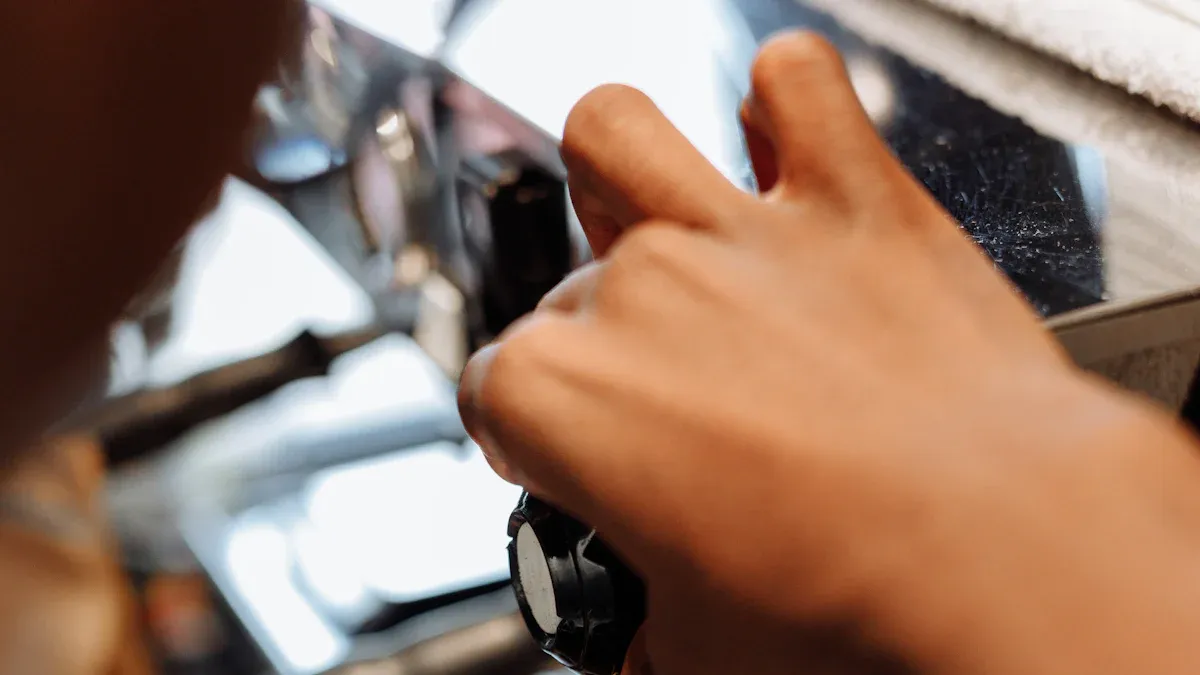
Many coffee enthusiasts seek to replicate café-quality beverages at home. They often face a choice between manual and electric milk frothers to achieve this goal. Understanding the core differences between these devices helps individuals elevate their coffee experience. The automatic milk frother market projects robust growth with a Compound Annual Growth Rate (CAGR) of 4.5%, driven by increasing home coffee consumption and a desire for professional results. Finding the perfect Milk Frother, perhaps even complementing it with a Latte Pen for artistic touches, truly matches one’s lifestyle and preferences.
Key Takeaways
- Electric frothers offer convenience and consistent foam with a simple button push.
- Manual frothers give you more control over foam texture and cost less money.
- Electric frothers often heat milk, but manual frothers do not heat milk.
- Manual frothers are great for travel and small kitchens because they are small and do not need electricity.
- Clean your frother right after each use to keep it working well and lasting longer.
- You can froth non-dairy milks like oat or almond milk; ‘barista blends’ work best.
- Choose an electric frother for daily use and many drinks, or a manual one for occasional use and more control.
Electric Milk Frother: Convenience and Consistency
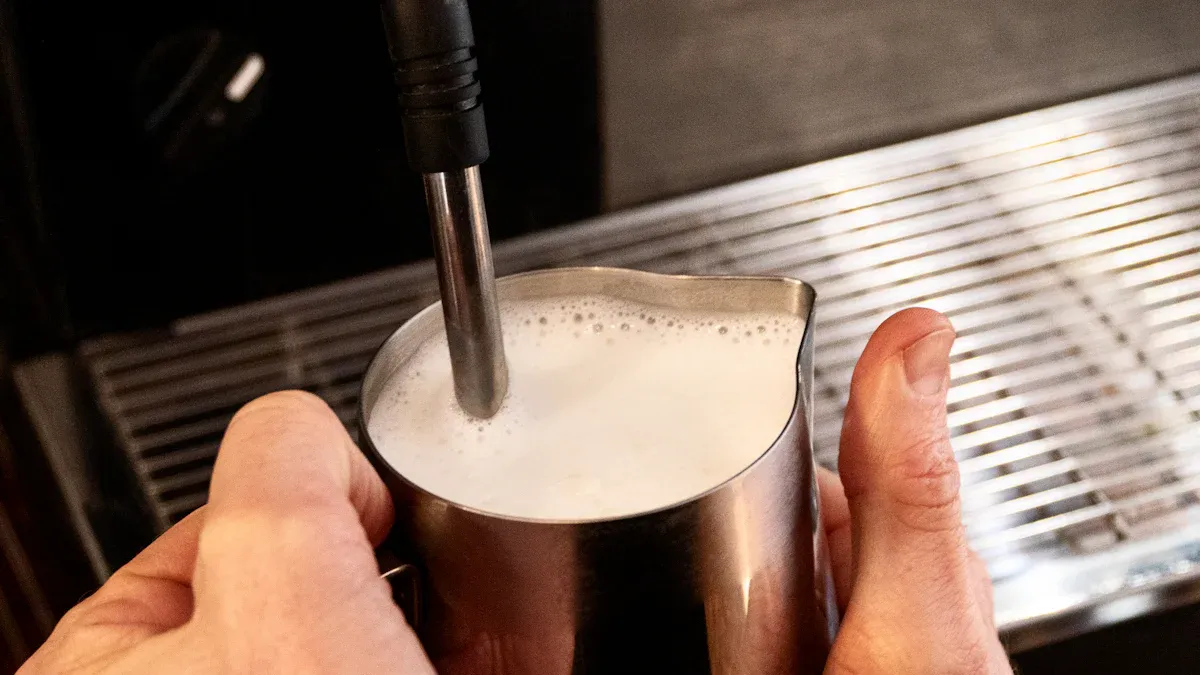
Electric milk frothers offer a streamlined approach to creating café-quality beverages at home. These devices automate the frothing process, providing both ease of use and reliable results for coffee lovers.
Advantages of an Electric Milk Frother
Effortless Operation and Speed
Electric frothers simplify the process of preparing frothed milk. Users typically press a button, and the device handles the rest. This automation saves time, making it ideal for busy mornings. It quickly transforms cold milk into warm, frothy perfection.
Consistent Foam Quality and Texture
Electric frothers deliver consistent results. These automated devices heat and froth milk with a simple button push. They offer consistent foam quality and texture, often providing multiple temperature settings. This ensures a smooth, velvety foam every time, enhancing the taste and appearance of various drinks.
Integrated Heating Functionality
Many electric models include an integrated heating element. This feature allows the device to warm the milk while frothing it. Users can enjoy hot lattes, cappuccinos, or hot chocolate without needing a separate heating source. This dual functionality adds significant convenience.
Disadvantages of an Electric Milk Frother
Initial Cost and Maintenance
Electric milk frothers generally have a higher initial purchase price compared to manual options. They also involve electronic components, which may require more specialized maintenance or repairs over time.
Counter Space and Portability
These devices often occupy more counter space due to their size and design. Their reliance on an electrical outlet also limits their portability. Users cannot easily take them on trips or use them in locations without power access.
Cleaning Complexity
Cleaning some electric milk frother models can be challenging. They often feature intricate designs with hard-to-clean crevices, making thorough cleaning difficult. A common complaint involves the difficulty in detaching the whisk for cleaning, often leading to trapped milk residue. Not all electric frothers are dishwasher-safe; typically, only the whisk and lid are suitable for the top rack, while the motor unit must not be submerged. Regular and immediate cleaning, such as rinsing the whisk after use and weekly deep cleaning of removable parts, is necessary to prevent dried milk residue and maintain hygiene.
Ideal Users for an Electric Milk Frother
Daily Coffee Enthusiasts
Individuals who enjoy daily coffee shop-style beverages find electric frothers highly beneficial. Their consistent performance and speed make them perfect for a regular morning routine.
Those Prioritizing Convenience
Users who value ease of use and minimal effort will appreciate an electric frother. The automated process allows them to focus on other tasks while their milk froths.
Users Seeking Versatility
Many electric frothers offer multiple settings for different milk types and foam consistencies. This versatility appeals to users who enjoy experimenting with various drinks, from lattes to cold foam creations.
Manual Milk Frother: Control and Affordability
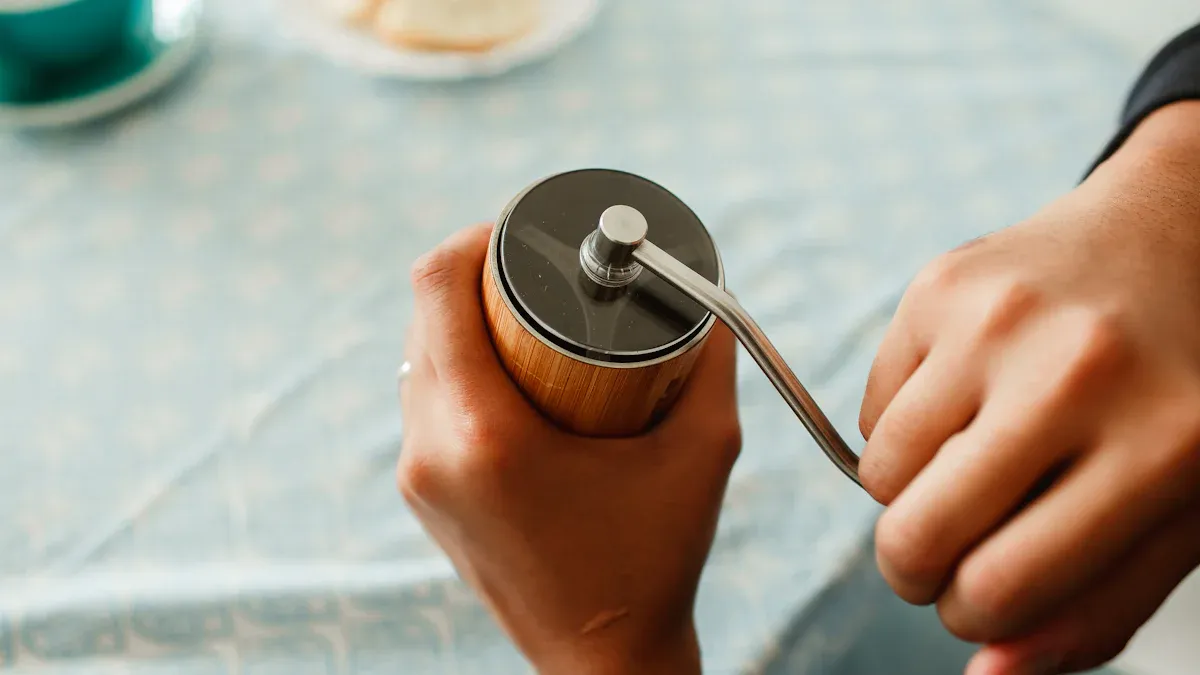
Manual milk frothers offer a hands-on approach to creating frothed milk. They provide users with greater control over the frothing process and often come at a lower price point.
Benefits of a Manual Milk Frother
Budget-Friendly Investment
Manual frothers represent a cost-effective option for individuals. They typically have a significantly lower initial purchase price compared to their electric counterparts. This makes them an accessible choice for those on a tighter budget.
Portability and Compact Design
Manual milk frothers excel in portability and compact design. They do not require electricity, making them excellent for travel or kitchens with limited outlets. Handheld, battery-powered options, like the Ikea Produkt Milk Frother, highlight the inherent portability of these devices. Many are cordless and easy to store, fitting into small spaces without hassle. Handheld frothers are also battery-operated, providing on-the-go frothing capabilities.
Greater Control Over Foam Texture
Users gain precise control over the foam’s texture with a manual frother. They can adjust the frothing speed and technique to achieve their desired consistency, from light and airy to dense and creamy. This allows for customization that electric models may not offer.
Drawbacks of a Manual Milk Frother
Requires Manual Effort and Time
Manual frothers demand physical effort and time from the user. They are not designed to froth large quantities of milk effectively in a single batch. Most manual milk frothers hold enough milk for only one drink. Traditional frothing methods can be more time-consuming and require more practice to master.
Inconsistent Results for Beginners
Achieving consistent results with a manual frother often requires practice. Beginners may find it challenging to produce uniform foam every time. This learning curve can lead to inconsistent foam quality in early attempts.
Lack of Heating Capabilities
Manual frothers typically lack integrated heating elements. Users must heat their milk separately before frothing, adding an extra step to the preparation process. This means they cannot create hot frothed milk in a single device.
Who Should Choose a Manual Milk Frother
Occasional Drink Makers
Individuals who only occasionally prepare frothed milk drinks will find manual frothers suitable. Their simplicity and lower cost align well with infrequent use.
Budget-Conscious Consumers
Consumers prioritizing affordability will appreciate the lower investment required for a manual frother. They offer a functional solution without a significant financial outlay.
Travelers and Small Kitchen Owners
Manual frothers are ideal for travelers due to their portability and lack of electrical requirements. Their compact design also makes them perfect for small kitchens where counter space is limited.
Direct Comparison: Electric vs. Manual Milk Frother Performance
Choosing between an electric and manual Milk Frother involves evaluating their performance across several key areas. Each type offers distinct advantages and disadvantages that impact the user experience and the final beverage quality.
Foam Quality and Texture Comparison
The type of frother significantly influences the foam’s consistency and texture. This directly affects the enjoyment of coffee beverages.
Achieving Dense vs. Airy Foam
Electric and manual frothers produce different foam qualities. Electric frothers consistently deliver creamy, rich foam. They often have settings for various textures, ensuring a smooth, velvety result every time. Manual frothers, however, may produce inconsistent results. This is especially true when working with thicker milk types. Achieving a specific foam consistency with a manual frother requires practice and technique.
| Feature | Electric Milk Frothers | Manual (Handheld) Milk Frothers |
|---|---|---|
| Foam Consistency | Delivers consistent, high-quality results | May produce inconsistent results, especially with thicker milk |
| Foam Quality | Guarantees a creamy, rich foam | Limited frothing capability |
| Effort Required | Hands-free frothing, automatic | Requires manual effort, holding and moving the frother |
| Heating Function | Heats milk, often with precise temperature options | No heating function; milk must be heated separately |
| Versatility | Can froth hot/cold milk, warm milk without frothing | May struggle with thicker or non-dairy milk |
Control for Latte Art
Latte art demands precise control over foam texture. Manual frothers offer greater hands-on control. Users can manipulate the frothing process to create microfoam, which is ideal for intricate designs. Electric frothers provide consistent foam, but this consistency might limit the ability to fine-tune the texture for advanced latte art. Baristas often prefer manual methods for their artistic creations.
Cost Analysis of Each Milk Frother Type
The financial investment for a frother varies significantly between electric and manual models. This includes both the initial purchase and long-term value.
Initial Purchase Price
Manual frothers typically have a lower initial purchase price. They offer an affordable entry point for those new to frothing or with a limited budget. Electric frothers, conversely, represent a higher upfront investment. Their advanced features and automation contribute to this increased cost.
Long-Term Value and Durability
Electric frothers often offer good long-term value due to their their durability and consistent performance. They feature robust motors and heating elements designed for regular use. Manual frothers, while less expensive initially, may require replacement more frequently if they are not well-maintained. Their simpler construction can sometimes lead to wear and tear with extensive manual effort.
Ease of Use and Operational Speed
The convenience and speed of frothing are major factors for many users. Electric and manual frothers offer very different experiences in this regard.
Quick Frothing Solutions
Electric frothers provide quick frothing solutions. Users simply add milk and press a button. The device handles the entire process, delivering frothed milk in a matter of seconds. This speed makes them ideal for busy mornings or when preparing multiple drinks. Manual frothers require more time and active participation. Users must manually pump or whisk the milk, which takes longer and demands more effort.
Hands-On vs. Hands-Off Experience
Electric frothers offer a hands-off experience. They operate independently once activated, allowing users to attend to other tasks. This automation prioritizes convenience. Manual frothers provide a hands-on experience. Users actively control the frothing process, from heating the milk separately to performing the frothing action. This engagement appeals to those who enjoy a more involved preparation ritual.
Maintenance and Cleaning Requirements
The longevity and hygiene of any kitchen appliance depend heavily on proper maintenance. Electric and manual frothers present different cleaning challenges and routines.
Simple Handwashing vs. Component Care
Manual frothers generally require straightforward handwashing. Users typically unscrew or pull apart mesh layers from the plunger rod. They then clean the pitcher with warm soapy water and a sponge or bottle brush. Special attention goes to the mesh, where milk can easily get trapped. For stubborn residue, soaking parts in a white vinegar and warm water mixture for 15 minutes proves effective. After washing, users rinse and air dry the mesh completely before reassembling to prevent rust or mildew. While some manuals might indicate dishwasher safety, hand-washing is often recommended for longevity.
Electric frothers, however, demand more specific care due to their electronic components. For handheld electric frothers, an immediate rinse is crucial. After use, users fill a cup with warm soapy water, turn on the frother for a few seconds to clean the whisk, then rinse it in clean water. They wipe the motor base with a damp cloth, ensuring they never submerge the handle or allow water into the battery compartment. Weekly, a deep clean of the whisk involves soaking it in a vinegar-water solution and using a soft toothbrush to remove residue from coils. Users air dry the whisk completely before storing.
Automatic frothers also have distinct cleaning protocols. Users always unplug the unit and let it cool completely before cleaning. They carefully take apart removable parts like the whisk, lid, and jug. For the jug, they fill it with warm water and a drop of dish soap, let it soak, then wipe it with a non-abrasive sponge, avoiding steel wool. Users check for milk stuck in the magnetic spinner or gear and use a small brush or toothpick to remove buildup. Air drying all parts completely before reassembling prevents mold growth. If the frother has a nonstick coating, users never use abrasive materials to avoid scratches that can make milk stick more.
Descaling and Longevity
Proper cleaning extends the life of a frother. Users should clean their Milk Frother immediately after every use. Milk residue hardens quickly, especially on heating elements and whisks. Rinsing and cleaning right after use prevents milk proteins and sugars from drying and sticking. This applies regardless of the frother type.
For automatic frothers with nonstick jugs, users should avoid frothing sugary or flavored milk. Sweetened milk can scorch, damaging the coating and making it hard to clean. Instead, they heat flavored milk separately and froth it if needed. Always storing the frother dry is crucial for both automatic and handheld models, especially those with battery compartments or USB ports, to prevent mold, bacterial growth, and corrosion.
Whisk attachments, particularly in handheld frothers, wear out over time. Users should replace worn-out whisks every 6–12 months. A damaged whisk will not create proper foam and can scratch containers. For automatic frothers with heating plates, descaling is important if using hard water. Mineral buildup affects heating performance and sensor accuracy. Users should descale once a month using a food-safe descaling solution or a 1:1 vinegar-water mix, rinsing thoroughly afterward.
A consistent cleaning schedule helps maintain performance. Daily cleaning involves rinsing and wiping immediately after each use. A more thorough deep cleaning should occur weekly (every 5–7 days) to address hidden buildup in crevices, whisk joints, or heating coils, especially for automatic and steam frothers. Descaling, as mentioned, is a monthly task for frothers with heating plates if hard water is present.
Versatility and Additional Features
Beyond basic frothing, both electric and manual models offer varying degrees of versatility and additional features that enhance the user experience.
Handling Different Milk Types
Electric frothers often excel at handling a wider range of milk types. Their consistent power and controlled heating mechanisms allow them to effectively froth dairy milks, such as whole milk or skim milk. They also perform well with various non-dairy alternatives like oat, almond, or soy milk. Many electric models feature specific settings optimized for plant-based options, ensuring a creamy texture even with milks that are traditionally harder to froth.
Manual frothers can also froth different milk types. However, achieving optimal results with non-dairy milks might require more effort and specific techniques. The user’s technique directly influences the foam quality. Some non-dairy milks, due to their protein and fat content, naturally produce less stable foam. Manual frothers demand more skill to create a desirable texture with these alternatives.
Multi-Functionality Beyond Frothing
Electric frothers often provide multi-functionality beyond simple frothing. Many models can heat milk without frothing, perfect for hot chocolate or warm beverages that do not require foam. Some offer cold frothing capabilities, ideal for iced coffees or cold foam toppings. Different whisk attachments can also come with electric frothers, allowing users to customize foam density from light and airy to dense and creamy. This versatility makes them a more comprehensive beverage preparation tool.
Manual frothers, by design, are generally limited to their primary function: frothing. They do not typically offer heating capabilities or specialized settings for different foam textures. Their simplicity means they focus solely on the mechanical action of creating foam. Users seeking additional features like heating or cold frothing would need separate appliances to achieve those results.
Specific Considerations for Your Milk Frother Choice
Choosing the right frother involves more than just comparing electric and manual types. Specific needs, such as milk compatibility, heating requirements, and portability, significantly influence the best choice for each individual.
Compatibility with Non-Dairy Milks
Non-dairy milks have become popular alternatives for many coffee drinkers. Their unique compositions affect frothing results.
Best Milk Frother for Oat Milk
Achieving excellent foam with oat milk is possible with the right equipment. The Instant Pot MagicFroth 9-in-1 Milk Frother performs well with oat milk and cold foam. It creates silky, well-incorporated microfoam. This model also offers variable temperature settings and a large capacity. The Breville Milk Cafe stands out as another top choice for plant-based milks like oat milk. It features multiple whisk attachments and precise temperature control. These features allow users to adjust for optimal frothing results with non-dairy milks. Frothers are evaluated on their ability to produce velvety microfoam using both whole milk and oat milk. Different foam settings are tested to compare foam expansion. Each frother’s cold foam setting is also tested with both whole and oat milk, assessing the quantity and quality of the resulting foams. Users can froth any non-dairy milk, including oat milk, with a frother. Some alternative milks might not froth as well or may take longer. Using ‘barista blends’ of non-dairy milk, which are typically fattier and more stable, can improve frothing results.
Performance with Almond and Soy Milk
Almond and soy milk also present unique frothing characteristics. Automatic frothers are versatile and work well with plant-based alternatives like almond and soy milk. Barista-blend versions of plant milks, with added fats or stabilizers, froth better than regular ones in automatic frothers. Soy milk foams a lot, but the foam may not be as uniform as desired. It often shows a clear separation between foam and steamed milk. However, the foam holds up well. Soy milk performs most like cow milk due to its fat and protein content. Almond milk produces a delightful, if dense, milk foam layer. It does not froth as voluminously as dairy milk. It has enough natural fats for frothing. Soy milk creates a stable, though thin, foam consisting of large and airy bubbles. It has a neutral taste, making it versatile for various coffee beverages. Almond and soy milk can both be frothed. The resulting texture may vary depending on the specific brand and its fat content.
Achieving Foam with Plant-Based Options
Users can achieve excellent foam with plant-based milks by selecting the right frother and milk type. Barista blends are often the best choice. They contain stabilizers and fats that promote better frothing. Experimenting with different brands and frother settings helps users find their ideal combination.
Importance of Heating Functionality
Heating functionality significantly enhances the versatility of a frother.
Integrated Heating for Hot Beverages
Integrated heating functionality in milk frothers is important for hot beverages. It allows for the simultaneous heating and frothing of milk. This dual functionality is particularly useful for preparing hot beverages like lattes and cappuccinos. It ensures the milk is both frothy and at the desired serving temperature. This process creates a smooth and creamy texture, enhancing the flavor and overall experience of the drink. Some frothers, like the Duronic MF500, offer specific temperature settings (e.g., 65 degrees, 80 degrees Celsius) for precise heating. Integrated heating functionality in milk frothers eliminates the need for a separate heating element. This streamlines the frothing process and ensures a consistent milk temperature throughout.
Frothing Cold Milk Options
Many electric frothers also offer a cold frothing option. This feature allows users to create cold foam for iced coffees, cold brews, or other chilled beverages. It adds another layer of versatility, making the frother useful year-round, regardless of drink preference.
Portability and Storage Needs
The physical footprint and mobility of a frother are practical considerations for many users.
Travel-Friendly Milk Frother Options
Travelers often seek compact and battery-operated frothers. The MyTeadrop frother is an ultra-light handheld milk frother designed for easy use and travel. It is battery-operated (requires 2 AA batteries, not included) and comes with a convenient cover. This allows users to toss it in their bag and enjoy frothed milk wherever their adventures take them. Other travel-friendly options are compact and lightweight with a stainless steel protective cover. They are battery operated (3 AAA batteries, not included) for convenient use without an outlet. Some even offer interchangeable whisks (double coil for thick foam, single coil for light froth) for versatility. Detachable parts that rinse effortlessly make them easy to clean.
Space-Saving Designs for Small Kitchens
Kitchens with limited counter space benefit from compact designs. Manual frothers generally take up less space than electric models. Handheld electric frothers also offer a small footprint. Users can easily store them in a drawer or cabinet. Larger automatic frothers require dedicated counter space. Users should consider their kitchen size and storage availability when making a choice.
Budget and Investment Level
The financial commitment for a milk frother varies significantly. Consumers can find options ranging from very affordable to high-end models. This range allows individuals to select a device that aligns with their budget and desired features.
Affordable Entry-Level Milk Frother
Entry-level milk frothers offer an accessible starting point for many users. These typically include manual frothers, which often cost under $20. Basic handheld electric frothers also fall into this category, usually priced between $15 and $30. These models provide essential frothing capabilities without a significant financial outlay. They are ideal for individuals new to frothing or those who only need a simple device for occasional use. While they may lack advanced features, they effectively create frothed milk for various beverages. Their affordability makes them a popular choice for budget-conscious consumers.
Premium Features and Higher Price Points
Higher-priced milk frothers come with a range of premium features. These advanced electric models can cost anywhere from $50 to over $150. They often include multiple temperature settings, allowing users to heat milk to precise degrees. Some offer different whisk attachments for varying foam textures, from airy to dense. Larger capacities are common, enabling users to froth milk for multiple servings at once. Smart functionalities, such as app control or pre-programmed settings for specific drinks, also appear in this segment. These premium features justify the higher cost for users who prioritize convenience, versatility, and consistent, high-quality results.
Lifestyle and Usage Frequency
An individual’s lifestyle and how often they plan to use a milk frother significantly influence the best choice. Different usage patterns demand different features and levels of convenience.
Daily Ritual vs. Occasional Indulgence
Daily coffee enthusiasts often integrate a milk frother into their morning routine. For these users, speed, consistency, and durability become paramount. An electric frother, with its automated process and reliable performance, suits a daily ritual perfectly. It saves time and delivers consistent results every day. Conversely, individuals who enjoy frothed milk as an occasional indulgence might prefer a simpler, more portable option. A manual frother or a basic handheld electric model works well for infrequent use. These options require less counter space and offer sufficient functionality for sporadic enjoyment.
Serving Multiple Guests
Entertaining guests often requires preparing several frothed milk beverages simultaneously. In such scenarios, the capacity and efficiency of the frother become critical. Larger electric frothers, especially those with generous milk reservoirs, excel at serving multiple guests. They can froth a substantial amount of milk quickly, minimizing wait times. Some models even offer settings for different drink types, streamlining the process further. Manual frothers, with their smaller capacities and hands-on operation, prove less efficient for entertaining. Preparing multiple drinks with a manual frother would be time-consuming and labor-intensive.
Top Recommendations for Your Ideal Milk Frother
Best Electric Milk Frother for Daily Use
Features for Consistent Performance
Electric frothers offer consistent performance for daily use. The Severin Induction Milk Frother provides precise temperature control and induction heating. It consistently produces excellent milk foam. Users praise its milk texture quality, compatibility with alternative milks, and easy cleaning. The Dualit 84135 Triple Function Milk Frother also creates silky microfoam with its magnetic whisk system. This frother ensures consistent results.
High-Capacity Options
High-capacity electric frothers suit those who make multiple drinks. The Breville Milk Cafe Electric Frother is a "Best Splurge" option. It has a large 25-ounce capacity. Its induction heating system ensures quick, consistent heating. It includes attachments for latte and cappuccino frothing. The Instant Milk Frother is a compact machine. It offers a four-in-one program for various foam types. It creates silky microfoam and works well with dairy and almond milk. It has a 10-ounce capacity.
Best Manual Milk Frother for Occasional Use
User-Friendly Designs for Beginners
Manual frothers are excellent for beginners. The Aerolatte Original HandHeld Milk Frother is an affordable and practical choice. It operates with a simple on and off button. It creates froth in 20 seconds or less. Users clean it easily by rinsing with hot tap water. This makes it a fantastic entry-level option. Manual milk frothers are a wise choice for those unsure about daily usage. They allow users to experiment without a large investment.
Durable and Portable Choices
Manual frothers often feature durable and portable designs. The NanoFoamer Lithium is a highly recommended option. One verified buyer stated, "My nanofoamer lithium has become an integral part of my daily coffee routine. As a former barista, I found producing high-quality micro-foam with the nanofoamer to be surprisingly intuitive. The build quality and battery life are equally impressive. Thoroughly recommended!" Another user noted, "For someone who is on the go, making a quick barista quality coffee has always been a challenge. Now I am able to create silky smooth lattes in the comfort of my own home in an instant." These devices are compact and user-friendly. They fit any kitchen setup. They feature a waterproof design and intuitive operation. They include clip-on NanoScreens and a replaceable POM impeller for longevity.
Recommended Milk Frother for Non-Dairy Milks
Optimized for Plant-Based Alternatives
Many frothers now optimize for plant-based milks. The NanoFoamer PRO GEN-2 works with all milks, including oat, almond, and soy. It includes three optimized flow controllers. The blue and green controllers are specifically for plant-based milks. The Breville Milk Cafe Electric Frother performs exceptionally with almond, soy, or oat milks. It creates stable, velvety microfoam. This microfoam integrates perfectly into beverages. The Instant MagicFroth 9-in-1 handles non-dairy options like oat milk effectively. Its results are best with fattier liquids.
Specific Models for Best Results
Specific models deliver superior results with non-dairy milks. The NanoFoamer PRO GEN-2 is a top choice. It offers specialized features for plant-based options. The Breville Milk Cafe Electric Frother consistently produces excellent foam with alternatives. The Instant MagicFroth 9-in-1 also performs well. The Nespresso Aeroccino4 is generally compatible with various milk types. It offers hot dense foam, hot airy foam, cold foam, and heated milk without foam settings.
Value-for-Money Milk Frother Options
Balancing Cost and Performance
Consumers often seek a balance between the initial cost of an appliance and its long-term performance. A value-for-money Milk Frother delivers reliable results without a hefty price tag. This balance means the device performs its primary function effectively, offers durability, and meets user expectations for quality. Individuals consider how often they will use the frother and the specific features they need. A higher price does not always guarantee better value, especially if a simpler, more affordable model meets all essential requirements. Smart shoppers prioritize features that directly enhance their coffee experience while staying within their budget.
Top-Rated Budget-Friendly Picks
Several options stand out for their excellent balance of cost and performance, making them top-rated budget-friendly picks.
| Frother Model | Key Features | Rating |
|---|---|---|
| Secura Automatic Electric Milk Frother | One-button operation, heating and frothing functions, non-stick interior, consistent performance, budget-friendly | 4.4 |
| HadinEEon Milk Frother | Hot and cold frothing, compact design, good froth quality for the price, efficient, budget-friendly | 4.3 |
The Secura Automatic Electric Milk Frother consistently delivers excellent results. It features simple one-button operation and both heating and frothing functions. Its non-stick interior makes cleaning easy, and users appreciate its consistent performance at a budget-friendly price. Similarly, the HadinEEon Milk Frother offers versatility with hot and cold frothing capabilities. Its compact design and efficient operation provide good froth quality for its price point.
Other notable budget-friendly choices include:
- Instant Milk Frother: This model earns recognition as the ‘Best Value for Excellent Texture‘. It offers outstanding performance for cold foam, microfoam, cappuccino foam, or heating milk. It achieves this at a fraction of the cost of other electric models.
- Bonsen Kitchen Handheld: Awarded ‘Best on a Tight Budget’, this frother is noted for its comfortable design. It quickly whips up silky microfoam or dry foam. However, it does not produce heat, requiring users to heat milk separately.
These options prove that individuals do not need to spend a lot to enjoy café-quality frothed milk at home. They provide reliable performance and a satisfying user experience for various needs and preferences.
Ultimately, the decision between an electric and manual Milk Frother rests on individual needs. Consider your daily coffee habits and personal preferences. Electric models offer convenience and consistency for frequent use. Manual frothers provide control and portability for occasional indulgence. Aligning your choice ensures you enjoy perfectly frothed milk for all your favorite beverages.
FAQ
What is the main difference between electric and manual milk frothers?
Electric frothers offer automated convenience and consistent foam. Manual frothers provide greater control over foam texture and are more budget-friendly.
Can I use non-dairy milk with a frother?
Yes, you can froth non-dairy milks like oat, almond, and soy. Barista-blend versions often yield the best results due to their composition.
Do electric frothers heat the milk?
Many electric frothers include integrated heating functionality. They simultaneously heat and froth milk, perfect for hot beverages.
How do I clean my milk frother?
Clean manual frothers by handwashing with warm soapy water. For electric models, rinse whisks immediately and wipe the base with a damp cloth. Always ensure parts are dry before storing.
Which frother is better for latte art?
Manual frothers offer greater hands-on control. This allows users to create the microfoam essential for intricate latte art designs.
Are manual frothers good for travel?
Yes, manual frothers are excellent for travel. They are compact, lightweight, and do not require an electrical outlet for operation.
What is a "barista blend" milk?
"Barista blend" milks are specially formulated plant-based options. They contain added fats or stabilizers to improve frothing performance and foam stability.
Post time: Jan-19-2026