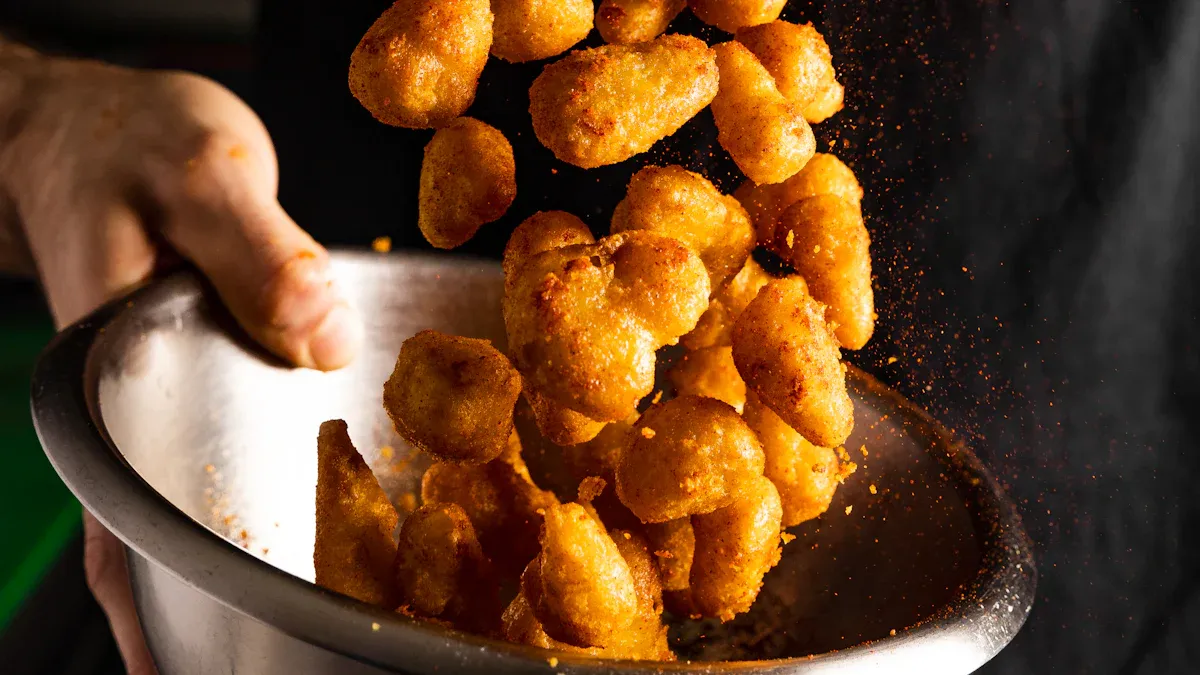
Making the right fryer choice for kitchens in 2026 is crucial for health, taste, and convenience. This decision significantly impacts daily cooking habits. Approximately 60% of households in the U.S. currently own an Air Fryer, reflecting a notable shift in culinary preferences and appliance adoption. Consumers seek efficient and effective solutions for preparing delicious meals.
Key Takeaways
- Air fryers use hot air to cook food. They need little oil. This makes food healthier.
- Deep fryers cook food in hot oil. This gives a classic crispy taste. It uses more oil.
- Air fryers cook food faster. They preheat quickly. This saves time in the kitchen.
- Deep fryers need more cleaning. They have hot oil to manage. Air fryers are easier to clean.
- Air fryers cook many types of food. They can roast and bake. Deep fryers are best for frying.
- Air fryers are safer to use. They have an enclosed design. Deep fryers have hot oil risks.
- Air fryers save kitchen space. They come in small sizes. Deep fryers need more room.
- Future fryers will be smart. They will connect to apps. They will also save energy.
Understanding the Core Mechanisms: Air Frying vs. Deep Frying
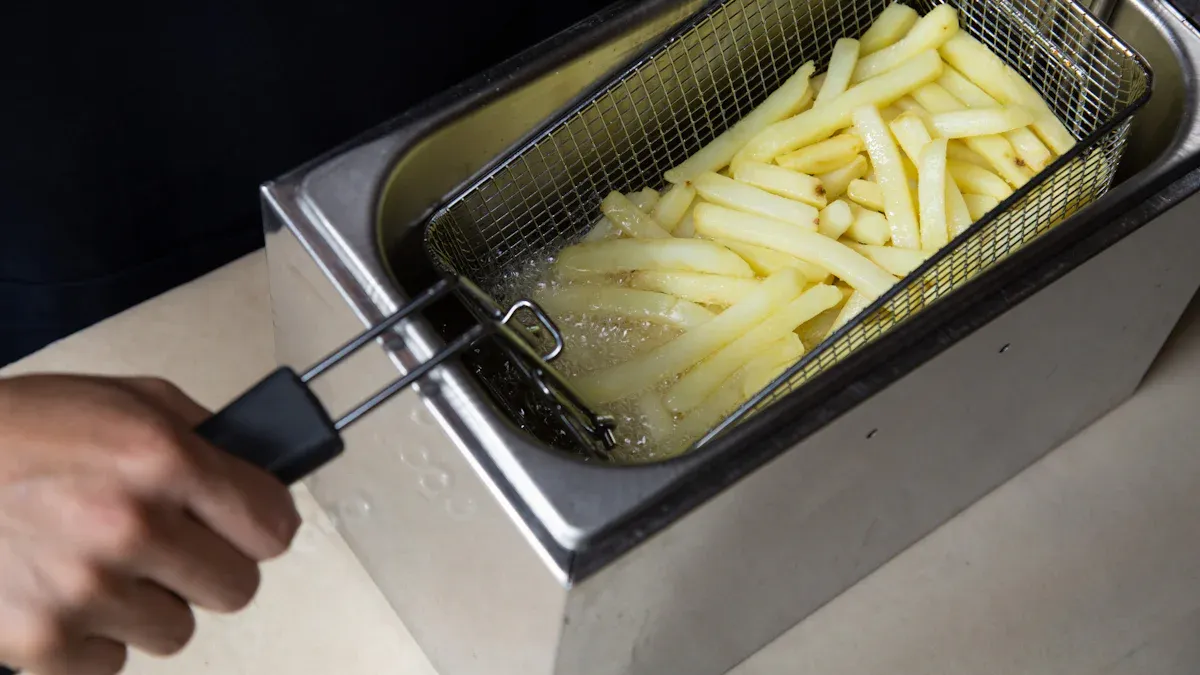
Consumers often consider the fundamental operational differences between air fryers and deep fryers. Each appliance employs distinct methods to cook food, directly influencing the final product’s texture, taste, and nutritional profile. Understanding these core mechanisms helps individuals make informed decisions about their kitchen equipment.
How an Air Fryer Works
An Air Fryer utilizes a sophisticated approach to cooking, primarily relying on hot air circulation. This method provides a healthier alternative to traditional frying.
Convection Heating Technology
An Air Fryer operates using ‘rapid air technology’. A heating element, typically positioned at the top, radiates heat downwards. A powerful fan then rapidly circulates this hot air around the food. This compact, airtight design contains and actively flows air, enhancing cooking intensity and efficiency. This method of heat transfer is known as convection, where energy distributes through the movement of a gaseous medium. Air fryers circulate air at temperatures up to 200 °C (392 °F). This process applies sufficient heat to food, causing a reaction similar to deep frying. Most air fryers include temperature and timer adjustments for precise cooking.
Minimal Oil Application
Air fryers require only a minimal amount of oil, often just a tablespoon or two, to achieve a crispy texture. Food is usually placed in a basket that sits on a drip tray. For optimal results, the basket needs periodic agitation. This minimal oil application significantly reduces the fat content of the cooked food.
How a Deep Fryer Works
Deep fryers employ a more traditional and direct method of cooking, immersing food in hot oil. This technique has been a staple in many cuisines for centuries.
Submersion in Hot Oil
A deep fryer cooks food by completely submerging it in a bath of hot oil. The oil typically reaches temperatures between 175°C and 190°C (350°F and 375°F). This direct contact with the hot oil ensures rapid and even cooking of the food’s exterior.
Traditional Heat Transfer
Heat transfers from the hot oil to the food’s surface primarily through convection. This is followed by the conduction of heat from the surface into the food’s interior. As water within the food evaporates, it generates vapor bubbles, leading to vapor turbulence around the food. This vapor turbulence enhances heat transfer via forced convection, accelerating the cooking process. Deep fat frying offers the fastest convective heat transfer among conventional cooking methods due to surface boiling and the high renewal rate of oil near the product surface. However, if these vapor bubbles become trapped on the food surface, they can form an insulating barrier, impeding further heat transfer. A portion of the heat input also consumes latent heat for water evaporation, reducing the energy available to increase the food’s internal temperature.
Top 1: Health and Nutritional Impact
Choosing a fryer significantly impacts the health profile of prepared meals. Consumers often prioritize health benefits when selecting kitchen appliances. The method of cooking directly influences the fat content, calorie count, and nutrient retention of food.
Oil Consumption and Fat Content
The amount of oil used in cooking directly correlates with the food’s fat content. Fryer types differ greatly in their oil requirements.
The Air Fryer’s Low-Oil Advantage
An Air Fryer offers a significant health advantage due to its minimal oil usage. This appliance typically requires only a tablespoon or two of oil, or sometimes none at all, to achieve crispy results. This method drastically reduces the fat content and calories in food. Air fryers can reduce fat by approximately 70% to 80% compared to traditional oil frying methods. For example, deep frying results in food with about 44.8% oil content, while air frying reduces this to roughly 1.2%. This substantial reduction in oil leads to foods with a much lower fat content.
Deep Frying’s High-Oil Requirement
Deep frying, by contrast, demands complete submersion of food in hot oil. This process means food absorbs a considerable amount of oil during cooking. The high volume of oil used directly contributes to a higher fat content in the final product. This method makes deep-fried foods inherently more calorie-dense and higher in fat.
Calorie and Nutrient Retention
The cooking method also affects the calorie count and how well food retains its nutrients.
Reduced Calories with an Air Fryer
Air frying significantly lowers the calorie count of meals. Up to 75% of the calories in fried foods often come from fat absorbed from cooking oil. By using much less oil, air frying can reduce calories by 70–80% compared to deep frying. For instance, air-fried French fries contain 26% fewer calories and 86% less fat than their deep-fried counterparts. This reduction in fat and calories aids in weight management. Air frying also decreases the formation of harmful compounds like acrylamide, a probable carcinogen. Studies show air frying can reduce acrylamide content by up to 90%.
Calorie Density in Deep-Fried Foods
Deep-fried foods contain high amounts of oil. Greater oil absorption directly leads to higher calorie content. When deep frying, food absorbs hot oil as it cooks and cools, which increases its calorie count. This process makes deep-fried items calorie-dense. The high oil content also means deep-fried foods contribute more to daily fat intake, potentially impacting overall health.
Top 2: Taste and Texture Profile
The choice of fryer significantly influences the taste and texture of cooked food. Consumers often prioritize specific culinary outcomes, making this aspect a critical factor in their decision. Each frying method delivers a distinct sensory experience.
Achieving Crispy Exteriors
Both air frying and deep frying aim for a crispy exterior, but they achieve it through different mechanisms, resulting in unique characteristics.
Air Fryer’s Crispy, Caramelized Finish
An Air Fryer produces a distinct crispy, caramelized finish. The rapid circulation of hot air facilitates the Maillard Effect. This chemical reaction involves the bonding of amino acids and reducing sugars. It is primarily responsible for the browning, unique taste, and aroma of air-fried foods. This process contributes significantly to the crispy exterior. However, achieving consistent crispiness can present challenges. Food may become soggy if it contains excessive moisture or receives insufficient oil. Overcrowding the appliance or using irregularly sized food pieces often leads to uneven crispiness. A significant challenge involves managing moisture. Any wet surface will steam rather than crisp. Therefore, thoroughly patting dry ingredients like chicken, fish, vegetables, and thawed frozen foods is crucial. For very moist items, techniques such as salting to draw out moisture or coating with cornstarch can help.
Deep Fryer’s Classic Golden Crunch
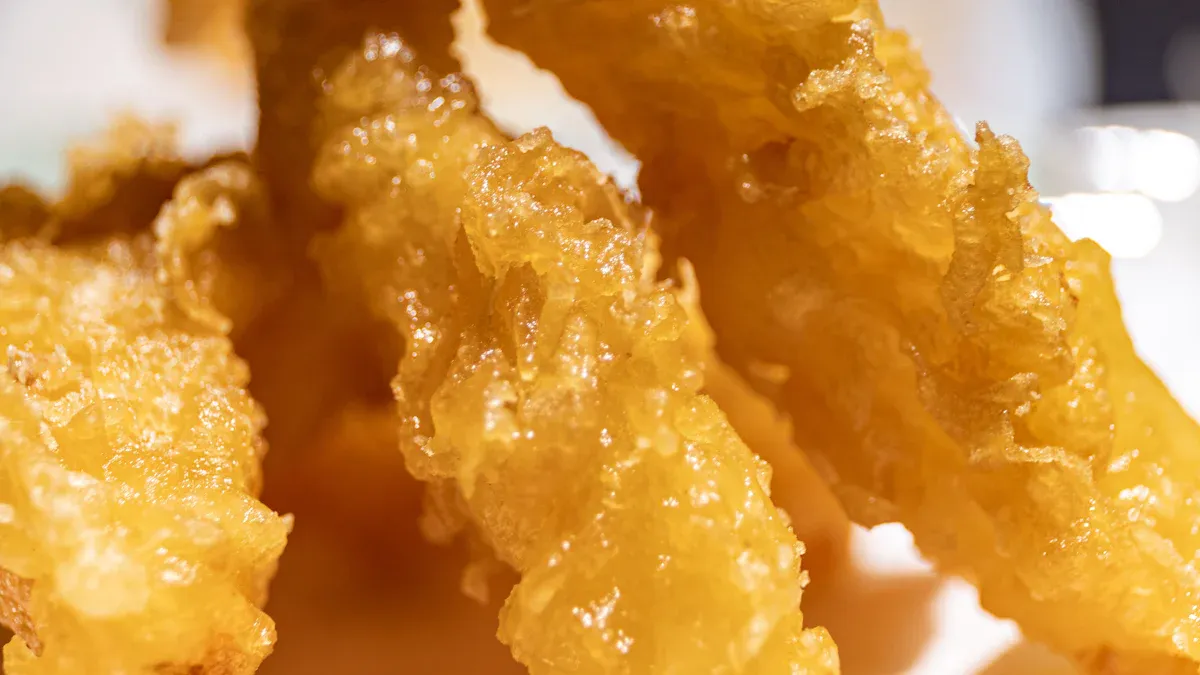
Deep frying delivers a classic golden crunch. The direct submersion in hot oil rapidly cooks the food’s surface, creating a thick, uniformly crispy crust. This method often results in a more pronounced and satisfying crunch compared to air-fried alternatives. The intense heat quickly dehydrates the outer layer, forming a characteristic texture many associate with traditional fried foods.
Interior Moisture and Tenderness
Beyond the exterior, the cooking method also impacts the food’s internal moisture and tenderness.
Air Fryer’s Evenly Cooked Interior
An Air Fryer cooks food evenly throughout. The circulating hot air ensures consistent heat distribution, which helps cook the interior thoroughly. This method often results in a tender, moist interior, provided the food does not overcook. The even heat prevents dry spots and promotes uniform doneness.
Deep Fryer’s Juicy Core
Deep frying often creates a juicy core. The rapid cooking process quickly seals the food’s exterior, trapping moisture inside. This quick sealing action helps maintain the food’s natural juices, resulting in a tender and succulent interior. The contrast between the crispy exterior and the moist, tender inside is a hallmark of well-executed deep-fried dishes.
Top 3: Cooking Time and Efficiency
The speed and ease of preparing meals significantly influence kitchen appliance choices. Modern consumers seek efficient cooking methods that save time without compromising food quality. Both air frying and deep frying offer distinct approaches to cooking duration and overall convenience.
Speed of Preparation
Cooking speed involves both the time an appliance takes to reach its operating temperature and the actual duration of food preparation.
Air Fryer Preheat and Cook Duration
An Air Fryer offers notable time savings. It typically requires only 2-3 minutes for preheating, a significant reduction compared to the 15-20 minutes a traditional oven needs. This translates to 13-18 minutes saved before cooking even begins. The compact size and efficient hot air circulation also contribute to faster overall cooking times, often around 20% quicker than conventional methods. For example, cooking an 8oz calamari takes only 4 minutes at 400°F. A 6oz salmon fillet cooks in 12 minutes at 380°F. Boneless chicken breast requires 12-15 minutes at 380°F, while beef burger patties cook in 8-12 minutes at 350°F.
| Food Item | Temperature | Cooking Time (Minutes) |
|---|---|---|
| Calamari (8oz) | 400°F | 4 |
| Fish Fillet (1 inch, 8 oz) | 400°F | 10 |
| Salmon Fillet (6 oz) | 380°F | 12 |
| Swordfish Steak | 400°F | 10 |
| Tuna Steak | 400°F | 7-10 |
| Scallops | 400°F | 5-7 |
| Shrimp | 400°F | 5 |
| Food Item | Temperature | Cooking Time (Minutes) |
|---|---|---|
| Boneless chicken breast | 380°F | 12-15 |
| Chicken drumsticks | 380°F | 23-25 |
| Chicken wings, drums and flats | 380°F | 22-25 |
| Beef burger patties, fresh (1/4 pound) | 350°F | 8-12 |
| Flank steak (1.5 pounds) | 400°F | 10-12 |
| Meatballs (1 inch round) | 380°F | 7-10 |
| Sirloin steak (12 ounces) | 390°F | 9-14 |
Deep Fryer Heat-Up and Frying Time
Deep fryers require a longer heat-up period. The oil needs to reach a specific high temperature, which can take 10-15 minutes, depending on the oil volume and fryer power. Once hot, deep frying cooks food very quickly due to direct oil contact. However, users must often fry food in batches to maintain oil temperature and prevent overcrowding.
Overall Convenience
The convenience factor encompasses the entire cooking process, from setup to monitoring.
The Air Fryer’s User-Friendly Operation
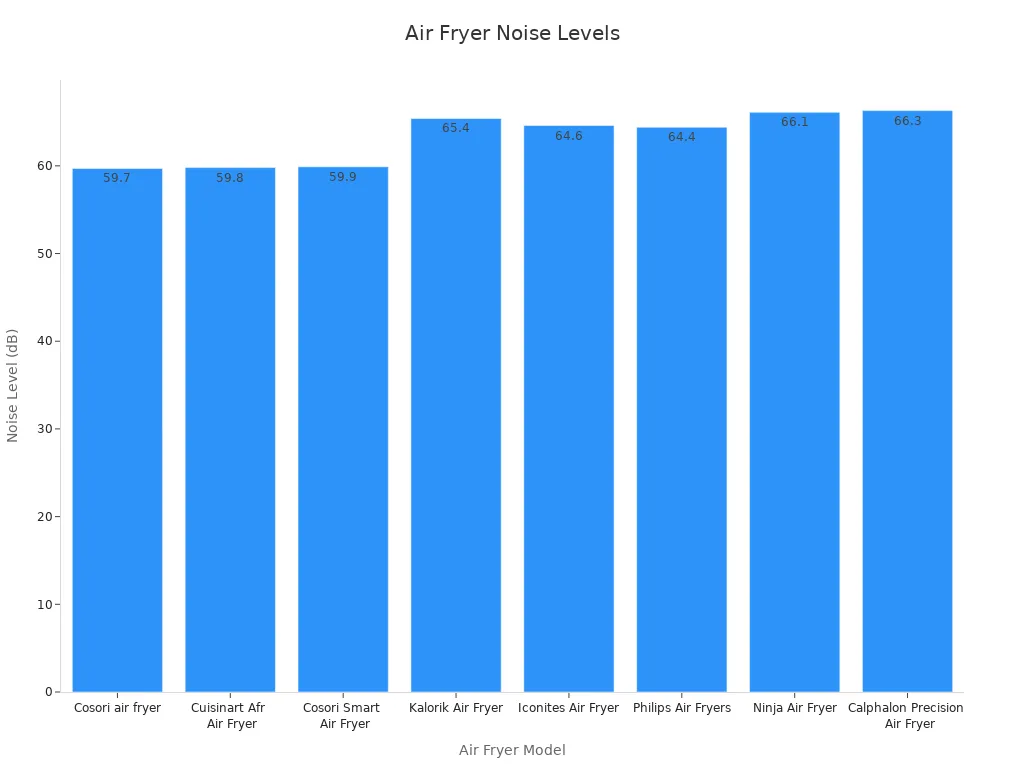
The Air Fryer offers a highly user-friendly operation. Many models feature preset functions, allowing users to simply select a food type and let the appliance manage the cooking. This “set it and forget it” capability frees up attention for other tasks. Users can cook protein and vegetables together, reducing the number of dishes. The appliance also excels at reheating, restoring texture and flavor faster than a microwave or oven. Furthermore, it cooks frozen foods directly without defrosting, saving significant preparation time. Most air fryers operate within a noise level of 50dB to 70dB, comparable to a normal conversation or household appliances like dishwashers.
Deep Frying’s Hands-On Process
Deep frying involves a more hands-on process. Users must carefully monitor oil temperature to ensure optimal cooking and prevent burning. Placing food into hot oil requires caution, and turning items often ensures even cooking. This method demands constant attention, making it less suitable for multitasking. The cleanup process also adds to the hands-on nature, as users must manage hot oil disposal and clean greasy surfaces.
Top 4: Versatility and Food Compatibility
The choice between an air fryer and a deep fryer significantly impacts the types of dishes a kitchen can produce. Each appliance offers distinct capabilities, catering to different culinary needs and preferences. Understanding these differences helps consumers select the best tool for their cooking repertoire.
Range of Dishes
The range of dishes an appliance can prepare directly reflects its versatility. Some fryers offer broad culinary applications, while others serve more specialized purposes.
Air Fryer’s Broad Culinary Applications
An air fryer boasts broad culinary applications. It effectively handles a wide array of foods, from proteins to vegetables and even baked items. For instance, it crisps boneless chicken breasts and tofu, achieving a golden and crispy texture. It also cooks chopped salmon for tacos. The appliance excels with vegetables like zucchini noodles, preventing sogginess often associated with other cooking methods. Frozen foods, such as Trader Joe’s frozen cauliflower gnocchi, turn golden and crispy, avoiding a gooey texture. Users also prepare crispy potatoes, caramelized Brussels sprouts, and seasoned carrots. Beyond main dishes, it cooks baked egg cups, frittatas, pastries, and reheats bread.
Deep Fryer’s Specialized Use
A deep fryer typically serves a more specialized use. Its primary function involves submerging food in hot oil to achieve a distinct crispy texture. This method excels for traditional fried foods, such as classic French fries, fried chicken, and doughnuts. While effective for these specific items, its application range is narrower compared to an air fryer.
Best Suited Food Types
Certain foods perform optimally in one type of fryer over the other. Matching the food type to the fryer ensures the best taste and texture.
Ideal Foods for an Air Fryer
The air fryer is ideal for many food types. It perfectly cooks proteins like tender chicken breasts and flaky fish. Plant-based options also thrive in this appliance. Frozen items such as fries and spring rolls achieve excellent crispiness. It also handles baked items like eggs, pastries, and bread for reheating. However, some foods are less suitable. High-fat meats, such as bacon or heavily marbled cuts, can cause excess grease to smoke or ignite. Wet-battered foods, like tempura or homemade fried chicken, often result in a messy, unformed coating. Fresh, soft cheeses melt and drip, potentially damaging the appliance. Foods with powdered sugar or sweet coatings can caramelize or burn, leaving sticky residue. Raw eggs may explode due to intense heat. Large roasts or whole meats cook unevenly. Popcorn often fails to pop effectively, and puff pastry can burn unevenly. Foods with high water content, like soups, splatter, and lightweight foods, such as lettuce leaves, can fly around. Overcrowding the basket also leads to uneven cooking.
Optimal Foods for Deep Frying
Deep frying is optimal for foods requiring complete submersion in hot oil to develop a thick, crispy crust. This includes items with wet batters, such as classic fried chicken or beer-battered fish, where the oil quickly sets the coating. Dough-based items like doughnuts and fritters also achieve their characteristic texture through deep frying. Foods that benefit from rapid, intense cooking to seal in moisture, like certain cuts of fish or seafood, also perform well.
Top 5: Cost of Ownership and Investment
Consumers consider the financial outlay when purchasing a new kitchen appliance. This includes both the initial purchase price and the ongoing running costs. Understanding these expenses helps individuals make an informed decision about their fryer investment.
Initial Purchase Price
The initial cost of a fryer varies significantly based on brand, size, features, and technology. Buyers find a range of options for both air fryers and deep fryers.
Air Fryer Price Ranges
Air fryers come in various models and price points. For example, Purify offers several options:
| Model | Type | Price |
|---|---|---|
| Purify 2 QT Air Fryer | Air Fryer | $63.99 |
| Purifry™ 6 QT. Air Fryer | Air Fryer | $84.99 |
| Purify 4 QT Air Fryer | Air Fryer | $74.99 |
Higher-end models, such as the Kalorik VIVID TOUCH 5 Quart with High-Resolution Touchscreen, cost around $169.99. The 7-Quart version with a window sells for $189.99.
Deep Fryer Unit Costs
Deep fryers also present a wide price spectrum. Food Network tested deep fryers ranging from $39.99 to $310. A model like the Kalorik 3.0L Deep Fryer with Oil Filtration costs $109.99. This indicates that deep fryers can be both more affordable and more expensive than some air fryer models, depending on features and capacity.
Running Costs and Consumables
Beyond the initial purchase, ongoing expenses contribute to the total cost of ownership. These include electricity consumption and the need for consumables like cooking oil.
Air Fryer Energy Consumption
Air fryers generally consume less energy than deep fryers over time. They typically range from 1200W to 2000W. A 1500W unit used for one hour consumes 1.5 kWh. If a household uses it five times a week for 30 minutes, it consumes approximately 30 kWh in a month. While power consumption ranges from 1,200 to 2,500 watts, the appliance does not run at full power continuously. For instance, a 1,300-watt model running for one hour consumes about 1.3 kilowatt-hours (kWh) of electricity.
Deep Fryer Oil and Power Expenses
Deep fryers have higher running costs due to significant oil consumption and higher power usage. They typically operate at around 2,000 watts and consume 1.0 to 3.0 kWh per use. This table compares typical energy consumption:
| Appliance | Typical Wattage | kWh per use |
|---|---|---|
| Deep Fryer | 2,000 W | 1.0 – 3.0 kWh |
| Air Fryer | 1,400 – 1,800 W | 0.32 kWh (for 32 mins) / 1.4 – 1.8 kWh |
Deep fryers also require large quantities of cooking oil, which users must replace regularly. This adds a recurring expense not typically associated with air frying.
Top 6: Cleaning and Maintenance Effort
The effort required for cleaning and maintaining a fryer significantly influences its long-term appeal. Consumers often consider post-cooking cleanup and ongoing care when they choose an appliance. Each fryer type presents distinct challenges and advantages in this regard.
Post-Cooking Cleanup
The immediate aftermath of cooking often determines user satisfaction. Different fryers demand varying levels of attention for cleanup.
Ease of Cleaning an Air Fryer
Cleaning an air fryer is generally straightforward. Users first turn off the power and allow the appliance to cool for 10-15 minutes. They then gather cleaning tools like a soft sponge, mild dish soap, and warm water. Users remove all detachable parts, such as the basket and crisper plate. They submerge these parts in warm, soapy water for about 15 minutes. Gentle scrubbing with a soft sponge removes food residues. For tough stains, users apply a baking soda paste, let it sit, then scrub. They rinse these parts thoroughly and dry them. For the interior, users wipe the walls with a damp cloth and diluted dish soap. They use a soft-bristle brush around the heating element, avoiding direct water application. Users wipe with a damp cloth to remove soap, then dry completely. They wipe the exterior shell with a wrung-out damp cloth. Users avoid steel wool or harsh brushes to protect the non-stick coating. They do not submerge the entire air fryer in water.
Deep Fryer Oil Disposal and Residue
Deep fryers present unique challenges, primarily due to oil disposal and residue. Users must allow the oil to cool completely before handling it. They can solidify the oil using products like FryAway powder. Users sprinkle the powder into hot oil and stir until it dissolves. The oil then cools and solidifies into a waxy block. Users scoop out this block and dispose of it in the regular trash. Alternatively, users can filter the oil for reuse. They let the oil cool to 150-175°F (65-80°C). They use coffee filters or cheesecloth inside a fine-mesh sieve to strain the warm oil into a clean container. Users store filtered oil in an airtight container in a cool, dark place. They never pour used oil down drains, as this causes severe plumbing issues. For cleaning the fryer itself, users disassemble the fryer, removing the basket and heating element. They wash these parts in hot, soapy water. Users wipe out the main pot with a paper towel to remove leftover oil and crumbs. For polymerized oil, they create a paste with baking soda and water. They gently scrub with a non-abrasive sponge. For stubborn messes, users apply a commercial degreaser. They rinse the fryer thoroughly and dry it completely before storage.
Long-Term Care and Durability
Proper long-term care extends the lifespan of kitchen appliances. Consistent maintenance practices contribute to durability and performance.
Air Fryer Maintenance Tips
Regular maintenance ensures an air fryer performs optimally. Users clean removable parts after each use. They perform a deep clean for stubborn stains and odors. A 2023 study found that air fryers with uncleaned polymerized residue required 22% longer cook times and consumed 18% more energy. Users should apply oil to food, not the basket, to reduce post-cycle residue by 63%. They limit preheating empty to 1–2 minutes to prevent oxidation of residual oils. Users employ parchment liners only for sticky items. They wipe exterior vents weekly with isopropyl alcohol to prevent dust accumulation. Dust reduces airflow by 31% and shortens motor life.
Deep Fryer Longevity Considerations
Deep fryers require consistent attention to maintain their longevity. Regular cleaning, especially addressing polymerized oil, prevents buildup that can degrade performance. Proper oil management, including filtering and timely disposal, also contributes to the fryer’s lifespan. Users ensure the fryer is completely dry before storage to prevent rust or corrosion.
Top 7: Safety and Kitchen Environment
Choosing a fryer involves considering the safety aspects and the impact on the kitchen environment. Appliances vary significantly in their operational risks and the mess they create. Consumers prioritize safety features and a clean cooking space.
Operational Safety Features
The design and technology of a fryer directly influence its safety during operation. Each type presents different considerations for users.
Air Fryer’s Enclosed Cooking
Air fryers offer a safer cooking experience due to their enclosed design. This design minimizes direct contact with heating elements and hot surfaces. Modern models commonly integrate advanced safety features. These include overheating protection and automatic shut-off mechanisms. For example, Ninja models include auto-shutoff functions to prevent overheating. Cosori models feature overheat protection that automatically shuts down the unit. They also have non-slip feet to prevent sliding. Philips models utilize patented Rapid Air technology for even cooking. They also have cool-touch housing to minimize burn risk. These units automatically shut off when users remove the basket during cooking. Many models are designed with cool-touch handles and intuitive digital controls. These features enhance user safety and ease of use.
Deep Fryer’s Hot Oil Hazards
Deep fryers pose several safety concerns due to the presence of large volumes of hot oil. Fire hazards can arise from hot oil spilling when food is placed in the fryer. The absence of automatic thermostat controls can cause oil to overheat and ignite. Burn hazards also come from units prone to tipping, leading to hot oil spills. The extremely hot surfaces, lids, and handles of the fryer itself present burn risks. Deep-frying frozen food can cause the oil to bubble and splash. This potentially leads to burns or oil spreading. Attempting to extinguish an oil fire with water is dangerous. Water instantly turns to steam, splashing hot oil out of the fryer and exacerbating the fire.
Kitchen Impact
The choice of fryer also affects the cleanliness and atmosphere of the kitchen. Some appliances create more mess and odor than others.
Air Fryer’s Minimal Odor and Splatter
Air fryers maintain a cleaner kitchen environment. Their enclosed cooking system significantly reduces oil splatter. This means less grease accumulates on countertops and surrounding surfaces. The rapid air circulation also helps to contain cooking odors. This results in a fresher kitchen atmosphere compared to traditional frying methods.
Deep Fryer’s Smoke and Oil Splatter
Deep fryers often create a more noticeable impact on the kitchen. The open nature of deep frying leads to significant oil splatter. This grease can coat nearby surfaces, requiring extensive cleanup. The high heat and large volume of oil also produce more smoke and cooking odors. These odors can linger in the kitchen and adjacent rooms for extended periods.
Top 8: Space Requirements and Design
The physical footprint and visual appeal of a kitchen appliance significantly influence consumer choices. Fryers occupy valuable counter space. Their design also impacts the overall kitchen aesthetic.
Countertop Footprint
The amount of space a fryer demands on the countertop or in storage varies considerably between models.
Air Fryer Size and Storage Options
Air fryers come in diverse sizes, offering flexibility for various kitchen layouts. Their dimensions and weight depend on their capacity. For example, a 6.8-quart model typically measures 11.7 x 12.9 x 13.8 inches and weighs 13.7 pounds. Larger capacities also exist. A 21-quart model can measure 16.1 x 12.6 x 13.7 inches and weigh 20.04 pounds. Other common sizes include:
| Capacity (Quarts) | Dimensions (inches) | Weight (pounds) |
|---|---|---|
| 5.0 | 10x15x21 | 22 |
| 5.6 | 12x13x16 | N/A |
| 5.2 | 13x12x16 | N/A |
| 7.1 | 13x12x16 | N/A |
| 5.3 | 13x11x14 | N/A |
| 7.6 | 14x17x15 (HxWxD) | N/A |
Many models feature compact designs. This allows for easier storage in cabinets or pantries when not in use.
Deep Fryer’s Kitchen Space Needs
Deep fryers generally require more dedicated space. They come in countertop and floor models. Countertop units are more space-efficient. They suit kitchens with limited room. Floor models are larger. They demand more significant floor space. All deep fryers need proper air circulation. Manufacturers recommend a 15cm clearance around the sides and back.
| Fryer Type | Typical Oil Capacity | Space Requirement |
|---|---|---|
| Countertop | 6 to 30 Liters | Space-efficient, ideal for limited space |
| Floor Model | Up to 45 Liters | Requires more space |
| Clearance (all models) | 15cm around sides and back | For proper air circulation |
Countertop fryers are compact and space-saving. They are ideal for small kitchens or food trucks. Floor fryers are larger. They suit establishments with high-volume frying needs.
Aesthetic Integration
The visual design of a fryer influences how it fits into a kitchen’s overall style.
Modern Air Fryer Designs
Modern air fryer designs often feature sleek lines and contemporary finishes. They typically incorporate digital displays and touch controls. These appliances aim for a minimalist aesthetic. They blend well with modern kitchen decor. Air fryers circulate hot air using a convection fan. This simulates deep frying results with little to no oil. This fundamental difference in cooking process allows for a more compact and enclosed design.
Traditional Deep Fryer Appearance
Traditional deep fryers often have a more utilitarian appearance. They feature robust metal construction. They prioritize function over sleek design. Deep fryers cook food by submerging it in heated fat or oil. This requires a larger, open vat design. This design reflects their primary function. They heat oil and fat to high temperatures for cooking. This contrasts with air fryers, which use a high-powered fan to circulate hot air.
Top 9: Future Trends and Innovations in 2026
The year 2026 brings exciting advancements in kitchen appliance technology. Fryers continue to evolve, integrating smart features and focusing on sustainability. These innovations aim to enhance user experience and reduce environmental impact.
Smart Technology and Connectivity
Smart technology transforms kitchen appliances. Fryers are no exception, offering more intelligent and connected cooking experiences.
Advanced Air Fryer Features
Smart appliances leverage AI, connectivity, and sensors to automate tasks. They learn user habits and improve efficiency with minimal manual input. Technology becomes more refined and accessible, creating smarter homes. Innovations include steam-air frying functions, which inject precise moisture for crispy yet moist food. Dual-zone cooking offers two independent baskets, allowing simultaneous preparation of different foods at varying temperatures and durations. Highly precise temperature control provides wider ranges for diverse functions, from low-temperature dehydrating to high-heat searing. AI and IoT integrate for adaptive cooking, remote monitoring, and personalized recipe suggestions. Automation trends feature voice control compatibility and app-based control systems. Manufacturers emphasize energy efficiency, multi-functionality, and safety enhancements.
Emerging Deep Fryer Innovations
Deep fryers also see significant advancements. Advanced oil management features include automated oil filtration, auto-fill capabilities, and smart sensors. These innovations monitor oil quality to extend oil life and reduce consumption. IoT integration provides seamless connectivity for remote monitoring, diagnostics, and data analytics on usage patterns and energy consumption. Robotic automation introduces automated basket lifting, lowering, and even food loading systems. These systems decrease manual labor and enhance consistency. Energy recovery systems capture and reuse heat, significantly lowering energy costs and environmental impact. Predictive maintenance uses sensors and AI algorithms to forecast equipment malfunctions, enabling proactive servicing and minimizing downtime. Enhanced energy efficiency comes from improved insulation, rapid heat recovery, and more efficient heating methods. Safety features include auto-shutoff mechanisms, cool-touch exteriors, and advanced fire suppression systems.
Sustainability and Eco-Friendliness
Environmental concerns drive innovation in kitchen appliances. Manufacturers focus on reducing the ecological footprint of their products.
Air Fryer’s Environmental Footprint
The environmental impact of these appliances begins with manufacturing materials. These primarily include metal, plastic, and non-stick coatings. Extracting and processing metals consume significant energy and produce greenhouse gas emissions. Plastics, derived from petroleum, contribute to pollution. Non-stick coatings also pose environmental challenges during production and disposal. The lifespan and durability of a unit influence its environmental footprint; cheaper models with shorter lifespans increase e-waste. E-waste contains hazardous substances. Proper disposal and recycling are crucial, requiring specialized e-waste facilities. The production and global supply chain contribute significantly to the environmental footprint. This includes energy and resources for raw material extraction, processing, manufacturing, and transportation. Transporting units from manufacturing facilities to consumers relies on fossil fuels, increasing greenhouse gas emissions. Consumers can mitigate this by choosing models from companies prioritizing sustainability.
Deep Fryer’s Waste Management
One significant environmental advantage of air fryers is their ability to cook with minimal or no oil. This contrasts with traditional deep frying methods that require large amounts of oil. This reduction in oil usage means less waste and fewer disposal issues. Used cooking oil can clog drains and contribute to environmental pollution if not handled correctly. While some oil may still be used for flavor, the quantities are minimal compared to traditional frying. This decreases the demand for cooking oil and reduces the environmental impact associated with its production and disposal. Digital fryers significantly reduce oil waste in home kitchens, cutting it by up to 90%. This shift leads to less oil waste and fewer environmental hazards. Many models combine multiple cooking functions, reducing the need for extra appliances and lowering manufacturing emissions. Their compact designs and energy-efficient technology further decrease the carbon footprint compared to deep fryers. Lower oil usage means fewer pollutants enter the environment, supporting cleaner water and healthier ecosystems.
Top 10: Personal Factors for Choosing Your Fryer in 2026
Individuals make appliance choices based on their unique circumstances. Personal factors significantly influence the decision between an air fryer and a deep fryer. These considerations ensure the chosen appliance aligns with daily life.
Lifestyle and Dietary Needs
A person’s lifestyle and dietary requirements play a crucial role in fryer selection. Different cooking methods support various health and convenience priorities.
Prioritizing Health with an Air Fryer
Many individuals prioritize health in their dietary choices. They seek cooking methods that reduce fat intake. An air fryer uses minimal oil, significantly lowering the calorie and fat content of meals. This makes it an excellent choice for those managing weight or adhering to healthier eating plans.
Convenience for Busy Schedules
Busy schedules demand efficient kitchen solutions. Both types of fryers offer convenience, but in different ways. An air fryer often provides faster preheating and cooking times for smaller batches. It also requires less hands-on monitoring. A deep fryer cooks quickly once the oil is hot, but it demands more attention during the process.
Budget and Kitchen Constraints
Financial limitations and available kitchen space directly impact appliance purchases. Consumers must consider both initial costs and long-term expenses.
Cost-Effective Fryer Solutions
Budget constraints often lead buyers to focus solely on the initial purchase price. However, the total cost of ownership (TCO) is crucial for long-term value. TCO includes energy usage, maintenance, and replacement parts. A cheaper commercial fryer upfront might consume oil faster, increasing ongoing expenses. Investing in high-quality fryers, despite a higher initial cost, can lead to long-term savings. This happens through reduced maintenance and an extended lifespan. For example, a high-end commercial fryer, though more expensive initially, can last longer and perform more consistently. This results in overall cost savings. Operators are often constrained by budget and time. This limits their ability to consider TCO. Less expensive fryers typically have lower cooking capacities and longer heat recovery times. This increases energy expenses. Quality fryers heat food more quickly and efficiently.
Space-Saving Appliance Choices
Kitchen size dictates the available space for appliances. Air fryers come in various compact sizes. Many models fit easily on countertops or store in cabinets. Deep fryers, especially larger models, demand more dedicated counter or floor space. Individuals with smaller kitchens often prefer the more compact options.
Culinary Goals and Preferences
Specific culinary aspirations and taste preferences guide the choice of frying method. Each fryer excels at producing distinct textures and flavors.
Achieving Specific Textures and Flavors
Different fryers produce unique food textures. A deep fryer delivers a classic, uniformly crispy, and often thicker crust. This results from complete oil submersion. An air fryer creates a crispier, more caramelized exterior. This comes from circulating hot air. Individuals seeking the traditional deep-fried taste will prefer a deep fryer. Those who enjoy a lighter crisp might favor an air fryer.
Exploring Diverse Cooking Techniques
Some individuals enjoy experimenting with various cooking methods. An air fryer offers versatility beyond frying. It can roast, bake, and even dehydrate foods. A deep fryer specializes in frying. Its primary function is to submerge food in hot oil. Individuals who desire a multi-functional appliance often choose an air fryer. Those focused solely on traditional frying will select a deep fryer.
Selecting the ideal fryer requires a careful balance of health benefits, desired taste, and practical convenience. Consumers should thoroughly consider their personal lifestyle, financial budget, and specific culinary aspirations to find the best appliance for their kitchen. The evolving landscape of frying technology, including advancements in the Air Fryer, consistently introduces innovative options suitable for every home.
FAQ
Is an air fryer healthier than a deep fryer?
An air fryer significantly reduces fat content. It uses minimal oil, leading to fewer calories. This makes it a healthier option for many dishes.
Can an air fryer make food as crispy as a deep fryer?
An air fryer produces a crispy, caramelized finish. A deep fryer delivers a classic golden crunch. Both achieve crispiness, but the texture differs.
Which fryer cooks food faster?
An air fryer preheats quickly and cooks food efficiently. A deep fryer requires longer oil heat-up time. However, it cooks food rapidly once the oil reaches temperature.
Is cleaning an air fryer easier than a deep fryer?
Cleaning an air fryer is generally straightforward. Deep fryers require careful oil disposal and more extensive cleaning for grease residue.
What types of food are best for an air fryer?
An air fryer excels with proteins, vegetables, and frozen items. It also reheats bread and bakes small items.
Do deep fryers pose safety risks?
Deep fryers involve hot oil, posing fire and burn hazards. Users must exercise caution. Air fryers offer enclosed cooking, minimizing these risks.
How does an air fryer impact kitchen space?
Air fryers come in various compact sizes. They fit easily on countertops or store in cabinets. Deep fryers generally require more dedicated space.
What are future trends for fryers in 2026?
Future trends include smart technology, AI integration, and enhanced energy efficiency. Both air and deep fryers will see innovations in connectivity and sustainability.
Post time: Jan-26-2026