Your old bath mat might be a hidden health hazard. It harbors bacteria and mold. Traditional bath mats fail bathroom hygiene. E. coli and Staphylococcus aureus commonly thrive on these damp surfaces. Mold spores can germinate within 24-48 hours. These microbes require moisture to survive. Discover the superior alternative: the Diatomite Mat. This innovative diatomite bath mat offers a cleaner, drier, and healthier solution. Consider a stylish Diatomite Bath Mat Print to upgrade your bathroom.
Key Takeaways
- Old bath mats can be bad for your health. They hold water and grow germs like mold and bacteria.
- Traditional bath mats stay wet for a long time. This makes them a perfect place for germs to grow and cause bad smells.
- Diatomite mats are a better choice. They are made from natural material that dries very fast.
- These mats soak up water quickly and let it evaporate. This keeps your bathroom floor dry and clean.
- Diatomite mats help stop mold and bacteria from growing. This makes your bathroom healthier.
- They last much longer than fabric mats. This saves you money and creates less waste over time.
- Caring for a diatomite mat is easy. You just wipe it and let it air dry, instead of washing it often.
The Problem with Traditional Bath Mats: More Than Just a Puddle
Moisture Retention: A Breeding Ground for Bacteria and Mold
The Damp Environment Dilemma
Traditional cloth bath mats absorb water. They hold this moisture, creating a perpetually damp environment. This trapped moisture, combined with warmth and organic matter, forms an ideal breeding ground for mold, mildew, and bacteria. The dense cotton fibers prevent the mat from truly drying, especially in humid or poorly ventilated bathrooms.
Unseen Microbial Growth
Mold spores can germinate within 24-48 hours if the mat stays wet. Visible dark spots from mold can appear by day three. Black mold can start breeding within 48 hours. Fabric mats often remain damp for 4-24+ hours after use. This persistent dampness fosters a hidden ecosystem of microbes.
| Pathogen | Location in Bathroom | Associated Health Risks |
|---|---|---|
| Mycobacterium avium | Showerheads | Clinical infections |
| Salmonella enteritidis | Toilet surfaces | Intestinal infections |
| Escherichia coli | Toilet surfaces | Intestinal infections |
| Staphylococci | Sinks | Conjunctivitis, various clinical infections |
Researchers identified 12 pathogens on sampled bathroom surfaces. These pathogens associate with 15 different human diseases.
Slow Drying Times: The Perpetual Dampness Dilemma
Lingering Wetness and Its Consequences
Traditional bath mats take a long time to dry.
| Feature | Traditional Cotton Mat |
|---|---|
| Drying Time | 4–24 hours |
This extended drying period means the mat remains wet for many hours. A constantly damp mat poses a slip hazard. It also contributes to the overall humidity in the bathroom.
Impact on Bathroom Air Quality
Persistent dampness significantly impacts indoor air quality.
A high humidity level creates a breeding ground for bacteria on towels and bath mats.
This elevated humidity promotes microbial growth not just on the mat, but throughout the bathroom environment. The air can become heavy with moisture and microbial byproducts.
Odor Development: Unpleasant Smells and Hygiene Concerns
Musty Odors Explained
Musty odors in damp fabrics originate from mold and mildew. These fungi thrive in moist, poorly ventilated environments. As these fungi grow, they release volatile organic compounds (VOCs). These VOCs cause the distinctive stale, musty smell. The intensity of the odor directly relates to the size of the fungal colony.
The Link Between Smell and Bacteria
Chloroanisoles (CAs), particularly 2,4,6-triCA, are chemical compounds responsible for musty or moldy odors. Microbes transform chlorophenols (CPs), often found in legacy wood preservatives, into these compounds. Studies show people perceive 2,4,6-triCA as unpleasant at concentrations as low as 13 ng/m3. These levels are comparable to those found in buildings with odor complaints. A musty smell indicates active microbial growth. This signals a hygiene concern in the bathroom.
Maintenance Hassles: Frequent Washing and Deterioration
The Chore of Constant Laundry
Traditional bath mats demand frequent laundering. This necessity arises from their constant exposure to moisture and potential microbial growth. Experts recommend washing bath mats at least once a week, or even more often in high-traffic bathrooms. This routine adds a significant chore to household responsibilities. Each wash cycle consumes water, detergent, and electricity. It also requires time for loading, washing, drying, and folding. Many individuals find this constant maintenance inconvenient. They often neglect the recommended washing frequency. This neglect, however, exacerbates the hygiene issues discussed previously. A neglected bath mat quickly becomes a reservoir for bacteria and mold, undermining bathroom cleanliness.
Wear and Tear Over Time
The repeated washing and drying cycles take a toll on traditional fabric bath mats. Over time, the material degrades. Colors fade, once vibrant patterns become dull, and the fabric loses its original softness and plushness. Fraying edges and thinning areas often appear, particularly in high-traffic spots. This deterioration impacts the mat’s aesthetic appeal. More importantly, it compromises the mat’s functionality. A worn-out mat absorbs less water effectively. It also provides less cushioning and becomes less stable underfoot. Ultimately, the mat reaches a point where it no longer serves its purpose efficiently or hygienically. This necessitates frequent replacement, adding to household expenses and environmental waste. The constant cycle of purchase, use, wash, and replace highlights a significant drawback of traditional bath mat designs.
Enter the Diatomite Mat: A Game-Changer for Your Bathroom
What is Diatomite? Understanding the Natural Material
Origins and Composition
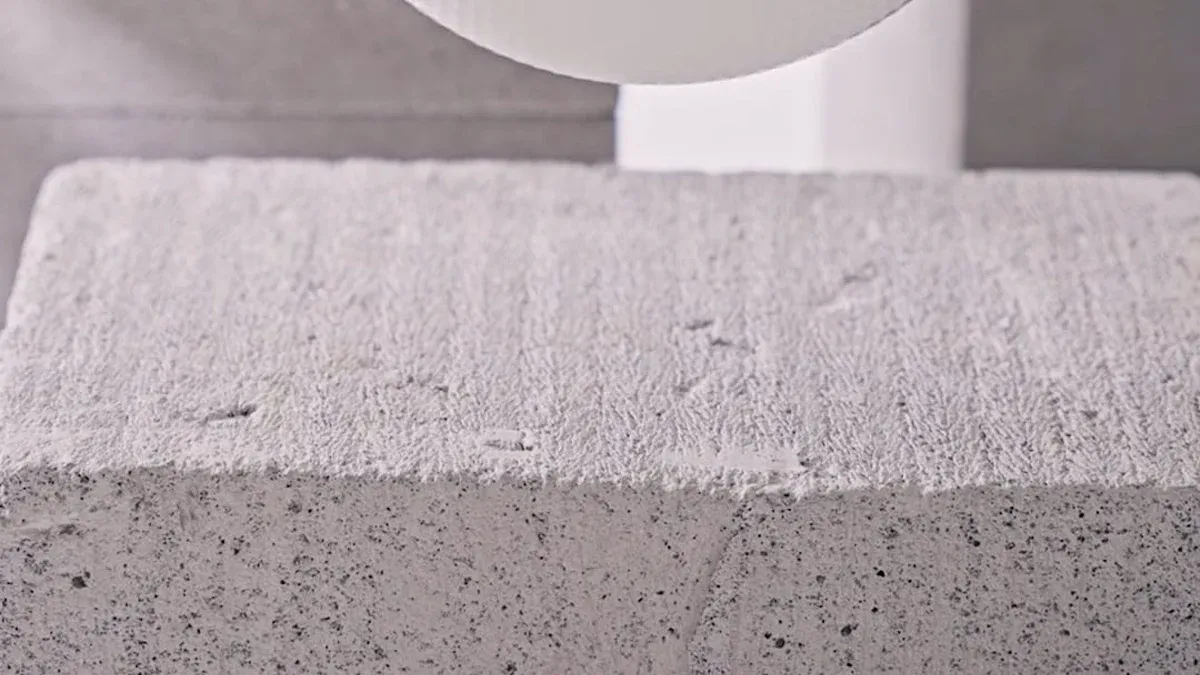
Diatomite is a soft, chalk-like sedimentary rock. It forms from the fossilized silica shells of microscopic algae called diatoms. Its primary chemical composition is silica (SiO2). It also contains trace amounts of magnesium, sodium, iron, and other elements. Purified diatomite is essentially silica, with an average molecular mass of 60.8. The genesis of diatomite often links to volcanic activity. Volcanic activity increases silica in the water, providing ideal conditions for diatom formation. Diatomite deposits can be lacustrine (freshwater) in origin. Geologists find these deposits among terrestrial volcanic sequences. Mineralogical and chemical analyses of diatomite samples indicate optimal concentrations of SiO2, Al2O3, Fe2O3, and TiO2. For instance, Abiyata diatomite shows a high SiO2 percentage, often around 76.9% on average, with some samples reaching 84.66%.
Unique Porous Structure
Diatomite possesses a unique microstructure. This structure plays a very important role in its sorption capacity. Diatomite contains numerous macropores and ordered mesopores. These pores contribute to its high porosity and large specific surface area. These features are crucial for its absorption capacity. Treatments like thermal treatment, sulfuric acid, or sodium hydroxide can open clogged pores. These treatments also volatilize organic substances and enlarge pore edges. This leads to an increase in specific surface area and the creation of larger, spongy-like pores. These modifications enhance the material’s ability to adsorb substances. Calcination further enhances these properties. It increases surface area, porosity, and creates more favorable microstructures and reactive sites for absorption. This process can lead to an increase in absorbency by as much as 60 wt.%.
Instant Absorption and Rapid Drying: How the Diatomite Mat Works
Micro-Porous Technology in Action
A Diatomite Mat utilizes millions of microscopic pores. These pores rapidly absorb water from wet feet. The mat traps water on its surface for quick evaporation. This differs significantly from traditional bath mats. Traditional mats soak water internally and hold it.
| Feature | Diatomite Mat | Traditional Bath Mat |
|---|---|---|
| Drying Speed | 10-15 minutes | Hours (up to 24 hours) |
| Absorption Type | Instant Surface Absorption & Evaporation | Deep Fabric Absorption |
| Water Handling | Traps water on surface for quick evaporation | Soaks water internally, holds it |
| Feeling | Cooler, less ‘swampy’ | Plush, but can linger wet |
| Odor/Mold | Less odor, cuts down potential mold growth | Can lead to mold growth and bacterial breeding spots |
This instant surface absorption prevents water from pooling. It also keeps the bathroom floor dry and safe.
Evaporation Efficiency
Diatomaceous earth bath mats are noted for their ‘Quick Evaporation’ performance. They achieve an 80% score in this category. This rapid evaporation capability is maintained even when manufacturers compress the material into boards. The Dorai Bath Stone, for example, can absorb up to 150% of its weight in water. This water then quickly evaporates. This efficient evaporation helps keep surfaces dry. It also actively prevents mold and bacteria growth.
Anti-Bacterial and Anti-Mold Properties: A Healthier Diatomite Mat Choice
Natural Resistance to Microbes
Scientific studies indicate that diatomite itself does not possess inherent antibacterial activity. For instance, both intact diatomite (IDA) and cleaned diatomite (CDA) showed a growth suppression area diameter of 0 mm in antibacterial tests. However, diatomite acts as an excellent carrier for antibacterial compounds. When manufacturers modify diatomite with antibacterial agents like chloramphenicol (CHL) or tetrahydroxymethylglycoluril (TGMGU) and betulin (BET), it exhibits significant antibacterial properties. For example, IDA + CHL resulted in a growth suppression area of 51.0 ± 0.8 mm, and CDA + CHL showed 52.1 ± 0.5 mm.
However, DA itself does not possess antibacterial activity. This is why in this study diatomite has been modified by coating its surface with organic compounds of natural and synthetic origin displaying antibacterial features. The high sorption capacity of diatomite allows it to provide long antibacterial compound emission from the biomaterial and, consequently, suppression of pathogenic wound microflora development. Due to this fact, diatomite was chosen as the base for biocomposites with antibacterial properties.
This means that while pure diatomite does not kill bacteria, its structure allows for effective integration of antimicrobial treatments.
Preventing Mildew and Fungi
The primary mechanism by which a diatomite mat promotes a healthier bathroom environment is its rapid drying capability. Mold and fungi require moisture to grow and thrive. By quickly absorbing water and allowing it to evaporate rapidly, the diatomite surface remains dry. This dry environment inhibits the conditions necessary for mildew and fungi to establish and spread. Therefore, even without inherent antibacterial properties, the mat effectively prevents the proliferation of these common bathroom nuisances. This leads to a cleaner, fresher, and more hygienic bathroom space.
Durability and Longevity: A Diatomite Mat That Lasts
Robustness of Diatomite
Diatomite, a naturally occurring sedimentary rock, possesses inherent robustness. Its primary component, silica, contributes to its hardness and structural integrity. This material forms from the fossilized remains of diatoms, microscopic algae with intricate silica cell walls. These microscopic structures interlock, creating a solid yet porous material. This unique composition gives diatomite mats their characteristic firmness and resistance to deformation. Unlike fabric mats that can fray, tear, or lose their shape over time, a Diatomite Mat maintains its rigid form. It does not compress or flatten with repeated use. This structural stability ensures the mat continues to perform its function effectively for an extended period. Its solid nature also makes it resistant to the common wear and tear associated with daily bathroom use, such as constant foot traffic and moisture exposure.
Extended Lifespan Compared to Fabric
Diatomite mats offer a significantly longer lifespan than traditional fabric bath mats. This extended durability translates into better long-term value for consumers. A well-maintained diatomaceous earth bath mat can last 3 years or more. Its lifespan depends on usage frequency and cleaning practices. Many users report these mats lasting between 2 to 5 years. In contrast, fabric bath mats generally require replacement every 2 years. Some traditional mats may only last 1-2 years before showing significant signs of wear.
Consider the following comparison:
| Feature | Stone Bath Mat | Traditional Fabric Mat |
|---|---|---|
| Durability | Long-lasting (3+ years) | Short lifespan (2-3 years) |
| Lifespan | Over 3-4 years | 1-2 years |
This difference in longevity means consumers replace diatomite mats less frequently. This reduces both household expenses and environmental waste. The robust nature of diatomite resists the degradation that repeated washing and drying cycles inflict on fabric mats. Fabric mats often fade, fray, and thin out, losing their aesthetic appeal and functional effectiveness. Diatomite mats, however, retain their appearance and performance characteristics for years, making them a more sustainable and economical choice for the modern bathroom.
Diatomite Mat vs. Traditional: A Head-to-Head Comparison
Hygiene and Health: Which Mat Keeps You Safer?
Bacterial Load Comparison
Traditional fabric mats often become significant sources of microbial growth. These mats, especially in humid bathroom environments, remain damp for extended periods. This dampness creates an ideal breeding ground for mold and bacteria. Mold spores begin to colonize the damp fibers within 24-48 hours of use. By the second week, these fabric mats can harbor millions of bacteria. This presents a clear hygiene risk.
| Feature | Diatomite Mat | Traditional Fabric Mat |
|---|---|---|
| Hygiene & Odor Resistance | Naturally antimicrobial; resists mold | Traps bacteria; prone to mildew |
| Drying Time | Dries within minutes | Remains damp for hours |
| Microbial Growth | Drastically reduces | Ideal breeding ground |
In contrast, a Diatomite Mat drastically reduces microbial growth. Its rapid drying properties prevent the moisture accumulation necessary for bacteria and mold to thrive. This makes it a far more hygienic option for any bathroom.
Allergy and Asthma Considerations
Diatomite mats offer significant advantages for individuals with allergies or asthma. Their quick-drying nature minimizes moisture and dampness. This characteristic actively prevents the growth of germs, fungi, and bacteria that commonly thrive in traditional fabric mats. The anti-bacterial and odor-free properties of diatomite mats make them an excellent choice for individuals with allergies. They effectively reduce the risk of allergen-related issues, contributing to a healthier indoor environment. Traditional mats, by retaining moisture, can become reservoirs for dust mites and mold spores, which are common allergens.
Drying Efficiency: No More Soggy Floors with a Diatomite Mat
Speed of Water Absorption
The speed at which a bath mat dries directly impacts bathroom hygiene and safety. Diatomaceous earth bath mats, like the Dorai Bath Stone, utilize millions of microscopic pores. These pores quickly absorb and evaporate water. This rapid absorption allows the mat to hold up to 150% of its weight in water. It keeps the surface dry and prevents water from pooling. This efficiency stands in stark contrast to traditional options.
| Mat Type | Drying/Moisture Time |
|---|---|
| Dorai Bath Mat | 4 Seconds to Dry |
| Average Bath Mat | 12 Hours of Moisture |
This table clearly illustrates the superior drying performance of diatomite mats. They dry within seconds, while average bath mats can remain moist for half a day or longer.
Preventing Slip Hazards
Diatomite mats are generally less slippery than traditional wet bath mats. Their instant water absorption and quick-drying properties significantly reduce surface moisture. This characteristic inherently lowers the risk of slips and falls. However, their effectiveness in preventing slip hazards depends highly on proper installation and maintenance.
- Place the mat on a flat, dry surface, preferably tiles without cracks or soap films.
- Always ensure the floor beneath the mat is thoroughly dry to maintain stability.
- Utilize anti-slip pads or rubber feet, as most diatomite mats are flat and firm, to significantly improve grip.
- Clean the mat weekly with a damp cloth to remove dirt and soap scum, avoiding soaking to prevent structural weakening.
- After use and cleaning, allow the mat to fully air dry in a ventilated area to prevent lingering moisture.
- Regularly check that the mat lies flat and does not shift underfoot, as a wobbly mat can be a hazard.
- Consider pairing the mat with textured bathroom flooring or adding adhesive strips underneath for enhanced hold.
- Ensuring the mat can ‘breathe’ and is not perpetually damp is crucial for maintaining its slip-resistant qualities.
Maintenance and Cleaning: Effortless Upkeep for Your Diatomite Mat
Daily Care Routines
Maintaining a diatomite mat requires minimal effort compared to fabric alternatives. Simple daily care ensures its longevity and optimal performance.
- After each use, prop the mat vertically or lean it against a dry surface. This allows air circulation and quick moisture evaporation, preventing mold and mildew.
- Weekly, gently wipe the mat with a dry microfiber cloth to remove surface dust and dirt. Avoid using water or chemicals for this routine wipe.
- For minor stains, use a soft cloth dampened with water to gently rub the area. Do not soak the mat.
- Monthly, sprinkle baking soda on the mat, let it sit for 10 minutes, then gently brush it off with a soft dry brush. This refreshes the surface and neutralizes odors.
- Wipe the surface with a damp cloth when needed to prevent dust accumulation and maintain absorbency.
- The frequency of drying depends on usage: every 1-3 months for single-person households, monthly for 2-3 people, and more frequently for high-traffic usage.
It is important to avoid certain practices:
- Never submerge the diatomite mat or pour liquids directly on it.
- If the mat gets wet, dry it flat in a cool, ventilated place, away from direct sunlight or heaters.
- Avoid leaving the mat wet for extended periods without airing out, as constant moisture can cause damage.
- Do not stack heavy items on a wet mat, as pressure can lead to cracks or marks.
- Refrain from cleaning the mat with harsh chemicals or vigorous scrubbing, as these can damage the porous texture and reduce absorbency.
- Never put a diatomite mat in a washing machine, as its rigid material will likely crack.
- Avoid exposing the mat to direct, intense sunlight for long periods, which can cause discoloration or warping.
- Do not neglect quick and simple daily care, as consistent attention helps maintain the mat’s freshness and appearance.
Deep Cleaning Requirements
Diatomite mats generally do not require the intensive deep cleaning associated with traditional fabric mats. Fabric mats often need frequent machine washing with detergents and hot water to remove accumulated dirt, bacteria, and odors. This process is time-consuming and contributes to wear and tear. Diatomite mats, by contrast, maintain their cleanliness through their rapid drying and natural resistance to microbial growth. The routine care described above usually suffices. If the mat’s absorbency decreases over time, a light sanding with fine-grit sandpaper can restore its porous surface. This simple restoration method is far less demanding than the repeated laundering required for fabric mats.
Durability and Lifespan: Getting Your Money’s Worth from a Diatomite Mat
Cost-Benefit Analysis Over Time
Evaluating the long-term cost of a bath mat involves more than just its initial purchase price. It includes replacement frequency and maintenance efforts. A Diatomite Mat typically costs between $25 and $60. It can last 1 to 3 years, or even 2 to 5 years with proper care. In contrast, traditional fabric bath mats have a shorter lifespan, usually under 1 to 2 years. They also require frequent washing. Over a 10-year period, replacing a $50 diatomite mat every 18 months accumulates to a cost of $300.
Consider the properties and longevity of various bath mat types:
| Type of Material | Properties | Longevity & Durability Verdict |
|---|---|---|
| Diatomite | Absorbs water instantly, resists mold, dries quickly, odor-free, eco-friendly, natural anti-slip surface, low maintenance. | 3-5 years or longer with proper care. |
| Fabric | Soft, cozy, but prone to absorbing water, slow to dry, can become breeding grounds for mold and bacteria, requires frequent washing. | Short lifespan (typically under 1-2 years, depending on usage). |
| Rubber | Durable, water-resistant, but can lack aesthetic appeal, feel slippery or sticky, and wear out in high-traffic areas. | Moderate lifespan (2-3 years). |
| Wood | Sturdy, stylish, resistant to moisture, but requires more maintenance to prevent warping or discoloration, lacks quick-drying convenience. | Long lifespan (3-5 years or more with proper care). |
Diatomite mats offer significant benefits. These include immediate absorption, mold resistance (with regular drying), minimal maintenance (shaking debris, monthly rinsing), eco-friendliness, and an odor-free, natural anti-slip surface. However, they are more delicate. They can crack or chip if dropped. Factors like frequency of use, maintenance, stress exposure, and storage conditions influence their lifespan. While the initial investment for a diatomite mat is lower than some permanent solutions, its shorter lifespan compared to options like absorbent floor tiles (10-15 years) can lead to a higher total cost of ownership over an extended period. The decision between a diatomite mat and multiple traditional mats ultimately depends on individual priorities regarding initial cost, maintenance, and desired lifespan.
Replacement Frequency
The frequency of replacing a bath mat significantly impacts its overall value and environmental footprint. Diatomite mats, when well-maintained, offer a considerably longer service life.
| Bath Mat Type | Typical Lifespan |
|---|---|
| Traditional Fabric | Under 1-2 years (depending on usage), generally replaced every 2 years |
| Diatomite (well-maintained) | 2 to 5 years, or longer (with proper care) |
| Diatomite (bottom-tier/cheap) | 6 to 12 months |
This table illustrates the extended durability of diatomite. A high-quality, well-cared-for diatomite mat can last two to five times longer than a traditional fabric mat. This reduces the need for frequent replacements. It also saves money and decreases waste over time.
Aesthetics and Design: Modern Diatomite Mat vs. Classic Fabric
Contemporary Bathroom Appeal
Diatomite mats bring a sleek, minimalist aesthetic to modern bathrooms. Their solid, stone-like appearance offers a clean and sophisticated look. They often come in neutral colors like grey, white, or beige, which complement various bathroom decors. The smooth, untextured surface provides a stark contrast to the plushness of fabric mats. This creates a spa-like ambiance. Many designers favor diatomite mats for their ability to enhance a contemporary design scheme. They contribute to a clutter-free and elegant environment. Their slim profile also helps maintain an open and spacious feel in the bathroom.
Traditional Fabric Versatility
Traditional fabric bath mats offer a wide range of aesthetic options. Manufacturers produce them in countless colors, patterns, and textures. This versatility allows homeowners to easily match their bath mat to existing towels, shower curtains, or overall bathroom themes. Fabric mats can provide a soft, plush feel underfoot, adding a sense of comfort and warmth. They also come in various shapes and sizes, offering flexibility for different bathroom layouts. While they may not offer the same modern appeal as diatomite, their ability to blend seamlessly with diverse decorative styles makes them a popular choice for those prioritizing traditional comfort and customizable aesthetics.
Making the Switch: What to Consider When Buying a Diatomite Mat
Size and Placement: Finding the Right Fit for Your Diatomite Mat
Standard Bathroom Dimensions
Selecting the correct size for a bath mat ensures both functionality and aesthetic appeal. Standard bathroom dimensions guide this choice.
| Size (inches) | Typical Use Case |
|---|---|
| 20 x 30-34 | In front of regular-sized or smaller spa tubs |
| 24 x 40 | Outside larger soaker tubs, in front of open showers, or for double vanities |
| 27 x 48 (or greater) | Roomy bathrooms with ample open floor space |
Consider the available floor space and the area needing coverage. A mat too small offers insufficient protection. An oversized mat can overwhelm the space.
Shower vs. Sink Area Placement
Placement dictates the mat’s primary function. A mat outside the shower or tub primarily absorbs water from wet feet, preventing slips. For this area, prioritize rapid absorption and quick drying. A mat near the sink or vanity catches drips and splashes, maintaining a dry floor during daily routines. Consider the traffic flow in each area.
Texture and Feel: A Different Experience Underfoot with a Diatomite Mat
Firmness and Comfort
A Diatomite Mat offers a distinct tactile experience. Unlike soft fabric mats, it presents a firm, stone-like surface. This provides a stable platform underfoot. Some users describe the sensation as cool and grounding. The material does not offer the plush comfort of fabric, but its unique texture contributes to a spa-like, minimalist bathroom environment.
Non-Slip Properties
Diatomaceous earth bath mats provide a solid grip due to their gritty surface, significantly reducing the risk of slipping compared to slick tiles. Observations from daily bathroom use confirm their high slip resistance. The coefficient of friction (COF) indicates surface ‘stickiness’; a higher COF means better grip. Static COF (µs) measures force to initiate movement (0.30 to 1.00). Dynamic COF (µd) measures friction for constant movement (0.2–0.8). A higher µd ensures security while walking.
| Specification | Simple Diatomaceous Earth Bath Mat | Tiled Bathroom Floor |
|---|---|---|
| Slip Resistance | High; natural stone texture with non-slip surface | Low to Medium; depends on tile finish and grout condition |
Diatomaceous earth mats offer enhanced slip resistance due to their advanced surface texture. This can cut accidental slips by 25% compared to traditional mats.
Care and Maintenance: Simple Steps for Diatomite Mat Longevity
Routine Wiping and Airing
Maintaining a diatomite mat requires minimal effort. After each use, prop the mat vertically. This allows air circulation and quick moisture evaporation. Weekly, wipe the mat with a dry microfiber cloth to remove surface dust. For minor stains, use a soft, damp cloth. Avoid soaking the mat. Monthly, sprinkle baking soda, let it sit for 10 minutes, then brush it off. This refreshes the surface and neutralizes odors.
Addressing Stains and Discoloration
Stains and discoloration on diatomite mats require specific cleaning methods.
| Stain Type | Visual Clues | Recommended Cleaning Method |
|---|---|---|
| Water Marks | Chalky white residue, rings | Dry wipe + gentle brushing |
| Oil/Grease | Shiny spots, dark patches | Baking soda soak + mild soap scrub |
| Rust | Orange-brown stains | Careful hydrogen peroxide application |
| Food/Drink Spills | Colored stains, sticky residue | Soap and water, quick spot clean |
When cleaning, avoid certain practices:
- Do not soak the mat; excess water can cause cracking or weakening.
- Never use abrasive scrubbers like steel wool or rough brushes. They can scratch the surface.
- Avoid bleach or harsh chemicals. They can eat away mineral layers and permanently discolor the mat.
- Do not delay cleaning for stubborn stains. They seep deeper into the porous material over time.
- Skip heavy-duty pressure washing. It can wear down the mat.
For effective stain removal, identify the stain type. Gather supplies like a soft brush, mild dish soap, and baking soda. Dry brush the surface to remove loose particles. For spot cleaning, mix warm water with dish soap, gently scrub, and wipe with a moist cloth. For grease, sprinkle baking soda, let it sit, then brush off. For rust, apply a small amount of hydrogen peroxide, scrub softly, and rinse. Always ensure the mat fully dries in a well-ventilated area after cleaning.
Potential Downsides of a Diatomite Mat and How to Mitigate Them
Initial Cost Considerations and Long-Term Value
Diatomite mats typically present a higher initial purchase price compared to their traditional fabric counterparts. This upfront cost can sometimes deter potential buyers. However, consumers should evaluate this cost within a broader context of long-term value. Traditional fabric mats demand frequent washing, incurring costs for water, electricity, and detergent. They also wear out quickly, necessitating replacements every one to two years. These recurring expenses accumulate significantly over time. In contrast, a diatomite mat boasts a lifespan of two to five years, often longer with proper care. Its minimal maintenance requirements eliminate the need for constant laundering. This reduces ongoing utility and cleaning product expenses. Therefore, the initial investment in a diatomite mat often translates into substantial savings and superior performance over its extended service life. It offers a more economical and sustainable solution in the long run.
Fragility and Handling Tips for Your Diatomite Mat
A significant characteristic of diatomite mats is their inherent fragility. As a natural stone product, they lack the flexibility of fabric mats. They are susceptible to cracking or chipping if dropped, especially on hard bathroom surfaces. Users must handle these mats with care. Always place the mat on a flat, stable, and even floor surface. Uneven pressure points, such as those caused by placing the mat over grout lines or small debris, can create stress and increase the risk of breakage. When moving the mat, support it fully from underneath to prevent bending or flexing. Avoid leaning it against a wall for prolonged periods, as this can also lead to warping or cracking over time. For storage, lay the mat flat in a safe location where it will not be accidentally knocked or have heavy objects placed on it. Adhering to these careful handling practices significantly extends the mat’s lifespan. It ensures users continue to enjoy its benefits for many years.
The Environmental Impact of a Diatomite Mat: A Sustainable Choice?
Diatomite Sourcing and Production
Natural Resource Extraction
Diatomite forms from the fossilized remains of microscopic algae. This natural material is utilized in its natural state. This eliminates the need for extensive processing and chemical treatments often associated with synthetic materials. This minimal processing significantly reduces energy consumption. It also lowers the carbon footprint of diatomite products. Diatomite bath mat production emphasizes sustainability. It uses natural, renewable materials like fossilized algae.
Manufacturing Processes
Manufacturers are increasingly adopting green practices throughout the entire process. These practices extend from extraction to the final product. They ensure a minimal carbon footprint. The inherent properties of diatomite allow for simpler manufacturing. This contrasts with the energy-intensive processes required for many synthetic alternatives. The focus remains on preserving the material’s natural integrity. This approach supports environmental responsibility.
End-of-Life Disposal of Your Diatomite Mat
Biodegradability and Recycling Potential
Diatomite is considered biodegradable. Its breakdown process is quite slow. This occurs despite its composition from ‘earthy’ materials. Some might assume a faster decomposition rate. Proper disposal is crucial for maximizing its environmental benefits.
To dispose of a diatomite bath mat responsibly:
- Thoroughly clean and dry the mat. This prevents contaminants from leaching out.
- Contact local waste management. Inquire about acceptance of mineral-based materials or special drop-off points.
- Consider reusing or donating the mat if it is still functional. This extends its life and delays landfill disposal.
- If other options are limited, dispose of the dried mat responsibly in the general waste bin. Wrap it in biodegradable paper or cardboard. This contains dust and avoids contaminating recycling streams.
“Diatomite is one of the few absorbent materials that returns cleanly to the earth. The challenge isn’t the material itself—it’s ensuring consumers know how to close the loop.” — Dr. Lena Torres, Environmental Materials Researcher, University of Oregon
| Method | Environmental Impact | Effort Level | Best For |
|---|---|---|---|
| Composting / Soil Amendment | Very Low – Adds mineral structure to soil | Low to Moderate | Mats without synthetic binders or coatings |
| Reuse in Garden Pathways | Negligible – Repurposes material fully | Moderate | Broken but stable pieces |
| Recycling via Specialty Facilities | Low – Depends on facility capabilities | High | Urban areas with industrial mineral recyclers |
| Donation or Upcycling | Very Low – Extends product life | Moderate | Still-functional mats with minor wear |
| Landfill Disposal | High – Wastes reusable material | Low | Last resort only |
Comparison with Synthetic Fabric Mats
The environmental impact of synthetic fabric bath mats is significant. Manufacturing synthetic fibers is energy-intensive. It relies heavily on fossil fuels. This contributes substantially to global carbon emissions. Unlike natural fibers, synthetic fibers do not easily biodegrade. They can persist in landfills for hundreds of years. Washing synthetic bath mats releases tiny plastic fibers, known as microplastics, into waterways. These microplastics harm marine life and can enter the human food chain. A 2017 study estimated that a single synthetic garment can shed up to 700,000 microfibers per wash.
Diatomite bath mats are celebrated as a sustainable alternative to synthetic bathroom accessories. This is due to their natural composition. Unlike plastic-based mats that persist in landfills for centuries, diatomite is biodegradable. However, proper disposal of diatomite mats is crucial. This maintains their environmental benefits. Improper discarding can lead to avoidable waste or missed opportunities for reuse. While natural diatomite is inert and breaks down easily, many commercial diatomite mats include binding agents, sealants, or fabric backing. These components can reduce their biodegradability. They require careful consideration during disposal.
To dispose of a diatomite bath mat sustainably:
- Evaluate its condition to see if it can be repurposed.
- Remove non-biodegradable components. These include rubber bases, fabric borders, or synthetic coatings.
- Recycle or reuse these additives through specialty programs or for crafts.
- Crush the diatomite core into small pieces. This accelerates decomposition.
- Compost or reuse the crushed diatomite in garden soil or compost bins. This improves drainage and adds trace minerals.
“Materials like diatomite shouldn’t be seen as waste but as resources in transition. With a little creativity, their lifecycle can extend far beyond initial use.” — Dr. Lena Torres, Environmental Materials Researcher, Green Futures Institute
| Do’s | Don’ts |
|---|---|
| Separate non-natural components | Throw the entire mat into general waste |
| Crush and compost the core (if chemical-free) | Assume all diatomite products are 100% biodegradable |
| Check manufacturer guidelines | Burn the mat (releases hazardous silica dust) |
| Donate usable mats | Leave it in damp environments where mold can spread |
| Use crushed material in non-edible plant beds | Apply near HVAC intakes or indoor air systems where dust can circulate |
The shocking truth reveals traditional bath mats are breeding grounds for germs and persistent dampness. This poses a health risk. Diatomite mats offer superior hygiene, drying efficiency, and remarkable durability. Individuals should embrace this change for a cleaner, healthier, and more modern bathroom environment. This choice delivers significant long-term value and environmental benefits.
FAQ
Is a diatomite mat safe for children and pets?
Yes, diatomite is a natural, non-toxic material. It provides a stable, non-slip surface. This reduces fall risks for everyone in the household.
How often does one need to clean a diatomite mat?
Users should wipe the mat weekly with a dry cloth. They can air it out after each use. Deep cleaning is rarely necessary due to its rapid drying properties.
Can a diatomite mat get moldy?
Diatomite mats resist mold growth due to their quick-drying nature. Mold requires moisture to thrive. The mat’s dry surface inhibits microbial proliferation.
What happens if a diatomite mat breaks?
Diatomite mats are fragile. They can crack if dropped. Users can often repurpose broken pieces for plant drainage or as coasters.
Post time: Nov-20-2025