
Elevating one’s coffee experience at home often involves mastering the art of frothed milk. A quality Milk Frother is essential for achieving this desired texture and consistency. Home baristas create various popular beverages with perfectly frothed milk. These include classic drinks such as lattes, cappuccinos, and macchiatos, alongside flat whites and cortados. Whether preparing a creamy latte or a rich cappuccino, a reliable milk frother electric milk device ensures consistent results. Perfectly frothed milk transforms ordinary coffee into extraordinary creations, enhancing every sip.
Key Takeaways
- Understand your coffee needs. Different drinks need different milk foam.
- Consider your budget. Frothers range from cheap to expensive.
- Choose a frother type. Manual, electric, or steam wands all work differently.
- Look for key features. Capacity, temperature control, and easy cleaning are important.
- Use the right milk. Whole milk and some plant milks froth best.
- Start with cold milk. This helps make better foam.
- Heat milk to the right temperature. Do not make it too hot.
- Practice makes perfect. This is true for frothing and latte art.
Understanding Milk Froth and Your Coffee Needs
What is Milk Froth?
Milk froth, or microfoam, is a crucial component in many coffee beverages. Scientifically, it is a smooth, glossy, and moist foam without visible bubbles. Its physical properties include stability, viscosity, and bubble size distribution. Proteins, specifically milk whey proteins and caseins, act as natural surfactants. They form films around air bubbles, preventing rapid coalescence and contributing to foam stability. The characteristics of the foam, such as stability and bubble distribution, depend on milk processing type and steam heating temperature. Pasteurized whole milk often produces more stable foams with better-distributed bubbles, especially at temperatures between 50°C and 60°C.
Microfoam for Latte Art
Microfoam is highly prized for latte art. It possesses a velvety texture and a shiny appearance. Baristas pour microfoam into espresso to create intricate designs on the drink’s surface. This foam integrates seamlessly with the coffee, offering a smooth mouthfeel.
Traditional Foam for Cappuccinos
Traditional foam for cappuccinos is thicker and airier than microfoam. It forms a distinct layer on top of the espresso. This foam provides a lighter, more voluminous texture, characteristic of a classic cappuccino.
Warm Milk for Comfort Drinks
Sometimes, a drink requires only warm milk without any froth. This is common for comfort drinks like hot chocolate or certain tea lattes. The goal is simply to heat the milk to a pleasant temperature, not to create foam.
Your Coffee Drink Preferences
Your preferred coffee drinks directly influence the type of milk preparation you need. Different beverages demand specific milk textures.
Espresso-Based Drinks (Lattes, Cappuccinos, Macchiatos)
Espresso-based drinks like lattes, cappuccinos, and macchiatos rely heavily on frothed milk. Lattes require smooth microfoam, while cappuccinos use a thicker, more structured foam. Macchiatos often feature a dollop of foam on top.
Hot Chocolate and Other Beverages
Hot chocolate and other non-coffee beverages benefit from warm, sometimes lightly frothed, milk. A gentle froth can add richness and a pleasant texture to these drinks.
Cold Foam Creations for Iced Drinks
Cold foam has become popular for iced drinks. It provides a creamy, frothy topping without adding heat. This allows for a luxurious texture in cold beverages like iced lattes or cold brews.
Budget Considerations for Your Milk Frother Investment
Investing in a Milk Frother involves considering your budget. Options range from basic to premium, each offering different features and performance levels.
Entry-Level Options for Beginners
Entry-level options are perfect for beginners. They offer basic frothing capabilities at an affordable price. These models are simple to use and maintain, providing a good starting point for home baristas.
Mid-Range Performance for Enthusiasts
Mid-range frothers offer enhanced features and better performance. They often include multiple frothing settings and improved durability. Enthusiasts find these models provide a balance between cost and functionality.
Premium Features and Durability for Serious Home Baristas
Premium frothers cater to serious home baristas. They boast advanced features like precise temperature control, larger capacities, and robust construction. These high-end models ensure consistent, high-quality froth and long-term reliability.
Types of Milk Frothers: A Detailed Breakdown

Home baristas have several options for frothing milk, each offering different levels of convenience, control, and cost. Understanding these types helps in selecting the best tool for individual needs.
Manual Milk Frothers
Manual milk frothers require physical effort to create foam. They are generally more affordable and portable than their electric counterparts.
Handheld Whisk Milk Frothers
Handheld whisk milk frothers are small, battery-operated devices. They feature a whisking head that spins rapidly when activated. Users immerse the whisk into milk and move it up and down to incorporate air. These frothers are compact and easy to store. They work well for single servings and quick frothing tasks.
Manual Pump Frothers (French Press Method)
Manual pump frothers resemble a French press coffee maker. They consist of a carafe with a lid that includes a plunger and a mesh screen. Users heat milk separately, pour it into the carafe, and then repeatedly pump the plunger up and down. This action forces air into the milk, creating foam. This method allows for more control over foam consistency.
Pros and Cons of Manual Milk Frothers
Manual frothers offer affordability and portability. They do not require an electrical outlet, making them suitable for travel. However, they demand more effort and time from the user. Achieving consistent foam quality can also be more challenging with manual methods.
Electric Milk Frothers (Jug-Style)
Electric milk frothers provide convenience and consistent results. They typically come in a jug-style design and handle both heating and frothing.
Induction Heating Milk Frothers
Induction heating milk frothers use magnetic fields to heat the milk. A whisk or frothing disc inside the jug creates the foam. This technology ensures even heating and prevents scorching. The absence of a direct heating element makes these frothers easy to clean. They often produce very smooth and consistent microfoam.
Whisk-Based Electric Milk Frothers
Whisk-based electric milk frothers feature a heating element at the bottom of the jug. A small whisk or paddle spins to create foam while the milk heats. These models are common and offer various settings for different foam textures. They provide a convenient, one-touch solution for frothed milk.
Features to Look For in Electric Milk Frothers
When choosing an electric frother, consider several features. Look for models with multiple settings for hot froth, cold froth, and simply warm milk. Adjustable temperature controls offer greater versatility. Non-stick interiors simplify cleaning. Automatic shut-off features enhance safety and prevent overheating. A larger capacity suits households that prepare multiple drinks.
Pros and Cons of Electric Milk Frothers
Electric frothers offer significant convenience and produce consistent foam with minimal effort. They often include heating functions, eliminating the need for a separate stovetop or microwave. However, they typically cost more than manual options and require counter space. Cleaning can sometimes be more involved, especially if the jug is not dishwasher-safe.
Steam Wands (Integrated with Espresso Machines)
Steam wands are a traditional method for frothing milk, primarily found on espresso machines. They offer the highest level of control for experienced users.
Manual Steam Wands for Espresso Machines
Manual steam wands extend from an espresso machine. They release pressurized steam into a pitcher of milk. The barista manipulates the pitcher to incorporate air and heat the milk simultaneously. This method requires skill and practice to achieve the desired texture, especially for latte art.
Automatic Steaming Systems
Some advanced espresso machines feature automatic steaming systems. These systems often use sensors to detect milk temperature and texture. They can steam milk to a pre-programmed consistency with the push of a button. This offers convenience for users who prefer less manual involvement.
Learning to Use a Steam Wand for Perfect Milk Froth
Mastering a manual steam wand for milk frothing involves a steep learning curve. It is considered an art form, often referred to as “Latte Art,” which requires significant time and practice to develop the skill of producing microfoam correctly. This implies that achieving proficiency, especially for latte art quality, is not immediate and demands patience. Even with machines that might be challenging to master due to factors like slow steam pressure or a single-hole steam wand, going through the learning curve and consistent practice can lead to producing high-quality, café-style milk. This highlights that while the curve may be steep, dedication can yield excellent results.
Pros and Cons of Steam Wands
Steam wands offer unparalleled control over milk texture and temperature, allowing for professional-grade microfoam ideal for latte art. They are integrated with espresso machines, saving counter space. The main drawback is the steep learning curve. Achieving consistent results requires significant practice and skill. Cleaning the steam wand immediately after use is also crucial to prevent milk residue buildup.
Key Features and Considerations When Choosing a Milk Frother
Selecting the right Milk Frother involves evaluating several key features. These features directly impact convenience, performance, and the quality of frothed milk. Home baristas consider these aspects to match a frother with their specific needs.
Capacity and Serving Size
The frother’s capacity determines how much milk it can process at once. This directly relates to the number of drinks a user prepares.
Single-Serve Milk Frothers
Single-serve frothers are ideal for individuals or those who prepare one drink at a time. Manual milk frothers typically hold enough milk for a single drink. Handheld frothers are best for frothing a single cup’s worth of milk to achieve optimal foam. These compact devices save counter space and minimize waste.
Multi-Serve Milk Frothers
Multi-serve frothers accommodate larger quantities of milk. They suit households with multiple coffee drinkers or those who entertain frequently. These models often feature larger jugs, allowing users to froth enough milk for several lattes or cappuccinos simultaneously.
Temperature Control Options
Temperature control significantly influences the final milk texture and taste. Different frothers offer varying capabilities in this area.
Hot Froth Capabilities
Most electric frothers heat milk while frothing it. This capability produces warm, creamy foam perfect for hot beverages. Users enjoy lattes, cappuccinos, and hot chocolates with this feature.
Cold Froth Capabilities
Some advanced frothers also offer a cold froth setting. This feature creates foamed milk without heating it. Cold foam is excellent for iced coffees, cold brews, and other chilled beverages.
Adjustable Temperature Settings for Your Milk Frother
Adjustable temperature settings provide greater customization.
Some foamers offer adjustable temperature settings for customized foam. Some high-end milk frothers come with adjustable settings that allow you to customize the frothiness of the milk to suit your preferences. This allows users to achieve the precise milk temperature they desire for different drinks.
Ease of Cleaning and Maintenance for Your Milk Frother
Cleaning is a practical consideration for any kitchen appliance. An easy-to-clean frother saves time and effort.
Non-Stick Coatings for Easy Rinse
Many frothers feature non-stick interiors. This coating prevents milk from sticking and burning, making cleanup simple.
- Soaking: Fill the frother with warm water and allow it to sit to loosen stubborn milk residue. For enhanced effectiveness, add a mild acid like lemon juice or white vinegar to the warm water.
- Gentle Scrubbing: For persistent burnt milk patches, use a soft toothbrush or a similar kitchen brush to gently scrub the affected areas without applying excessive force, ensuring the non-stick coating remains undamaged.
- Avoid Harsh Materials: Do not use metal objects, utensils, or abrasive scouring pads, as these can scratch and compromise the non-stick coating, affecting the frother’s performance and longevity.
Dishwasher-Safe Components
Some frothers include dishwasher-safe parts, such as removable jugs or whisks. This feature offers maximum convenience for busy users. Always check manufacturer instructions before placing components in a dishwasher.
Simple Disassembly for Thorough Cleaning
Frothers with easily detachable parts allow for thorough cleaning. Users can access all surfaces, preventing milk residue buildup and maintaining hygiene. This design ensures the frother remains in optimal condition.
Noise Level During Operation
The operational noise level of a frother significantly impacts the user experience. Some models operate quietly, while others produce noticeable sound. Consider your environment and preferences when evaluating this feature.
Quiet Electric Milk Frothers
Many electric frothers prioritize quiet operation. Manufacturers design these models with advanced motor technology and sound-dampening materials. They produce minimal noise during the frothing process. This allows users to prepare drinks without disturbing others, especially in open-plan living spaces or early morning hours. A quiet electric frother enhances the peaceful ritual of coffee making.
Steam Wand Noise Considerations
Steam wands, integrated into espresso machines, operate differently. They use pressurized steam to heat and froth milk. This process inherently generates a distinct hissing sound. The noise level can be quite high, especially during the initial steaming phase. Baristas learn to manage this sound as part of the frothing technique. While steam wands offer superior control, they are not a quiet option. Users must accept the noise as part of the authentic espresso experience.
Durability and Build Quality of Your Milk Frother
A frother’s durability and build quality determine its lifespan and consistent performance. Investing in a well-made device ensures long-term satisfaction. High-quality construction prevents premature wear and tear.
Materials Used (Stainless Steel, High-Quality Plastic)
Material choice plays a crucial role in a frother’s durability. Stainless steel is a commonly used material for durable frother construction. This material offers excellent resistance to corrosion and wear. Many components, such as the whisk, build, wand, and shaft, often feature stainless steel. This ensures a rust-proof whisk and overall robust design. High-quality plastics also appear in some designs. Manufacturers select these plastics for their heat resistance and impact strength. They contribute to a lighter device while maintaining structural integrity.
Brand Reputation and Warranty for Your Milk Frother
A strong brand reputation often indicates reliable product quality. Established brands typically invest in better materials and manufacturing processes. They also stand behind their products with comprehensive warranties. A good warranty provides peace of mind. It protects your investment against manufacturing defects. Researching brand reviews and warranty policies helps ensure you choose a durable and dependable Milk Frother.
Milk Frothing Best Practices for Perfect Texture
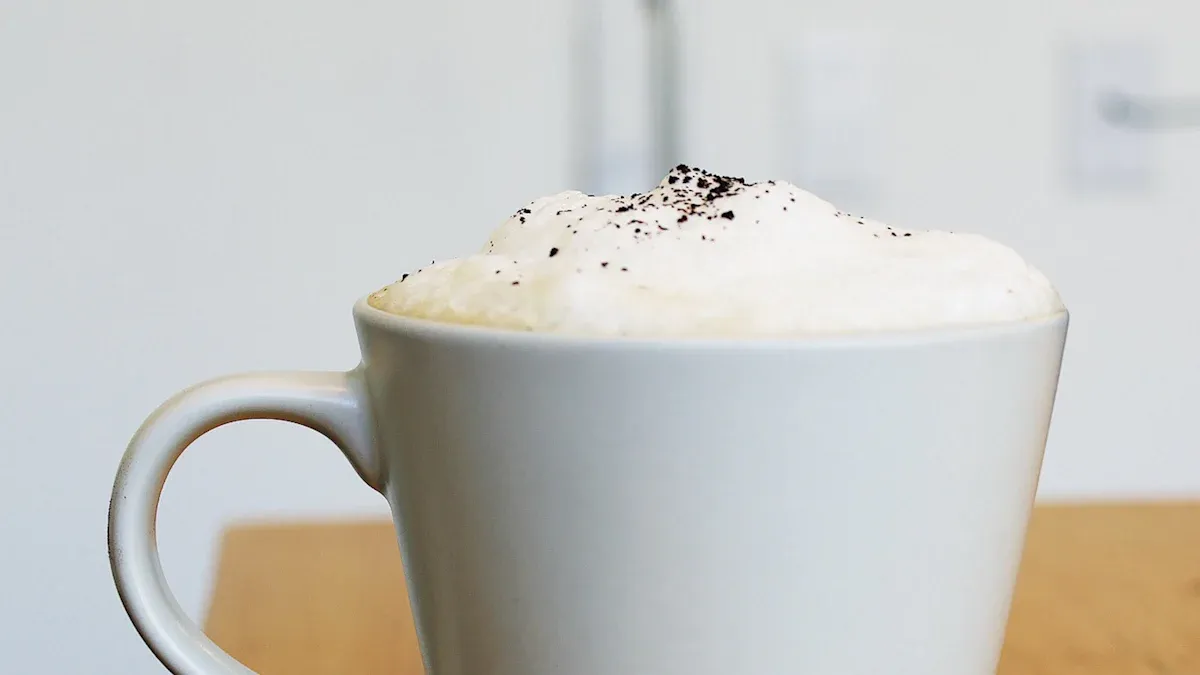
Achieving the perfect milk texture elevates any coffee beverage. Understanding best practices ensures consistent, high-quality results every time.
Choosing the Right Milk for Your Milk Frother
The type of milk significantly impacts frothing results. Different milk varieties offer unique textures and flavors when frothed.
Dairy Milk (Whole, Skim, 2%)
Dairy milk remains a popular choice for frothing. Its protein and fat content contribute to stable and creamy foam.
| Milk Type | Frothing Quality | Stability | Creaminess | Notes |
|---|---|---|---|---|
| Whole Milk | Best of the best, easy to froth | Super stable | Rich and creamy, silky-smooth foam | High fat content, can be too rich for some, easy for beginners |
| 2% Milk | Easy to steam and froth | Consistent, stable | Slightly lighter than whole milk | Less fat than whole milk, often cheaper, easier on digestion, common in coffee shops |
| Skim Milk | Not hard to froth, consistent | Very stable, stiffer | Less creamy than whole milk, can be stiff | Produces stiff foam, good for dry cappuccinos, difficult to pour for latte art |
| Whole fat dairy milk is the gold standard for frothing, pouring, and taste. Lactaid milk also performs exceptionally well, scoring high in frothing tests. Two percent milk offers a good balance, providing consistent results. |
Non-Dairy Alternatives (Oat, Almond, Soy, Coconut)
Plant-based milks have gained popularity, but their frothing capabilities vary.
- Oat milk consistently produces superior microfoam, making it versatile for various coffee drinks.
- Pistachio milk also creates excellent microfoam for cappuccinos and lattes.
- Almond milk, even regular varieties, produces a stiff foam suitable for cappuccinos.
- Soy milk yields a decent amount of foam, though less than oat milk.
- Hazelnut milk performs better than many, producing small bubbles.
- Conversely, macadamia milk, coconut milk, pea milk, rice milk, and walnut milk generally do not foam well, making them less suitable for frothy beverages.
Cold Milk for Optimal Frothing Results
Always start with cold milk. Cold milk allows more time for aeration before the milk heats up, resulting in a finer, more stable foam.
Achieving Desired Foam Consistency
Mastering foam consistency is crucial for different coffee drinks.
Techniques for Microfoam with Your Milk Frother
Achieving microfoam requires specific techniques.
- Use cold milk (1-5°C), preferably whole milk or barista-style plant-based alternatives. Ensure the metal pitcher is clean and rinsed with cold water to maintain milk temperature. Purge the steam wand before use.
- Fill the pitcher just below the spout or halfway, allowing space for milk expansion.
- Maintain consistent steam pressure. Position the steam wand just below the milk’s surface to create a whirlpool effect. This ensures even heating and texturing. Avoid creating large bubbles.
- Do not overheat the milk. Overheating denatures proteins. Using a temperature gauge can provide precise control.
- Immediately wipe the steam wand clean after use. Tap and swirl the milk vigorously if large bubbles appear. This integrates them into finer microfoam.
- Experiment with steam tip designs and adjust stretching time based on milk type. Fine-tune the steam wand angle and depth for optimal results.
Creating Stiffer Foam for Cappuccinos
Stiffer foam for cappuccinos requires more air incorporation. Hold the steam wand closer to the surface for a longer duration. This creates a thicker, more voluminous foam layer.
Warming Milk Without Frothing
To warm milk without frothing, submerge the steam wand deeper into the milk. Avoid introducing air. Heat the milk to the desired temperature, then remove the wand.
Optimal Milk Temperature for Frothing
Temperature control is vital for perfect milk texture and taste.
Ideal Range for Frothing Milk
Dairy milk performs best between 140°F and 160°F (60°C-71°C). Plant-based milks require a lower range, typically 131°F to 140°F (55°C-60°C). The perfect milk steaming temperature for most coffee beverages is around 150°F (65°C).
Avoiding Scalding Milk
Exceeding 140°F (60°C) can cause many alternative milks to over-froth, separate, or develop unpleasant smells and flavors. Milk scalds at 160°F (71°C) or higher. Proteins break down, and the foam disappears. This also imparts an unpleasant taste to the milk.
Pouring Techniques for Latte Art (Optional)
Mastering latte art elevates the home barista experience. It transforms a simple coffee into a visually appealing creation. Achieving intricate designs requires precise milk frothing and controlled pouring. Baristas learn to manipulate the flow of milk and foam into the espresso. This skill adds a professional touch to any beverage.
Basic Latte Art Patterns
Home baristas often begin with fundamental latte art patterns. These designs provide a foundation for more complex creations. They also help develop essential pouring control.
- The Heart: This classic choice requires a steady hand. Baristas start pouring a dot above the cup’s center. As the cup fills, they slow the milk flow. Then, they cut through the design from near the surface, moving slightly away. This action creates the heart shape.
- The Tulip: This common design is ideal for quick, professional-looking art. Baristas pour a dot in the center as a base. They stack or push another dot onto the base using milk flow. Optionally, they add a wiggle. They repeat this for multiple layers. Finally, they pour a final dot and cut through to create the stem.
- The Rosetta (Fern or Leaf): This pattern involves wiggling the milk pitcher to form rippled lines. Baristas begin in the center with a wiggle and quick flow for a base. They slow the wiggle and flow, pulling waves towards the top. They pause, increase flow for a heart’s start, then cut through the entire design. This forms leaves and the heart.
Practice and Patience for Latte Art
Latte art is a skill developed through consistent practice. Beginners should not expect perfect results immediately. Each pour offers a learning opportunity. Focus on controlling the milk pitcher and understanding milk flow. Experiment with different milk textures and pouring speeds. Many resources, including online tutorials and workshops, can guide aspiring latte artists. Patience is key to mastering these techniques. Enjoy the process of creating beautiful coffee.
Top Milk Frother Recommendations for Every Home Barista
Selecting the right frother significantly enhances a home barista’s coffee creations. This section provides recommendations across various price points and functionalities. It helps users find the perfect device for their specific needs.
Best Budget-Friendly Milk Frothers
Budget-friendly frothers offer an accessible entry point into the world of frothed milk. They provide basic functionality and good performance without a high cost. These options suit beginners or those with occasional frothing needs.
Zulay Milk Frother Handheld
The Zulay Milk Frother Handheld offers exceptional value. This battery-operated whisk quickly creates foam for various beverages. Users simply immerse the whisk into warm or cold milk and activate the motor. Its compact design makes it easy to store in a drawer. It is also portable for travel. This frother excels at producing light, airy foam for single servings. It is a popular choice for its simplicity and effectiveness.
Bodum Latteo Manual Milk Frother
The Bodum Latteo Manual Milk Frother provides a classic frothing experience. This device resembles a French press. Users heat milk separately, pour it into the carafe, then pump a plunger up and down. This action incorporates air, creating a rich, dense foam. The Bodum Latteo offers control over foam consistency. It is also easy to clean. Its durable glass carafe and simple mechanism make it a reliable, budget-conscious option.
Best Mid-Range Electric Milk Frothers
Mid-range electric frothers strike a balance between cost and advanced features. They offer greater convenience and more consistent results than manual or entry-level options. These devices often include heating capabilities and multiple frothing settings. They cater to enthusiasts seeking improved performance and versatility.
Mid-range frothers provide a noticeable upgrade from basic models. They deliver superior foam quality and greater control. The table below highlights key differences between mid-range and entry-level frothers:
| Feature | Mid-Range (e.g., NanoFoamer) | Entry-Level (Generic Frothers) |
|---|---|---|
| Frothing Technology | Proprietary impeller & NanoScreen | Whisk-based |
| Foam Quality | Produces premium microfoam (velvety, creamy, fine bubbles) | Inconsistent, larger bubbles, often dry foam, no microfoam |
| Consistency & Control | Precise control over density and texture | Limited control, inconsistent results |
| Durability | Premium build quality, high-quality materials, waterproof, robust shaft, long-lasting rechargeable version | Lower-quality materials, prone to wear, breakage, bending, wobbling |
| Foam Stability | Enhanced stability, maintains texture and density | Foam quickly dissipates or separates |
| Professional Results | Achieves barista-quality microfoam, suitable for latte art | Struggles to achieve specific foam consistency, not for latte art |
| Frothing Time | Not explicitly stated as longer, implies efficiency | May require longer frothing time |
| User Design | Compact, ergonomic, one-touch functionality, intuitive | Not explicitly detailed, but implied less advanced |
Instant Pot Instant MagicFroth Milk Frother
The Instant Pot Instant MagicFroth Milk Frother offers versatility and ease of use. It features four one-touch programs for cold foam, light warm foam, thick warm foam, and warm milk. Its non-stick interior makes cleaning simple. The frother’s compact design fits well on any countertop. It consistently produces smooth, creamy foam for various coffee drinks.
Nespresso Aeroccino 3 Milk Frother
The Nespresso Aeroccino 3 Milk Frother is a popular choice for its sleek design and reliable performance. It quickly prepares hot or cold milk froth with a single touch. The device operates quietly and features an automatic shut-off. Its non-stick coating ensures easy cleanup. The Aeroccino 3 consistently delivers fine, velvety foam, perfect for Nespresso machine users and other coffee lovers.
Best High-End Milk Frothers and Steam Wands
High-end frothers and steam wands cater to serious home baristas. They offer advanced features, superior durability, and professional-grade results. These options provide precise control over milk texture and temperature. They are ideal for those who prioritize quality and consistency.
Breville Milk Café Milk Frother
The Breville Milk Café Milk Frother stands out for its large capacity and precise temperature control. It features an induction heating system. This system ensures even heating and prevents scorching. Users can select specific temperatures and choose between latte and cappuccino frothing discs. Its generous capacity allows for multiple servings. The Breville Milk Café consistently produces rich, creamy microfoam.
Subminimal NanoFoamer PRO
The Subminimal NanoFoamer PRO represents a significant innovation in handheld frothing. This device creates true microfoam, comparable to an espresso machine’s steam wand. It uses a unique impeller and NanoScreens to produce fine, velvety foam. The NanoFoamer PRO is rechargeable and waterproof. It offers exceptional control over foam texture. This tool empowers home baristas to create latte art with ease.
Best Milk Frothers for Non-Dairy Milks
Frothing non-dairy milks presents unique challenges compared to traditional dairy. Plant-based alternatives often have different protein and fat compositions. These differences affect their ability to create stable, velvety foam. Specialized frothers address these issues. They optimize settings and designs for superior performance with oat, almond, soy, and other non-dairy options.
The AMZCHEF Electric Milk Frother stands out for its specific design. It offers dedicated settings for cashew milk froth and soy milk froth. This frother excels at producing high-quality, velvety foam with these non-dairy milks. It is an ideal choice for users who primarily consume soy or cashew milk. Other frothers, such as the Breville Milk Café, SIMPLETaste Handheld Milk Frother, VOMELON Travel Milk Frother, and HAPTIME Stainless Steel Milk Frother, also work with non-dairy milks like almond, soy, and oat. However, their foam quality may vary. This variation depends on the milk’s fat content or the user’s technique. Their performance is not explicitly stated as ‘optimal‘ compared to the AMZCHEF.
Miroco Milk Frother
The Miroco Milk Frother is a popular choice among non-dairy milk enthusiasts. It features multiple settings for hot dense foam, hot airy foam, and cold foam. This versatility allows users to achieve various textures for their plant-based beverages. Its non-stick interior simplifies cleaning. The Miroco frother operates quietly. It consistently produces smooth, creamy foam with oat, almond, and soy milks. Many users appreciate its ability to create barista-quality foam for lattes and cappuccinos. The device also includes an automatic shut-off function for safety and convenience.
HadinEEon Milk Frother
The HadinEEon Milk Frother offers another excellent solution for non-dairy milk frothing. This electric frother provides four distinct settings: hot dense foam, hot airy foam, cold milk froth, and warm milk. It handles various non-dairy milks effectively. Users report success with oat, almond, and soy milk, achieving consistent and desirable foam textures. The HadinEEon frother features a sleek design and a durable stainless steel jug. Its rapid heating and frothing capabilities save time. The easy-to-clean non-stick coating further enhances user experience. This frother is a reliable option for those seeking consistent results with plant-based alternatives.
Selecting the ideal frother involves understanding individual coffee preferences and exploring various frother types. Investing in a quality frother proves cost-effective over time, reducing reliance on expensive coffee shop beverages. High-end models offer superior durability, consistent foam quality, and robust warranty support. Choose a frother that aligns with your home barista aspirations. Experiment with your new tool and enjoy crafting enhanced coffee creations.
FAQ
How does one choose the best milk for frothing?
Whole dairy milk generally produces the best, most stable foam. Barista-style oat and pistachio milks also froth exceptionally well. Always start with cold milk for optimal results.
Can a milk frother create cold foam?
Yes, many electric milk frothers include a dedicated cold froth setting. This feature creates creamy, foamed milk without heating it. Cold foam is perfect for iced coffees and other chilled beverages.
How often should one clean a milk frother?
Users should clean the milk frother immediately after each use. This prevents milk residue buildup and maintains hygiene. Many models feature non-stick coatings or dishwasher-safe parts for easy cleaning.
What is microfoam, and why is it important?
Microfoam is a velvety, glossy milk foam with very fine bubbles. It integrates seamlessly with espresso, creating a smooth mouthfeel. Baristas use microfoam for intricate latte art designs.
Is a milk frother necessary for latte art?
A milk frother is essential for creating the microfoam required for latte art. While steam wands offer the most control, some high-end electric frothers and handheld devices can also produce suitable foam.
What is the ideal temperature for frothed milk?
Dairy milk froths best between 140°F and 160°F (60°C-71°C). Plant-based milks typically require a slightly lower range, around 131°F to 140°F (55°C-60°C). Avoid scalding the milk.
Do manual milk frothers produce good foam?
Manual milk frothers can produce good foam, especially for single servings. They require more effort and practice than electric models. Manual pump frothers offer more control over foam consistency than handheld whisks.
Post time: Dec-08-2025