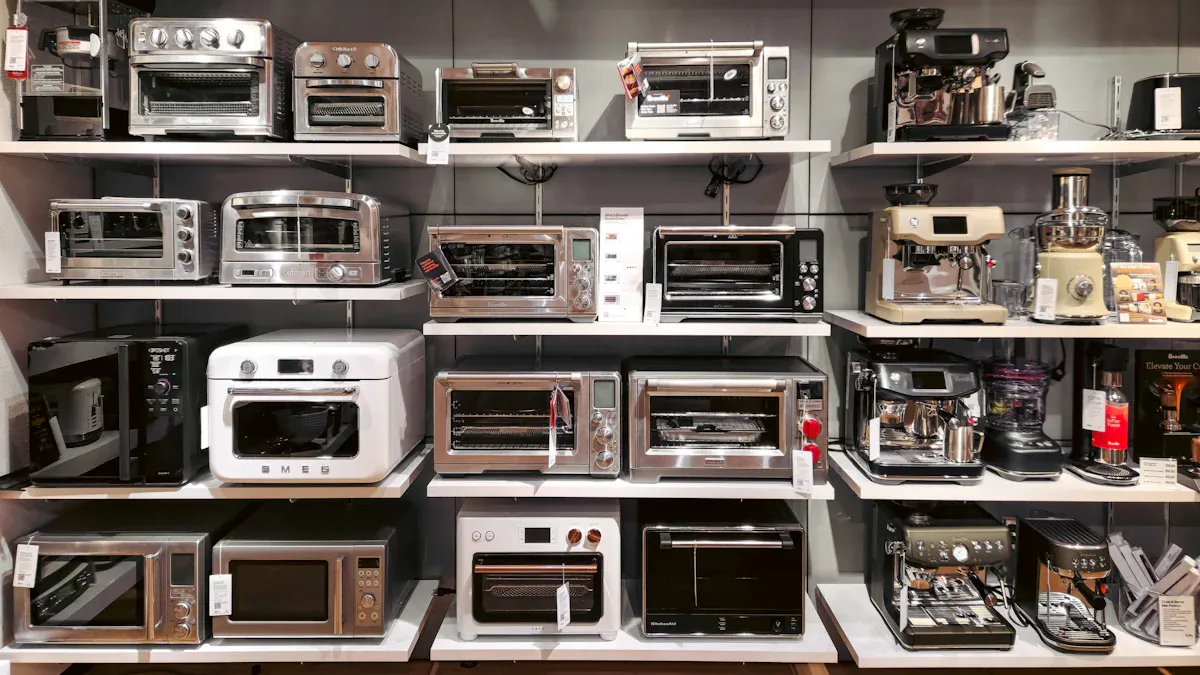
The global air fryer market experiences substantial growth, projected to reach USD 17.71 billion by 2032, reflecting increasing household ownership. This popularity underscores the importance of understanding essential factors when selecting such an appliance. Many consumers purchase Air Fryers for healthier frying options with minimal oil, quick meal preparation, efficient reheating, and versatile cooking tasks. Matching these capabilities to individual cooking styles and kitchen setups ensures maximum value from the purchase. Identifying key features will guide consumers toward an informed decision.
Key Takeaways
- Match your air fryer to your cooking habits. Daily users need a strong model. Occasional users can pick a smaller one.
- Choose the right size air fryer for your household. Singles or couples need small ones. Large families need big ones.
- Check your kitchen counter space. Compact models fit small areas. Large models need more room.
- Think about what you want to cook. Air fryers offer healthier frying. They also help with quick meals and reheating.
- Look for easy cleaning features. Non-stick parts and dishwasher-safe trays save time. Smooth insides are also easy to wipe.
- Set a budget for your air fryer. Prices vary. Entry-level models are cheaper. Premium models have more features.
- Research good air fryer brands. Look for reliable products. Check customer support and warranties.
- Read user reviews. They show how air fryers work in real life. This helps you avoid common problems.
Understanding Your Kitchen Needs for Air Fryers
Selecting the ideal air fryer begins with a thorough assessment of individual kitchen requirements. This foundational step ensures the chosen appliance seamlessly integrates into daily routines and culinary aspirations.
Assessing Your Cooking Frequency
The frequency of air fryer use significantly influences the most suitable model. Different usage patterns demand specific features and durability.
For Daily Cooking
Individuals who plan to use their air fryer daily require a robust and efficient model. These users benefit from larger capacities, powerful wattage for quick heating, and durable construction. A model with intuitive digital controls and pre-set functions can streamline the cooking process, making daily meal preparation more convenient.
For Occasional Use
For those who anticipate occasional air fryer use, a compact and easy-to-store model often proves more practical. These users might prioritize smaller footprints and simpler manual controls. An air fryer for occasional use still delivers excellent results for snacks or side dishes without occupying excessive counter space.
Determining Your Household Size
Household size directly dictates the necessary capacity of an air fryer. Matching capacity to household needs prevents multiple cooking batches and saves time.
| Household Size | Recommended Air Fryer Capacity |
|---|---|
| Single | Minimum 2 quarts |
| Family of Two | 3-4 quarts |
| Family of Three | 4-5 quarts |
| Family of Four | 5.8 quarts or larger |
For Singles or Couples
A compact air fryer with a capacity of 1 to 3 quarts serves singles or couples effectively. These smaller units efficiently prepare single servings or modest portions without wasting energy or space.
For Small Families (3-4 people)
Small families typically find a 4 to 5-quart air fryer most appropriate. This size accommodates larger quantities of food, such as a batch of chicken wings or a small roast, suitable for three to four people.
For Large Families (5+ people)
Large families require a substantial air fryer, ideally 6 quarts or more. These larger models handle significant food volumes, allowing users to cook entire meals or multiple components simultaneously, catering to five or more individuals.
Evaluating Your Kitchen Counter Space
Kitchen counter space is a critical practical consideration. The physical dimensions of an air fryer must fit comfortably within the available area.
For Limited Counter Space
Individuals with limited counter space should prioritize compact and vertical designs. Multi-functional air fryers, which combine several appliances into one, also save space. These models offer versatility without cluttering the kitchen.
For Ample Counter Space
Those with ample counter space enjoy greater flexibility in their choice of air fryers. They can consider larger, oven-style models or multi-cooker units that offer expanded features and cooking capabilities. These larger appliances often provide more internal cooking space and specialized functions.
Identifying Your Primary Cooking Goals
Understanding primary cooking goals guides the selection of an air fryer. Different models excel at various tasks. Consumers should match an appliance‘s capabilities to their specific culinary needs. This ensures satisfaction and optimal use of the device.
For Healthier Frying Options
Many individuals prioritize healthier cooking methods. Air fryers offer an excellent solution. They use high-speed hot air circulation. This process cooks food with significantly less oil than traditional deep-frying. Consumers enjoy crispy textures without excessive fat. This reduces fat intake. It also minimizes cooking fumes in the kitchen. People can prepare French fries, chicken wings, steak, and seafood. These foods become healthier alternatives. The technology supports a low-oil, low-smoke cooking environment.
For Quick Meal Preparation
Busy schedules often demand quick meal solutions. An air fryer significantly reduces cooking times. It preheats faster than a conventional oven. This allows for rapid preparation of various dishes. Individuals can cook meals efficiently after a long day. The appliance helps streamline dinner routines. It provides a convenient way to prepare snacks and main courses. This feature is particularly beneficial for those with limited time.
For Versatile Cooking Tasks
Modern air fryers offer more than just frying capabilities. They perform a wide range of cooking tasks. Many models can roast vegetables, bake desserts, and even grill meats. Some units include dehydrating functions for fruits and jerky. This versatility makes the appliance a valuable kitchen tool. It replaces several single-purpose devices. Consumers can explore diverse recipes. They prepare everything from baked goods to full meals. This broad functionality supports varied culinary interests.
For Efficient Reheating
Reheating leftovers often presents a challenge. Microwaves can make food soggy. An air fryer excels at restoring crispness and texture. It reheats pizza, fried chicken, and pastries effectively. The hot air circulation ensures even heating. Food retains its original quality. This makes leftovers more enjoyable. It also reduces food waste. The appliance provides a superior reheating experience compared to other methods.
Exploring Different Types of Air Fryers

Consumers encounter various air fryer designs. Each type offers distinct benefits and drawbacks. Understanding these differences helps individuals select the best model for their specific cooking habits and kitchen setup.
Basket-Style Air Fryers
Basket-style air fryers represent the most common design. They feature a pull-out drawer with a removable basket. This design is often compact and user-friendly.
Advantages of Basket Models
Basket models are known for their efficiency. They generally consume less energy and cook food faster than oven-style air fryers. Their smaller size allows for quicker heating and reduced cooking times. This efficiency contributes to lower electricity bills and reduced household energy usage. Basket air fryers are also simple to operate. They often have intuitive controls. Their compact footprint makes them suitable for smaller kitchens.
Disadvantages of Basket Models
A primary limitation of basket models is their capacity. They typically offer less internal cooking space. This means users may need to cook in multiple batches for larger meals. The design also requires users to shake the basket periodically. This ensures even cooking and browning.
Who Should Choose Basket Models
Singles, couples, or small families often find basket-style air fryers ideal. Their compact size fits well in kitchens with limited counter space. Individuals prioritizing quick, energy-efficient cooking for smaller portions also benefit from these models.
Oven-Style Air Fryers
Oven-style air fryers resemble small convection ovens. They feature a door that opens, revealing multiple racks or a rotisserie spit.
Advantages of Oven Models
Oven-style models offer greater versatility. They typically boast larger capacities, accommodating whole chickens or multiple dishes simultaneously. Many include rotisserie functions for roasting and dehydrating capabilities. Their transparent doors allow users to monitor food without interrupting the cooking process.
Disadvantages of Oven Models
These larger air fryers require more counter space. They also tend to use more energy compared to their basket counterparts. Oven-style air fryers need more time to heat up and cook due to their increased size. This can lead to higher energy consumption.
Who Should Choose Oven Models
Large families or individuals who frequently entertain benefit from oven-style air fryers. Those seeking advanced cooking functions, such as rotisserie or dehydrating, also find these models appealing. They suit kitchens with ample counter space.
Multi-Cooker Air Fryers
Multi-cooker air fryers combine several kitchen appliances into one unit. They often feature pressure cooking, slow cooking, and air frying capabilities.
Advantages of Multi-Cooker Models
The main advantage of multi-cooker models is their multifunctionality. They save significant counter space by consolidating several appliances. Users can pressure cook a meal and then air fry it to crisp perfection in the same pot. This versatility makes them a powerful kitchen tool.
Disadvantages of Multi-Cooker Models
Multi-cooker air fryers can be more complex to operate due to their numerous functions. They often come with a higher price tag than single-function models. Their larger size, while offering versatility, might still pose a challenge for very small kitchens.
Who Should Choose Multi-Cooker Models
Individuals seeking ultimate kitchen versatility and space-saving solutions should consider multi-cooker air fryers. They are perfect for those who enjoy experimenting with various cooking methods. These models also suit users who want to minimize appliance clutter.
Essential Features to Look for in Air Fryers
Selecting an air fryer involves more than just choosing a type. Consumers must also evaluate specific features that enhance performance, convenience, and overall cooking experience. These essential characteristics directly impact how effectively the appliance meets individual culinary demands.
Capacity and Size Considerations
The capacity and physical dimensions of an air fryer are crucial factors. They determine how much food one can cook and how well the appliance fits into the kitchen space.
How to Calculate Your Capacity Needs
Calculating capacity needs involves considering both household size and typical meal portions. For instance, a single person might only need to cook a small batch of fries, while a family of four might prepare a whole chicken. Consumers should visualize the types and quantities of food they plan to cook most often. This helps determine the optimal internal volume required. A larger capacity prevents the need for multiple cooking batches, saving time and effort.
Internal Cooking Space vs. External Footprint
The external footprint of an air fryer does not always reflect its internal cooking space. Some models have bulky exteriors but offer limited internal capacity due to thick insulation or design elements. Consumers should always check the internal dimensions or stated capacity in quarts or liters. This ensures the appliance can accommodate their desired food items. A compact external design with efficient internal space utilization is ideal for kitchens with limited counter space.
Wattage and Power Requirements
The wattage of an air fryer directly influences its cooking performance and electrical compatibility. Understanding these requirements helps consumers choose a model that operates efficiently and safely.
Impact on Cooking Performance
Higher wattage generally translates to faster preheating times and more consistent cooking temperatures. This power allows the air fryer to circulate hot air more effectively, resulting in crispier food and quicker meal preparation. Models with higher wattage can maintain desired temperatures more accurately, which is vital for achieving optimal cooking results across various recipes. Air fryers generally range from 800 to 2,000 watts, depending on the model and size. This broad range allows for diverse cooking needs.
Electrical Outlet Compatibility
Consumers must ensure their kitchen’s electrical outlets can support the air fryer’s power requirements. Most household circuits are rated for 15 or 20 amps. A high-wattage appliance, especially when combined with other devices on the same circuit, can trip a breaker. For example, a 2-quart air fryer may use around 800–1,400 watts, while a 6-quart or dual-basket air fryer may use 1,200–1,800 watts. Most models typically range from 1,200–1,700 watts. It is advisable to plug high-wattage appliances into dedicated outlets or circuits to prevent overloads.
Temperature Range and Precision Control
The ability to control temperature accurately is paramount for versatile and successful air frying. This feature allows for a wide array of cooking techniques.
Importance of a Broad Temperature Range
A broad temperature range enables an air fryer to perform various cooking tasks beyond simple frying. Lower temperatures are suitable for dehydrating fruits or making jerky, while higher temperatures are perfect for searing meats or achieving extra crispiness. A wide range ensures the appliance can handle diverse recipes, from delicate baked goods to robust roasted dishes.
Achieving Accurate Cooking Temperatures
Precision control over temperature settings ensures consistent and predictable cooking results. Some models offer digital controls with exact degree adjustments, while others use manual dials with broader increments. Accurate temperature control is crucial because air fryers often cook food faster and at slightly lower temperatures than conventional ovens.
| Cooking Method | Air Fryer Temperature (F) | Conventional Oven Temperature (F) |
|---|---|---|
| Baking | 325 | 350 |
| Roasting | 400 | 425 |
| Reheating Leftovers | 350 | N/A |
| General Rule | 25 degrees lower than conventional oven | Conventional oven temperature |
| Roasting (Beef/Poultry) | 375-425 | N/A |
As a general rule, consumers should set the air fryer temperature approximately 25 degrees Fahrenheit lower than a conventional oven recipe suggests. This adjustment accounts for the air fryer’s efficient heat circulation.
Control Panel Options
The control panel serves as the primary interface between the user and the appliance. Its design significantly impacts ease of use and cooking precision.
Digital Displays with Presets
Digital displays offer precise temperature and time settings. Users can often adjust these settings in small increments. Many digital models include pre-set programs for common foods like fries, chicken, or fish. These presets simplify cooking, requiring only a button press to start. A clear digital screen provides real-time feedback on cooking progress. This feature enhances convenience for many home cooks.
Manual Dials and Knobs
Manual dials and knobs provide a straightforward, tactile experience. They typically control temperature and time with a simple twist. These controls are often more durable and less prone to electronic malfunctions. Manual models appeal to users who prefer simplicity and direct control. They are also generally more affordable. However, they may offer less precise temperature adjustments compared to digital interfaces.
Additional Functions and Accessories
Modern air fryers often extend beyond basic frying. They incorporate various functions and come with useful accessories. These additions enhance versatility and cooking possibilities.
Roasting and Baking Capabilities
Many air fryers can roast vegetables, meats, and even bake small cakes or muffins. Their efficient heat circulation creates a crispy exterior and a tender interior. This capability allows users to prepare a wider range of dishes. It effectively replaces a conventional oven for smaller baking tasks.
Dehydrating and Reheating Functions
Some advanced models include dehydrating functions. This feature allows users to make fruit leathers, jerky, or dried herbs. It operates at low, consistent temperatures over extended periods. The reheating function excels at restoring crispness to leftovers. It prevents the soggy texture often associated with microwave reheating.
Rotisserie Functionality
Oven-style air fryers frequently feature a rotisserie spit. This allows users to cook whole chickens, roasts, or kebabs. The rotating motion ensures even cooking and browning on all sides. This function provides a convenient way to prepare impressive meals.
Included Accessories and Attachments
Manufacturers often include various accessories. These might include baking pans, skewers, multi-layer racks, or rotisserie baskets. These attachments expand the appliance’s utility. They allow users to cook different types of food simultaneously or prepare specialized dishes. Consumers should check the included accessories to maximize their cooking options.
Noise Level of Air Fryers
The operational noise of an air fryer can impact the kitchen environment. Understanding decibel ratings helps consumers choose a model that suits their comfort level.
Understanding Decibel Ratings
Decibel (dB) ratings measure sound intensity. A lower decibel number indicates a quieter appliance. Air fryers use powerful fans to circulate hot air. This fan operation generates noise. Consumers should consider the decibel rating if they are sensitive to kitchen sounds.
Impact on Your Kitchen Environment
The noise level of an air fryer can vary significantly between models. According to Consumer Reports’ testing, the noise level of these appliances typically falls within a range of 40 decibels, which is comparable to a quiet office, up to 60 dBA, similar to a conversation in a restaurant. A quieter model contributes to a more pleasant cooking experience. It allows for conversations or other activities in the kitchen without significant disruption. Conversely, a louder model might be noticeable, especially in open-plan living spaces.
Prioritizing Ease of Cleaning and Maintenance for Air Fryers

Selecting an air fryer involves considering its performance and how easily users can clean it. An appliance that is simple to maintain encourages more frequent use. This section explores key features that contribute to effortless cleaning.
Non-Stick Coatings
Non-stick coatings significantly simplify the cleaning process for air fryer components. These surfaces prevent food from adhering, making post-cooking cleanup much faster.
Benefits of Non-Stick Surfaces
Non-stick surfaces offer several advantages. Food releases easily from baskets and trays. This reduces the need for vigorous scrubbing. Users can often wipe away food residue with a soft cloth or sponge. This feature saves time and effort after each use. It also helps maintain the appliance’s appearance over time.
Proper Care for Non-Stick Coatings
Maintaining non-stick coatings requires specific care. Users should avoid abrasive sponges or harsh chemical cleaners. These can damage the non-stick layer. Silicone or wooden utensils are preferable to metal ones when handling food inside the air fryer. Gentle hand washing with warm, soapy water helps preserve the coating’s integrity and extends its lifespan.
Dishwasher-Safe Components
The convenience of dishwasher-safe parts greatly enhances an air fryer’s user-friendliness. This feature allows for quick and hygienic cleaning.
Identifying Dishwasher-Safe Parts
Manufacturers typically specify which components are dishwasher-safe in the product manual. Users can also look for symbols, such as a dishwasher icon, on the parts themselves. Common dishwasher-safe items include the cooking basket, crisper plate, and sometimes the drip tray. Always confirm compatibility before placing parts in a dishwasher.
Time-Saving Cleaning Benefits
Dishwasher-safe components offer significant time-saving benefits. Users can simply load the dirty parts into the dishwasher. This eliminates manual scrubbing. It also ensures thorough sanitization. This convenience makes daily use of air fryers more appealing. Many manufacturers prioritize this convenience; tests conducted by Consumer Reports show that 51 out of 64 air fryers, approximately 79.7%, feature stated dishwasher-safe components.
Accessibility for Thorough Cleaning
An air fryer’s design impacts how thoroughly users can clean it. Easy access to all cooking surfaces is crucial for hygiene and performance.
Removable Parts for Easy Access
Removable parts facilitate comprehensive cleaning. Baskets, trays, and racks detach from the main unit. This allows users to wash them separately. Easy removal ensures no food particles remain trapped in crevices. This design promotes better hygiene and prevents odor buildup.
Smooth Interior Surfaces for Wiping
Smooth interior surfaces make wiping down the main unit straightforward. Interiors without intricate nooks or crannies are easier to clean. A damp cloth can quickly remove grease splatters or food debris. This design prevents the accumulation of grime. It ensures the air fryer remains clean and ready for its next use.
Budget and Brand Considerations for Air Fryers
Consumers must consider their budget and research reputable brands when selecting an air fryer. These factors significantly influence the appliance’s quality, features, and long-term satisfaction.
Setting Your Budget
Establishing a budget helps narrow down the vast selection of air fryers available on the market. Different price points offer varying features and capabilities.
Entry-Level Air Fryer Options
Entry-level air fryers typically offer basic functionality at an affordable price. These models often range from approximately $50 to over $300. Many top-rated air fryers are frequently available on sale around $100. For example, the Gourmia GAF486 4-Quart Air Fryer sells for about $50-$56 at retailers like Amazon, Walmart, and Wayfair. These options suit individuals new to air frying or those with minimal cooking needs.
Mid-Range Air Fryer Models
Mid-range air fryers provide a balance between cost and features. They often include larger capacities, digital controls, and a wider array of preset cooking functions. These models offer enhanced durability and more consistent performance than entry-level options. They cater to users who desire more versatility without a premium price tag.
Premium Air Fryer Selections
Premium air fryers represent the high end of the market. They boast advanced features such as multi-cooker capabilities, precise temperature control, and robust construction. These appliances often come from well-known brands, offering superior performance and extended warranties. They suit serious home cooks or those who prioritize cutting-edge technology and design.
Researching Reputable Air Fryer Brands
Brand reputation often correlates with product reliability and customer satisfaction. Researching established manufacturers helps ensure a wise investment.
Brand Reputation and Product Reliability
Certain brands consistently receive high marks for their air fryers. Ninja models are praised for quick cook times, versatility, and consistent results. Philips air fryers are highly regarded for performance and solid build quality. Instant (Instant Pot’s Air Fryers) receives favorable reviews for multi-tasking capabilities and convenience. Breville achieves high customer satisfaction, with owners describing its models as powerful kitchen tools. Chefman and Cosori also claim top spots in Consumer Reports’ ratings, noted for ease of cleaning, quiet operation, and value.
Customer Support and Warranty Policies
Reliable customer support and comprehensive warranty policies provide peace of mind. Consumers should investigate a brand’s reputation for addressing issues and honoring warranties. A strong warranty indicates a manufacturer’s confidence in their product’s durability. Good customer service ensures assistance with setup, troubleshooting, or repairs.
Reading User Reviews and Ratings
User reviews offer invaluable insights into an air fryer’s real-world performance and potential drawbacks.
Importance of Real-World User Feedback
Real-world user feedback provides practical information beyond manufacturer specifications. Reviews highlight how an appliance performs in daily use. They offer perspectives on ease of use, cleaning, and cooking results. This information helps consumers make informed decisions.
Identifying Common Issues and Praises
User reviews frequently praise air fryers for their ability to produce juicy chicken and vibrant vegetables. Users also appreciate the ease of use, minimal splattering, and reduced oil usage, which offers significant health benefits. Many note the significant reduction in cooking time and less heat output, making them ideal for hot weather.
However, reviews also identify common issues. These include significant counter space usage, limitations on cooking certain foods (e.g., wet-battered items, leafy greens), and more cleanup compared to oven cooking. Some models can be loud, reaching up to 65 decibels. Concerns also arise regarding non-stick coatings wearing off, reliability issues, inaccurate temperature cooking, and initial smells.
Making Your Final Decision on Air Fryers
The final step in selecting an air fryer involves a thoughtful synthesis of all gathered information. Consumers must align their personal needs with the appliance’s capabilities. This ensures a purchase that provides long-term satisfaction and enhances the cooking experience.
Matching Features to Your Specific Needs
Choosing the right air fryer requires a clear understanding of individual priorities. Consumers benefit from a systematic approach to feature selection.
Prioritizing Essential Air Fryer Features
Consumers often prioritize specific features when purchasing an air fryer. Health benefits, such as minimal or no oil cooking, drive many purchasing decisions. This aligns with a growing health consciousness among consumers. Ease of use also ranks highly. Intuitive controls and a user-friendly design simplify the cooking process for all skill levels. Versatility is another key factor. Multi-functionality and advanced cooking options, including baking, broiling, and slow cooking, cater to diverse culinary needs. Tech enthusiasts often look for smart home integration, which includes voice commands and app connectivity for streamlined kitchen operations. Precision cooking, with sensors and programmable settings, ensures consistent and optimal results. Aesthetic appeal, particularly of visual models, also influences choices. Furthermore, easy-clean components, such as nonstick surfaces and dishwasher-safe removable trays, are important for convenience. Digital controls are often preferred over manual knobs for greater precision and control over cooking settings. Multiple settings and a digital display, including a wide range of temperature settings and preset functions (roasting, toasting, baking), enhance versatility and user experience.
Weighing the Pros and Cons of Each Model
After identifying essential features, consumers should carefully weigh the advantages and disadvantages of specific models. This involves comparing different types, capacities, and functionalities. A basket-style air fryer might offer quick cooking for smaller portions, but an oven-style model provides greater capacity and rotisserie options. Consider how each model’s strengths align with daily cooking habits and kitchen space. Evaluate potential drawbacks, such as noise levels or cleaning complexity, against the benefits. This balanced assessment leads to a more informed decision.
Considering Future Cooking Needs
A smart purchase anticipates future culinary evolution. An air fryer should adapt to changing cooking habits and preferences.
Anticipating Evolving Culinary Habits
Cooking habits often evolve over time. A consumer might start with simple fried foods but later explore baking, roasting, or dehydrating. Consider whether the chosen air fryer can support these potential shifts. A model with a broader range of functions offers greater adaptability. This foresight prevents the need for an early replacement.
Choosing Versatility for Long-Term Use
Selecting a versatile air fryer ensures its relevance for years to come. Multi-cooker models, for example, combine several appliances into one. This offers extensive functionality beyond basic air frying. Such versatility allows users to experiment with new recipes and cooking techniques. It maximizes the appliance’s utility and provides excellent long-term value.
Understanding Return Policies and Initial Testing
The final steps involve understanding consumer rights and ensuring the appliance meets expectations.
Reviewing Retailer Return Policies
Before purchasing, consumers should thoroughly review the retailer’s return policy. Understand the return window, conditions for returns, and any associated fees. A clear return policy provides a safety net. It allows for a hassle-free exchange or refund if the air fryer does not meet expectations or has manufacturing defects.
Performing Initial Tests and Adjustments
Upon bringing the air fryer home, perform initial tests. Cook a few simple items to assess its performance. Check for even cooking, accurate temperature control, and overall functionality. This initial testing phase allows for any necessary adjustments to cooking times or temperatures based on the specific model. It also helps identify any immediate issues that might warrant a return or exchange.
Selecting the ideal air fryer requires careful consideration of individual kitchen needs and cooking habits. Aligning your choice with these personal requirements ensures optimal utility. For long-term satisfaction, prioritize models with robust build quality, durable non-stick coatings, and strong warranties. Reputable brands offering responsive customer support and readily available replacement parts often provide the best value, ensuring your Air Fryers remain a reliable kitchen companion for years.
FAQ
What is the main benefit of using an air fryer?
Air fryers offer a healthier cooking method. They use high-speed hot air circulation. This cooks food with significantly less oil than traditional deep-frying. Users enjoy crispy textures and reduced fat intake.
How much counter space does an air fryer need?
The required counter space varies by model. Basket-style air fryers are compact. Oven-style models need more room. Users should measure available space. This ensures the appliance fits comfortably in their kitchen.
Can an air fryer replace a traditional oven?
An air fryer can replace a traditional oven for many tasks. It excels at cooking smaller portions. It also preheats faster. However, a traditional oven offers larger capacity. It handles bigger meals more effectively.
Are air fryers difficult to clean?
Most air fryers are easy to clean. Many models feature non-stick coatings. They also have dishwasher-safe components. Users should check product specifications. This ensures convenient maintenance.
What capacity air fryer is best for a family of four?
A family of four typically needs a 5.8-quart air fryer or larger. This capacity accommodates sufficient food. It prevents the need for multiple cooking batches. This saves time during meal preparation.
Do air fryers use a lot of electricity?
Air fryers generally use less electricity than conventional ovens. They cook food faster. They also heat up quickly. Wattage varies by model. Most range from 1,200 to 1,700 watts.
What types of food can one cook in an air fryer?
Air fryers cook a wide variety of foods. They prepare French fries, chicken wings, and steak. Users can also roast vegetables and bake desserts. Some models even dehydrate fruits.
Is a digital or manual control panel better?
Digital control panels offer precise temperature and time settings. They often include presets. Manual dials provide simplicity and durability. The best choice depends on user preference for precision versus ease of use.
Post time: Dec-15-2025