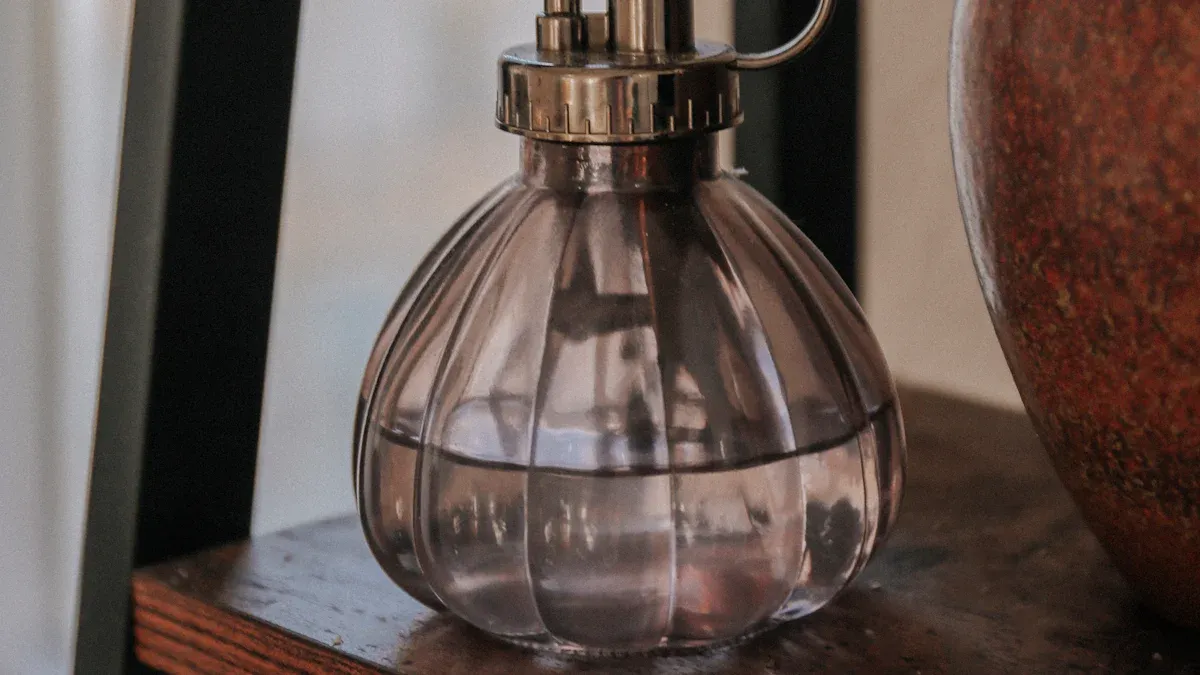
Precise, even coating elevates healthier cooking. Culinary enthusiasts can significantly upgrade their kitchen experience with the appropriate tool. This guide helps you discover the perfect Oil and Vinegar Sprayer, ensuring optimal results and enhanced flavor in your daily meal preparation. Find a sprayer that seamlessly integrates into your cooking routine, transforming how you prepare dishes.
Key Takeaways
- An oil and vinegar sprayer helps you cook healthier meals.
- Different sprayers work best for different cooking tasks.
- Glass sprayers keep oil fresh and pure.
- Stainless steel sprayers are strong and last a long time.
- Pump-action sprayers give a fine, even mist.
- Trigger-action sprayers are easy to use for quick jobs.
- Clean your sprayer often to stop clogs and keep it working well.
- Store oil sprayers away from light and heat to protect the oil.
Top Oil and Vinegar Sprayer Picks for 2026
Best Overall Oil and Vinegar Sprayer
Performance and Versatility
The best overall oil and vinegar sprayer offers exceptional performance across various culinary tasks. It provides consistent, even coverage, essential for healthy cooking and flavor distribution. The Evo 18-Ounce Reusable Oil Sprayer exemplifies these qualities. It features a large capacity, allowing users to spray oils in both vertical and horizontal fan patterns. This capability ensures optimum coverage and precise control. Users find it easy to operate, and they can easily see the oil level inside. Similarly, the Misto Oil Sprayer provides easy operation with its pump-style cap and two-step process. It delivers even sprays and boasts impressive versatility. Users can fill it with various oils, vinegar, citrus juice, sherry, or marsala wine. Both models are BPA-free, highlighting their commitment to user safety and food quality.
Design and Durability
A top-tier oil and vinegar sprayer combines ergonomic design with robust construction. Manufacturers design these sprayers for comfortable handling and long-term use. The Evo sprayer, for instance, features a durable plastic design, free from latex, BPA, and DEHP. This construction ensures longevity and safe food contact. High-quality materials prevent leaks and withstand regular kitchen use, making them reliable tools for daily cooking. Their thoughtful design also makes them easy to clean and maintain.
Best Budget-Friendly Oil and Vinegar Sprayer
Value for Money
Budget-friendly oil and vinegar sprayers prove that quality does not always require a high price tag. These options deliver reliable performance for everyday cooking without compromising essential features. They offer excellent value by providing a consistent spray pattern and durable construction at an accessible cost. Consumers receive a functional tool that meets their basic spraying needs effectively.
Everyday Use
These sprayers excel in everyday kitchen tasks. Their simple design makes them straightforward to operate and refill. They are perfect for quick meal preparations, such as lightly coating vegetables or greasing baking pans. Their ease of cleaning ensures they remain a convenient choice for daily use, integrating seamlessly into any cooking routine.
Best Oil and Vinegar Sprayer for Air Fryers
Fine Mist Capability
Air fryers require a very fine mist of oil for optimal results. This fine mist ensures even coating, promoting crispiness without making food greasy or soggy. Sprayers designed for air fryers produce a consistent, delicate spray that covers food uniformly. This capability prevents hot spots and ensures every part of the food cooks perfectly.
Heat Resistance
Sprayers used with air fryers must withstand significant heat. Manufacturers construct these specific sprayers from materials that resist high temperatures. Glass or certain heat-resistant plastics are common choices. This heat resistance ensures the sprayer remains safe and functional when placed near a hot air fryer or used with warm ingredients. It also prevents any material degradation that could affect food quality.
Best Glass Oil and Vinegar Sprayer
Material Benefits
Glass oil and vinegar sprayers offer distinct advantages for culinary enthusiasts. Glass does not react with oil or vinegar, ensuring flavors remain pure. This non-reactive quality preserves oil flavor and prevents contamination. Tinted or opaque glass protects oil from light and heat, keeping it fresh for longer periods. Users can easily see oil levels at a glance through transparent glass.
Glass remains the preferred material for its timeless elegance, transparency, and ease of cleaning. You can showcase the color of your oil while enjoying a non-reactive, hygienic surface.
Glass bottles are non-reactive and preserve the flavor of your oils. Dark glass bottles offer extra protection by blocking up to 99% of UV light, reducing oxidation and spoilage. Borosilicate glass offers even more durability and chemical resistance. Glass containers do not leach chemicals, ensuring pure flavor.
| Material | Durability | UV Protection | Flavor Preservation | Weight |
|---|---|---|---|---|
| Dark glass bottles | Sturdy if thick | Blocks 99% UV | Excellent | Heavier |
| Borosilicate glass | Highly durable | Blocks UV | Excellent | Moderate |
| Plastic | Less durable | Some protection | Can affect flavor | Light |
| Stainless steel | Very durable | Blocks all light | Excellent | Heavy |
Aesthetic Appeal
Glass sprayers combine beauty and function, enhancing any kitchen countertop. Dark glass adds sophistication and protects oil quality. Their elegant design makes them suitable for both everyday use and special occasions. The transparency of clear glass allows the vibrant colors of infused oils or vinegars to shine through, adding a decorative touch.
Best Stainless Steel Oil and Vinegar Sprayer
Robust Construction
Stainless steel oil and vinegar sprayers stand out for their exceptional strength and resilience. Manufacturers construct these sprayers from high-grade stainless steel, making them highly resistant to dents, scratches, and corrosion. This robust construction ensures they withstand the rigors of a busy kitchen environment. Their solid build provides a premium feel and reliable performance.
Longevity and Maintenance
Stainless steel sprayers offer impressive longevity, making them a wise investment. They are constructed for durability and designed to last.
The International Stainless Steel Forum states that stainless steel can last approximately five times longer than plastic, making it a robust long-term investment for cooking enthusiasts.
Stainless steel oil and vinegar sprayers are highly resistant to rust, simplifying maintenance. They do not absorb odors or stains, making them easy to clean and keep hygienic. A simple wash with soap and water typically suffices to maintain their pristine condition.
Best Oil and Vinegar Sprayer for Salad Dressings
Consistent Spray Pattern
A consistent spray pattern is crucial for evenly coating salads without oversaturating them. Sprayers designed for salad dressings deliver a uniform distribution of oil or vinegar, ensuring every leaf receives a light, even coating. This precision prevents soggy salads and allows for better flavor balance.
The Evo Oil Sprayer, designed for cooking oils and vinegars, delivers a fan-shaped spray. It is explicitly stated to be a ‘sprayer, NOT a mister,’ providing a consistent oil spray per trigger pull. This type of controlled spray is ideal for dressing delicate greens.
Easy Cleaning
Salad dressings often contain various ingredients, including herbs and spices, which can clog sprayers. Therefore, easy cleaning is a paramount feature for these specific sprayers. Models with wide openings and detachable parts facilitate thorough cleaning, preventing residue buildup and ensuring hygienic use. Dishwasher-safe components further simplify the cleaning process, making them convenient for regular use with different dressing concoctions.
Best Oil and Vinegar Sprayer for Grilling and BBQ
Wide Coverage
Grilling and BBQ often involve larger food items and cooking surfaces. A sprayer designed for these tasks must provide wide coverage. It ensures an even coating of oil or marinade across meats, vegetables, and grill grates. This broad spray pattern prevents sticking and promotes uniform cooking and browning. Users can quickly and efficiently prepare multiple items without excessive effort.
High Capacity
High capacity is a significant advantage for grilling and BBQ enthusiasts. These sprayers hold a larger volume of oil or marinade, reducing the need for frequent refills during extended cooking sessions. A generous capacity allows users to focus on their grilling without interruption. It proves especially useful when preparing food for larger gatherings or when applying multiple layers of seasoning.
Best Pump-Action Oil and Vinegar Sprayer
Pressure and Control
Pump-action sprayers offer superior pressure and control over the spray. Users build pressure within the bottle by pumping a cap or mechanism. This stored pressure then releases a consistent, fine mist with each press of the nozzle. This mechanism allows for precise application, which is crucial for delicate dishes or when aiming for a very light coating. The consistent pressure ensures an even distribution of oil or vinegar every time.
Ergonomics
Ergonomics plays a vital role in the usability of any kitchen tool, especially a pump-action Oil and Vinegar Sprayer. Manufacturers design these sprayers for comfortable handling and reduced user fatigue. Easy-pull triggers are crucial for reducing hand strain during operation. Comfortable grips enhance user comfort, allowing for extended use without discomfort. The Evo sprayer, for example, stands out as a highly ergonomic design, demonstrating how thoughtful construction improves the user experience.
Best Trigger-Action Oil and Vinegar Sprayer
Ease of Use
Trigger-action sprayers are renowned for their straightforward operation. Users simply pull a trigger to activate the spray mechanism. This design makes them incredibly easy to use, even for individuals with limited hand strength or dexterity. The immediate response of a trigger sprayer allows for quick and effortless application of oils or vinegars.
Continuous Spray
Many trigger-action sprayers offer a continuous spray feature. This capability allows users to maintain a steady stream or mist of liquid without repeatedly pressing a button. A continuous spray is particularly beneficial for coating large surfaces or for tasks requiring sustained application, such as greasing baking sheets or lightly oiling a large batch of vegetables. It provides efficiency and consistent coverage for bigger cooking projects.
Best Oil and Vinegar Sprayer for Infused Oils
Infused oils add unique flavors to dishes, but they require specific considerations for storage and application. A specialized Oil and Vinegar Sprayer ensures these delicate flavors remain intact and dispense effectively. These sprayers cater to the unique needs of oils infused with herbs, spices, or citrus.
Wide Opening
A wide opening on an oil sprayer offers significant advantages for users of infused oils. This design feature simplifies the process of adding ingredients like rosemary sprigs, garlic cloves, or chili flakes directly into the bottle. Users can easily insert and remove these larger items without struggle. Furthermore, a wide opening makes cleaning the sprayer much more straightforward. Residue from herbs or spices can accumulate, but easy access allows for thorough cleaning, preventing clogs and maintaining hygiene. This design ensures the sprayer remains functional and ready for the next batch of infused oil.
Material Compatibility
Material compatibility is paramount for oil and vinegar sprayers holding infused oils. The sprayer’s material directly impacts the oil’s flavor, aroma, and longevity. Glass, especially food-grade and BPA-free varieties, proves essential for this purpose. This material preserves the oil’s flavor and aroma, preventing chemical transfer, leaching, and unwanted odors that can occur with plastic alternatives. Glass also ensures longer flavor retention compared to plastic.
The SIBEBED Kitchen Maiden 2 in 1 Oil Dispenser and the Kitchenmaiden 2-in-1 Oil Dispenser both exemplify this commitment to quality. They utilize BPA-free glass, making them suitable choices for infused oils. These products prioritize the integrity of your culinary creations.
| Material | Advantages for Infused Oils | Disadvantages for Infused Oils |
|---|---|---|
| Glass | Preserves flavor and aroma, safe, prevents chemical transfer, prevents odors, maintains flavor retention | N/A |
| Plastic | N/A | May have issues with chemical transfer, may have odor issues, less flavor retention |
Glass containers do not react with the oil or its infused ingredients. This non-reactive property ensures the oil’s purity and prevents any alteration to its delicate flavor profile. Choosing a sprayer made from appropriate materials safeguards the quality and taste of your homemade infused oils.
Essential Features for Your Oil and Vinegar Sprayer
Choosing the right Oil and Vinegar Sprayer involves understanding its key features. These elements directly impact performance, durability, and user experience. Consumers should consider material quality, spray mechanism, and capacity to make an informed decision.
Material Quality of Oil and Vinegar Sprayers
The material of a sprayer significantly affects its longevity, safety, and how it preserves the contents. Different materials offer distinct advantages.
Glass vs. Stainless Steel
Glass and stainless steel represent two popular choices for sprayer construction. Each material brings unique benefits and considerations.
| Feature | Glass Sprayers | Stainless Steel Sprayers |
|---|---|---|
| Pros | - Transparent design allows monitoring of levels - Aesthetically pleasing and elegant - Non-reactive, preserving flavors - Easy to clean and maintain - Precise pouring without drips or spills |
- Modern and sleek look - Durable and can withstand daily use - Easy to clean |
| Cons | - Prone to breakage if mishandled - Limited capacity compared to larger dispensers |
- Lacks transparency |
Glass sprayers offer transparency, allowing users to monitor oil levels easily. They also present an elegant appearance on kitchen countertops. Glass is non-reactive, which means it does not alter the flavor of oils or vinegars. This material is also easy to clean and maintain. However, glass is susceptible to breakage if mishandled. Stainless steel sprayers, conversely, boast a modern, sleek look. They are highly durable and withstand daily use without issues. Stainless steel is also easy to clean. A primary difference is its opacity; users cannot see the liquid level inside a stainless steel sprayer.
BPA-Free Plastics
Many manufacturers use BPA-free plastics in their sprayers. BPA, or Bisphenol A, is a chemical sometimes found in plastics. BPA-free plastics ensure food safety. They prevent harmful chemicals from leaching into oils or vinegars. This feature is crucial for health-conscious consumers. BPA-free plastics also offer a lightweight and often more affordable alternative to glass or stainless steel.
Spray Mechanism of Oil and Vinegar Sprayers
The spray mechanism determines how the liquid dispenses. This feature impacts the precision and consistency of application.
Fine Mist vs. Stream
Sprayers typically produce either a fine mist or a direct stream. A fine mist provides an even, light coating. This is ideal for air fryers, salads, or lightly greasing pans. It helps distribute oil efficiently without oversaturating food. A stream, on the other hand, delivers a more concentrated flow of liquid. Users often prefer a stream for direct application, such as oiling a grill grate or adding a specific amount of vinegar to a dish. The choice depends on the specific cooking task.
Pump vs. Trigger
The method of activation also varies between sprayers. Pump-action sprayers require users to build pressure by pumping a cap or plunger. This stored pressure then releases a consistent, controlled spray with each press of a button. Pump mechanisms often provide a very fine and even mist. Trigger-action sprayers operate more like a standard spray bottle. Users simply pull a trigger to release the liquid. These are generally easier to use for continuous spraying and offer quick, effortless application.
Capacity and Size of Oil and Vinegar Sprayers
The capacity and overall size of a sprayer influence its suitability for different cooking habits and kitchen spaces.
Daily Use vs. Batch Cooking
Sprayer capacity should align with usage frequency and volume.
| Capacity Range | Use Case (Daily vs. Batch Cooking) |
|---|---|
| 250ml to 300ml | Suitable for most home kitchens and daily cooking. |
| 12 to 16 ounces (approx. 355ml to 473ml) | Suits most kitchens for daily use. |
| 500ml and above | Ideal for large families or frequent entertainers, implying suitability for batch cooking or high usage. |
| 16+ ounces (473ml+) | Suits families or frequent cooks, suggesting suitability for batch cooking. |
Smaller capacities, typically 250ml to 300ml, suit most home kitchens for daily cooking. These sizes are convenient for regular use without taking up too much space. For larger families or frequent entertainers, capacities of 500ml and above are more practical. These larger sprayers reduce the need for frequent refills, making them ideal for batch cooking or extensive meal preparation.
Storage Considerations
The physical size of a sprayer impacts its storage. Compact designs fit easily into kitchen cabinets or on countertops. Taller or wider models may require more dedicated storage space. Users should consider their available kitchen space before purchasing. Some sprayers also feature sleek designs that allow them to remain on display, adding to kitchen aesthetics.
Ease of Cleaning Your Oil and Vinegar Sprayer
Maintaining the cleanliness of an oil and vinegar sprayer ensures its longevity and prevents flavor contamination. Regular cleaning also prevents clogs, which can impair performance. Manufacturers design many sprayers with features that simplify this essential task.
Dishwasher Safe Components
Many modern oil and vinegar sprayers feature dishwasher-safe components. This design choice significantly reduces the effort required for cleaning. Users can simply place parts of the sprayer, such as the bottle or nozzle, into a dishwasher for a thorough wash. This convenience makes regular maintenance much more manageable.
Wide Openings
Wide openings on sprayers greatly facilitate cleaning. A wide mouth allows users to easily access the interior of the bottle for manual scrubbing. This design is particularly beneficial when cleaning out residues from thicker oils or infused vinegars. For instance, a glass oil spray bottle often includes a stainless-steel funnel, which simplifies both filling and cleaning. Users can wash the sprayer with warm water, ensuring all internal surfaces become clean. This accessibility helps prevent the buildup of old oil, which can turn rancid and affect the flavor of fresh contents.
Durability and Longevity of Oil and Vinegar Sprayers
A durable oil and vinegar sprayer represents a long-term investment for any kitchen. Its construction quality and design directly impact how long it performs effectively. Consumers seek products that withstand daily use and maintain their functionality over time.
Construction Quality
High-quality materials and robust construction define a sprayer’s durability. Manufacturers use materials like borosilicate glass, high-grade stainless steel, or BPA-free plastics to ensure resilience. These materials resist corrosion, impact, and wear, making the sprayer reliable for consistent use. A well-constructed sprayer feels solid in hand and shows minimal signs of degradation even after extensive use. This superior build quality prevents common issues such as cracking, denting, or component failure.
Leak-Proof Design
A leak-proof design is a critical aspect of a sprayer’s longevity and user satisfaction. Leaks not only create mess but also indicate potential structural weaknesses that can shorten the product’s lifespan. Manufacturers employ secure seals, tight-fitting caps, and precision-engineered nozzles to prevent drips and spills. A sprayer with a reliable leak-proof design maintains its integrity, protecting kitchen surfaces and ensuring efficient use of oils and vinegars. This feature also prevents air exposure, which can degrade the quality of the contents over time.
UV Protection for Oil and Vinegar Sprayers
Protecting oils from ultraviolet (UV) light is crucial for maintaining their quality and extending their shelf life. UV light can cause oils to oxidize and become rancid, altering their flavor and nutritional value.
Preserving Oil Quality
UV protection in oil and vinegar sprayers, typically through dark glass, ceramic, or opaque designs, blocks harmful UV light. This protection is crucial because light is a major enemy of fresh oil, and blocking it prevents the oil from becoming rancid, thus preserving its flavor and quality. Oils, especially extra virgin olive oil, are sensitive to light and heat. Exposure to these elements accelerates the oxidation process, leading to undesirable flavors and reduced health benefits. A sprayer with effective UV protection safeguards the oil’s integrity, ensuring it remains fresh and flavorful for longer periods.
Darkened Glass Options
Darkened glass options provide an excellent solution for UV protection. These sprayers often feature amber, green, or cobalt blue glass, which filters out harmful UV rays. The Aozita Glass Olive Oil Dispenser, for example, features dark glass to protect oil from UV light. Similarly, the Rachael Ray EVOO Glass Dispenser offers superior UV protection through its opaque design, preventing oil from becoming rancid. Other materials also offer this benefit. The Emile Henry Oil Cruet, made from high-quality Burgundian clay, protects oil and vinegar from light. The Le Creuset Oil & Vinegar Cruet Set, crafted from premium stoneware, also protects oil from light and heat.
| Material | Pros | Cons |
|---|---|---|
| Glass | You can see the oil level; it does not affect flavor. | It can be fragile; clear glass exposes oil to light. |
| Stainless Steel | It is very durable; it protects oil from light. | You cannot see the oil level; it shows fingerprints. |
| Ceramic | It offers excellent light protection; it comes in many styles. | It can chip or break; it can be heavy. |
These darkened glass and opaque material options ensure that the oil inside remains fresh, preserving its delicate flavors and beneficial properties.
How We Tested Oil and Vinegar Sprayers
We conducted thorough evaluations to identify the top-performing models. Our testing process focused on real-world kitchen scenarios. We assessed each Oil and Vinegar Sprayer against a set of rigorous criteria. This approach ensured our recommendations reflect practical utility and superior quality.
Methodology for Evaluating Oil and Vinegar Sprayers
Our evaluation process involved hands-on testing and detailed observation. We aimed to replicate typical user experiences.
Consistency of Spray Pattern
We meticulously checked each sprayer’s ability to produce a consistent and even spray pattern. Testers observed the distribution of oil or vinegar on various surfaces, including salads, baking sheets, and air fryer baskets. We looked for fine mists without sputtering or uneven coverage. This consistency ensures proper coating for healthier cooking and optimal flavor distribution.
Ease of Refilling and Priming
Testers evaluated how easily users could refill each sprayer. We considered factors like bottle opening size and the simplicity of the refilling mechanism. We also assessed the priming process. A good sprayer should prime quickly and effortlessly, allowing immediate use without frustration.
Performance Metrics for Oil and Vinegar Sprayers
We measured several key performance indicators. These metrics helped us quantify each sprayer’s effectiveness and reliability.
Durability and Leak Resistance
Durability and leak resistance were critical evaluation points. We examined the construction materials and overall build quality. High-quality materials contribute to a sprayer’s durability and ease of cleaning. For instance, the Misto sprayer’s durability makes it suitable for outdoor cooking. The Evo sprayer also features durable construction. The CHEFVANTAGE Premium Oil Mister uses a stainless steel design for durability. We also focused on leak prevention. Proper storage practices, such as keeping the sprayer upright, help avoid leaks. Lubricating the rubber or silicone O-ring seal prevents leaks and maintains pressure. Advanced nozzles often include anti-drip mechanisms. A well-designed cap and seal system creates an airtight closure, protecting the oil and preventing leaks.
| Component | Design Considerations (Durability & Leak Resistance) |
|---|---|
| Reservoir | Durability, material compatibility with oils |
| Atomizer | Clog resistance, consistent spray performance |
| Nozzle | Anti-drip design |
| Cap & Seal | Airtight closure, pressure regulation, materials used in seals (silicone or rubber) for chemical resistance and repeated use, ensuring longevity and leak-free performance |
Cleaning Efficiency and Clog Prevention
We assessed how easily users could clean each sprayer. Models with wide openings and detachable parts scored higher. We also monitored for clogging issues over time. High-quality atomizers are designed to prevent clogging and maintain consistent spray patterns. We looked for clog-resistant designs with stainless steel or ceramic valves for smooth operation.
User Experience with Oil and Vinegar Sprayers
User experience played a significant role in our final assessment. We considered how the sprayer felt and performed during actual use.
Ergonomics and Comfort in Hand
Testers evaluated the ergonomics of each sprayer. We considered the grip, weight, and balance. A comfortable sprayer reduces hand fatigue during extended use. Easy-to-press triggers also contributed to a positive user experience.
Overall Value Assessment
We determined the overall value of each sprayer by considering several factors:
- Capacity and Size Options: We looked at ranges from compact 130ml to spacious 470ml, impacting portability and refill frequency.
- Material Quality and Safety: We prioritized food-grade, BPA-free, and lead-free materials like borosilicate glass or high-quality plastics. Transparent bodies for monitoring oil levels were a plus.
- Spray Mechanism Performance: We sought fine, even mists for consistent cooking and portion control, along with clog-resistant and adjustable nozzles.
- Dual Functionality Features: Models serving as both sprayers and pourers, with integrated spouts and lockable lids, streamlined kitchen workflow.
- Ease of Cleaning: Sprayers with wide mouth openings, detachable parts, and materials that resist staining or odor retention scored highly.
- Oil Compatibility Range: Versatile models accommodating various oils (canola, vegetable, avocado) and vinegars enhanced cooking creativity.
Maintaining Your Oil and Vinegar Sprayer

Regular Cleaning Practices for Oil and Vinegar Sprayers
Preventing Clogging Issues
Regular cleaning prevents clogging issues in an Oil and Vinegar Sprayer. A quick weekly wash is recommended to prevent clogs before they start. Users should also clean the sprayer whenever they refill the bottle. This routine effectively maintains oil bottles.
Recommended Cleaning Solutions
To clean a sprayer, users first empty any remaining oil or vinegar. They then rinse the bottle with warm water. Next, they add a few drops of fragrance-free, grease-cutting dish soap and fill the bottle halfway with hot tap water (around 150-160°F). This hot water helps dissolve oil. Users secure the top and shake the bottle vigorously for 20-30 seconds. This action creates a soapy solution that breaks down residue. They then pump the sprayer to spray the soapy water into the sink until the bottle is empty. This process cleans the internal tube and nozzle. Users refill the bottle with clean, warm water, shake, and spray again to rinse out soap. They repeat this step until no bubbles appear. Finally, users air dry all parts completely before refilling. If olive oil has solidified, users avoid using boiling water. Instead, they place the bottle in a bowl of warm water to gently liquefy the oil before cleaning.
Proper Storage for Oil and Vinegar Sprayers
Protecting from Light Exposure
Proper storage protects oil and vinegar sprayers from light exposure. Direct light exposure causes photo-oxidation. This process breaks down healthy antioxidants and creates compounds that ruin the oil’s fresh taste. It leads to a rapid decline in quality. A ceramic cruet provides total light protection by blocking 100% of harmful UV rays. This prevents light-driven oxidation that ruins oil’s freshness and flavor. The U.S. Food and Drug Administration suggests keeping oils away from direct sunlight to maintain quality.
Avoiding Extreme Temperatures
Avoiding extreme temperatures is crucial for sprayer performance. Heat speeds up oxidation, causing oil to go bad faster. The ideal storage temperature is around 65°F (18°C). Ceramic is a better insulator than glass. It offers superior protection from sudden heat fluctuations and slows down temperature changes. This action slows the process of oxidation. Storing oil sprayers in a cool, dark place prevents light and heat exposure that can degrade oils. Avoiding high-temperature environments is crucial to preserve sprayer performance. High heat can warp plastic components and affect sealing mechanisms. A 2020 study from the University of California indicates that appliances subjected to high temperatures tend to have a shorter lifespan compared to those stored in stable conditions.
Troubleshooting Common Oil and Vinegar Sprayer Issues
Addressing Clogs and Blockages
Users can address clogs and blockages in oil and vinegar sprayers with specific steps. If a sprayer won’t spray, the cause might be a blocked dip tube, dried product in the spray nozzle, or a stuck one-way valve. Users can fix this by soaking the sprayer in warm, soapy water. Then, they pump clean water through the nozzle. Backflushing by pulling the trigger while the nozzle is submerged also helps. For a weak or uneven spray, partial clogs, air pressure issues, or buildup in the nozzle or dip tubes are common causes. Users should clean the nozzle and re-prime the pump. They replace the sprayer if the flow rate does not improve. For oil buildup, users can use a vinegar-water solution to dissolve it in mist spray bottles. They rinse sprayers with clean water after each use. Flushing the dip tube weekly with soapy water and soaking nozzles in vinegar monthly also prevents oil buildup. Users should inspect the nozzle for visible signs of clogs or dirt. They can disassemble the nozzle, soak it in warm, soapy water or a vinegar solution, and use a small brush or pin to clear debris. After rinsing thoroughly, they reassemble the nozzle.
Fixing Leaks and Malfunctions
Users can fix various malfunctions in oil and vinegar sprayers. For a clogged nozzle, which accounts for 80% of failures, users soak it in warm vinegar water for 15-30 minutes. They can gently clear it with a pin (after soaking, without enlarging the hole), use a pressure blast technique, or use canned air from outside or inside. If the nozzle is in the OFF position, users twist it to the ON/STREAM/SPRAY setting. For sticky or stiff triggers, users apply one drop of food-grade mineral oil or silicone lubricant to moving parts and work the trigger. If the pump moves but does not spray, users prime the system by pumping rapidly 10-15 times. They check for air leaks by ensuring the sprayer is screwed tightly and test the bottle seal. For broken springs, users disassemble the pump, replace the spring (e.g., from a hardware store or pen), and reassemble. If the dip tube is too short, users attach a small piece of clean drinking straw with waterproof hot glue. If the dip tube does not reach the liquid, users tilt the bottle or attach a weighted item (e.g., washer/nut) to the bottom of the tube with waterproof glue. For a cracked dip tube, users remove the tube, hold it to light to check for hairline cracks, and replace the tube or cut above the crack. Users ensure the dip tube reaches the liquid if the liquid level is low. If the dip tube is disconnected, users unscrew the top and reattach the tube firmly to the pump. They inspect the bottle, pump housing, or trigger for visible damage like cracks. For incompatibility, users avoid using oil-based mixtures in standard plastic sprayers. They use special glass bottles with metal pumps for oil-based products, as standard plastic sprayers are for water-based products only.
Selecting the ideal Oil and Vinegar Sprayer empowers your culinary journey. Consider key factors for your specific cooking style to enhance flavor and control. A top-rated model ensures precise application and contributes to a healthier kitchen. Make an informed decision by evaluating aspects like material, sealing, and pouring control. These elements directly impact your cooking success. The following table summarizes crucial factors for choosing the best sprayer for your needs.
| Factor | Benefit for Specific Cooking Styles |
|---|---|
| Material | Preserves freshness, safety, and flavor, crucial for ingredient quality in various dishes. |
| Sealing | Maintains freshness, prevents leaks, and keeps the dispenser clean, ensuring consistent quality and ease of use. |
| Pouring Control | Enables smooth, precise pours, essential for accurate measurements and controlled application in recipes. |
| Cleaning | Facilitates easy maintenance and lasting freshness, preventing residue buildup that could affect flavor. |
| Ergonomic Design | Ensures comfort and ease of use, making the sprayer practical for frequent or extended cooking sessions. |
| Measurement Markings | Allows for exact portion control, improving accuracy and health in recipes. |
| Multi-use Options | Provides versatility (drizzle, spray, baste) in one tool, saving space and adapting to different cooking needs. |
| Light Protection | Prevents oil oxidation, preserving nutrients and taste, vital for maintaining ingredient quality. |
| Wide Mouths/Removable Parts | Simplifies cleaning, preventing residue buildup and ensuring hygiene for fresh-tasting ingredients. |
| Dishwasher Safety | Saves time and effort in cleaning, promoting regular maintenance and ingredient quality. |
| Style and Comfort | Enhances the cooking experience and kitchen aesthetics, contributing to overall satisfaction. |
FAQ
What types of liquids can users put in an oil and vinegar sprayer?
Users can fill sprayers with various liquids. These include olive oil, vegetable oil, canola oil, and vinegar. Some models also handle citrus juices, sherry, or marsala wine. Always check the manufacturer’s recommendations for specific compatibility.
How often should users clean their oil and vinegar sprayer?
Users should clean their sprayer regularly. A weekly wash helps prevent clogs and maintains hygiene. Cleaning is also recommended each time users refill the bottle. This practice ensures optimal performance and prevents residue buildup.
Can users put infused oils with herbs in a sprayer?
Yes, users can put infused oils in sprayers. However, choose models with wide openings. This design allows easy insertion and removal of herbs or spices. It also simplifies cleaning, preventing clogs from solid particles.
Do oil and vinegar sprayers help with healthy cooking?
Yes, sprayers promote healthier cooking. They deliver a fine, even mist of oil. This precise application reduces the amount of oil used. It helps users achieve crispiness and flavor without excess fat.
What is the difference between a pump-action and a trigger-action sprayer?
Pump-action sprayers build internal pressure for a fine mist. Users pump a cap to activate them. Trigger-action sprayers operate by pulling a trigger. They offer immediate, often continuous, spray. Each mechanism suits different application needs.
Why is UV protection important for oil sprayers?
UV protection safeguards oil quality. Light exposure causes oils to oxidize and become rancid. Darkened glass or opaque materials block harmful UV rays. This protection preserves the oil’s flavor and nutritional value.
Can users use an oil sprayer for non-food items?
While primarily for food, some users adapt sprayers for non-food uses. These might include misting plants or applying cleaning solutions. However, always ensure thorough cleaning between uses. Avoid cross-contamination with food-grade sprayers.
Post time: Jan-11-2026