Electric pepper grinders stall on large peppercorns primarily due to motor power limitations, grinder mechanism design constraints, and peppercorn size variations that exceed the machine’s processing capacity. Understanding these factors helps users select appropriate peppercorns and maintain their devices for optimal performance. This article examines the technical reasons behind stalling issues and provides practical solutions for homeowners experiencing this common kitchen problem.

Understanding Electric Pepper Grinder Mechanics
Electric pepper grinders operate using battery-powered motors that drive grinding mechanisms, typically consisting of ceramic or stainless steel burrs. These motors generate specific torque levels measured in ounce-inches, which determines the maximum resistance they can overcome during grinding. When peppercorns exceed the grinder’s designed capacity, the motor stalls to prevent damage to internal components. Most residential electric pepper grinders produce between 50 to 150 ounce-inches of torque, which works well for standard-sized peppercorns but struggles with oversized varieties. The grinding mechanism’s clearance gap also plays a critical role, as inconsistent peppercorn shapes may jam between moving parts.
Why Large Peppercorns Cause Stalling Problems
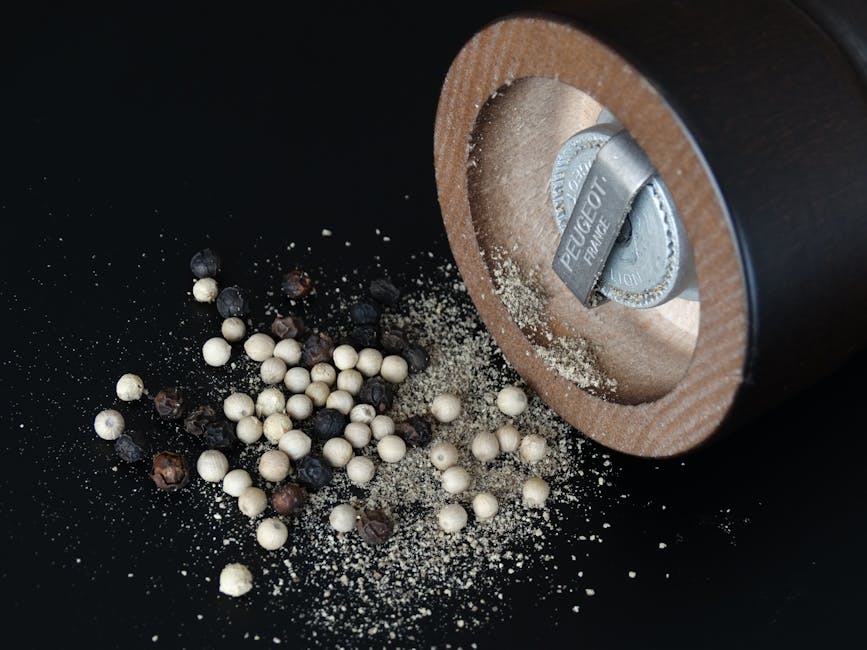
Large peppercorns present multiple challenges for electric grinders. Peppercorns vary significantly in size, ranging from 3mm to 6mm in diameter depending on origin and growing conditions. Indian Tellicherry peppercorns and Lampong peppercorns from Indonesia often grow larger than standard varieties, creating compatibility issues with many grinder models. The hardness variation among peppercorns also affects performance, as larger peppers tend to have denser cores that require more grinding force. Additionally, some peppercorn varieties have irregular shapes that don’t feed properly into narrow grinding chambers. These physical characteristics combine to create resistance that exceeds motor specifications, triggering automatic shutoff mechanisms or manual stalling.
According to quality standards established by the International Organization for Standardization (ISO), peppercorn grading considers size as a key quality metric. Larger peppercorns often command premium prices precisely because they contain more essential oils and flavor compounds. However, these same qualities make them harder to process mechanically. Manufacturers balance grinder design between accommodating larger peppers and maintaining reasonable battery life, often optimizing for medium-sized standard varieties.
Motor Power and Battery Limitations
Electric pepper grinders rely on small DC motors powered by AA or AAA batteries, typically four to six cells providing 4.5 to 6 volts of power. These compact power sources limit the available torque and continuous operation time. High-quality peppercorns, particularly larger varieties, require sustained power delivery that quickly depletes batteries and causes motors to overheat under load. The relationship between voltage, current, and torque means that consumer-grade grinders simply cannot match the power of manual mills or commercial-grade equipment. When the grinder encounters resistance from oversized peppercorns, the motor draws more current, voltage drops, and eventually the device stops functioning to protect itself from damage.
Solutions for Preventing Electric Grinder Stalling
Several practical approaches help prevent stalling when using electric pepper grinders with larger peppercorn varieties. First, users can select pre-sorted medium-sized peppercorns specifically labeled for electric grinder compatibility. Second, storing peppercorns in airtight containers prevents moisture absorption that can cause swelling and increased hardness. Third, alternating between different grinder types, such as using a manual mill for premium large peppercorns, extends the life of electric units. Fourth, regularly cleaning the grinding mechanism removes residue buildup that restricts pepper flow and increases mechanical resistance. Fifth, replacing batteries with fresh alkaline cells ensures consistent power delivery during demanding grinding tasks. Following comprehensive maintenance guidelines from NIST for small business equipment can help establish good maintenance habits that extend to kitchen appliances.
Comparing Grinder Types and Their Capacity
Electric and manual pepper grinders offer different advantages regarding peppercorn size handling. Manual grinders provide users with direct mechanical advantage, allowing them to apply additional force when encountering larger or harder peppers. Electric grinders sacrifice this manual control for convenience but require compatible peppercorn sizes for reliable operation. Commercial-grade electric grinders designed for restaurant use typically feature more powerful motors exceeding 200 ounce-inches of torque and larger grinding chambers, accommodating premium peppercorn varieties without stalling. For home kitchens, understanding the relationship between grinder specifications and intended peppercorn types helps consumers make informed purchasing decisions.
| Feature | Electric Grinder | Manual Grinder | Commercial Grinder |
|---|---|---|---|
| Typical Torque | 50-150 oz-in | User-dependent | 200+ oz-in |
| Peppercorn Size Handling | Medium preferred | All sizes | Large supported |
| Battery/Power | 4-6 AA/AAA | None | AC adapter |
| Price Range | $15-$60 | $20-$80 | $100-$300 |
Maintenance Tips for Electric Pepper Grinders
Proper maintenance significantly reduces stalling frequency and extends grinder lifespan. Users should clean the grinding chamber weekly by running dry rice through the mechanism to absorb oils and remove residue. The exterior should be wiped with damp cloth, avoiding submerging electrical components. Battery contacts should be checked periodically for corrosion, which increases electrical resistance and reduces power delivery. When not in use, grinders should be stored with mechanisms in the open position to prevent compression spring fatigue. For households using primarily large peppercorn varieties, investing in a dual-grinder system provides flexibility and ensures optimal results with different pepper types.
Web accessibility guidelines from the W3C recommend that product documentation for consumer appliances include clear specifications about compatible materials and usage parameters. Reviewing product manuals before purchase helps consumers understand whether specific peppercorn varieties will work reliably with their chosen grinder model.
Selecting the Right Peppercorns for Your Grinder
Choosing appropriate peppercorns prevents most stalling issues. Standard Tellicherry grade peppercorns typically measure 4.5mm to 5mm in diameter and work well with most electric grinders. Premium extra-large varieties exceeding 5.5mm may require commercial-grade equipment or manual grinding. Pre-ground pepper offers convenience but sacrifices flavor compared to freshly ground whole peppercorns. Organic peppercorns often show greater size variation due to less controlled growing conditions. Understanding these tradeoffs helps consumers balance quality preferences with practical grinder capabilities.
Troubleshooting Common Stalling Issues
When electric pepper grinders stall during operation, systematic troubleshooting identifies the root cause. If stalling occurs immediately, the peppercorn chamber may contain foreign objects or compacted pepper dust. Removing and cleaning the chamber resolves this issue in most cases. If stalling happens mid-grinding, the peppercorns may have absorbed moisture from humidity, causing swelling and increased hardness. Drying peppercorns in a warm oven at 140°F for 15 minutes restores normal working consistency. Persistent stalling despite troubleshooting indicates mechanical wear or insufficient motor power for the user’s pepper preferences, suggesting grinder replacement or pepper variety change.
Making an Informed Grinder Purchase Decision
Consumers researching pepper grinders should consider motor specifications, grinding mechanism materials, and chamber capacity before purchase. Higher torque motors, typically measured in ounce-inches, handle larger peppercorns more reliably. Ceramic burrs maintain sharpness longer than steel alternatives but may chip if exposed to impact. Larger grinding chambers reduce refilling frequency but require more powerful motors for consistent performance. Reading verified product reviews from sources like Google’s search documentation helps identify models that perform well with premium peppercorn varieties. Investment in quality equipment pays dividends through reliable operation and better-tasting freshly ground pepper. Additionally, researching search engine optimization best practices can help buyers find authentic customer reviews and expert recommendations when shopping online.
Conclusion
Electric pepper grinder stalling on large peppercorns results from the mismatch between motor power limitations and pepper size variations. Understanding grinder mechanics, selecting appropriate peppercorns, and performing regular maintenance prevents most stalling problems. For households that prefer premium large peppercorns, supplementing electric grinders with manual mills provides the versatility to enjoy high-quality pepper without mechanical frustration. By matching grinder capabilities to intended use, consumers achieve optimal results and extend equipment lifespan.
Frequently Asked Questions
Why does my electric pepper grinder stop working on certain peppercorns?
Electric pepper grinders stall when peppercorns exceed the motor’s torque capacity. Larger, denser peppercorns create resistance that triggers automatic shutoff or prevents the grinding mechanism from rotating.
Can I use extra-large peppercorns in my electric grinder?
Standard electric grinders work best with medium-sized peppercorns measuring 4-5mm in diameter. Extra-large varieties exceeding 5.5mm often cause stalling and may damage grinder mechanisms over time.
How do I prevent my pepper grinder from stalling?
Use fresh batteries, select appropriately sized peppercorns, clean the grinding mechanism regularly, and store peppercorns in airtight containers away from moisture and humidity.
Should I switch to a manual grinder for premium peppercorns?
Manual grinders provide unlimited torque through user effort, making them ideal for processing premium large peppercorns. Many pepper enthusiasts maintain both grinder types for versatility.
What battery type works best for electric pepper grinders?
Fresh alkaline AA or AAA batteries provide consistent voltage and current delivery. Rechargeable NiMH batteries work well but may show reduced performance as charge depletes during extended use.
Post time: Jun-12-2026