Making crispy crust pizza in a 1200W electric pizza maker machine delivers restaurant-quality results with proper technique and ingredient preparation. This guide covers everything from dough selection to finishing methods for achieving that perfect golden-brown crust. A 1200-watt pizza maker generates sufficient heat to create the Maillard reaction necessary for crispy pizza bases when operated with correct timing and temperature settings. The combination of sustained high heat and proper dough hydration produces a crust that is both crunchy on the outside and properly cooked throughout.
Understanding Your 1200W Electric Pizza Maker
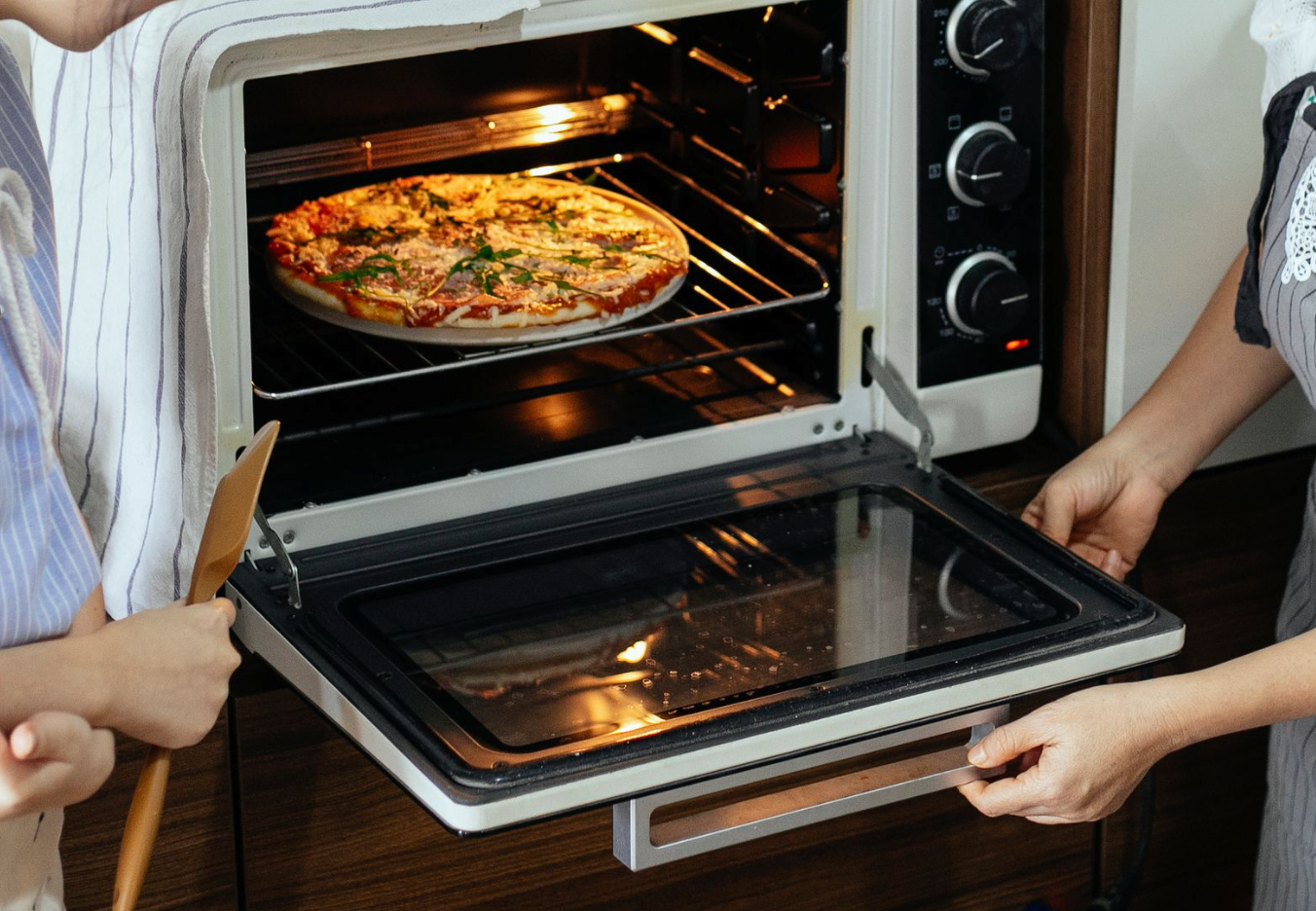
The 1200W electric pizza maker operates at a power level that heats the cooking surface to temperatures between 450°F and 500°F, which is optimal for pizza making. This wattage provides consistent heat distribution across the cooking plate, reducing cold spots that can cause uneven baking. Most models in this power class include non-stick cooking surfaces that require minimal oil and facilitate easy cleanup. The temperature consistency of a quality 1200W unit rivals professional deck ovens, making it suitable for regular home pizza preparation.
When selecting a 1200W pizza maker, look for models with adjustable temperature controls and preheat indicators. These features ensure the cooking surface reaches the ideal temperature before placing your pizza. According to search engine optimization best practices for product reviews, specifications like wattage, temperature range, and cooking surface dimensions should be clearly documented to help consumers make informed purchasing decisions. The heating element design in 1200W machines typically uses radiant heat combined with conduction to cook pizza bases thoroughly.
Essential Ingredients for Crispy Crust Pizza
High-protein bread flour creates the foundation for a crispy pizza crust because it develops strong gluten networks that provide structural integrity. Use bread flour with a protein content of 11-13% for best results, as this produces a chewy yet crunchy texture after baking. Instant yeast works reliably in pizza dough and activates quickly during the fermentation period. Water quality matters as well; use filtered water at room temperature to avoid chlorine interfering with yeast activity. For specifications on flour quality standards, consult ISO standards for guidance.
The dough hydration level significantly impacts crust crispiness, with hydration rates between 60-65% producing drier doughs that bake into crunchier crusts. Salt enhances flavor but also strengthens gluten structure, so use approximately 2% salt relative to flour weight. Olive oil can be added in small amounts to the dough or brushed on the crust edges to promote browning and add flavor complexity. For sauce, use crushed San Marzano tomatoes with minimal added moisture to prevent a soggy base.
Step-by-Step Dough Preparation
Begin by combining 400g of bread flour, 260g of water, 8g of instant yeast, 8g of salt, and one tablespoon of olive oil in a large mixing bowl. Mix the ingredients until a shaggy dough forms, then knead for 8-10 minutes until the dough becomes smooth and elastic. The dough should spring back when poked and hold its shape without sticking to your fingers excessively.
- Combine dry ingredients first, then add water and oil gradually while mixing.
- Knead the dough using the heel of your hand, folding and rotating repeatedly.
- Form the dough into a smooth ball and place it in a lightly oiled bowl.
- Cover the bowl with plastic wrap and let the dough rise for 1-2 hours at room temperature.
- Divide the dough into individual portions and refrigerate for at least 24 hours for cold fermentation.
- Remove dough from refrigerator 1-2 hours before baking to bring it to room temperature.
Cold fermentation in the refrigerator develops complex flavors and improves gluten relaxation, making the dough easier to shape thinly. After cold fermentation, the dough develops a more pronounced wheat flavor that complements crispy textures. Properly fermented dough also bubbles more during baking, creating the characteristic leopard-spot browning on a crispy crust.
Shaping and Assembling Your Pizza
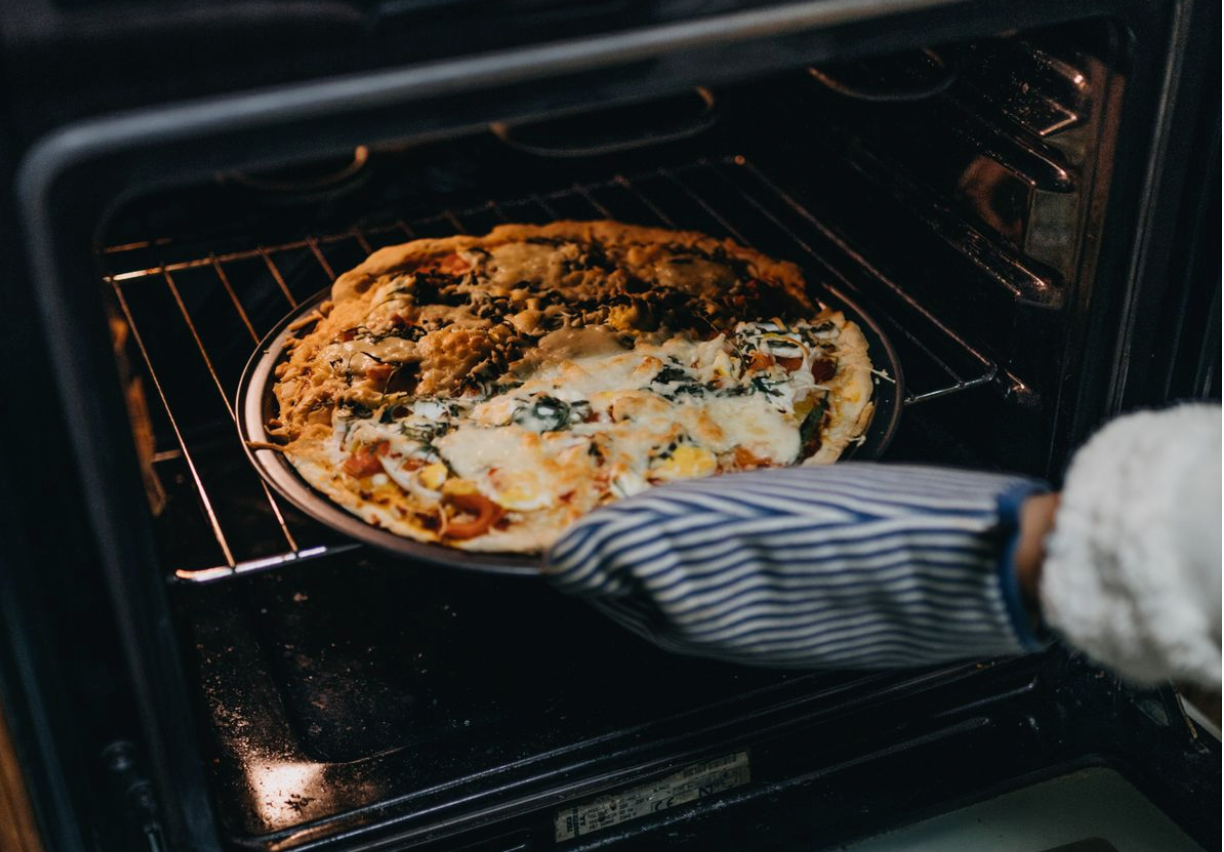
Stretch the dough by pressing from the center outward, leaving a slightly thicker edge for the crust rim. Avoid using a rolling pin, which deflates the gas bubbles formed during fermentation and results in a dense crust. For a thin crispy crust, stretch the dough to approximately 10-12 inches in diameter. Lightly dust your work surface with flour or semolina to prevent sticking during the shaping process.
Apply the tomato sauce in a thin, even layer using the back of a spoon, leaving a one-inch border around the edges. Overloading with sauce introduces excess moisture that prevents crisping. Add cheese first if using, as it creates a barrier that protects the sauce from burning while helping the crust cook evenly. Toppings should be added sparingly and arranged in a single layer for consistent cooking.
Optimal Baking Temperature and Time Settings
Preheat your 1200W electric pizza maker for 10-15 minutes on the highest temperature setting before cooking. The preheat indicator light turning off signals that the cooking surface has reached the target temperature. Place the assembled pizza carefully on the preheated surface and close the lid if your model includes one. Bake times typically range from 6-10 minutes depending on dough thickness and topping quantity.
Monitor the pizza during baking and rotate it 180 degrees halfway through if your model lacks automatic rotation. The crust should reach a deep golden brown color with visible char spots on the bottom when fully cooked. The cheese should be melted with areas of light browning, indicating proper Maillard reaction completion. If the crust is pale after 8 minutes, continue baking in 1-minute increments until the desired color is achieved.
Troubleshooting Common Crispy Crust Issues
A soggy crust typically results from excess moisture in the sauce, wet toppings, or underbaking. Reduce sauce quantity, pat dry any wet ingredients, and extend baking time to eliminate this problem. Pale crust indicates insufficient heat or baking time, so ensure proper preheating and complete the baking cycle even if the top appears done. Hard, dense crust usually means over-kneaded dough or insufficient fermentation, both of which compress the gluten structure.
Burning on the bottom while the top remains undercooked suggests the heat is too intense or the pizza was placed too early during preheating. Wait for the fully heated indicator and consider reducing temperature if your model offers adjustable settings. Uneven browning occurs when heat distribution is inconsistent; rotating the pizza during baking equalizes exposure to hot spots. For information about food safety standards in commercial settings, consult resources from the National Institute of Standards and Technology for guidance on proper cooking temperatures and handling procedures.
Tips for Perfect Results Every Time
Use a pizza peel or flat board dusted with semolina to transfer the assembled pizza into the hot pizza maker smoothly. Work quickly during assembly to minimize the time between shaping and baking, as extended resting at room temperature can cause the dough to become too soft. Keep toppings pre-sliced and ready to streamline the assembly process and maintain dough structure.
- Allow dough to reach room temperature for 1-2 hours before baking for best workability.
- Use a pizza stone or steel insert if your model accommodates one for improved bottom crisping.
- Brush the crust edges with olive oil or melted butter before baking for golden browning.
- Experiment with 00 flour for an even crispier, more delicate crust texture.
- Clean the cooking surface between pizzas to prevent flavor transfer and residue buildup.
Consistent results come from maintaining uniform dough weight, sauce distribution, and topping amounts across multiple pizzas. Document your successful recipes with specific measurements and timing to replicate good results. Temperature variations between different 1200W models may require adjusting baking times, so treat initial attempts as calibration runs.
Maintenance and Care for Your Pizza Maker
Allow the pizza maker to cool completely before cleaning to prevent burns and damage to cleaning tools. Wipe the cooking surface with a damp cloth to remove food residue, avoiding abrasive scrubbers that can damage non-stick coatings. Remove crumb trays and wash separately with warm, soapy water if your model includes them. Store the unit with the lid slightly open to prevent moisture accumulation and odors from developing.
Regular maintenance extends the appliance lifespan and ensures consistent cooking performance. Check the power cord and plug for signs of wear or damage periodically. Wipe the exterior with a soft cloth and mild cleaner to maintain appearance. According to accessibility guidelines from the W3C, appliance controls should be operable by users with various abilities, so ensure knob rotation and button pressing require minimal force.
Conclusion
Making crispy crust pizza in a 1200W electric pizza maker requires attention to dough preparation, ingredient selection, and proper baking technique. The high wattage provides sufficient heat for excellent crust development when combined with well-fermented dough and appropriate baking times. Practice and careful observation of results will help you refine your technique for consistently satisfying pizzas. With the right approach, your 1200W pizza maker can become a reliable tool for creating restaurant-quality crispy crust pizzas at home.
Frequently Asked Questions
How long does it take to make crispy pizza in a 1200W pizza maker?
From dough preparation to finished pizza, the process takes approximately 24-48 hours for fermentation plus 6-10 minutes of actual baking time. Active preparation time is about 30-45 minutes for dough making and assembly.
Can I use regular all-purpose flour instead of bread flour?
All-purpose flour works but produces a less crispy crust due to lower protein content. Bread flour with 11-13% protein creates superior gluten structure for crunchier results.
What temperature should the pizza maker be before adding pizza?
Most 1200W pizza makers reach optimal temperature (450-500°F) after 10-15 minutes of preheating. Wait for the preheat indicator light to turn off before placing your pizza.
How do I prevent the bottom of my pizza from burning?
Ensure proper preheating, use a light coating of semolina or flour on the bottom, and avoid placing the pizza too early. If burning persists, reduce baking time and monitor closely.
Can I cook frozen pizza in a 1200W electric pizza maker?
Fresh pizza yields better crispy crust results. Frozen pizzas may not cook evenly and often become soggy due to excess ice crystals. If using frozen, thaw completely and pat dry before baking.
Post time: Jun-02-2026