Using a home pizza maker for a small pizza shop business is possible under limited circumstances, but it comes with significant constraints that affect production capacity, legal compliance, and long-term scalability. Home pizza makers are designed for personal use with far lower output than commercial operations require, making them viable only for very small-scale, home-based pizza businesses with minimal daily orders.
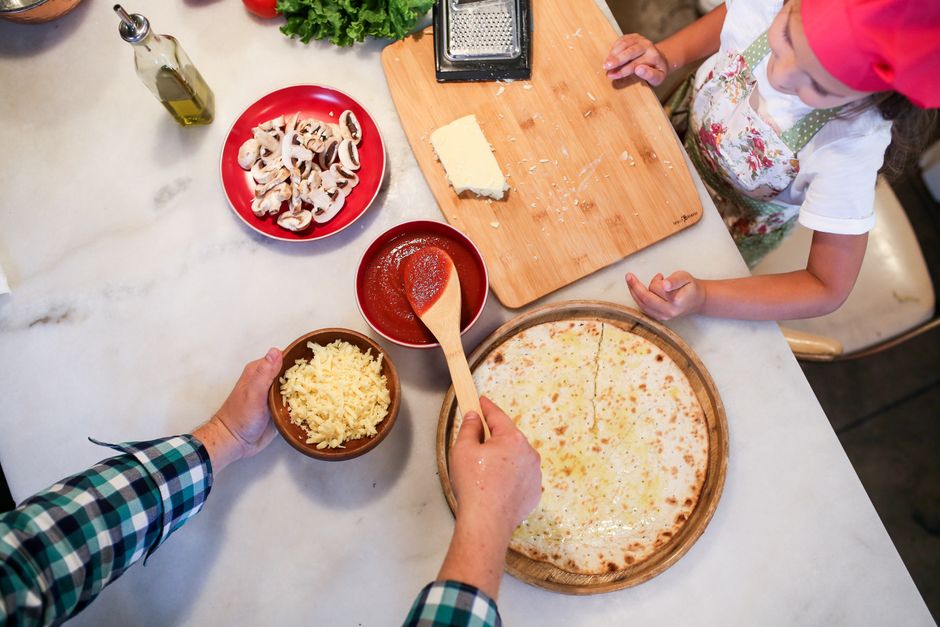
Understanding Home Pizza Maker Specifications
Home pizza makers typically operate at temperatures between 400°F and 550°F, with cooking times ranging from 8 to 15 minutes per pizza. Most residential models produce one pizza at a time, with heating elements designed for occasional use rather than continuous commercial operation. The wattage generally ranges from 1,200 to 1,800 watts, which is substantially lower than commercial pizza ovens that often require 10,000 to 50,000 watts. This difference in power directly impacts cooking consistency, crust quality, and throughput capacity.
Production Capacity Limitations
A standard home pizza maker can produce approximately 20 to 30 pizzas per day under ideal conditions with continuous operation. Commercial pizza shops typically aim for 50 to 100+ orders daily during peak hours. This means a home pizza maker operating at full capacity can only fulfill a fraction of typical commercial demand. Additionally, home appliances lack the thermal mass to maintain consistent temperatures when processing consecutive orders, leading to uneven cooking and quality degradation over time.
Legal and Health Code Requirements
Most jurisdictions require commercial food establishments to use equipment that meets specific NSF/ANSI certification standards for food safety. Home pizza makers lack this commercial-grade certification in many regions, which creates legal liability issues when selling food to the public. The National Institute of Standards and Technology provides guidance on small business compliance requirements, though food-specific regulations fall under local health department jurisdiction. Additionally, businesses should consider ISO quality management standards when establishing operational procedures and documentation systems. Selling pizzas made with uncertified equipment may result in fines, business license revocation, or closure orders.
Comparing Home Pizza Makers and Commercial Equipment
Commercial pizza ovens are engineered for high-volume production with features unavailable in home models. Understanding these differences helps business owners make informed equipment decisions that align with their operational goals and growth projections.
| Feature | Home Pizza Maker | Commercial Pizza Oven |
|---|---|---|
| Hourly Output | 4-6 pizzas | 30-100+ pizzas |
| Operating Temperature | 400°F – 550°F | 500°F – 900°F |
| Continuous Use Rating | Not rated | Designed for all-day use |
| Food Safety Certification | UL household only | NSF/ANSI commercial certified |
| Price Range | $50 – $300 | $3,000 – $50,000+ |
| Warranty for Commercial Use | Typically voided | Manufacturer supported |
Cost Analysis for Small Business Operations
The initial investment for a home pizza maker is low, ranging from $50 to $300, but the hidden costs of using residential equipment for commercial purposes quickly outweigh these savings. Commercial equipment, while expensive upfront, offers warranties, durability, and efficiency designed for business operations. Operating a home pizza maker for commercial purposes may also void homeowner’s insurance policies and create liability exposure if customer illness or injury occurs.
When a Home Pizza Maker Might Work
There are limited scenarios where a home pizza maker could serve a small business need. Pre-order-only models with daily limits of 10-15 pizzas, pop-up events with constrained customer counts, or subscription-based models with fixed membership numbers could potentially operate within home equipment capabilities. Some jurisdictions permit home-based food businesses under cottage food laws with specific restrictions on gross annual sales and required permits.

Regulatory Compliance Checklist
Before starting any pizza business using home equipment, operators must verify compliance with multiple regulatory requirements that vary by location and business structure.
- Check local health department requirements for food service licensing
- Verify equipment meets NSF/ANSI food safety certification standards
- Obtain business license specifically authorizing food sales
- Confirm cottage food law eligibility if applicable in your state
- Review insurance coverage for commercial food operations
- Understand zoning regulations for home-based food businesses
- Register with local and state tax authorities for food sales tax
Signs You Need to Upgrade Equipment
Recognizing when home equipment reaches its operational limits helps business owners plan equipment upgrades before problems escalate. Extended cooking times, inconsistent pizza quality, and equipment overheating are clear indicators that demand exceeds home appliance capabilities.
- Cooking times increase beyond 20 minutes per pizza
- Pizza quality varies significantly between batches
- Equipment shuts down or malfunctions during peak hours
- Customer complaints about undercooked or overcooked pizza increase
- Order backlog exceeds same-day fulfillment capacity
- Revenue loss occurs due to equipment limitations
Long-Term Business Sustainability
Sustainable pizza business growth requires equipment that matches operational demands and customer expectations. While home pizza makers offer a low-risk entry point for testing business concepts, they represent a temporary solution rather than a permanent foundation. Business owners should establish clear milestones for equipment upgrades based on order volume, revenue targets, and customer satisfaction metrics.
Search engine visibility plays a crucial role in local pizza business success, and understanding search engine optimization fundamentals helps new operators attract customers through online discovery.
The decision to use home pizza equipment depends on realistic assessment of business goals, local regulations, and growth projections. Small-scale operations with genuine capacity constraints and regulatory approval may find home equipment serves their immediate needs. However, any business planning to scale beyond hobby-level production should budget for commercial equipment as a foundational investment.
Frequently Asked Questions
Can I legally sell pizzas made with a home pizza maker?
Legality depends on local regulations. Many jurisdictions require commercial-grade equipment certified for food service. Some areas permit home-based food businesses under cottage food laws with restrictions. Contact your local health department for specific requirements.
How many pizzas can a home pizza maker produce in one day?
Most home pizza makers produce 20-30 pizzas daily under continuous operation. Actual output may be lower due to prep time, cooling periods, and cleaning requirements between batches.
What is the main difference between home and commercial pizza ovens?
Commercial ovens offer higher temperatures, greater thermal mass for consistent cooking, NSF/ANSI certification for food safety, and designs built for continuous daily operation. Home ovens lack these commercial-grade features.
How much does commercial pizza equipment cost?
Commercial pizza ovens range from $3,000 for basic deck ovens to $50,000+ for high-end conveyor systems. Additional equipment like prep tables, refrigeration, and ventilation adds significant cost to total setup.
When should I upgrade from home equipment to commercial?
Upgrade when order volume consistently exceeds home equipment capacity, when equipment malfunctions impact food quality, or when revenue supports the investment. Many businesses upgrade after reaching 20+ daily orders consistently.
Post time: Jun-24-2026