A pizza stone significantly improves crust quality in an indoor electric pizza oven by providing radiant heat that mimics professional brick ovens. Whether you need one depends on your cooking preferences, oven type, and how often you make pizza at home. This guide evaluates the practical benefits, material options, and cost considerations to help you decide.
How Electric Pizza Ovens Cook Differently Than Traditional Ovens
Electric pizza ovens rely on heating elements that warm the cooking chamber through convection and direct radiant heat. Standard home ovens typically heat from a single source located at the bottom, which can create uneven cooking patterns. The heating mechanism in most electric models means pizza bottoms may brown faster than the toppings, leading to inconsistent results.
Professional pizza stones address this limitation by absorbing oven heat and redistributing it evenly across the pizza base. This two-stage heating process—where the stone releases stored energy back to the dough—creates the Maillard reaction necessary for crispy, golden-brown crusts. Understanding this thermal dynamics helps explain why pizza stones have become essential tools for serious home pizza makers.
Key Benefits of Using a Pizza Stone in Indoor Electric Ovens
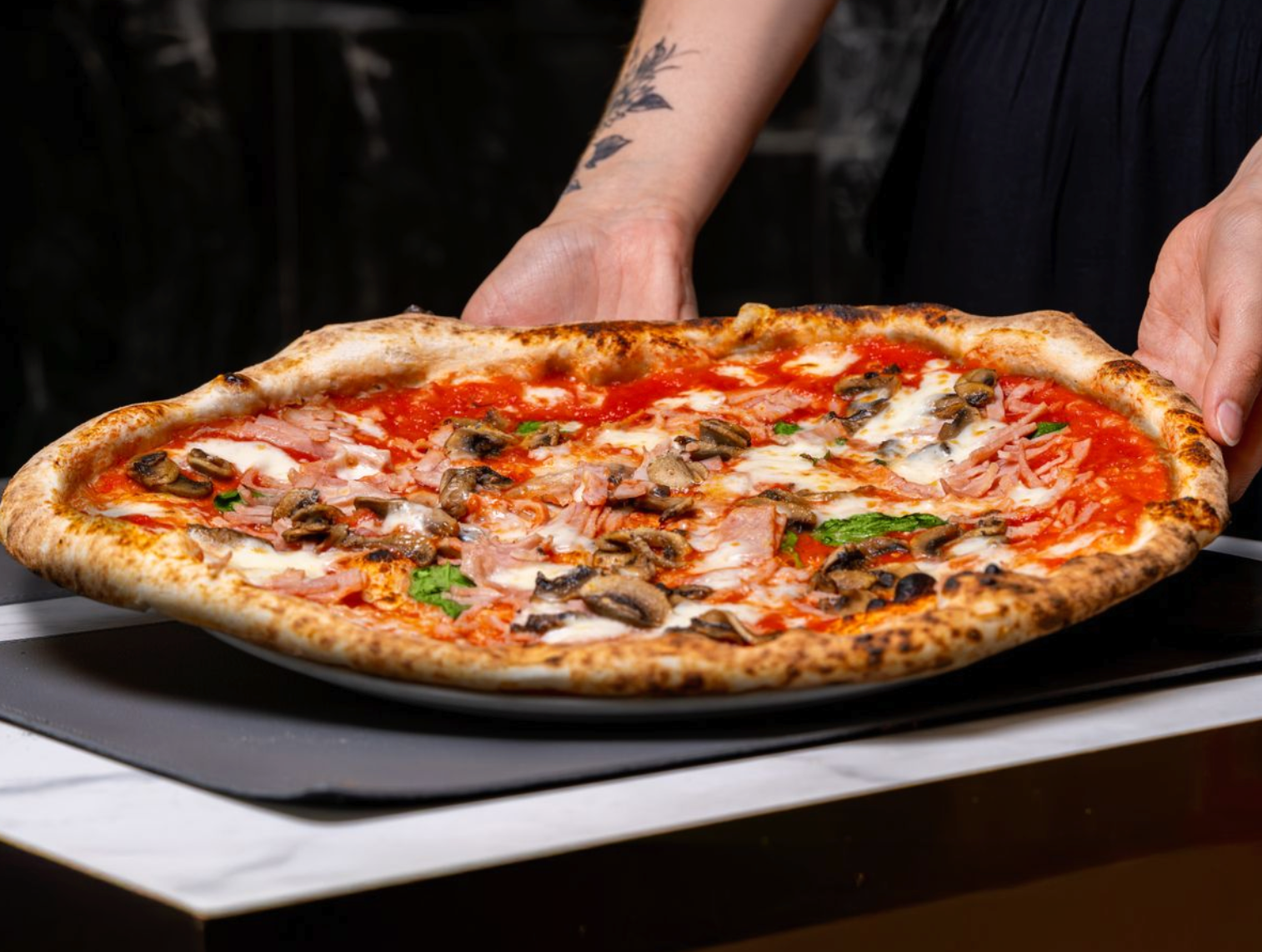
Pizza stones deliver superior crust texture compared to baking directly on oven trays. The porous ceramic or cordierite material draws moisture from dough, resulting in crispier bottoms without burning. This moisture absorption also helps achieve the characteristic leopard-spotted char patterns associated with restaurant-quality Neapolitan-style pizzas.
Heat retention represents another major advantage. Once preheated, a quality stone maintains consistent temperatures even when fresh pizza dough is placed on its surface. This thermal mass prevents temperature drops that commonly cause undercooked or soggy centers in home pizza making. For families making multiple pizzas, this consistency matters significantly.
The even heat distribution prevents hot spots that plague many electric ovens. Without a stone, pizzas may cook unevenly depending on rack position. A pizza stone essentially standardizes the cooking surface, ensuring predictable results regardless of where you place the pizza inside the oven cavity.
When You Might Not Need a Pizza Stone
Not all indoor electric pizza ovens require additional accessories. High-end models with dual heating elements or specialized pizza modes often achieve excellent results without stones. These advanced units distribute heat more evenly and reach higher temperatures that simulate commercial pizza ovens naturally.
Thicker pizza styles like deep-dish or Detroit-style don’t benefit as much from pizza stones. These varieties rely on oil or butter for browning rather than direct radiant heat from below. If your household prefers thick, chewy crusts over thin, crispy bases, a stone offers less practical value.
Occasional pizza makers might find the extra equipment unnecessary. If you bake pizza once monthly or less frequently, investing in a dedicated stone and learning proper preheating protocols may outweigh the benefits. Your current oven’s results matter—if you’re already satisfied with your pizza quality, additional equipment provides diminishing returns.
Pizza Stone Materials: Comparing Cordierite, Steel, and Ceramic
Cordierite pizza stones rank among the most popular choices for home electric ovens. This mineral-based material withstands thermal shock without cracking and distributes heat uniformly across its surface. Cordierite stones typically handle temperatures up to 900°F without degradation, making them suitable for high-heat pizza applications.

Steel pizza stones (also called baking steels) conduct heat more rapidly than ceramic alternatives. These solid metal surfaces absorb energy quickly and transfer intense heat to pizza dough, creating exceptionally crispy crusts in shorter cooking times. Steel options work particularly well in electric ovens that struggle to match gas or wood-fired temperatures.
Ceramic pizza stones represent the most budget-friendly option for home use. While they heat more slowly than cordierite or steel, ceramics still provide meaningful improvement over bare oven racks. Basic ceramic stones work adequately for moderate-temperature cooking but may crack under rapid temperature changes if not preheated gradually.
Selecting the Right Size and Thickness
Pizza stone dimensions should match your oven's usable interior space while leaving adequate clearance for airflow. Measure your oven's depth and width before purchasing. Stones larger than your pizza needs waste energy, while undersized stones force pizzas to hang over edges where they may cook unevenly.
Thickness affects both cooking performance and practical handling. Thicker stones (around 1/2 to 3/4 inch) store more heat energy and maintain stable temperatures longer but weigh significantly more, making them difficult to store and maneuver. Thinner options (1/4 inch) heat and cool faster but may require more precise temperature management during cooking.
For most indoor electric pizza ovens, a medium thickness (3/8 to 1/2 inch) balances thermal performance with practical usability. This range provides sufficient heat retention while remaining manageable for regular home use and storage between cooking sessions.
Cost Considerations and Budget Options
Basic pizza stones cost between $20 and $40, offering adequate performance for casual home pizza makers. These budget options typically feature ceramic construction with moderate thickness. While they won't match premium materials in heat distribution or durability, they still meaningfully improve crust quality compared to baking directly on oven racks.
Mid-range cordierite stones fall between $50 and $80, providing better heat distribution and longer lifespan. These options handle repeated thermal cycling without cracking and maintain consistent temperatures across multiple pizza batches. For regular home use, mid-range stones often represent the best value proposition.
Premium pizza stones and baking steels cost $100 or more, delivering professional-grade thermal performance. These options excel in heat retention, durability, and cooking consistency. Professional-grade materials justify higher prices for households that make pizza frequently or pursue specific crust characteristics like Neapolitan-style char patterns.
Maintenance Tips for Pizza Stone Longevity
Proper cleaning preserves pizza stone performance over years of use. Never wash ceramic or cordierite stones with soap—the porous material absorbs detergents that affect food flavors. Instead, scrape off food residue with a spatula while the stone is still warm, then wipe with a damp cloth if necessary.
Thermal shock causes most pizza stone damage. Always preheat your stone gradually alongside the oven rather than placing a cold stone in a hot cavity. Similarly, allow stones to cool completely before washing or storing. Sudden temperature changes create stress fractures that weaken the material over time.
Store pizza stones in your oven when not in use. This practice maintains stable temperatures and prevents accidental damage from dropping or impacts. Some cooks worry about food odors absorbing into stone surfaces, but accumulated seasoning actually enhances pizza stone performance over time, similar to cast iron seasoning.
Making Your Decision: A Practical Checklist
Before purchasing a pizza stone, evaluate these factors honestly:
- How frequently do you make pizza at home?
- Do you prefer thin crispy crusts or thicker styles?
- Are you satisfied with current pizza results from your electric oven?
- What is your available budget for kitchen accessories?
- Do you have adequate storage space for stone handling and storage?
- Does your electric oven reach temperatures above 500°F?
If you answer yes to most of these questions, a pizza stone investment likely pays off through improved pizza quality and cooking consistency. For more specialized kitchen equipment needs, explore professional-grade options from established manufacturers like yisure who specialize in quality kitchen tools designed for serious home cooking enthusiasts.
Conclusion
A pizza stone can meaningfully improve pizza quality in most indoor electric pizza ovens, but the necessity depends on your specific circumstances. Frequent pizza makers pursuing authentic crispy crusts and professional browning will find stones essential. Occasional cooks satisfied with current results or those preferring thick crust varieties may not need this accessory. Consider starting with an affordable cordierite option to test the benefits before investing in premium materials.
Frequently Asked Questions
Do pizza stones work in all indoor electric pizza ovens?
Most indoor electric pizza ovens accommodate pizza stones, but check your oven's interior dimensions and maximum temperature capabilities. Some compact models may have insufficient clearance or wattage to benefit significantly from stone use.
How long should I preheat my pizza stone?
Allow 30-45 minutes for most pizza stones to reach oven temperature equilibrium. Thicker stones may require up to an hour, while thin steel options typically stabilize within 20-30 minutes.
Can I use aluminum foil under my pizza stone?
Placing foil under pizza stones can damage them by trapping steam between layers. Direct contact between stone and oven rack allows proper heat transfer and prevents moisture-related damage.
Why did my pizza stone crack during use?
Cracking usually results from thermal shock—exposing cold stones to high heat or adding cold food to hot stones. Always preheat stones gradually and never submerge hot stones in cold water.
Do I need to season a pizza stone before first use?
Pizza stones don't require seasoning like cast iron, but applying a thin layer of flour or cornmeal on the surface helps prevent sticking during initial uses while the stone develops its natural cooking surface.
Where can I learn more about cooking equipment standards?
For those interested in understanding how various standards and guidelines apply to manufacturing quality kitchen equipment, resources from ISO Standards provide valuable insights into material specifications and testing protocols.
Are there accessibility considerations for kitchen tool design?
Kitchen tools should be designed for ease of use by everyone. The principles outlined in Web Content Accessibility Guidelines can be metaphorically applied to physical product design to ensure usability.
How do manufacturers test pizza stone durability?
Professional testing facilities like those referenced at NIST provide guidelines for material testing that can be applied to evaluate pizza stone longevity and performance under various conditions.
Post time: Jun-04-2026