An electric pizza maker that fails to cook the bottom of your pizza is a common problem that stems from inadequate heat transfer, improper placement, or equipment limitations. This article examines the technical reasons behind undercooked pizza bases and provides practical solutions to help you achieve evenly browned, fully cooked pizzas every time.
Understanding How Electric Pizza Makers Generate Heat
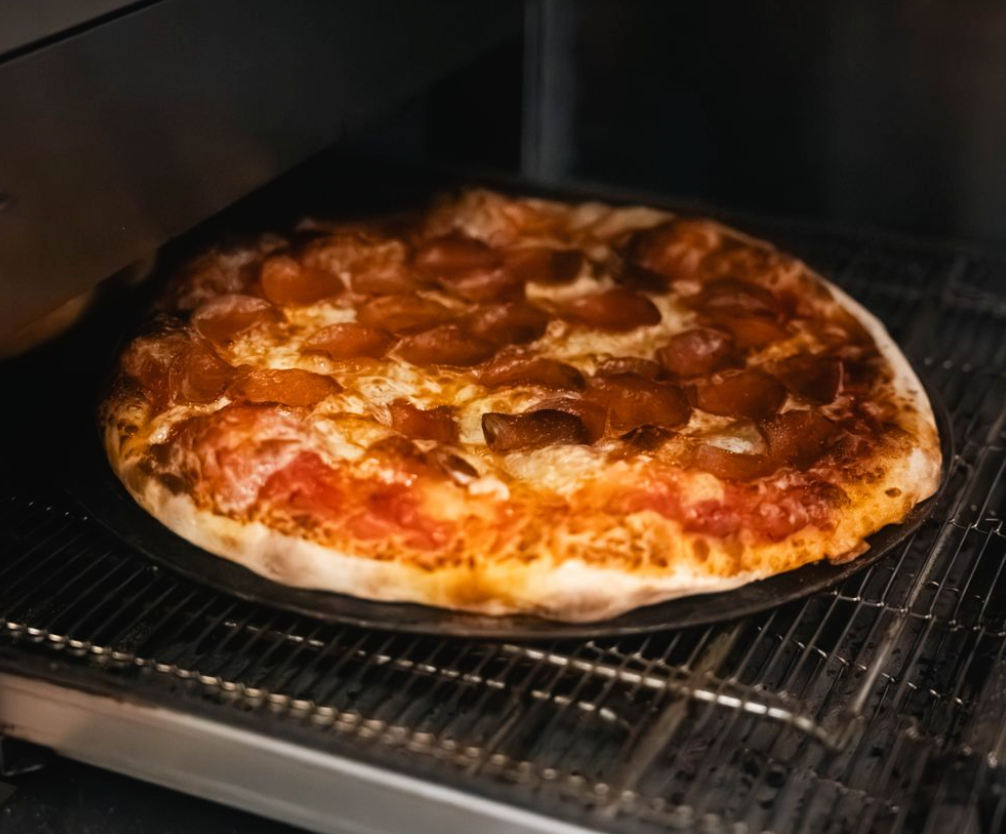
Electric pizza makers utilize heating elements positioned above and sometimes below the cooking surface to generate thermal energy. The top heating element typically operates at higher temperatures and produces more consistent heat distribution across the cooking chamber. Bottom heating elements in many models are positioned at fixed distances from the pizza base, which can result in uneven heat transfer depending on the pizza thickness and topping weight.
Primary Causes of Undercooked Pizza Bottoms
Several factors contribute to undercooked pizza bottoms when using electric pizza makers. Understanding these causes helps identify the appropriate solution for your specific situation.
Insufficient Bottom Heat Temperature
Many electric pizza makers prioritize top heat for melting cheese and browning toppings, which can leave the bottom undercooked. The heating element below the cooking stone or plate may not reach the 400-500°F temperature necessary for proper crust development. This temperature differential creates a scenario where toppings appear done while the dough remains raw or doughy.
Modern pizza ovens often incorporate dual heating systems specifically designed to address this imbalance, but budget models may lack sufficient bottom heating capacity.
Incorrect Pizza Thickness and Size
Pizza dough thickness directly impacts how effectively heat reaches the bottom surface. Thick, fluffy doughs require longer cooking times and more bottom heat to cook through completely. Similarly, oversized pizzas that extend beyond the optimal heating zone of the bottom element will have undercooked centers.
Preheating Inadequacy
Failure to preheat the pizza maker adequately is a leading cause of undercooked bottoms. Most manufacturers recommend preheating for 10-15 minutes to allow the cooking surface to reach optimal temperature. Skipping or shortening this preheat phase means the bottom heating element has not had sufficient time to transfer adequate heat to the cooking surface.
Diagnosing Your Pizza Maker’s Heat Distribution
Testing your electric pizza maker’s heat distribution helps identify specific problems. Place a thin slice of bread or a thermal indicator sheet on the cooking surface during a full preheat cycle. Observe where heat concentrates and where cooler spots exist.
Solutions for Achieving Properly Cooked Pizza Bottoms
Implementing targeted adjustments resolves most cases of undercooked pizza bottoms without requiring equipment replacement.
Preheating Best Practices
Always preheat your pizza maker for the full duration specified in the user manual, typically 10-20 minutes depending on the model. During preheating, keep the lid closed to allow the cooking surface to reach consistent temperatures throughout. Consider using an infrared thermometer to verify the surface temperature before placing your pizza.
Adjusting Pizza Dough Preparation
The way you prepare and position pizza dough significantly affects bottom cooking results. Roll dough to an even thickness of approximately ¼ inch for optimal heat penetration. Lightly flour the bottom surface before placing it on the cooking plate to prevent sticking while allowing direct heat contact.
Using the Right Cooking Duration
Electric pizza makers typically require longer cooking times than traditional ovens to achieve properly cooked bottoms. Expect cooking times of 12-18 minutes for standard pizzas, compared to 8-12 minutes in conventional ovens. Check the pizza periodically after the 10-minute mark but resist the urge to open the lid frequently, as this releases heat and extends cooking time.
Leveraging Your Kitchen Equipment
Combining your pizza maker with other kitchen appliances can improve results. Some users successfully place their pizza maker on a heat-resistant surface near the stovetop, using residual oven heat to warm the cooking surface from below. Others use pizza stones or steel plates specifically designed for better heat transfer.
Maintenance Practices for Optimal Performance
Regular maintenance ensures your electric pizza maker performs consistently over time. Cleaning the heating elements, checking electrical connections, and inspecting the cooking surface all contribute to reliable bottom heating performance.
Cleaning the Cooking Surface
Residue buildup on the cooking surface acts as an insulator, reducing heat transfer to the pizza bottom. Clean the surface after each use with a damp cloth and mild detergent, avoiding abrasive materials that could damage non-stick coatings. For stuck-on residue, allow the surface to heat briefly before cleaning to soften deposits.
Inspecting Heating Elements
Over time, heating elements can develop hot spots or experience reduced efficiency. Visual inspection of the elements while operating reveals any discoloration, warping, or damage. If elements appear damaged, consult the manufacturer’s troubleshooting guide or consider professional repair services.
When to Consider Equipment Replacement
Persistent bottom cooking problems despite implementing all recommended solutions may indicate fundamental equipment limitations. Understanding when repair costs exceed replacement value helps make economical decisions.
Evaluating Repair Versus Replacement
Compare the cost of replacement parts and repair labor against the price of a new unit. If your pizza maker is more than five years old or if repairs would cost more than half the price of a new model, replacement typically offers better long-term value. Modern pizza oven models often include improved heating technology that eliminates the problems experienced with older units.
Features to Look for in New Pizza Makers
When shopping for a replacement, prioritize models with independently controlled top and bottom heating elements. Look for adjustable temperature controls that allow you to increase bottom heat specifically. Stone or steel cooking surfaces provide better heat transfer than aluminum plates. Customer reviews frequently mention cooking performance, so research thoroughly before purchasing.
Comparison of Pizza Cooking Methods
Understanding how electric pizza makers compare to alternative cooking methods provides context for your equipment choice and helps set realistic expectations.
High
| Cooking Method | Bottom Heat Efficiency | Typical Cooking Time | Best For |
|---|---|---|---|
| Traditional Oven (Pizza Stone) | High | 8-12 minutes | Authentic Neapolitan-style |
| Electric Pizza Maker | Moderate | 12-18 minutes | Convenience, small spaces |
| Convection Oven | 10-14 minutes | Even browning | |
| Outdoor Pizza Oven | Very High | 2-4 minutes | Restaurant quality |
Alternative Solutions Using Kitchen Equipment
If your electric pizza maker consistently undercooks pizza bottoms, supplement its use with other kitchen equipment to achieve better results. Using a conventional oven’s broiler function briefly after pizza maker cooking can help brown an undercooked bottom. Alternatively, finish pizzas on a preheated baking sheet in a conventional oven set to high heat.
For those who frequently make pizza, investing in a dedicated pizza stone for use in a standard oven may prove more satisfying than troubleshooting an underperforming electric pizza maker. The air fryer category offers compact alternatives that some users find effective for small personal pizzas, though results vary by model.
Safety Considerations
When troubleshooting heating issues with electric pizza makers, prioritize electrical safety. Always unplug the appliance before inspection or cleaning. Check power cords for damage, and ensure the outlet can handle the appliance’s electrical requirements. The National Institute of Standards and Technology provides general guidance on electrical appliance safety that applies to household cooking equipment.
Avoid using adapters or extension cords that could create fire hazards or reduce power delivery to heating elements. If you notice burning smells, discoloration on plastic components, or intermittent heating, discontinue use immediately and investigate the cause before resuming operation.
Troubleshooting Checklist
Use this checklist when diagnosing your electric pizza maker’s bottom cooking problems:
- Verify preheating duration meets manufacturer specifications
- Confirm pizza dough thickness is appropriate (approximately ¼ inch)
- Test surface temperature with infrared thermometer
- Inspect heating elements for damage or wear
- Clean cooking surface to remove residue buildup
- Check that pizza size fits within heating zone
- Verify electrical outlet provides adequate power
- Review user manual for model-specific recommendations
Frequently Asked Questions
Why is my pizza maker only cooking the top of the pizza?
Electric pizza makers typically prioritize top heating for cheese melting and topping browning. The bottom heating element may be insufficient, positioned too far from the cooking surface, or underperforming due to age or damage. Try increasing cooking time or using a thinner dough.
How long should I preheat my electric pizza maker?
Most manufacturers recommend 10-20 minutes of preheating. The exact duration depends on your specific model. A longer preheat ensures the cooking surface reaches the temperature needed for proper bottom browning.
Can I use a pizza stone in my electric pizza maker?
Some pizza makers accommodate pizza stones, which improve heat distribution to the bottom. Check your user manual to confirm whether adding a stone is safe for your specific model and cooking surface type.
Why does my pizza stick to the bottom when cooking?
Pizza sticking usually indicates insufficient preheating, too much moisture on the dough surface, or residue buildup on the cooking plate. Lightly flour the dough bottom and ensure proper preheating before placing the pizza.
Should I replace my old pizza maker with a newer model?
Consider replacement if repairs would cost more than half the price of a new unit, if your current model is over five years old, or if it lacks modern features like adjustable bottom heating controls. Newer models often provide superior bottom cooking performance.
Post time: Jun-06-2026